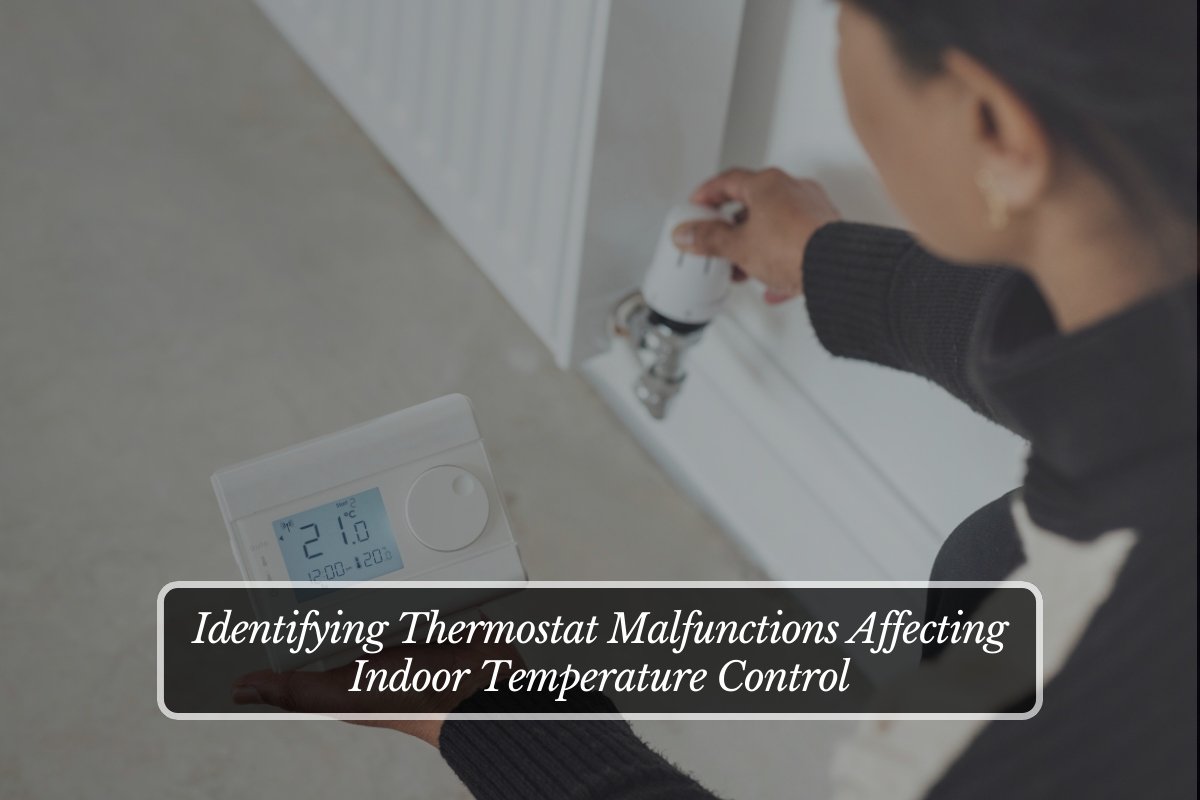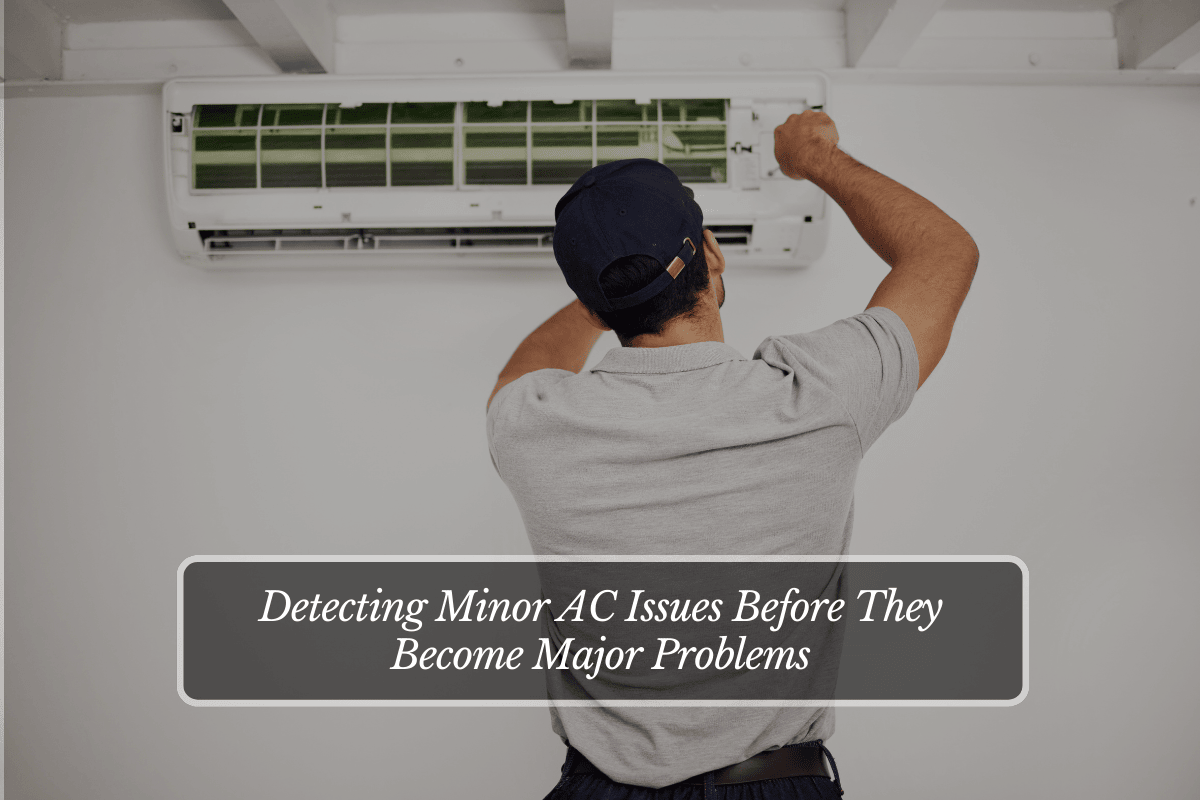
Detecting minor AC issues early prevents costly breakdowns and extends unit lifespan by years, saving thousands in repairs during peak summer demands. Regular self-checks reveal subtle symptoms like odd noises or weak airflow before they escalate to compressor failure or refrigerant loss.
Unusual Noises
Listen for grinding, hissing, or banging from the unit—these signal loose parts, motor wear, or refrigerant leaks. Grinding often means fan blade damage; hissing indicates escaping coolant, dropping efficiency fast. Early action like tightening screws or calling techs stops progression to total failure.
Weak Airflow Patterns
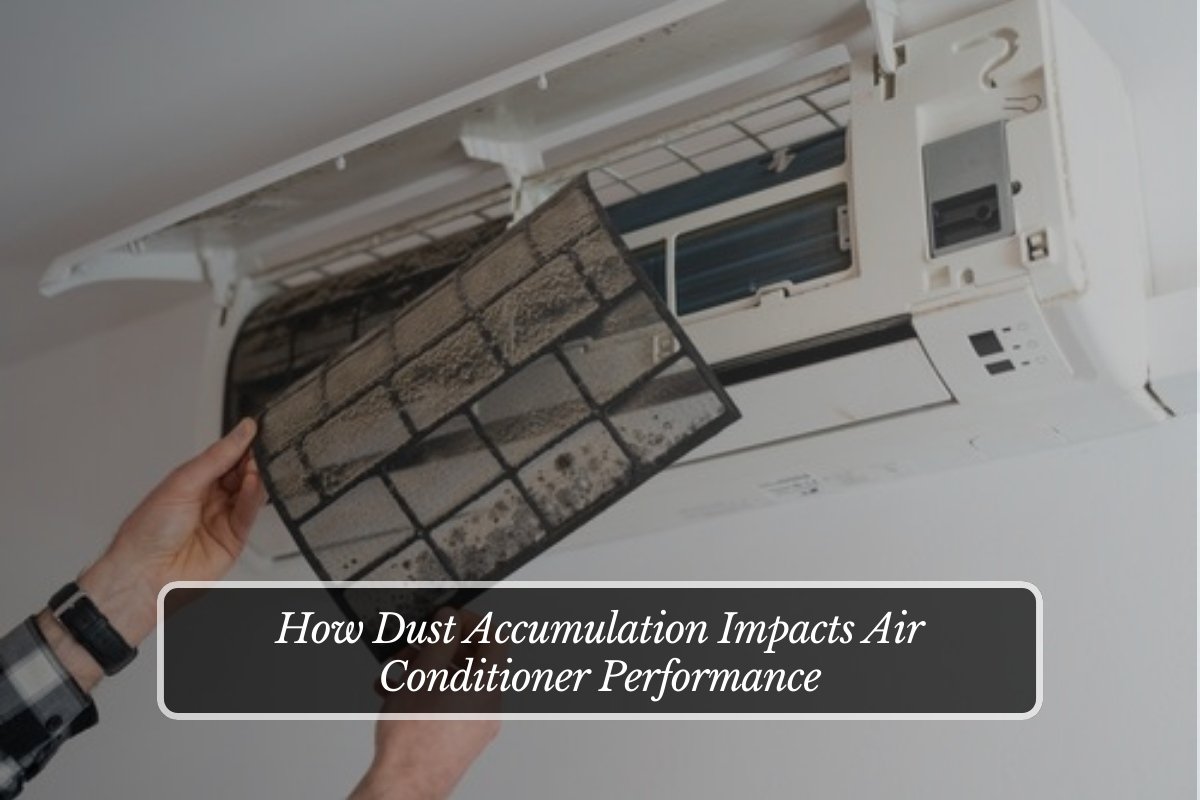
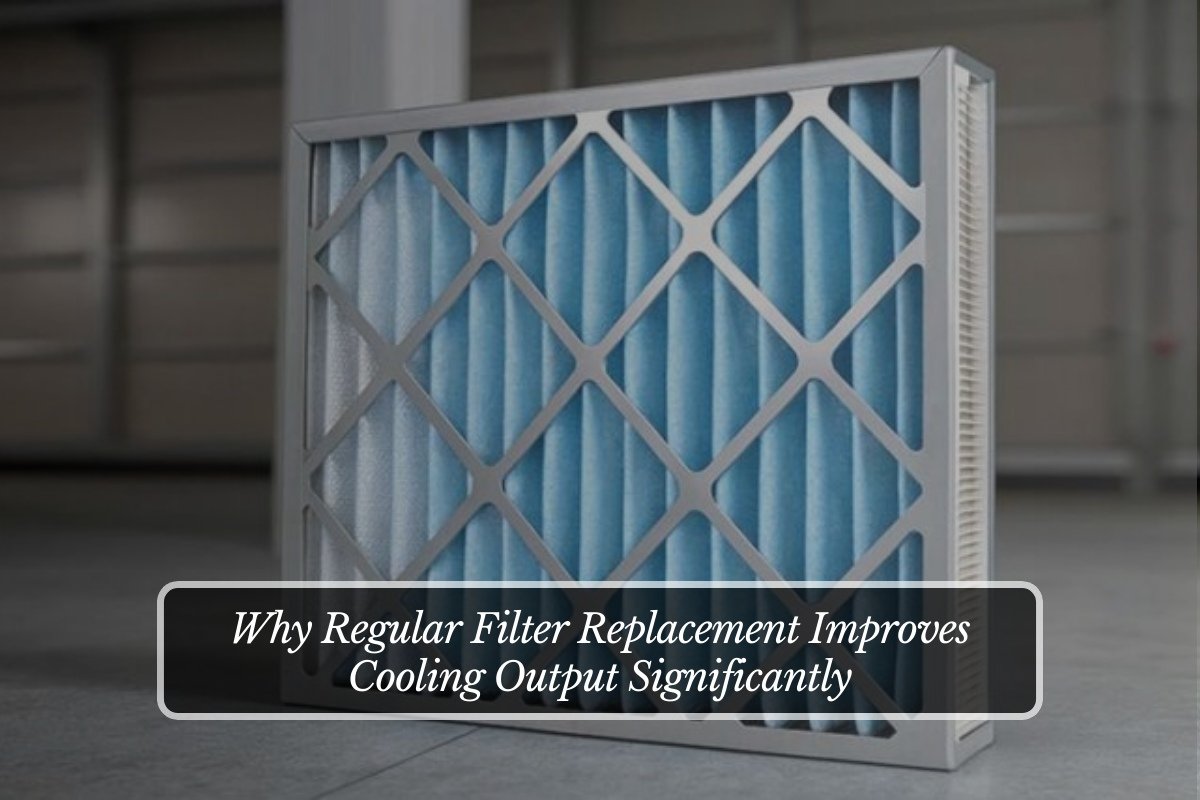
Vents blowing faintly or unevenly across rooms point to clogged filters, blocked ducts, or failing blower motors. Restricted flow overworks the compressor, hiking energy use 15-20%; check filters first, then inspect registers for obstructions. Consistent weak air precedes short cycling and coil icing.
Warm Air Output
If cool air turns lukewarm despite running, suspect low refrigerant, dirty evaporator coils, or thermostat faults. Frozen coils from airflow issues amplify this; turn off the unit immediately to thaw and avoid compressor strain. This symptom alone warrants pro diagnosis within 24 hours.
Frequent Short Cycling
The AC turning on/off rapidly (every 5-10 minutes) strains components due to oversizing, low refrigerant, or electrical glitches. It spikes wear by 30%, leading to premature burnout; verify thermostat placement away from heat sources and clean coils promptly.
Ice or Frost Buildup
Ice on coils or refrigerant lines screams restricted airflow or leaks—common from dirty filters or low charge. Running iced units risks $1,000+ compressor damage; shut down, fan-only thaw overnight, and service to prevent recurrence.
Rising Energy Bills
A 20% unexplained bill jump signals inefficiency from dust buildup, leaks, or aging parts pulling excess power. Track monthly usage; pair with performance logs to spot trends before major overhauls become necessary.
Water Leaks and Moisture
Puddles around indoor units stem from clogged condensate drains or cracked pans, fostering mold and further blockages. High humidity indoors despite cooling confirms evaporator problems; flush drains monthly with vinegar to head off escalation.
Thermostat and Electrical Warnings
Unresponsive thermostats or frequent breaker trips indicate wiring faults, bad capacitors, or failing compressors drawing overloads. Test batteries, recalibrate, or inspect for burn marks—electrical ignores risk fires alongside breakdowns.
Early Detection Checklist Table
Preventive Maintenance Routine
Weekly: Visual checks for ice/leaks, filter inspections. Monthly: Drain flushes, coil wipes. Biannual pro tune-ups catch 80% of issues pre-escalation, often under $150. Log symptoms with timestamps for accurate tech briefings.
When to Call Pros
DIY minor fixes like filters; escalate noises, cycling, or ice to certified techs. Delaying minor repairs triples costs—$200 filter swap vs. $2,000 compressor. In Haryana’s dust, prioritize pre-monsoon checks.
FAQs
What noise signals refrigerant leak?
Hissing—stop use immediately to avoid compressor harm.
Why weak airflow first?
Clogged filters strain system early; clean biweekly in dust.
Does warm air mean total failure?
No—often low refrigerant; pro recharge fixes 70% cases.
Short cycling dangers?
Wears compressor 30% faster; check thermostat first.
Ice on coils fix?
Thaw with fan-only; address root airflow or leak.