Seasonal air conditioner (AC) cleaning is essential for maintaining cooling efficiency, indoor air quality, and system longevity. Dust buildup, clogged filters, and dirty coils can reduce performance by up to 20–30%, especially during peak summer usage. This comprehensive guide explains what seasonal AC cleaning involves, why it matters, and how often it should be scheduled.
Why Seasonal AC Cleaning Is Important
Air conditioners circulate air continuously, collecting dust, allergens, and debris over time. Without proper cleaning:
- Cooling efficiency drops
- Electricity bills increase
- Airflow becomes restricted
- Indoor air quality deteriorates
- Components wear out faster
Seasonal servicing ensures your system performs at optimal capacity before heavy usage periods.
When Should You Schedule AC Cleaning?
| Season | Recommended Action | Reason |
|---|---|---|
| Early Spring | Full system cleaning | Prepare for summer load |
| Mid-Summer | Filter inspection & cleaning | Peak usage period |
| Early Autumn | Light cleaning & inspection | Remove summer buildup |
| Winter (if used) | Occasional filter check | Maintain airflow |
Most households require at least one deep cleaning per year, ideally before summer begins.
What Does Seasonal AC Cleaning Include?
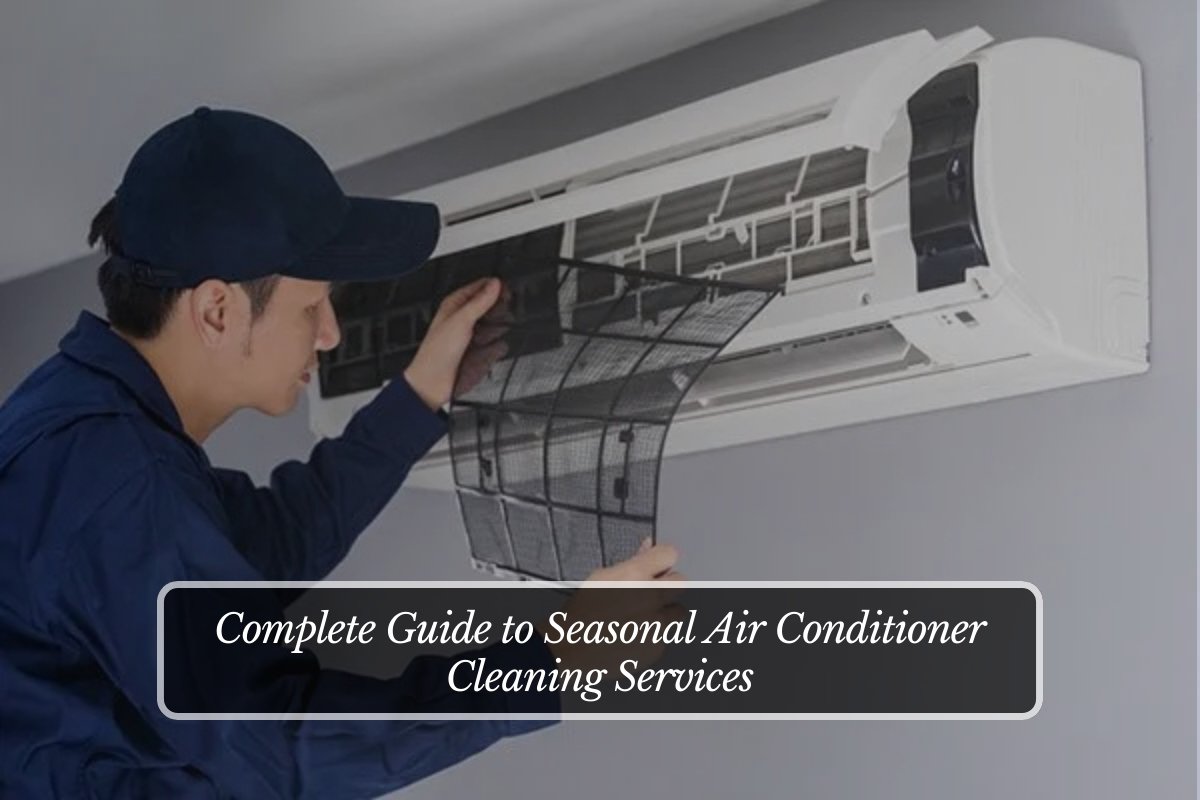
1. Air Filter Cleaning or Replacement
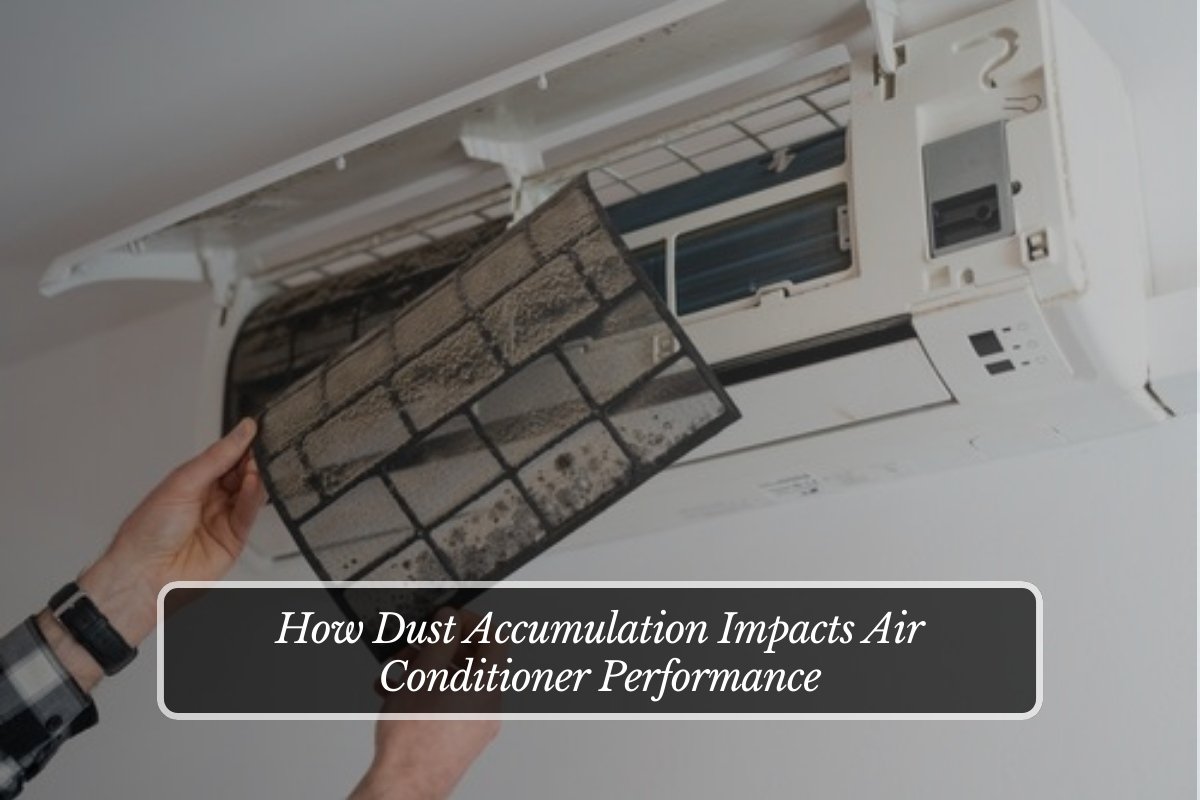
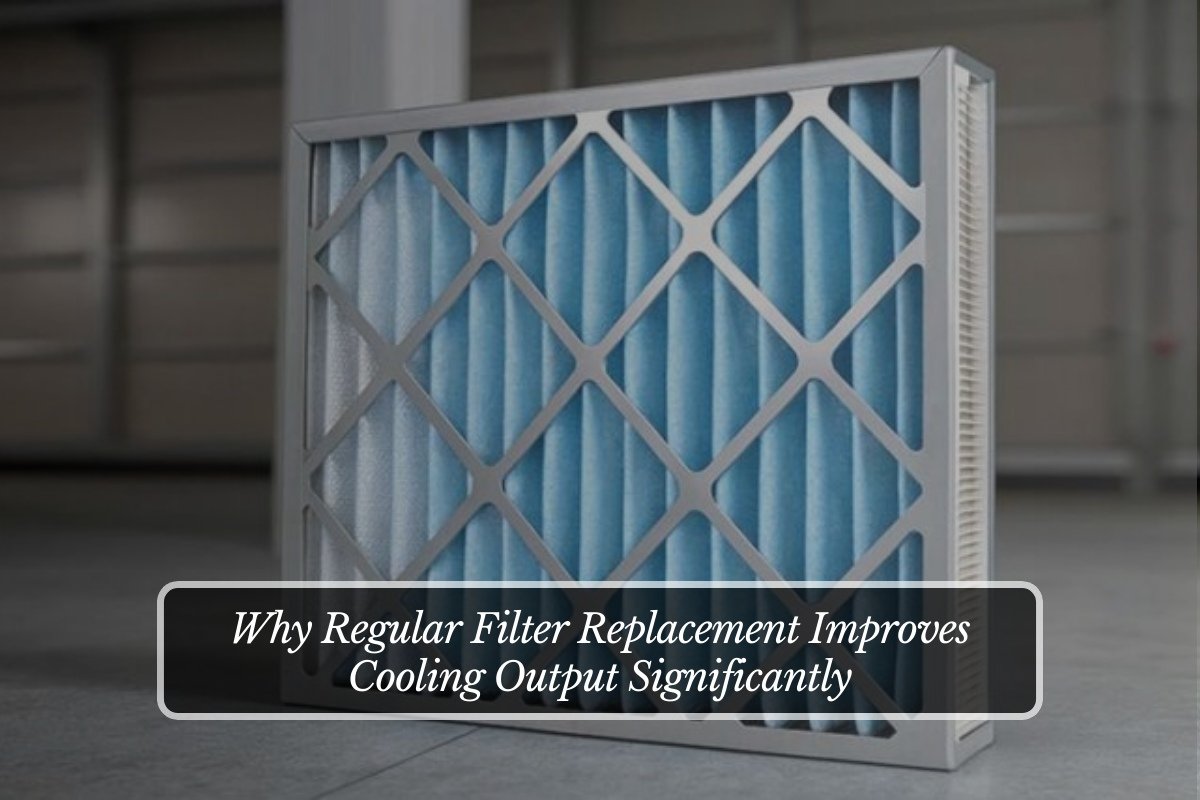
Filters trap dust and airborne particles. Clogged filters reduce airflow and force the system to work harder.
Service Includes:
- Washing reusable filters
- Replacing disposable filters
- Inspecting filter housing
Frequency: Every 30–60 days during heavy use.
2. Evaporator Coil Cleaning
Evaporator coils absorb heat from indoor air. Dirt buildup reduces heat transfer efficiency.
Professional technicians:
- Apply coil cleaning solution
- Remove grime and microbial buildup
- Inspect for corrosion or leaks
Clean coils improve cooling speed and reduce compressor strain.
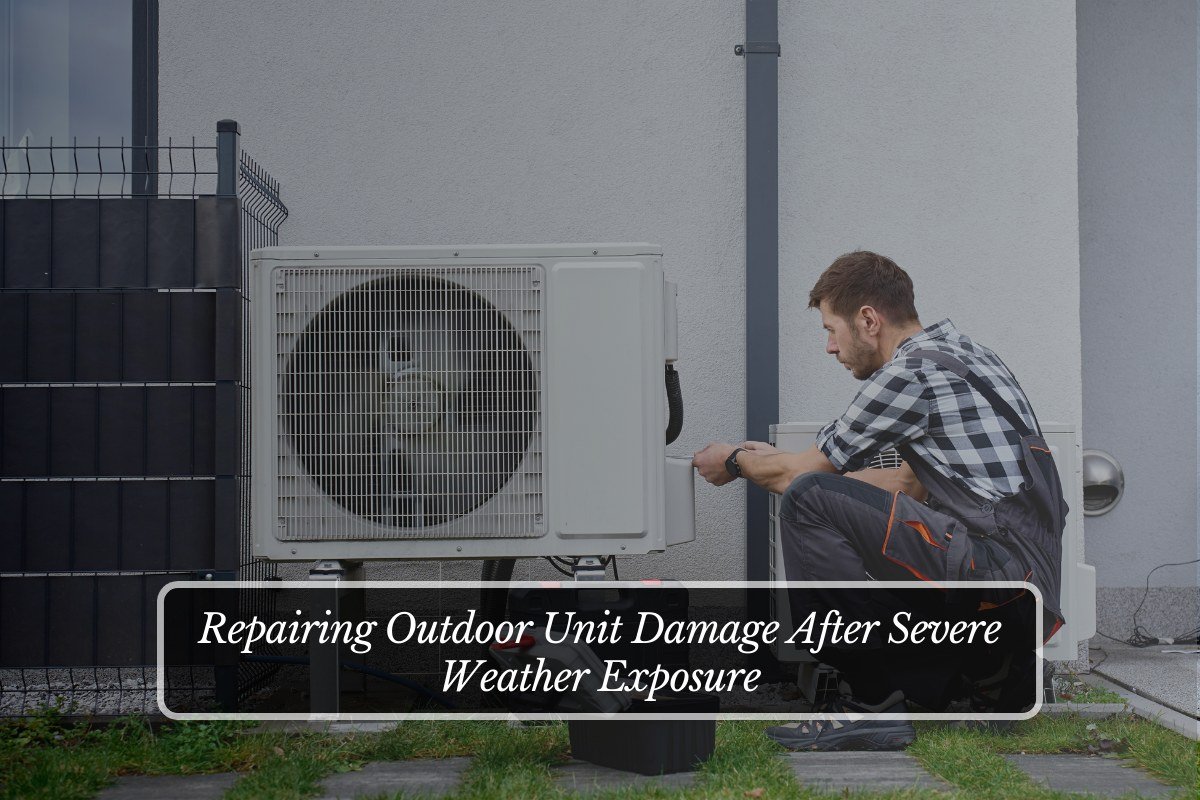
3. Condenser Unit Cleaning (Outdoor Unit)
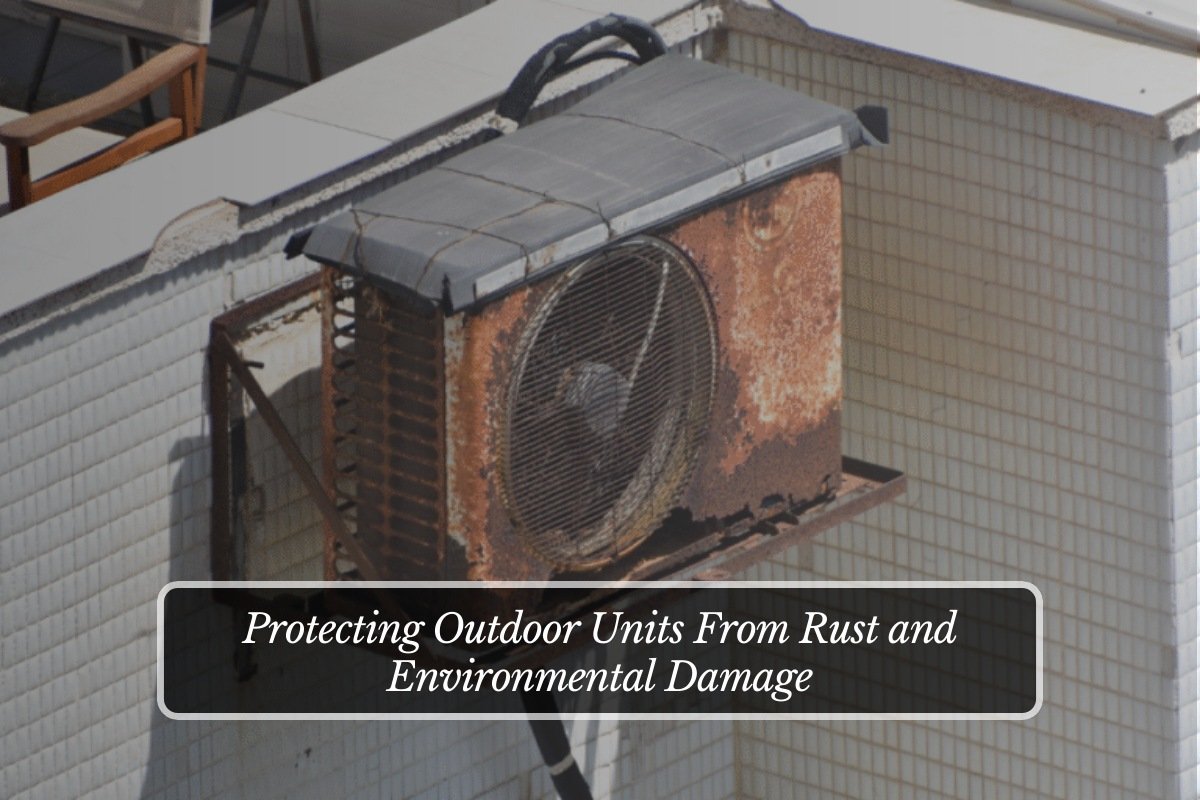
The condenser releases heat outside. During summer, it accumulates dust, leaves, and debris.
Cleaning involves:
- Removing surrounding debris
- Washing condenser fins
- Checking fan operation
- Ensuring proper airflow clearance (2–3 feet)
A clean condenser prevents overheating and improves energy efficiency.
4. Drain Line and Drain Pan Cleaning
Clogged drain lines can cause water leaks and mold growth.
Seasonal service includes:
- Flushing drain lines
- Clearing blockages
- Inspecting for algae buildup
This prevents water damage and unpleasant odors.
5. Refrigerant Level Check
While not strictly cleaning, technicians often check refrigerant levels during seasonal service to ensure optimal cooling performance.
DIY vs Professional Cleaning
| Aspect | DIY Cleaning | Professional Service |
|---|---|---|
| Filter Cleaning | Easy | Included |
| Coil Cleaning | Limited access | Thorough deep cleaning |
| Electrical Inspection | Not recommended | Comprehensive |
| Refrigerant Check | Not possible | Included |
| Overall Efficiency | Moderate improvement | Maximum performance |
DIY maintenance helps, but professional servicing ensures complete system care.
Signs Your AC Needs Immediate Cleaning
- Weak airflow
- Higher electricity bills
- Musty odors
- Ice buildup on coils
- Uneven cooling
Ignoring these signs can lead to expensive repairs.
Benefits of Regular Seasonal Cleaning
- 10–20% improved energy efficiency
- Extended system lifespan
- Lower risk of breakdowns
- Better indoor air quality
- Consistent cooling performance
Preventive maintenance costs far less than major compressor replacement.
How Long Does AC Cleaning Take?
- Window AC: 45–90 minutes
- Split AC: 1–2 hours
- Central HVAC: 2–4 hours
Time varies based on system condition and size.
Cost Considerations
Prices vary depending on:
- System type
- Level of dirt accumulation
- Service provider
- Location
While seasonal cleaning requires upfront cost, it reduces long-term repair and energy expenses.
Tips to Maintain Cleanliness Between Services
- Clean filters monthly
- Keep outdoor unit area clear
- Close windows while AC runs
- Use exhaust fans to reduce humidity
- Schedule annual professional maintenance
Small routine steps greatly enhance performance.
FAQs
How often should an AC be professionally cleaned?
At least once per year, ideally before peak summer season.
Can dirty coils increase electricity bills?
Yes. Dirty coils reduce heat transfer efficiency, forcing the system to run longer.
Is filter cleaning enough for maintenance?
No. While important, full system cleaning includes coils, condenser, and drain lines.
Does seasonal cleaning extend AC lifespan?
Yes. Proper maintenance reduces strain on components and prevents premature failure.