Homeowners in the USA often overlook basic AC maintenance, leading to 20-30% efficiency losses and $200-500 higher annual bills per ENERGY STAR data, as dirty filters and neglected coils force units to overwork amid rising summer demands.
Common errors like ignoring annual tune-ups or blocking vents exacerbate wear, shortening lifespans from 15-20 years to under 10, while preventable issues like refrigerant mishandling spike repair costs. Proper habits restore peak SEER ratings, saving energy in hot climates from Florida to California.
Neglecting Air Filter Changes
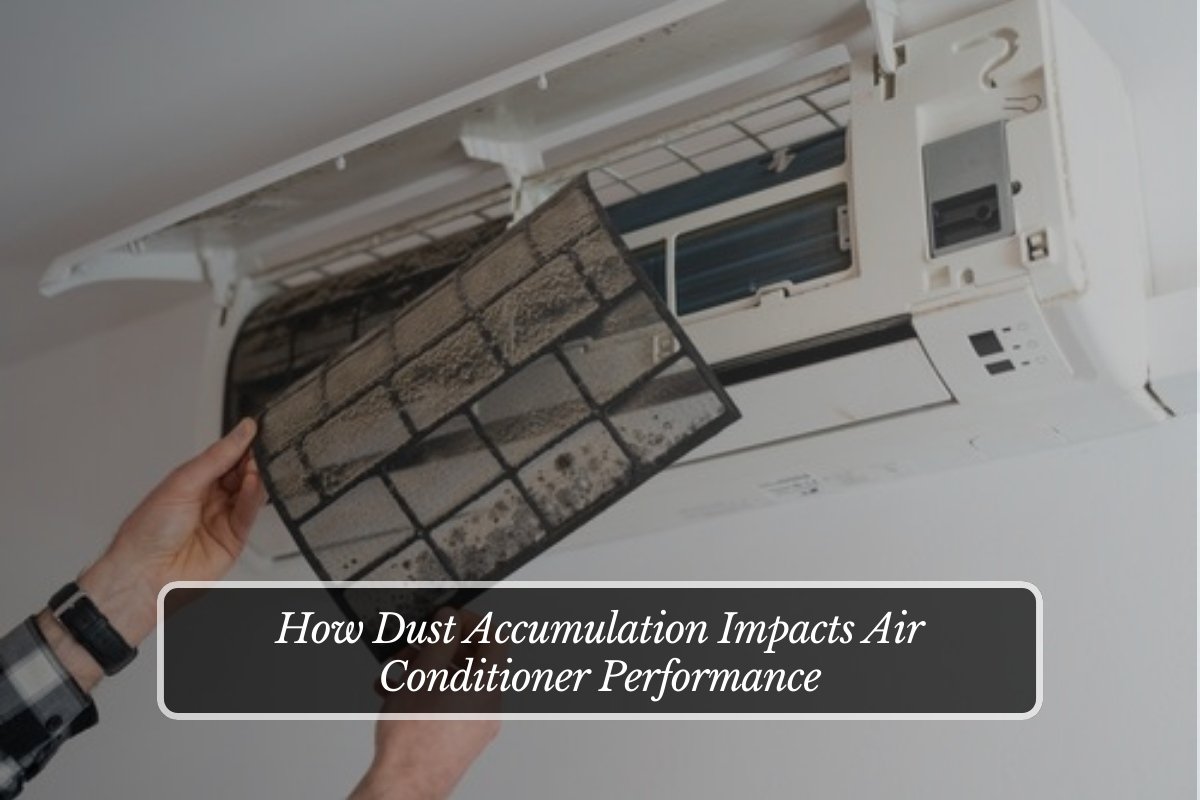
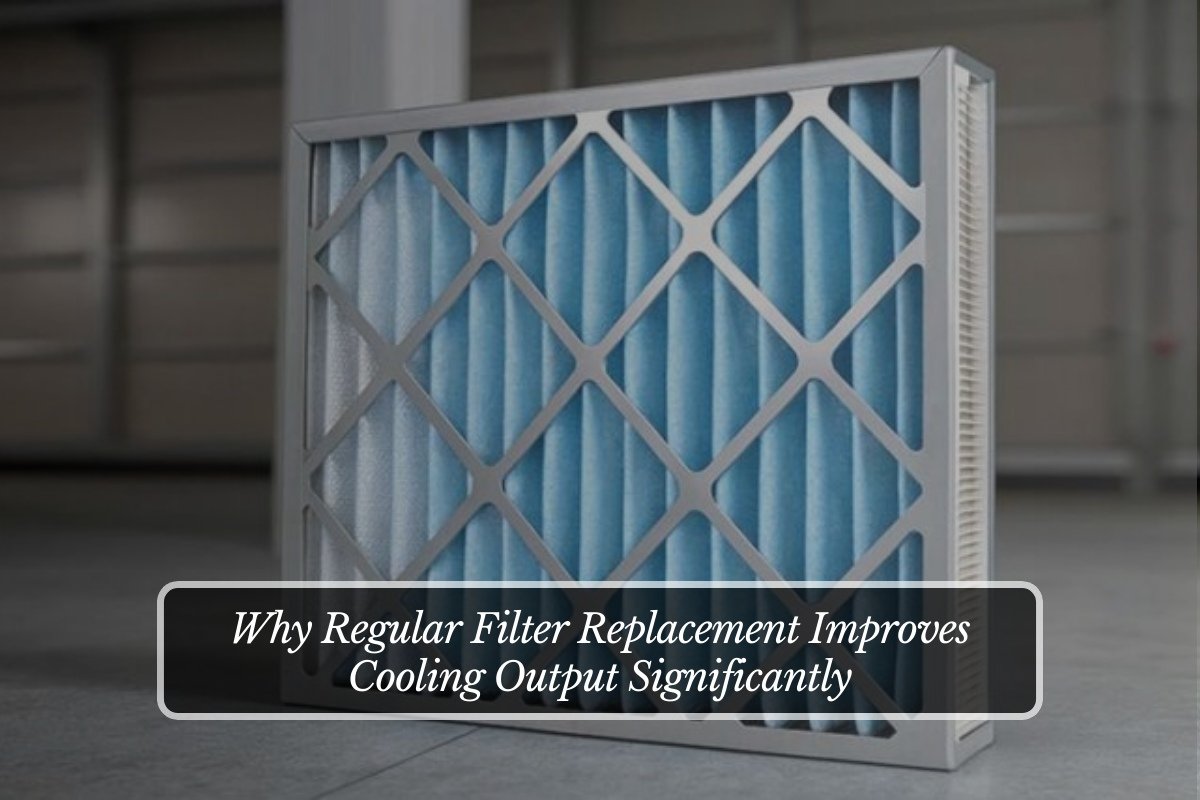
Dirty filters clog airflow by 15-50%, raising energy use 5-15% per DOE studies—replace every 1-3 months, more in dusty homes or with pets. Clogged filters strain blowers, overheating motors and freezing evaporator coils, cutting cooling by 20%. Check monthly via easy-access slots; use MERV 8-13 ratings for balance without restricting flow.
This simple swap prevents 75% of common breakdowns.
Ignoring Dirty Coils and Fins
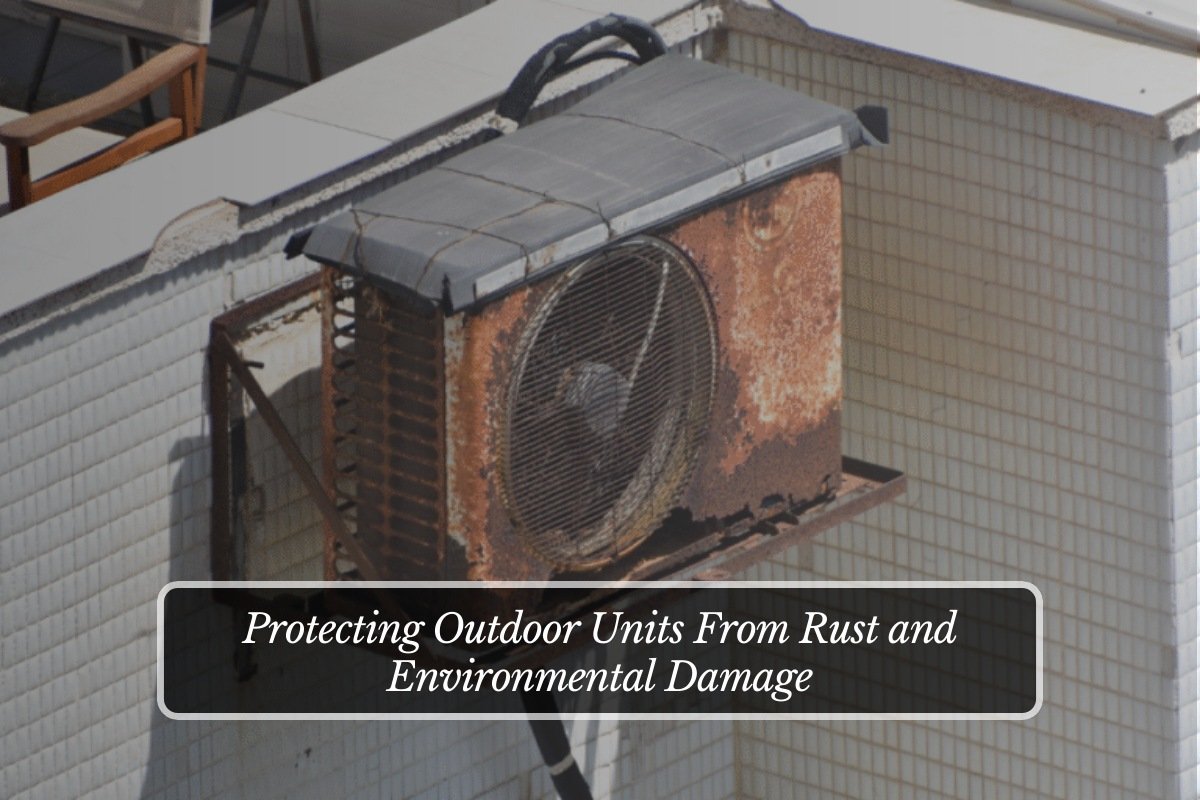
Evaporator/condenser coils accumulate dust/grime, reducing heat transfer 30%; clean annually or hire pros to avoid fin damage. Bent fins block 10-20% airflow—use fin combs gently. Neglect leads to icing and compressor failure, costing $1,500+.
Outdoor units need 2-foot clearance; hose gently yearly.
Skipping Professional Annual Tune-Ups
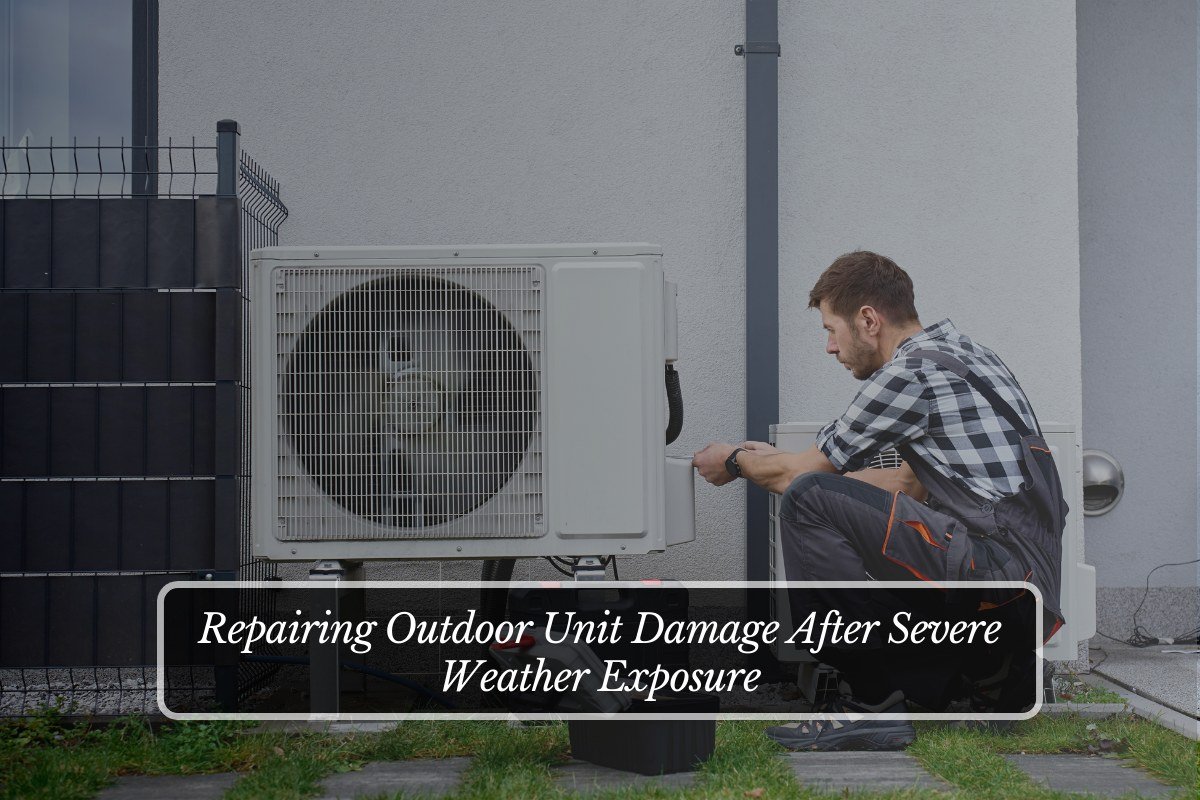
DIY misses refrigerant leaks (low charge drops efficiency 20-30%), electrical faults, or drainage clogs fostering mold. Pros check charge, lubricate parts, tighten connections—preventing 80% failures per HVAC reports. Schedule pre-summer in South, bi-annual North.
Visual inspections catch issues early, extending life 5+ years.
Blocking Vents and Restricting Airflow
Furniture/curtains over registers cut circulation 25%, uneven cooling strains systems. Keep doors open for return air flow; clean registers quarterly. Closed rooms disrupt balance, overcooling some areas.
Ceiling fans aid distribution, reducing AC load 10-15%.
Incorrect Thermostat Settings and Usage
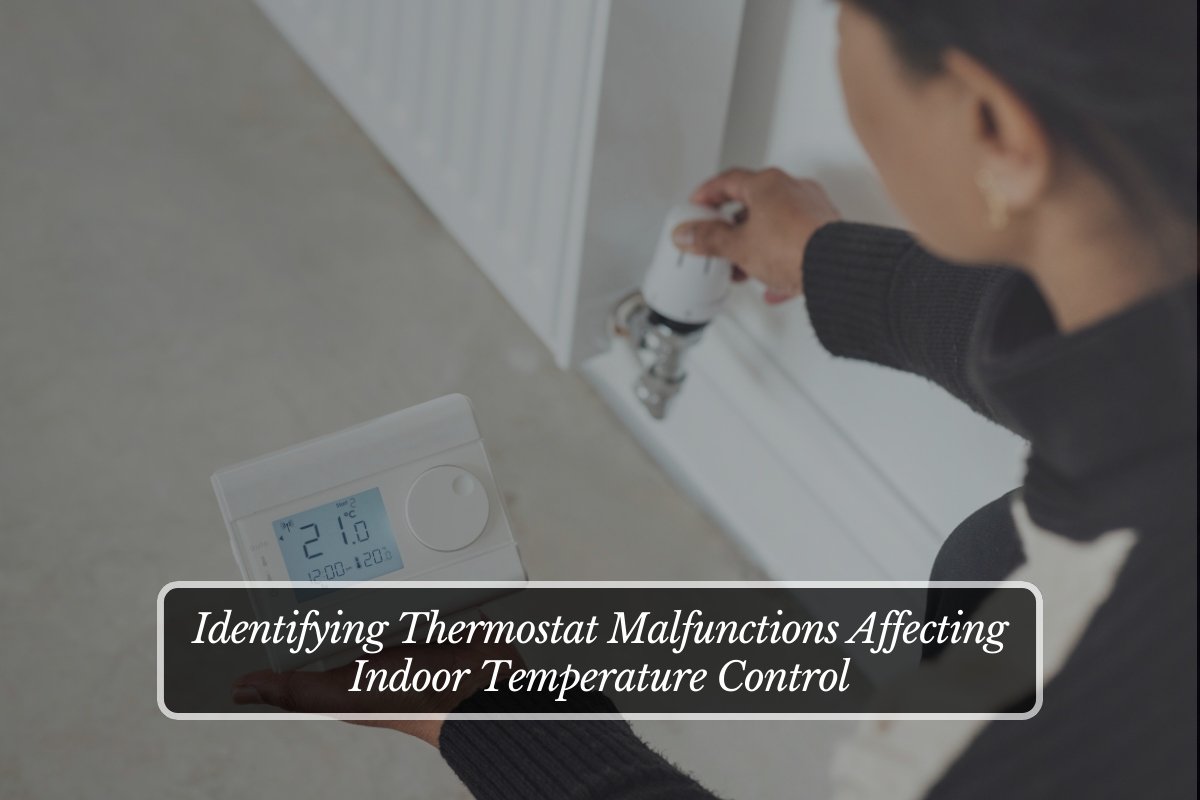
Setting below 78°F overworks units 20-40%; use programmable models (78°F day, 82°F away) saving 10% per degree. Avoid frequent changes causing short-cycling; locate away from sun/heat sources. Smart thermostats like Nest optimize via learning.
Consistency prevents 15% efficiency drops.
Overlooking Drainage and Refrigerant Issues
Clogged condensate lines breed bacteria, overflowing pans halt operation—flush monthly with bleach/water. Low refrigerant signals leaks, impairing cooling 25%; never add DIY, as it voids warranties. Pros detect via gauges.
Annual checks maintain pressure balance.
Ignoring Unusual Noises or Performance Drops
Rattles signal loose parts, grinding means bearing failure—address immediately to avoid $800 compressor swaps. Weak airflow or warm air indicates issues; log symptoms for techs. Delays compound damage 2-3x.
Early intervention cuts repair bills 50%.
FAQs
Q. Why change filters every 1-3 months?
Clogs reduce airflow 15-50%, spiking bills 5-15% and freezing coils; MERV 8-13 balances capture without strain per DOE.
Q. How do dirty coils impact efficiency?
Dust cuts heat transfer 30%, icing compressors; annual pro cleaning/fin straightening prevents $1,500 failures.
Q. What happens without annual tune-ups?
Misses leaks (20-30% loss), clogs, faults—80% preventable breakdowns; schedule pre-summer for longevity.
Q. Why avoid blocking vents/registers?
Reduces circulation 25%, uneven cooling strains 10-20%; clean quarterly, keep doors open.
Q. How do thermostat errors hurt ACs?
Low settings (<78°F) overwork 20-40%; programmable saves 10%/degree—away/sun placement optimizes.