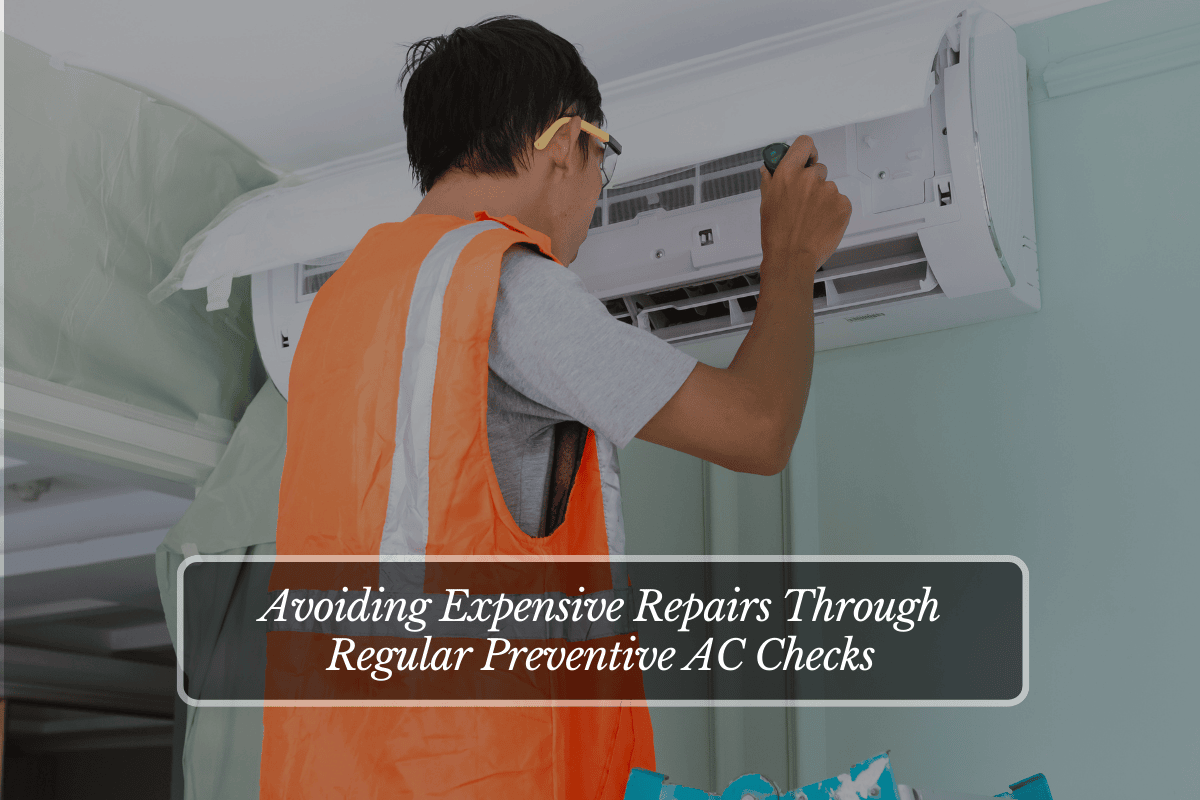
Regular preventive AC checks are a smart strategy for U.S. homeowners and commercial property managers to sidestep costly breakdowns and replacements. By catching small issues early, these checks can slash repair bills by up to 30% and extend system life by years.
Benefits of Preventive Checks
Preventive maintenance keeps AC units running efficiently, avoiding the surprise $5,000+ tab for a new compressor or full replacement. Systems with annual tune-ups use 10-15% less energy, trimming summer electric bills in hot states like Texas or Florida.
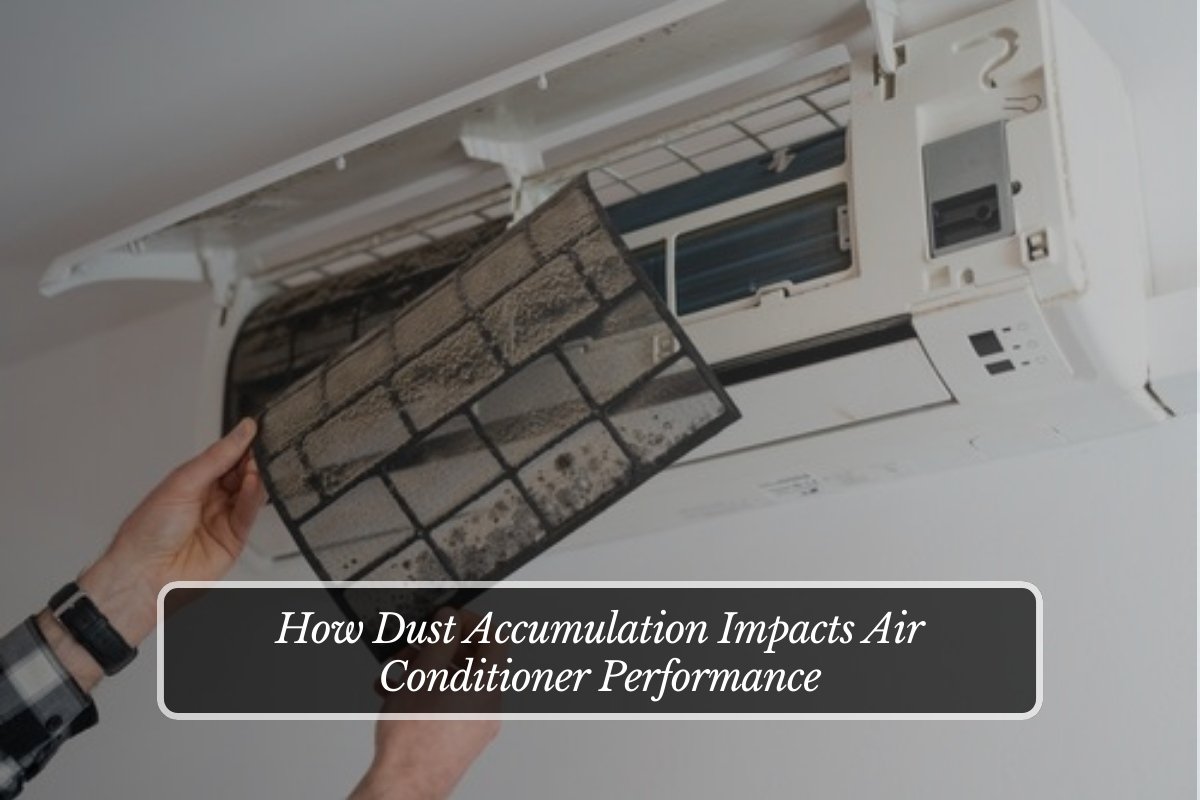
It also boosts indoor air quality by removing dust and mold from coils and filters, reducing allergy flare-ups and HVAC-related health calls. In commercial settings, reliable cooling prevents tenant complaints and lost productivity during heat waves.
Key Signs of Trouble to Spot Early
Homeowners should watch for weak airflow, unusual noises like grinding or hissing, or higher-than-normal energy use—these signal issues like dirty coils or low refrigerant that worsen fast. Thermostat struggles or hot spots in rooms often mean failing components begging for a check.
In commercial systems, monitor for icing on coils, frequent cycling, or rising humidity, which point to airflow blocks or sensor faults. Logging run times monthly helps baseline performance and flag deviations before they cascade into outages.
Essential Monthly DIY Checks
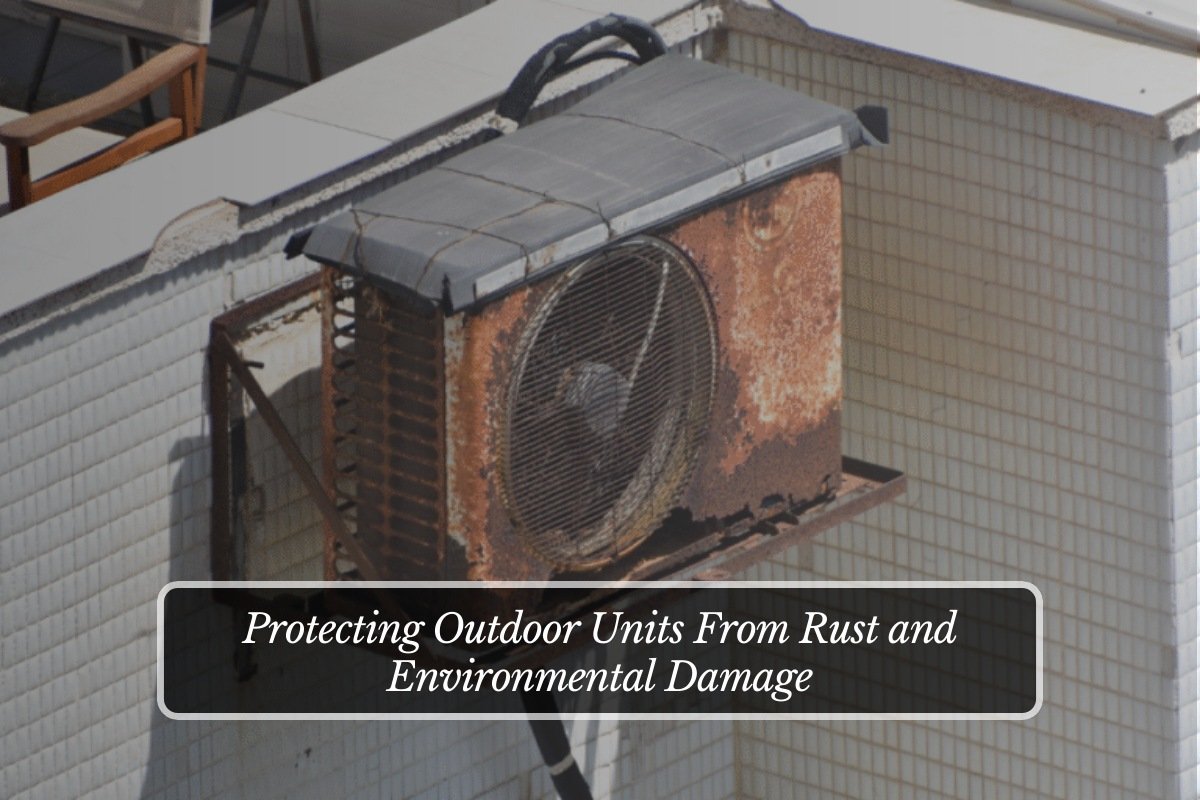
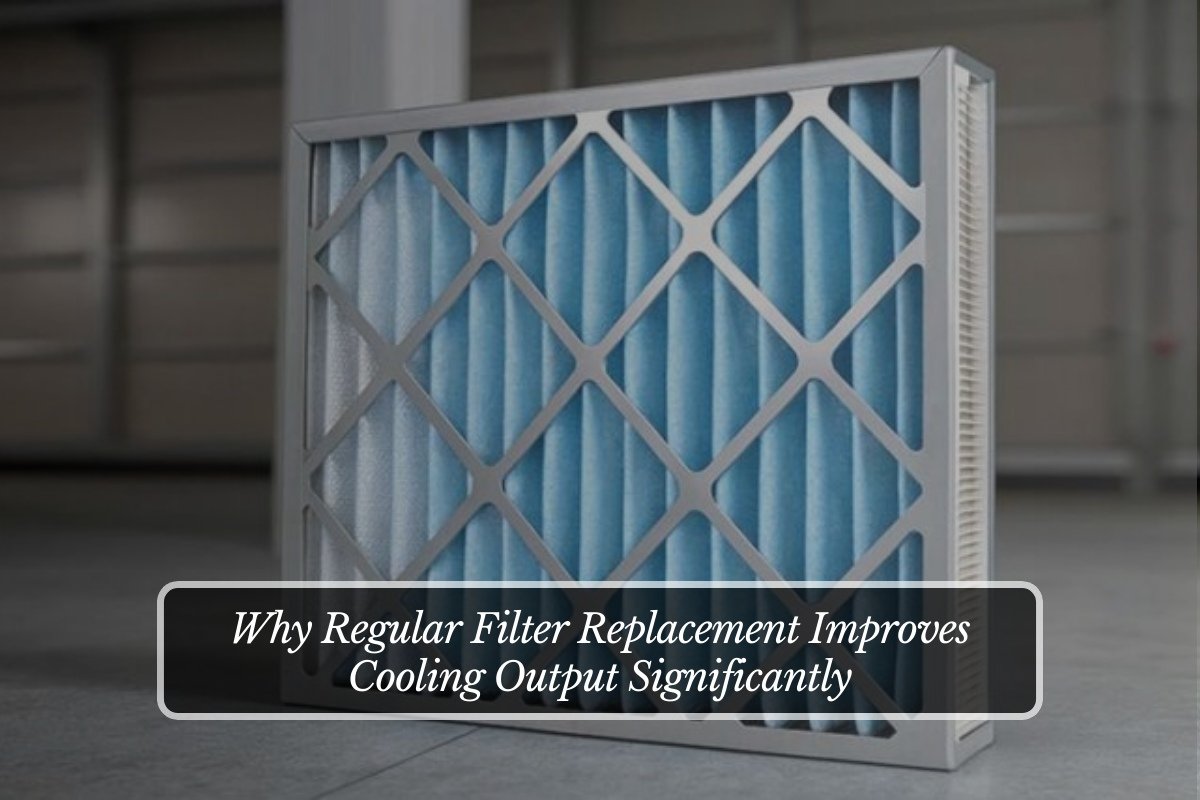
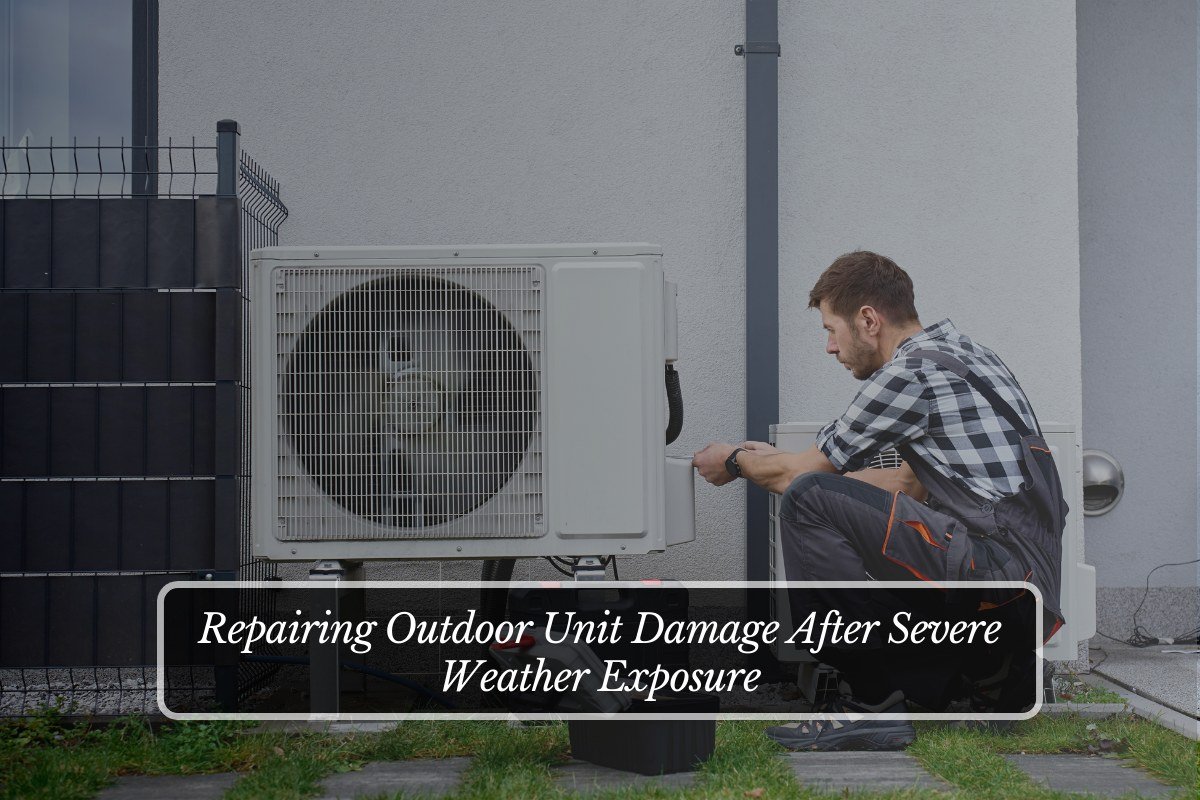
Start with simple tasks anyone can do: swap standard filters every 1-3 months (more in dusty areas) to prevent 15% efficiency drops from clogs. Clear debris around outdoor condensers and ensure 2 feet of clearance for airflow—overgrown shrubs alone spike energy use by 5-10%.
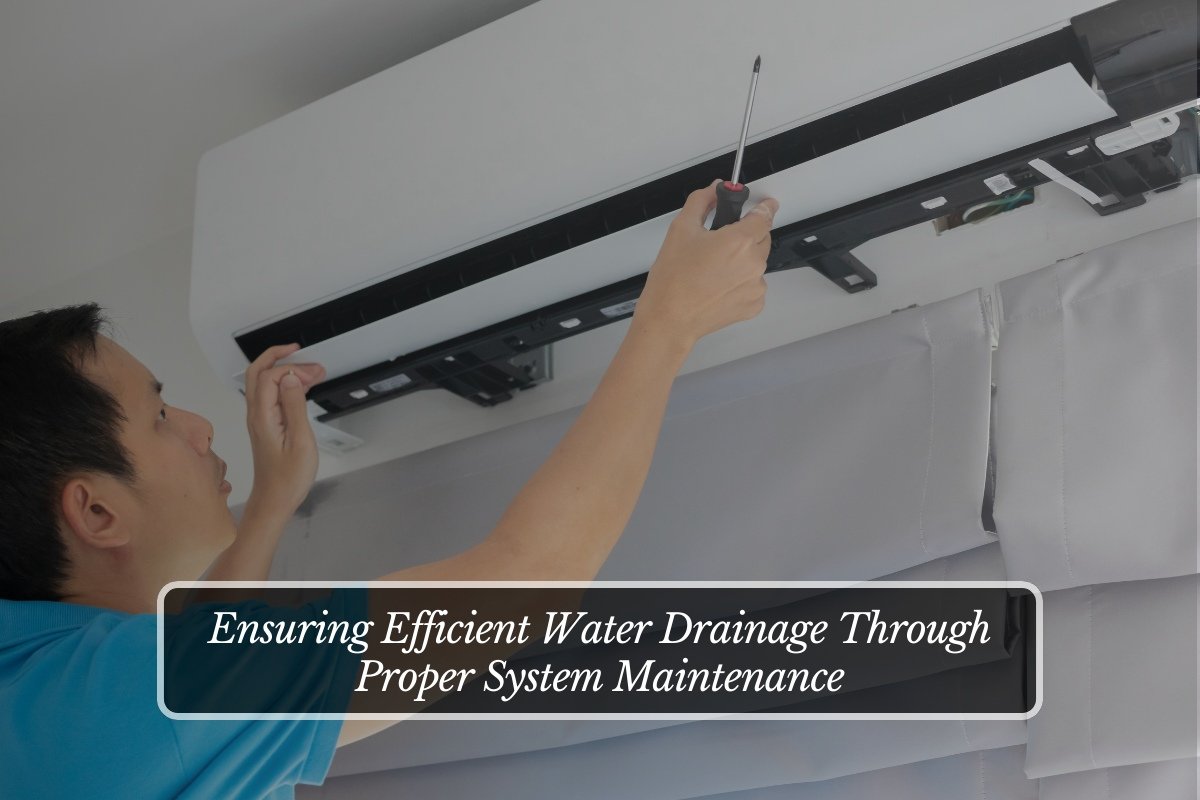
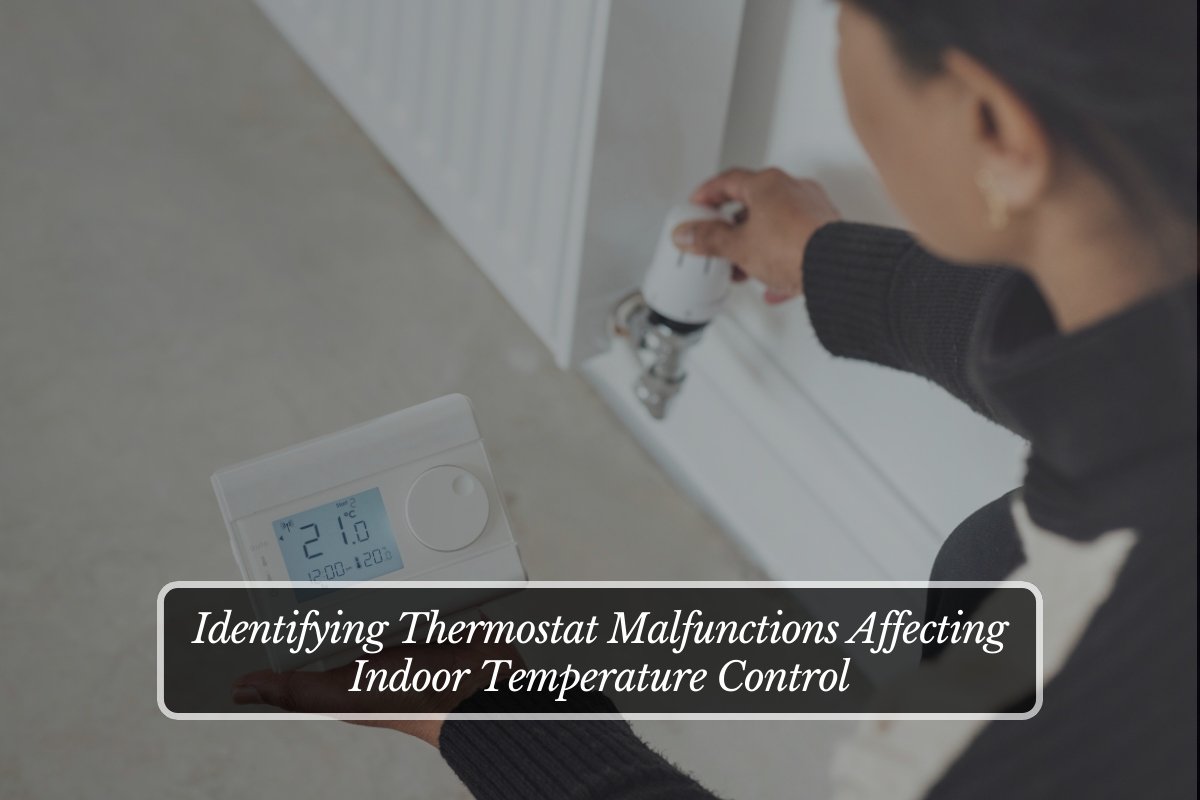
Check drain lines for clogs by flushing with a vinegar-water mix; backups cause water damage costing $1,000+. Test thermostats for accuracy with a separate thermometer and inspect visible insulation for wear.
Professional Semi-Annual Inspections
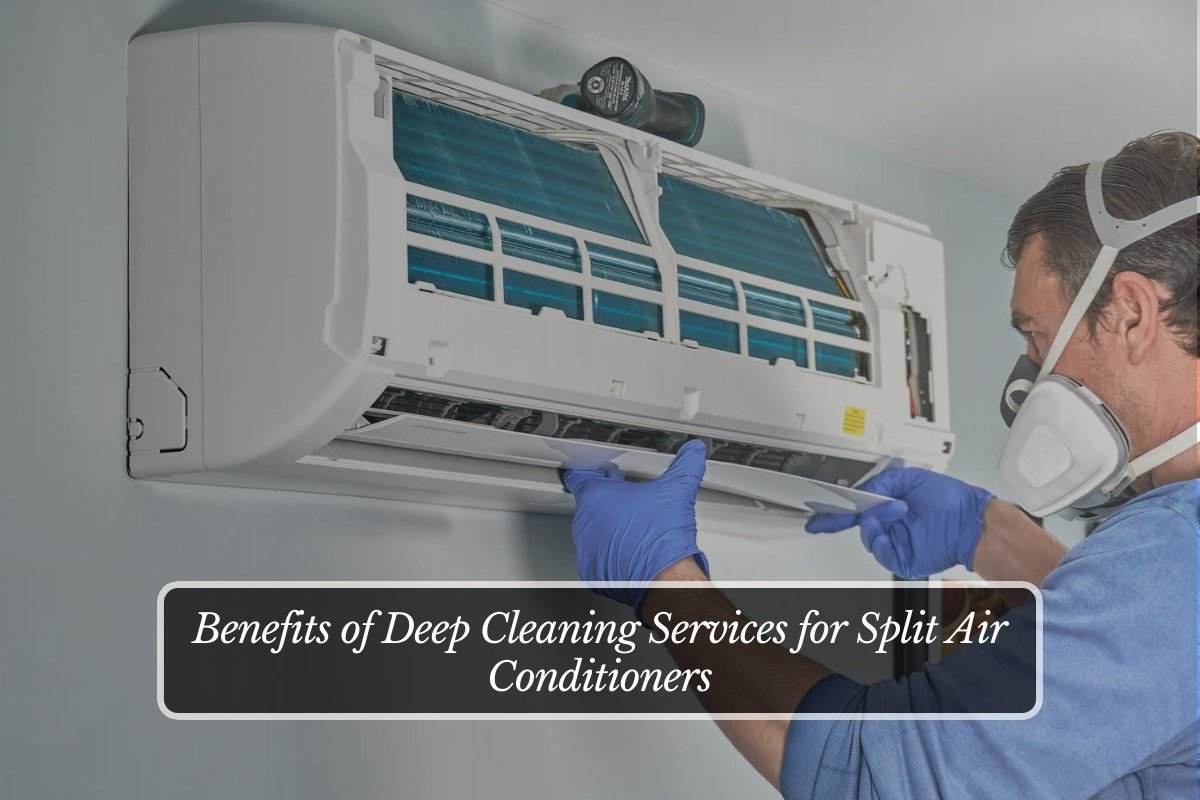
Book certified techs twice yearly—spring for cooling prep, fall for off-season tweaks. They clean evaporator/condenser coils (boosting efficiency 20-30%), check refrigerant levels, tighten electrical connections, and lubricate moving parts to avert motor burnout.
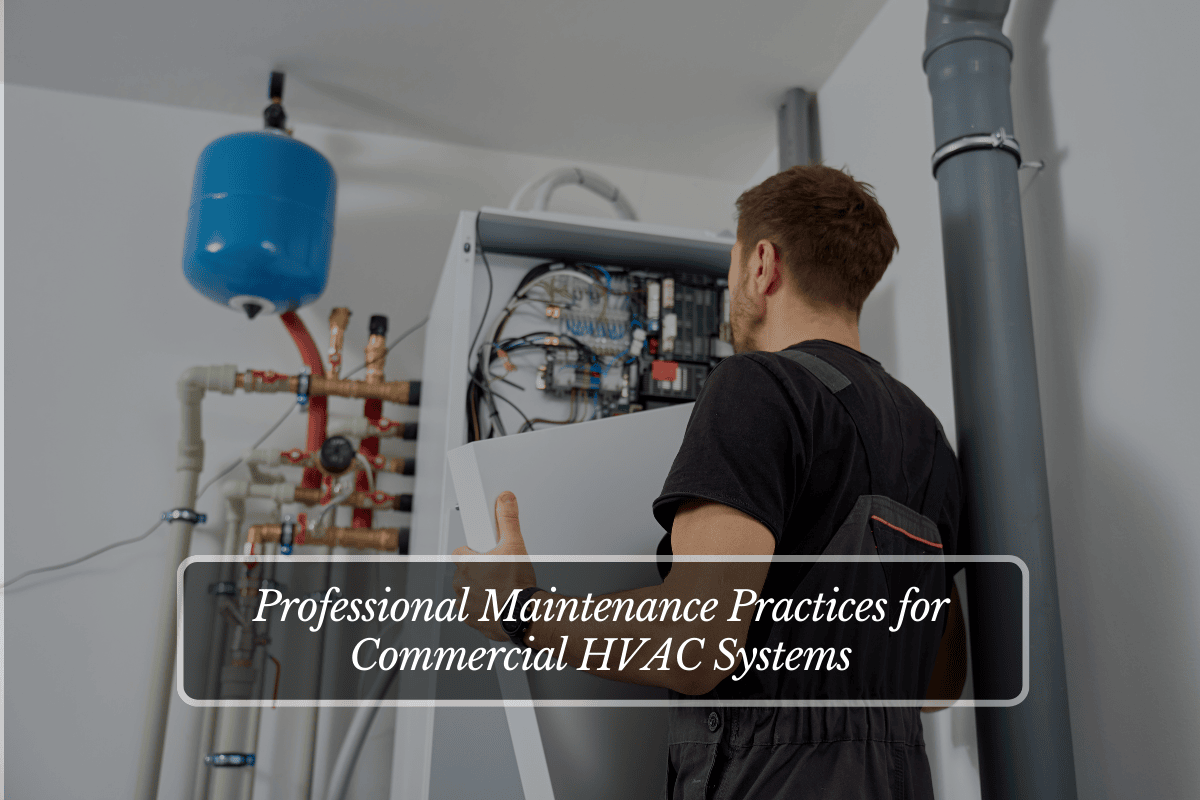
Expect tests for static pressure, temperature splits, and capacitor strength; weak spots get fixed before failure. For U.S. commercial sites, pros verify compliance with ASHRAE standards and EPA refrigerant rules.
Costs vs. Savings Breakdown
A basic home tune-up runs $75-200, while commercial visits hit $300-1,000 depending on system size—peanuts next to $3,000 compressor swaps or $10,000+ full installs. Preventive plans yield ROI in 1-2 years via 15% energy cuts and 80% fewer emergencies.
Insurance perks often include discounts for documented maintenance, and warranties stay valid only with proof of regular service. Track savings with before/after energy logs or apps like those from Energy Star.
Building Your Maintenance Schedule
Create a calendar: monthly DIY filters/drains, bi-annual pro visits, plus annual duct inspections for leaks (up to 30% air loss). Use reminders via apps or smart thermostats like Nest for consistency.
For businesses, integrate into CMMS software for work orders and trend analysis—spotting patterns like seasonal wear prevents repeats. Pair with zoning upgrades or variable-speed units for max prevention.
Long-Term System Longevity Tips
Upgrade old R-22 units to eco-friendly R-410A or newer by 2030 EPA deadlines to dodge phase-out costs. Insulate attics and seal ducts to cut load 20%, easing AC strain.
Smart sensors for remote monitoring flag issues 24/7, ideal for multi-site U.S. portfolios. Annual efficiency audits qualify for federal tax credits under the Inflation Reduction Act.
FAQ
1. How often should I schedule preventive AC maintenance?
Twice yearly for pros (spring/fall), plus monthly DIY checks like filters and drains—high-use homes or offices need quarterly pro visits.
2. What does a standard preventive AC check include?
Filter/coil cleaning, refrigerant top-off, electrical inspections, lubrication, drain clears, and performance tests like airflow and temps.
3. Can DIY checks really prevent major breakdowns?
Yes—regular filter changes and debris clearing avoid 70% of common failures like coil fouling or compressor overheat.
4. How much can preventive maintenance save on energy bills?
10-30% reductions typical, or $100-500 yearly for average U.S. homes, more for commercial spaces with 24/7 ops.
5. When should I call a pro instead of DIY?
For refrigerant work, electrical fixes, or noises/vibrations—licensed techs ensure safety and code compliance.