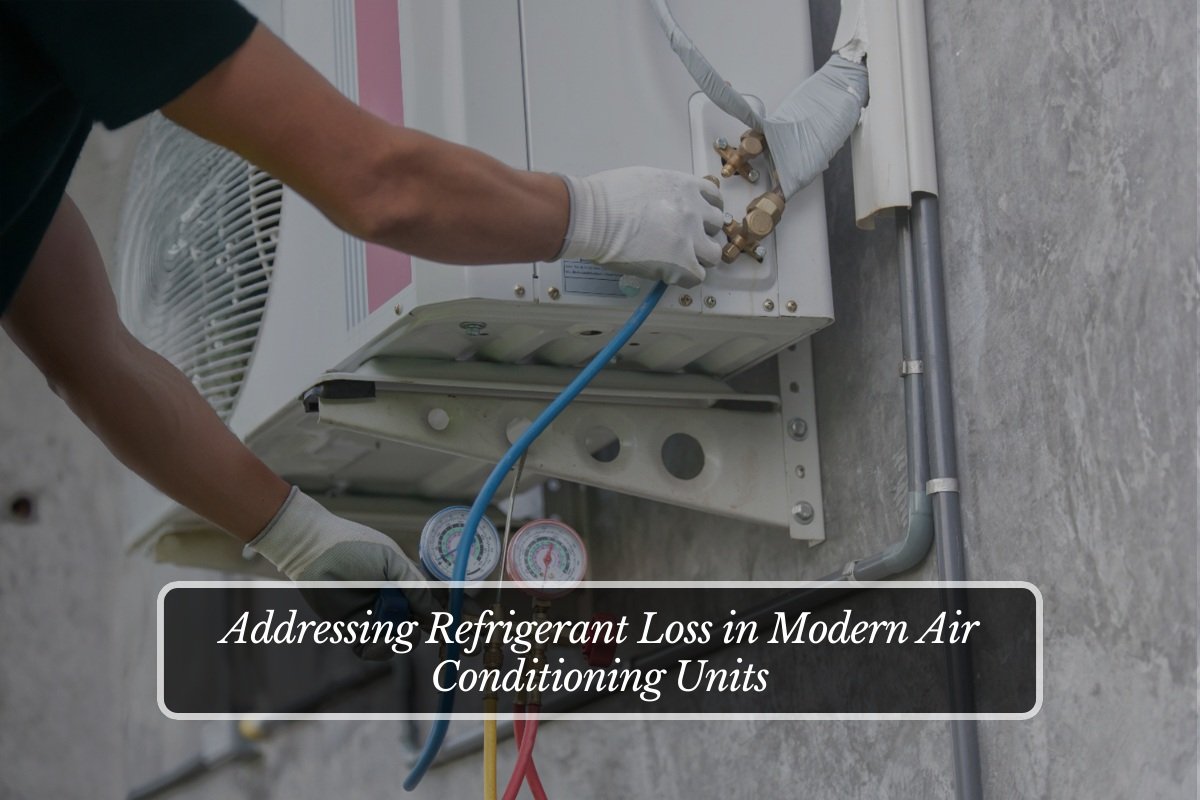
Refrigerant plays a critical role in the performance of modern air conditioning systems. It absorbs heat from indoor air and releases it outdoors, enabling effective cooling. When refrigerant levels drop due to leaks or system issues, cooling efficiency declines, energy consumption increases, and system components—especially the compressor—may suffer long-term damage.
Addressing refrigerant loss promptly is essential to restoring cooling performance, protecting equipment lifespan, and maintaining energy efficiency. This article explores the causes, symptoms, diagnostic methods, and repair solutions for refrigerant loss in modern air conditioning units.
The Role of Refrigerant in Cooling Systems
Refrigerant circulates through the evaporator, compressor, condenser, and expansion valve to complete the cooling cycle.
Key Refrigerant Functions
- Absorbs indoor heat in the evaporator
- Transfers heat to the condenser
- Maintains pressure balance within the system
- Supports consistent temperature regulation
Without proper refrigerant levels, the cooling cycle cannot function effectively.
Common Causes of Refrigerant Loss
Refrigerant does not get “used up” under normal operation. Loss typically indicates a leak or system fault.
Primary Causes
- Corrosion of copper lines
- Loose fittings or flare connections
- Damaged coils
- Faulty Schrader valves
- Manufacturing defects
- Improper installation
- Vibration-related wear
| Cause | Impact on System |
|---|---|
| Line Corrosion | Gradual refrigerant leakage |
| Loose Connections | Pressure loss |
| Coil Damage | Reduced cooling efficiency |
| Installation Errors | Persistent low refrigerant levels |
Identifying the source of the leak is crucial before recharging the system.
Signs of Refrigerant Loss
Recognizing early warning signs helps prevent major damage.
Common Symptoms
- Weak or insufficient cooling
- Longer cooling cycles
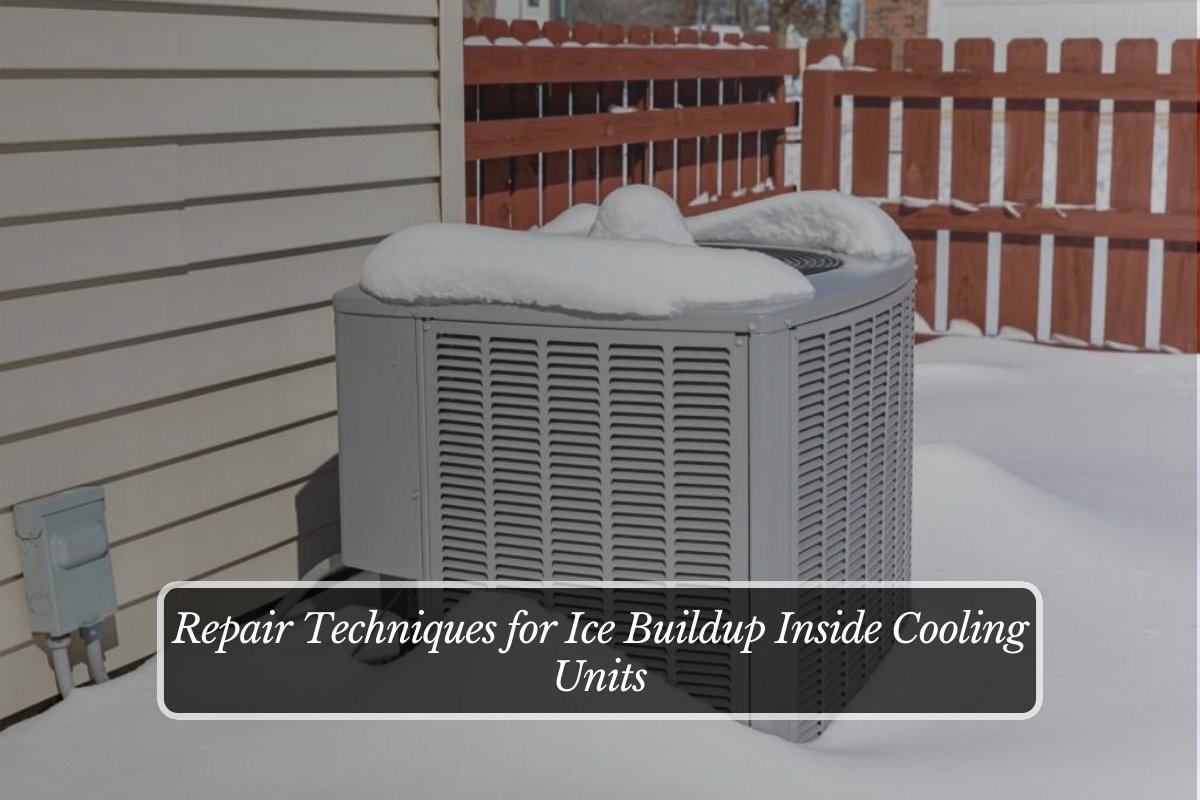
- Ice buildup on evaporator coils
- Hissing or bubbling sounds
- Increased energy bills
- Compressor overheating
Low refrigerant levels force the compressor to work harder, increasing strain and risk of failure.
Diagnostic Procedures
Proper diagnosis ensures accurate repair and prevents repeated issues.
Diagnostic Steps
- Measure system pressure using manifold gauges
- Inspect coils and refrigerant lines
- Perform electronic leak detection
- Use UV dye testing
- Check temperature differential across coils
| Diagnostic Tool | Purpose |
|---|---|
| Manifold Gauge Set | Measures system pressure |
| Electronic Leak Detector | Identifies leak location |
| UV Dye | Confirms small leaks |
| Thermal Sensors | Detects abnormal cooling performance |
Professional HVAC technicians use specialized tools to pinpoint refrigerant leaks accurately.
Repairing Refrigerant Leaks
Recharging refrigerant without fixing the leak is only a temporary solution.
Repair Solutions
- Tighten or replace loose fittings
- Repair or replace damaged copper lines
- Replace corroded coils
- Replace faulty valves
- Seal minor leaks with approved sealants
Once repairs are completed, the system must be evacuated and properly recharged according to manufacturer specifications.
Recharging the System Properly
Correct refrigerant charging is essential for optimal performance.
Recharging Best Practices
- Follow manufacturer refrigerant specifications
- Use accurate refrigerant weight measurements
- Avoid overcharging or undercharging
- Perform vacuum evacuation before recharge
- Verify operating pressures after charging
Improper charging can cause performance inefficiencies or further damage.
Environmental and Regulatory Considerations
Modern air conditioning units use environmentally regulated refrigerants such as R-410A or newer low-global-warming-potential (GWP) alternatives.
Compliance Requirements
- Proper refrigerant recovery during servicing
- Certified technician handling
- EPA-compliant disposal procedures
- Accurate service documentation
Environmental regulations require safe handling to prevent atmospheric release.
Preventive Maintenance to Avoid Refrigerant Loss
Routine maintenance reduces the likelihood of refrigerant leaks.
Preventive Measures
- Annual HVAC inspections
- Cleaning evaporator and condenser coils
- Inspecting refrigerant lines for corrosion
- Checking pressure levels regularly
- Securing line insulation
- Monitoring vibration levels
Regular maintenance ensures system longevity and consistent performance.
Impact on Energy Efficiency
Refrigerant loss directly affects energy consumption.
Efficiency Consequences
- Increased compressor workload
- Extended run times
- Higher electricity bills
- Reduced cooling capacity
| Refrigerant Condition | Energy Impact |
|---|---|
| Proper Charge | Optimal efficiency |
| Undercharged | Increased energy usage |
| Overcharged | Reduced cooling efficiency |
Maintaining correct refrigerant levels ensures cost-effective operation.
When to Consider System Replacement
In some cases, repairing refrigerant leaks may not be cost-effective.
Replacement Indicators
- Repeated leak occurrences
- Severely corroded coils
- Outdated refrigerant types
- High repair costs relative to unit age
- Frequent compressor failures
Older systems may benefit from upgrading to energy-efficient units using modern refrigerants.
Restoring Cooling Performance
After repairs and recharge, performance verification is critical.
Post-Repair Testing
- Confirm pressure readings
- Measure supply and return air temperatures
- Test thermostat operation
- Monitor system cycling
- Check airflow performance
These steps ensure restored cooling capacity and stable operation.
FAQs
Q. What causes refrigerant loss in air conditioning systems?
Refrigerant loss typically occurs due to leaks caused by corrosion, loose connections, damaged coils, or installation issues.
Q. Can refrigerant be refilled without fixing the leak?
No, simply refilling refrigerant without repairing the leak will result in continued loss and potential compressor damage.
Q. How do I know if my AC has low refrigerant?
Signs include weak cooling, ice on coils, longer run times, higher energy bills, and unusual hissing sounds.
Q. Is handling refrigerant regulated?
Yes, refrigerant handling must comply with environmental regulations and should be performed by certified technicians.
Q. Does low refrigerant damage the compressor?
Yes, low refrigerant increases compressor workload, leading to overheating and potential mechanical failure.