Regular maintenance is essential to keep split and window air conditioners operating efficiently, reliably, and safely. Without proper care, air conditioners consume more electricity, provide uneven cooling, and are more likely to fail during peak summer months. By following best maintenance practices, homeowners can extend equipment lifespan, improve indoor air quality, and reduce energy costs.
Understanding Split and Window Air Conditioners
Split air conditioners consist of an indoor unit and an outdoor condenser, offering quiet operation and efficient cooling for larger spaces. Window air conditioners are self-contained units installed in windows or walls, commonly used for single rooms. While their designs differ, both systems rely on clean airflow, proper heat exchange, and stable electrical performance to function effectively.
Maintenance needs overlap in many areas, but split systems require additional attention to outdoor components and refrigerant lines.
Cleaning or Replacing Air Filters Regularly
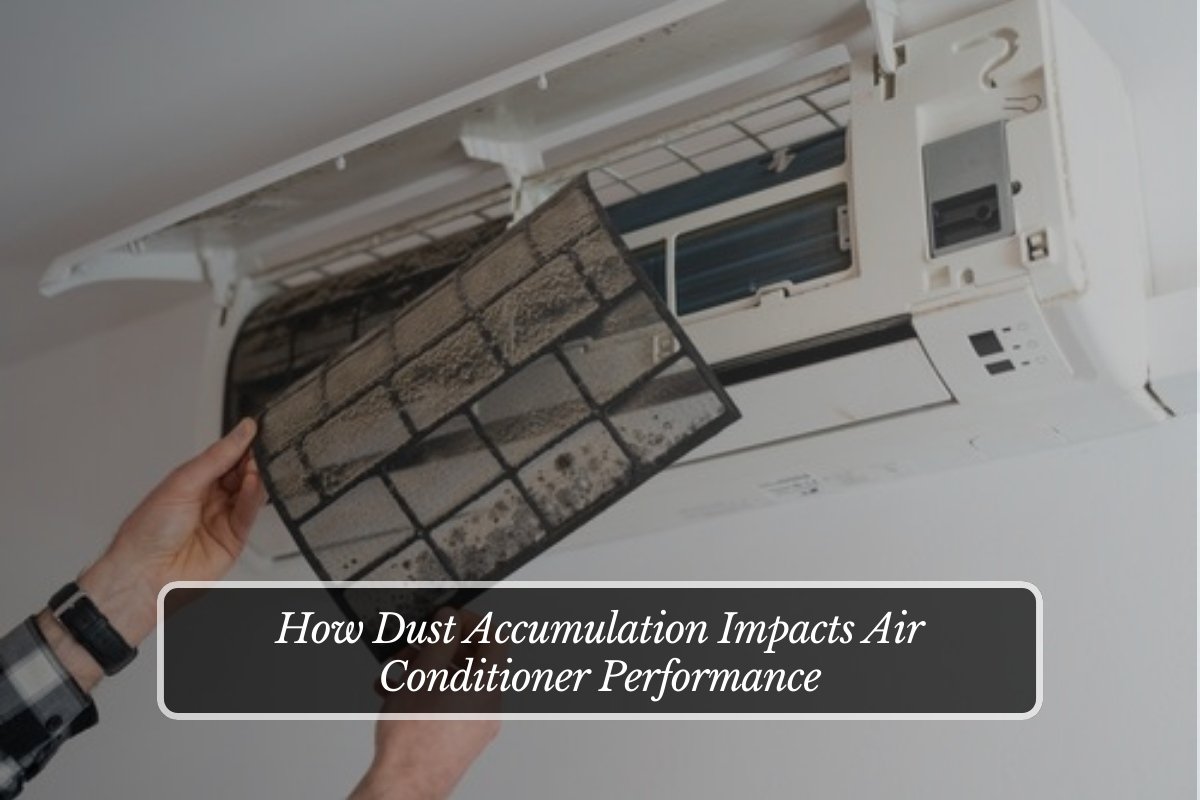
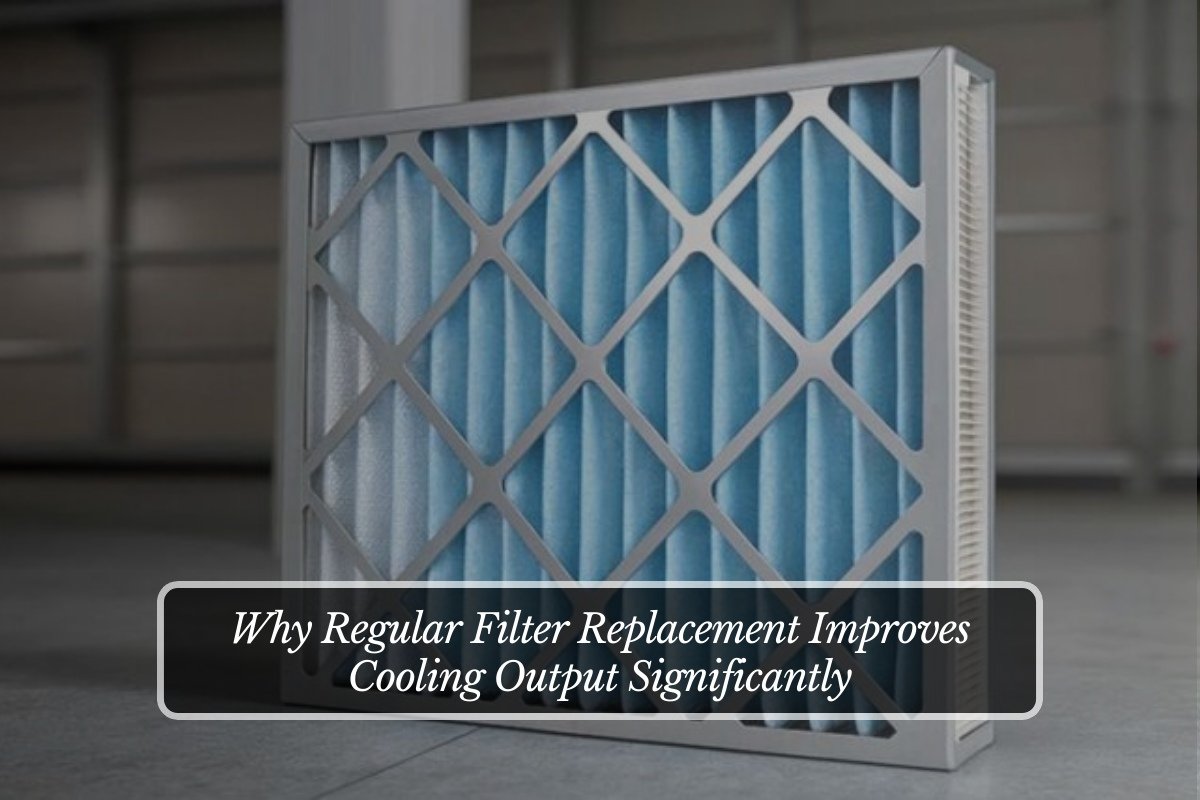
Air filters are the most critical maintenance component for both split and window air conditioners. Dirty filters restrict airflow, reduce cooling efficiency, and force the system to work harder. This leads to higher energy consumption and increased wear on internal components.
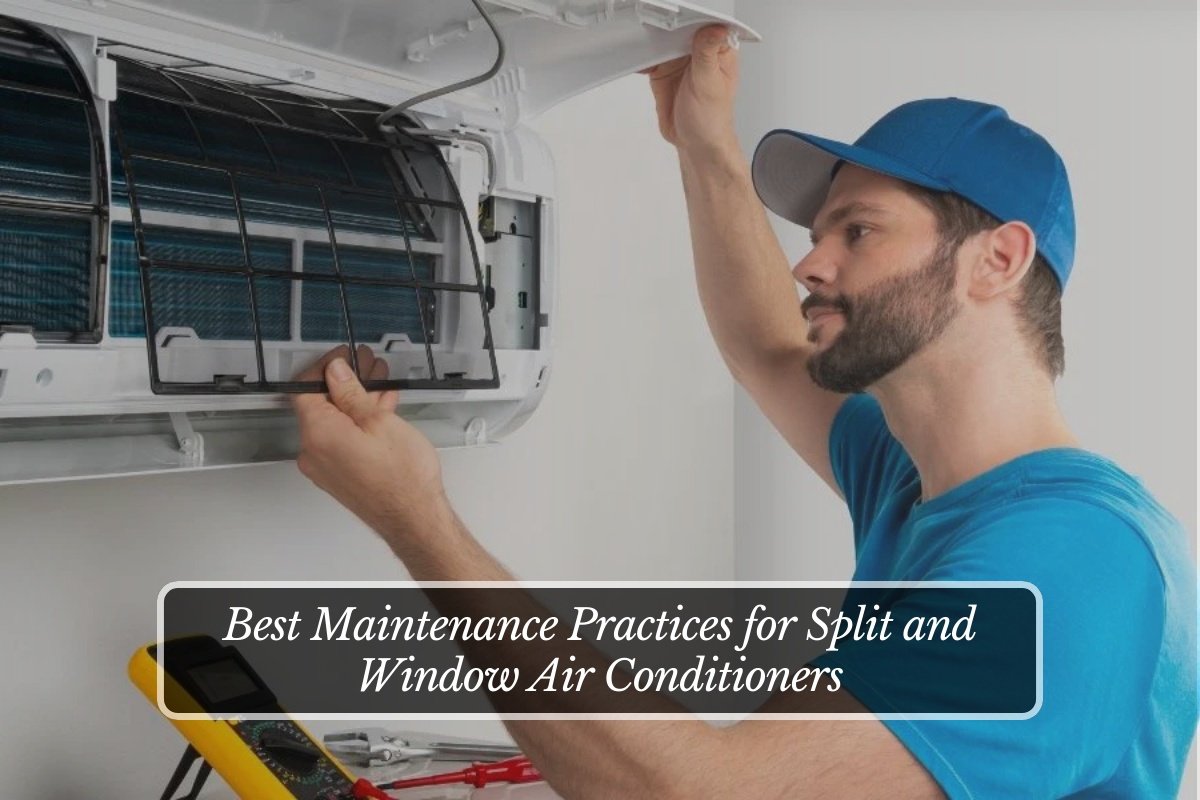
Filters should be cleaned every two to four weeks during heavy use. In dusty environments or homes with pets, more frequent cleaning may be necessary. Some filters are disposable and should be replaced according to manufacturer recommendations.
Keeping Indoor Units Clean and Unobstructed
Dust and dirt accumulate on evaporator coils, air vents, and louvers over time. For split air conditioners, the indoor unit should be gently cleaned to remove surface dust. Window units also require cleaning of front grills and air outlets.
Furniture, curtains, or objects should not block airflow. Clear air circulation ensures even cooling and prevents the system from overheating or short-cycling.
Maintaining the Outdoor Condenser (Split ACs)
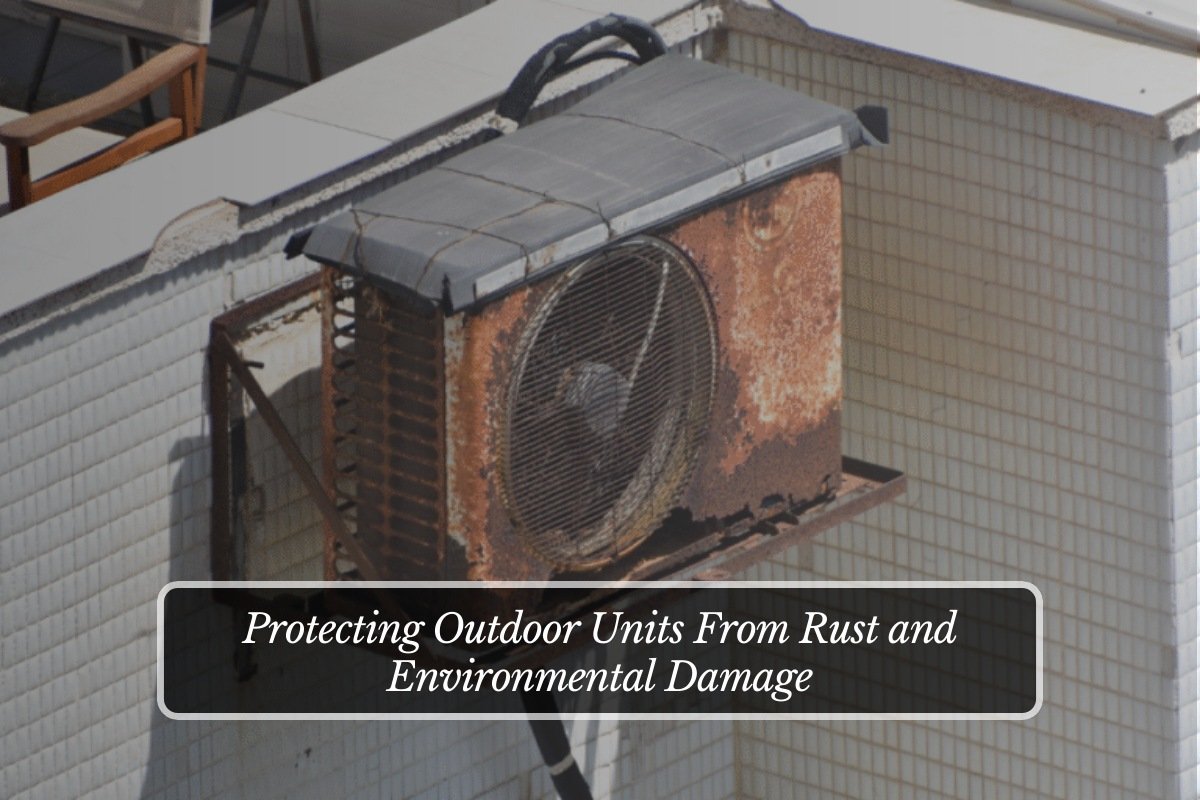
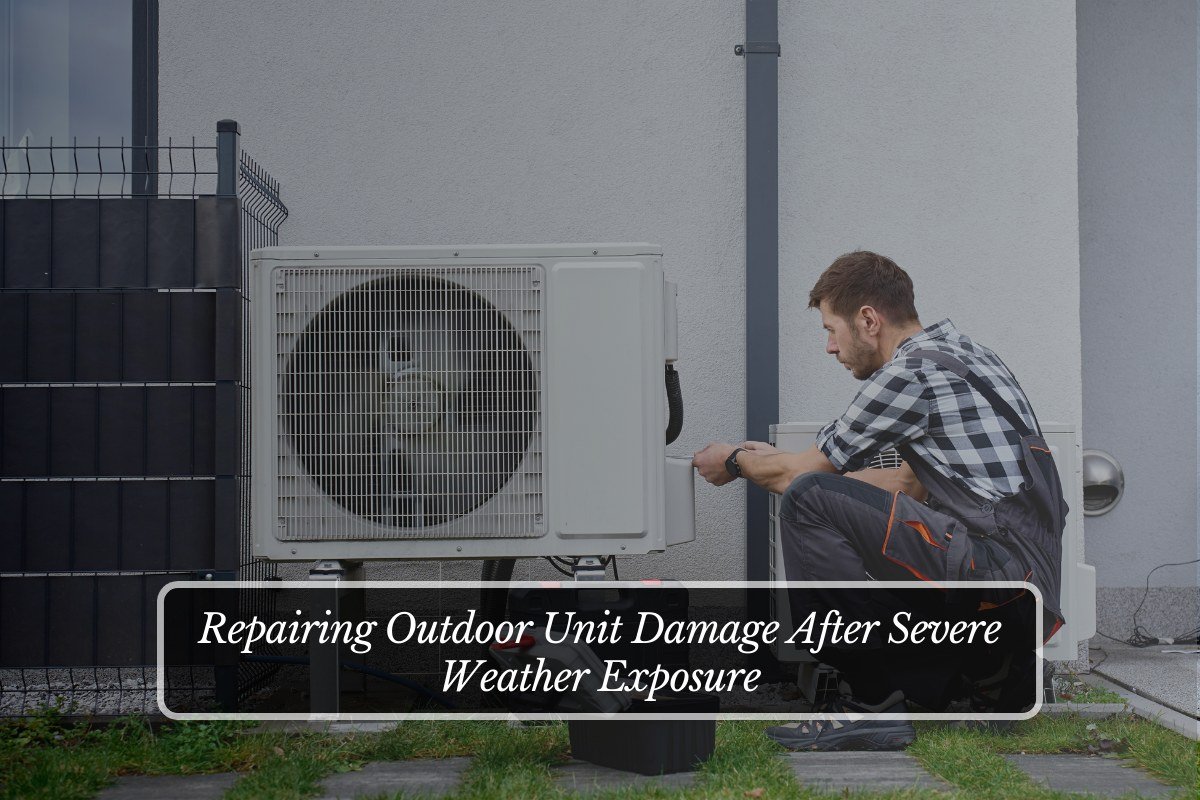
The outdoor unit of a split air conditioner plays a vital role in heat dissipation. Dirt, leaves, and debris can obstruct airflow around the condenser, reducing efficiency. The area around the unit should be kept clear, with at least a few feet of open space.
Periodic cleaning of condenser fins using low-pressure water helps remove dust buildup. Bent fins should be straightened carefully to restore airflow. Professional servicing is recommended for deeper cleaning and inspection.
Checking Drainage and Preventing Water Leaks
Both split and window air conditioners produce condensation that must drain properly. Clogged drain lines can cause water leakage, unpleasant odors, and mold growth.
Drain pipes should be inspected and cleaned periodically to ensure smooth water flow. Any signs of leakage or moisture around the unit should be addressed promptly to prevent damage to walls and flooring.
Monitoring Cooling Performance and Unusual Sounds
Changes in cooling performance often signal maintenance issues. Reduced cooling, longer run times, or uneven temperatures may indicate dirty coils, low refrigerant, or airflow problems.
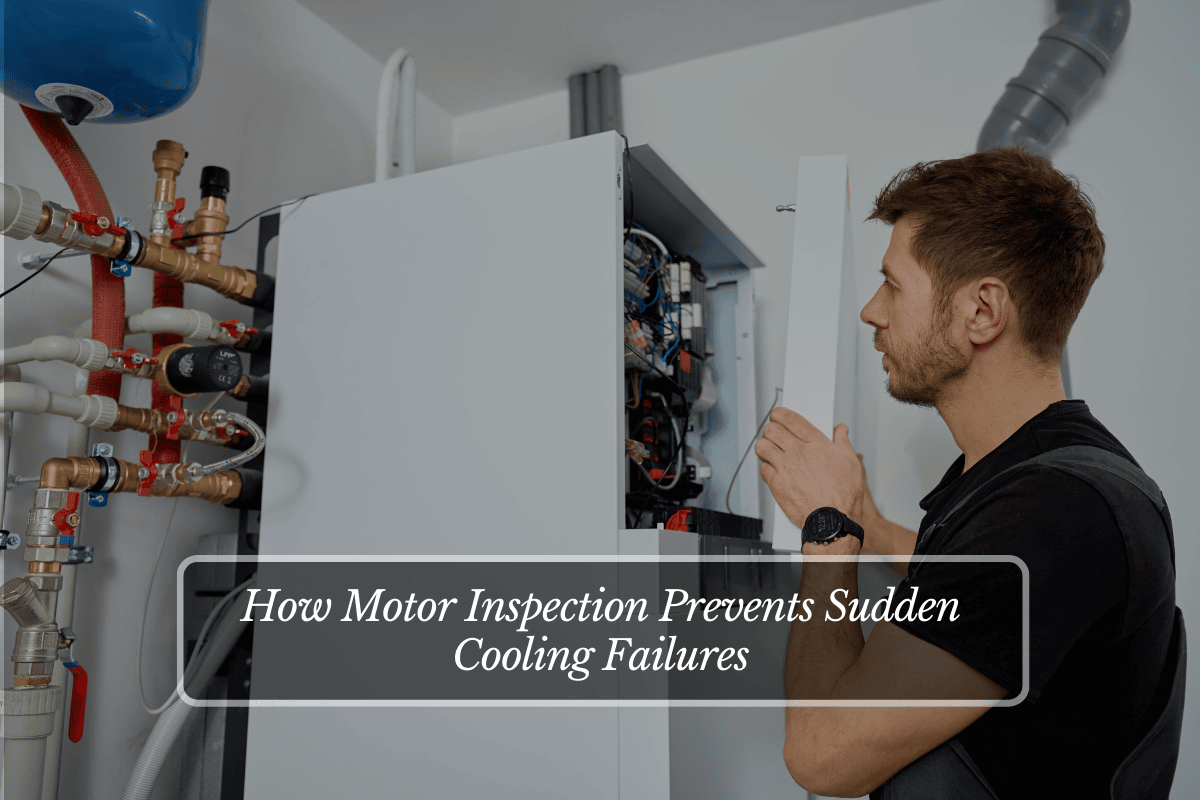
Unusual noises such as rattling, buzzing, or grinding should never be ignored. These sounds may point to loose parts, fan issues, or motor strain. Early attention prevents minor issues from becoming costly repairs.
Electrical and Thermostat Checks
Loose electrical connections, worn cables, or unstable power supply can affect air conditioner performance and safety. Periodic inspection of plugs, switches, and power cords is important, especially for window units.
Thermostats should be checked for accuracy. Incorrect readings can cause overcooling or inefficient operation. Smart or programmable thermostats can further optimize performance when properly maintained.
Scheduling Professional Servicing
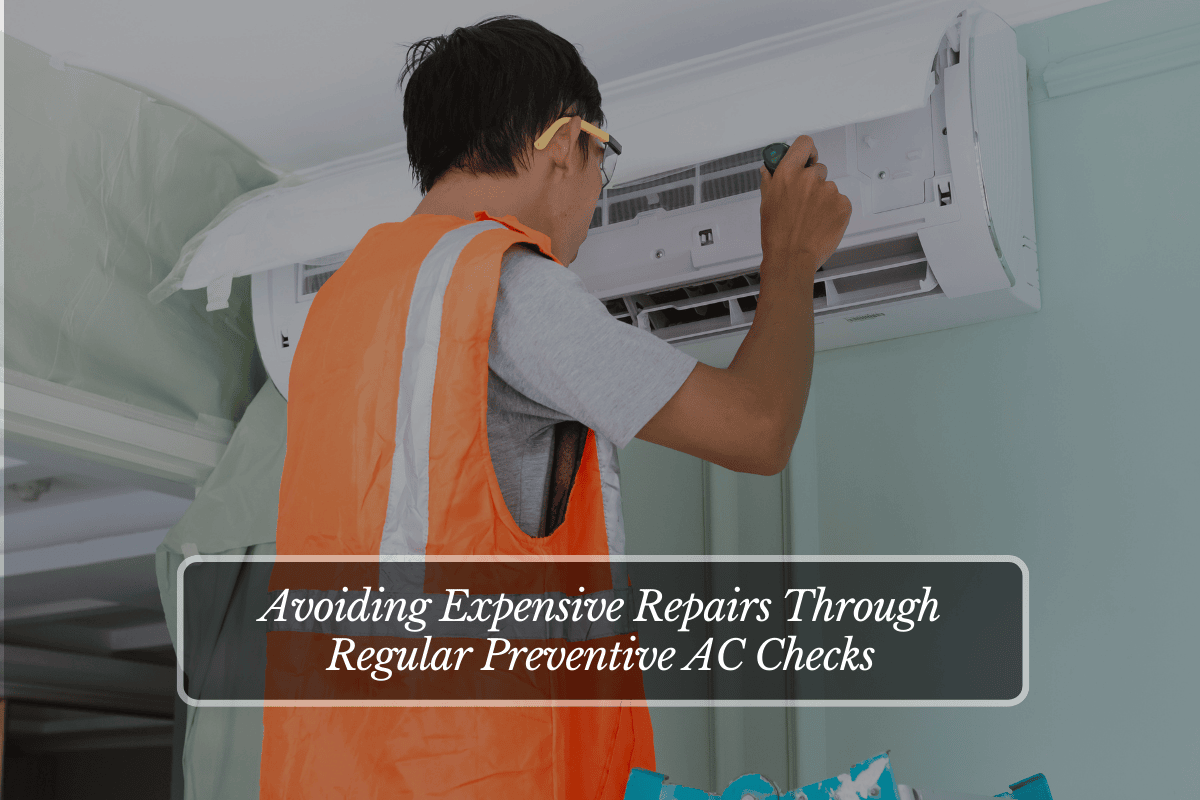
While routine cleaning can be done by homeowners, professional servicing at least once a year is strongly recommended. Technicians inspect refrigerant levels, test electrical components, clean internal coils, and identify hidden issues.
Professional maintenance ensures peak efficiency, maintains warranty validity, and reduces the risk of breakdowns during extreme weather.
Seasonal Care and Off-Season Maintenance
Before peak summer use, air conditioners should be thoroughly cleaned and tested. At the end of the season, window units can be covered or removed to protect them from dust and weather exposure.
Split AC outdoor units should be shielded from debris without restricting airflow. Off-season care helps preserve components and reduces startup problems the following year.
FAQs
How often should air conditioner filters be cleaned?
Filters should be cleaned every two to four weeks during regular use, or more often in dusty environments.
Can poor maintenance increase electricity bills?
Yes, dirty filters and coils force the system to work harder, significantly increasing energy consumption.
Is professional servicing really necessary?
Yes, professional servicing helps detect hidden issues, maintain efficiency, and extend the system’s lifespan.
Why does my AC leak water?
Water leakage is usually caused by clogged drain lines or improper drainage and should be addressed quickly.
Do split and window ACs require different maintenance?
The basics are similar, but split ACs require additional care for the outdoor condenser unit.