Air conditioning systems are complex machines that rely on multiple components working together smoothly. When one part fails, it often places stress on others, leading to costly and sometimes extensive repairs.
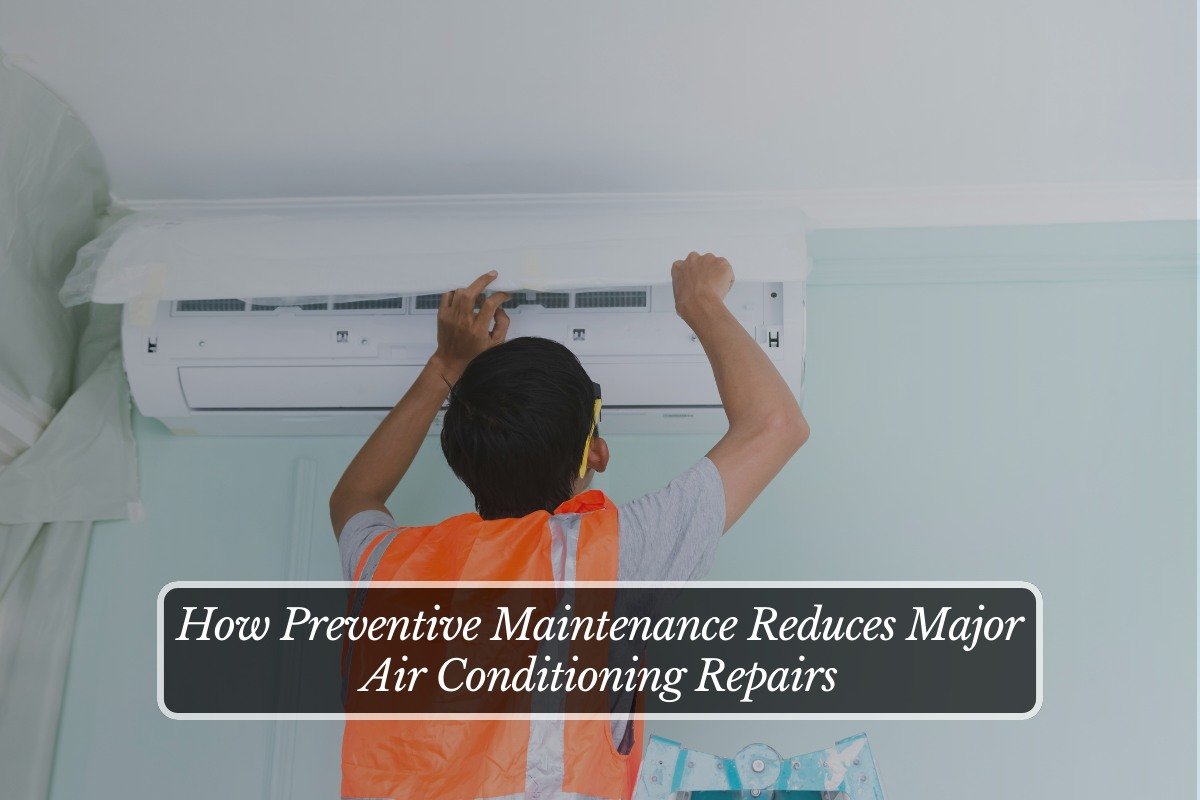
Preventive maintenance is one of the most effective ways to reduce the risk of major air conditioning breakdowns. By addressing small issues early and keeping the system in optimal condition, preventive maintenance helps extend system life, improve performance, and minimize unexpected repair costs.
Understanding Preventive Maintenance in Air Conditioning
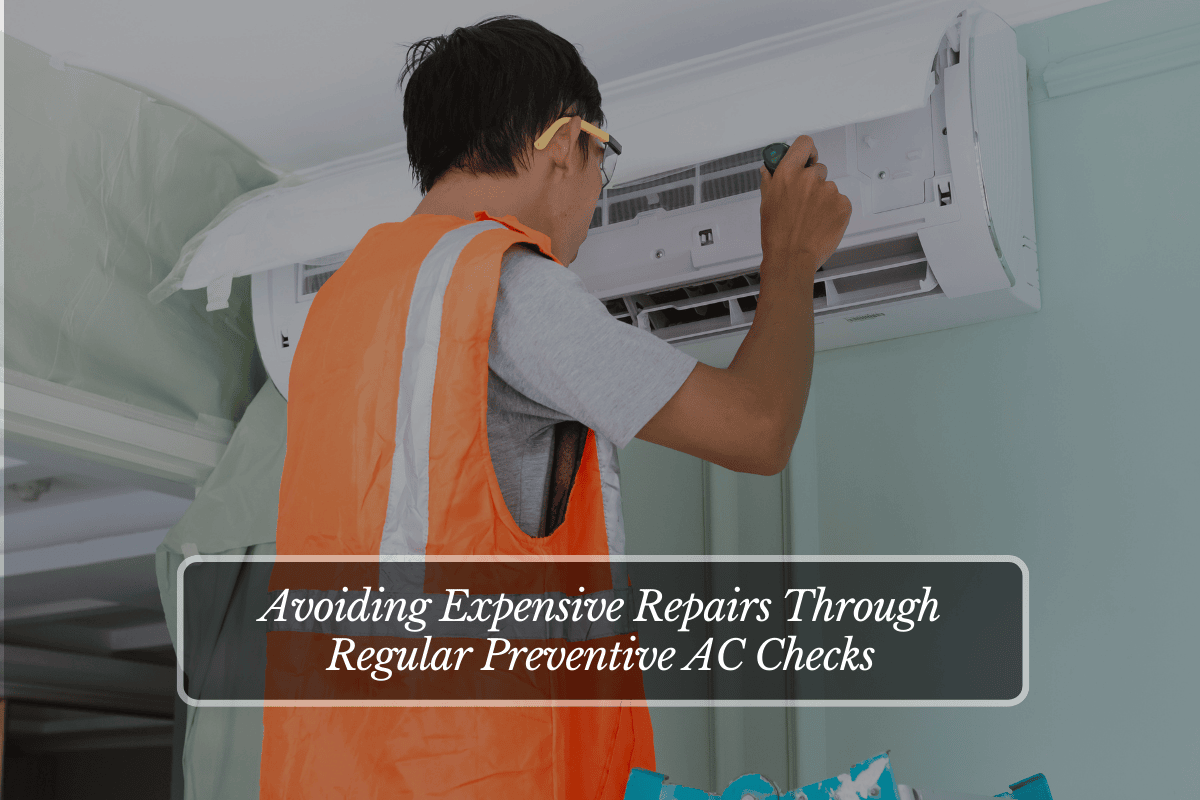
Preventive maintenance refers to routine inspections, cleaning, adjustments, and minor repairs performed on an air conditioning system before problems escalate. Rather than waiting for a system to fail, preventive maintenance focuses on identifying wear and inefficiencies early. This proactive approach keeps components operating within proper limits and prevents minor issues from turning into major failures.
Early Detection of Small Problems
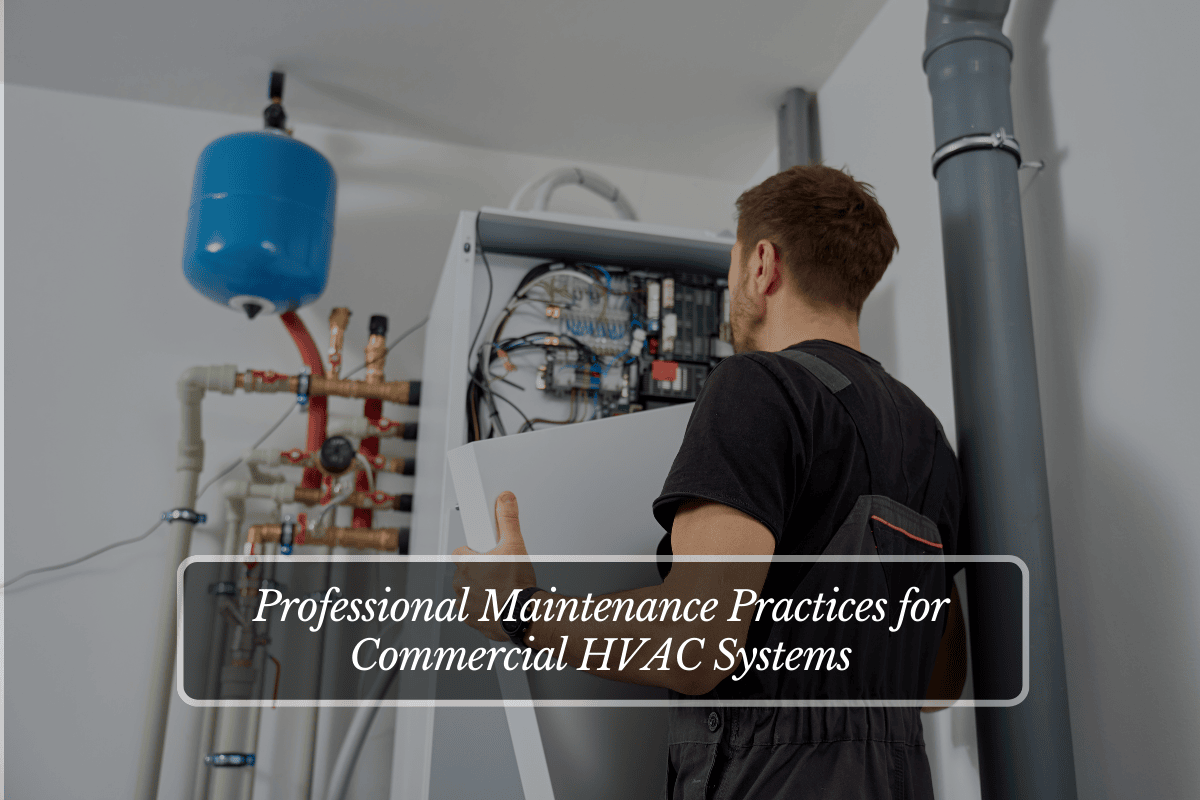
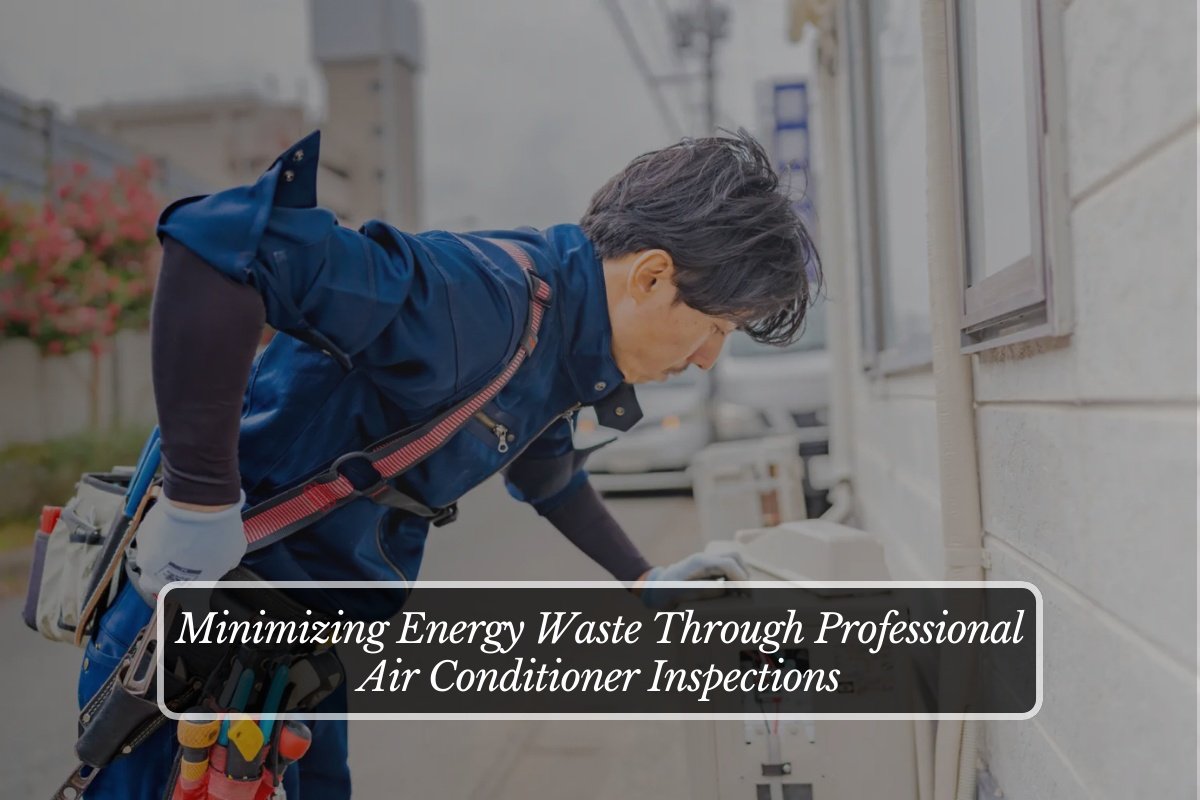
One of the most important benefits of preventive maintenance is early problem detection. During routine servicing, technicians can identify worn belts, loose electrical connections, low refrigerant levels, or minor airflow restrictions. These issues may not cause immediate system failure, but if left unresolved, they can lead to serious damage. Addressing them early reduces the likelihood of expensive repairs such as compressor replacement or extensive electrical work.
Reduced Strain on Major Components
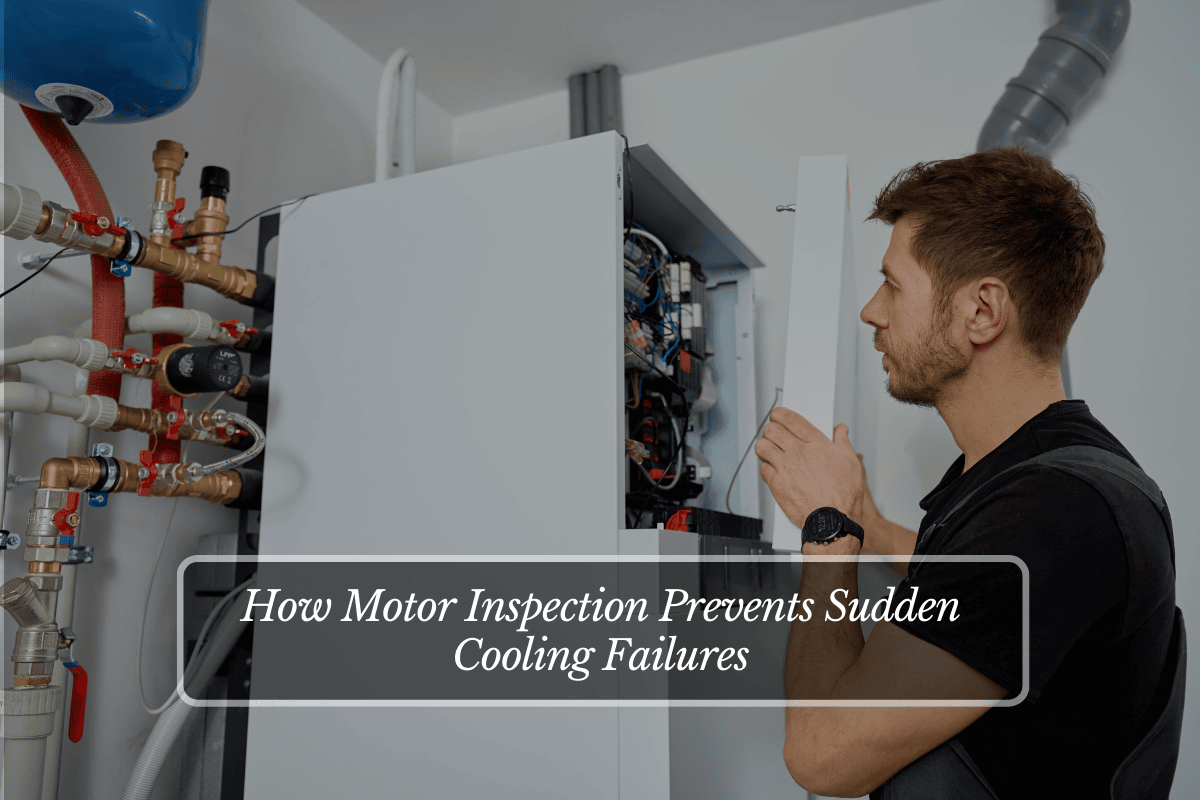
Preventive maintenance helps ensure that critical components such as the compressor, fan motors, and coils operate efficiently. Clean coils allow proper heat transfer, correct refrigerant levels prevent overheating, and well-maintained motors reduce mechanical strain. When these components are forced to work harder due to neglect, they wear out faster. Routine maintenance reduces this strain, protecting the most costly parts of the system.
Improved Airflow and System Balance
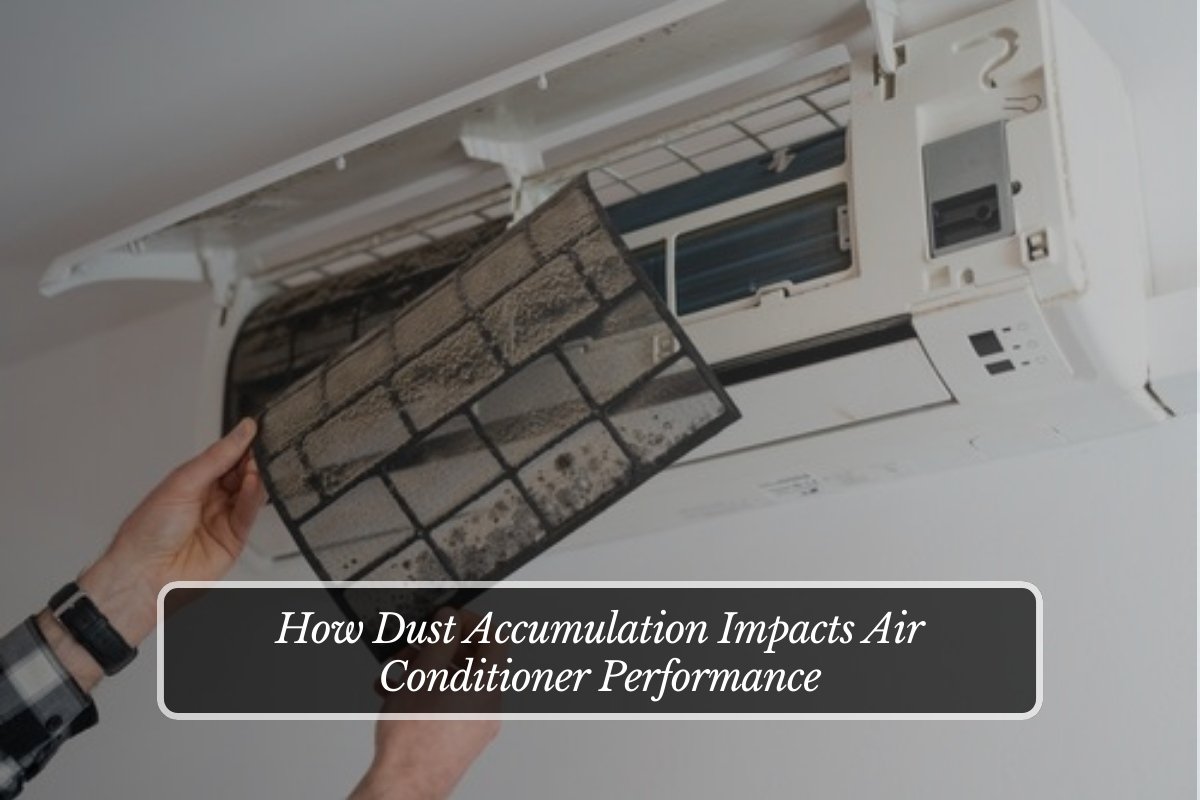
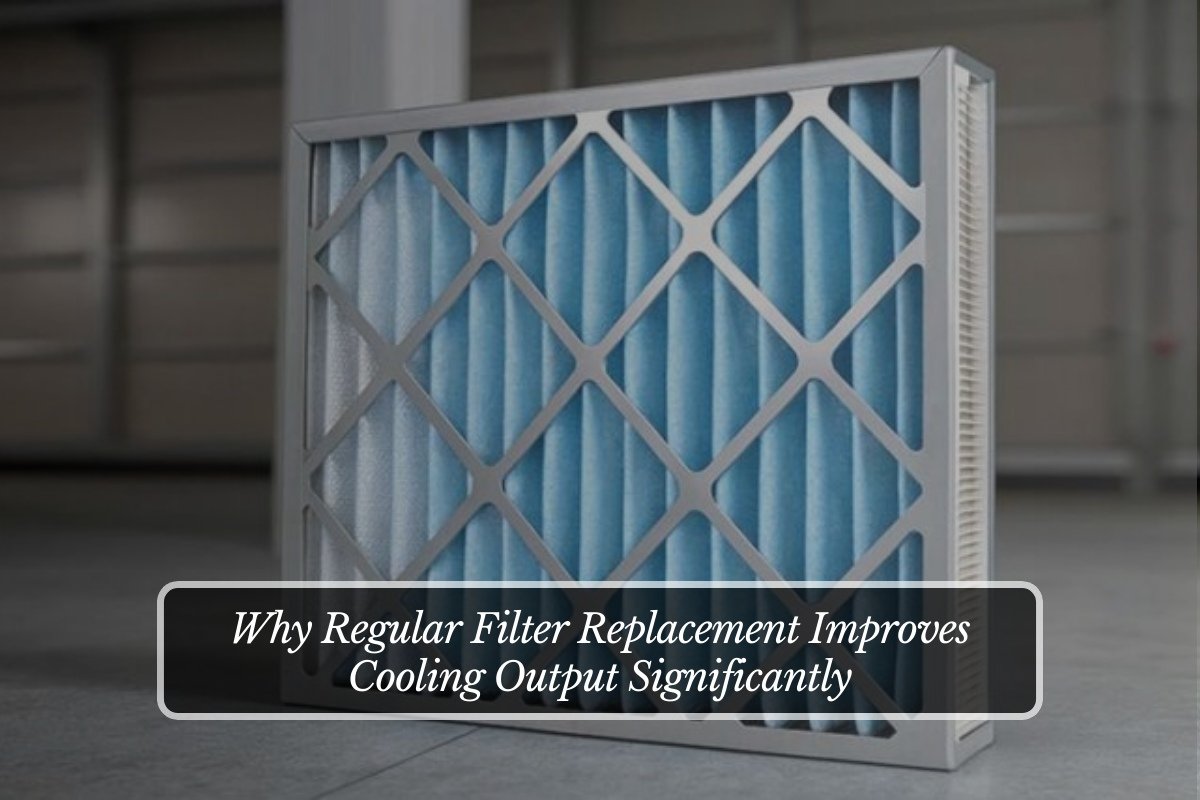
Restricted airflow is a common cause of major air conditioning problems. Dirty filters, blocked vents, and clogged coils reduce airflow, leading to frozen evaporator coils, overheating, and water leaks. Preventive maintenance includes cleaning or replacing filters and checking airflow pathways. Proper airflow keeps temperatures balanced within the system, preventing conditions that can cause significant mechanical damage.
Prevention of Water Damage and Mold Issues
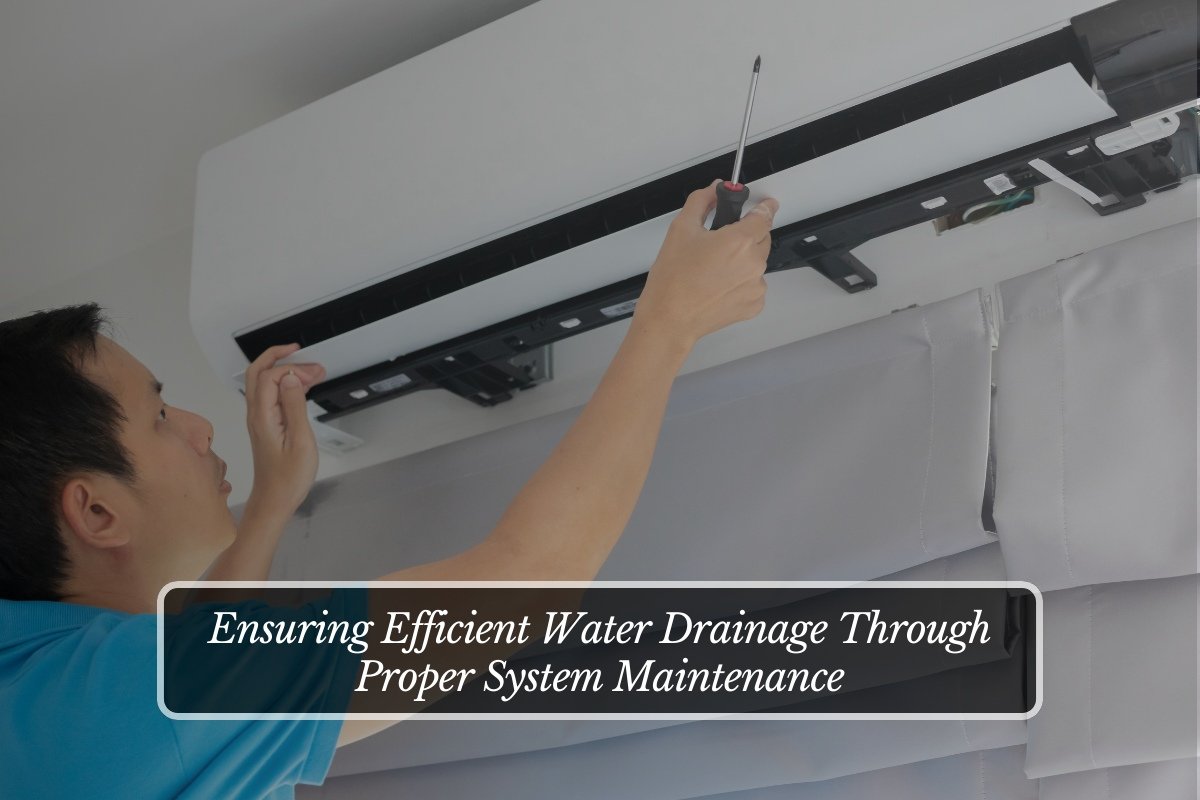
Air conditioners naturally produce condensation, but poor maintenance can lead to clogged drain lines or damaged drain pans. When water cannot drain properly, it may leak into walls, ceilings, or floors, causing structural damage and mold growth. Preventive maintenance includes clearing drain lines and inspecting drainage components, significantly reducing the risk of water-related repairs and indoor air quality problems.
Enhanced Energy Efficiency and Reduced Wear
An inefficient air conditioner runs longer cycles to achieve the desired temperature, increasing energy consumption and component wear. Preventive maintenance ensures that the system operates at peak efficiency by keeping parts clean, calibrated, and properly adjusted. Shorter, more effective cooling cycles reduce stress on the system and lower the chances of breakdowns caused by overuse.
Extended System Lifespan
Major repairs often occur when systems are pushed beyond their designed lifespan due to neglect. Preventive maintenance helps air conditioners reach or even exceed their expected service life by keeping all components in good working order. Fewer major repairs mean homeowners and businesses can delay costly system replacements and get more value from their investment.
Financial Benefits of Preventive Maintenance
While preventive maintenance involves a regular cost, it is far less expensive than major repairs or emergency service calls. Planned maintenance reduces unexpected expenses, allows for better budgeting, and minimizes downtime during peak cooling seasons. Over time, the savings from avoided major repairs and improved efficiency often outweigh the cost of routine servicing.
Building Reliability and Peace of Mind
A well-maintained air conditioning system is more reliable and less likely to fail during extreme weather. Preventive maintenance provides peace of mind by reducing the risk of sudden breakdowns and ensuring consistent comfort. This reliability is especially important for households, businesses, and facilities where cooling is essential.
FAQs
Why does preventive maintenance reduce major AC repairs?
Preventive maintenance identifies and fixes small issues early, preventing them from escalating into serious and costly system failures.
How often should preventive maintenance be performed?
Most air conditioning systems benefit from maintenance at least once a year, with additional inspections recommended for heavily used systems.
Is preventive maintenance necessary for new AC systems?
Yes, even new systems require maintenance to ensure proper operation, maintain efficiency, and keep warranties valid.
What happens if preventive maintenance is skipped?
Skipping maintenance increases the risk of breakdowns, higher energy bills, reduced system lifespan, and expensive repairs.
Can preventive maintenance eliminate all AC repairs?
While it cannot prevent every issue, preventive maintenance significantly reduces the frequency and severity of major repairs.