Your air conditioner should operate with a consistent, low-level hum. When strange or sudden noises appear, they are often early warning signs of mechanical failure or safety issues. Ignoring these sounds can lead to higher repair costs, system breakdowns, or even property damage. Understanding what different AC noises mean helps you act quickly and protect your cooling system.
Why Unusual AC Noises Should Never Be Ignored
Air conditioning systems rely on tightly balanced components. When something becomes loose, worn, or damaged, noise is often the first symptom.
Unusual sounds can indicate:
- Mechanical failure in progress
- Electrical or motor problems
- Restricted airflow or pressure issues
- Components at risk of breaking completely
Early attention can prevent minor issues from becoming major repairs.
Banging or Clanking Sounds
Banging or clanking noises usually signal a serious internal problem. These sounds often come from loose or broken parts moving inside the unit.
Common causes include:
- A loose or broken connecting rod
- A damaged compressor component
- An unbalanced blower wheel
This type of noise often means continued operation could cause catastrophic damage and should be addressed immediately.
Screeching or High-Pitched Squealing
High-pitched screeching or squealing is often related to motor or belt problems. These sounds typically grow louder over time.
Possible issues include:
- Failing motor bearings
- A worn or slipping fan belt
- Motor shaft alignment problems
If ignored, the motor may overheat or seize, leading to expensive replacement.
Grinding Noises
Grinding noises are especially urgent. They usually indicate metal-on-metal contact, which can cause rapid component wear.
Grinding may be caused by:
- Worn motor bearings
- Failing compressor components
- Severe mechanical friction
Continuing to run the system in this condition can destroy the motor or compressor.
Rattling or Vibrating Sounds
Rattling noises often start small but worsen quickly. They usually mean something has come loose inside or around the unit.
Common causes include:
- Loose screws or panels
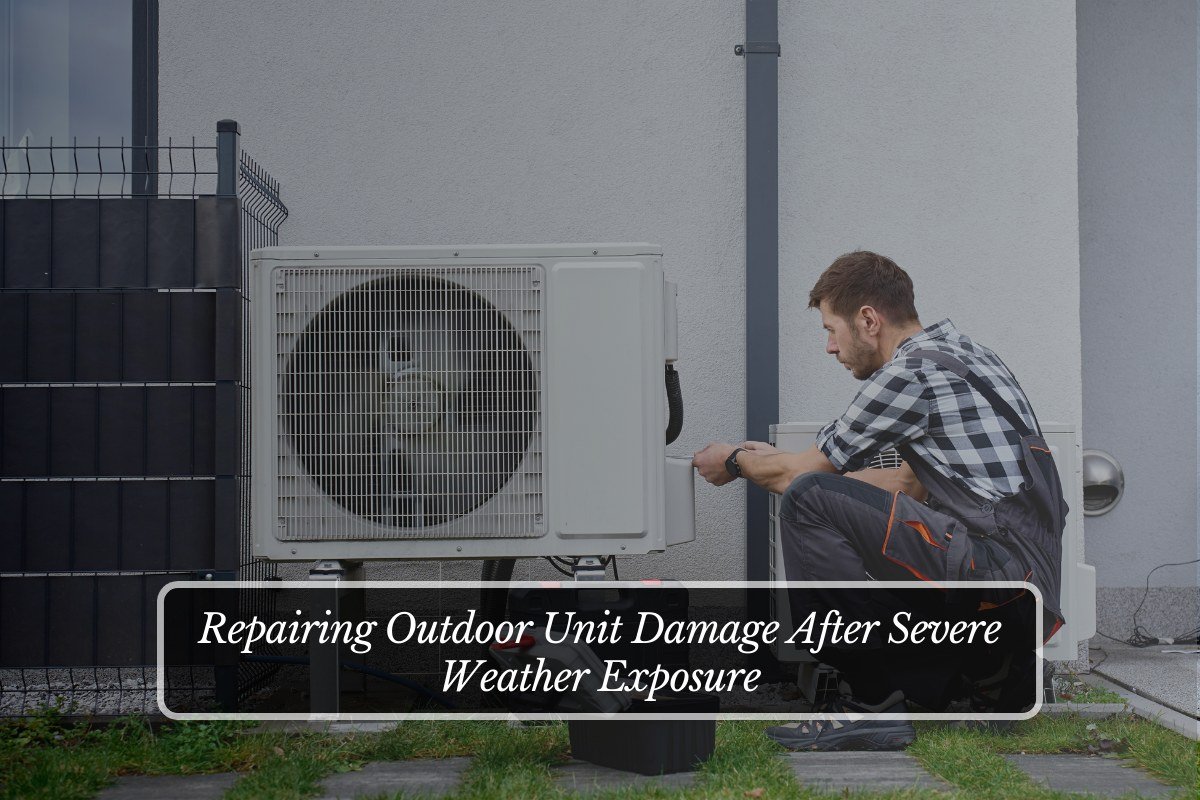
- Debris inside the outdoor unit
- Deteriorating internal mounts
While sometimes simple to fix, rattling can lead to further damage if left unresolved.
Hissing or Bubbling Noises
Hissing or bubbling sounds often point to refrigerant-related issues, which are both performance and safety concerns.
These sounds may indicate:
- Refrigerant leaks
- Internal pressure imbalances
- Valve or line issues
Refrigerant problems reduce cooling efficiency and can damage the compressor if not addressed promptly.
Clicking That Persists During Operation
Occasional clicking during startup or shutdown can be normal. However, repeated clicking while the system is running is not.
Persistent clicking may signal:
- Electrical relay failure
- Control board issues
- Faulty thermostat components
Electrical problems should be addressed quickly to prevent system shutdown or electrical hazards.
Buzzing or Humming That Sounds Unusual
While some humming is normal, loud or irregular buzzing often signals electrical trouble.
Potential causes include:
- Loose wiring
- Failing contactors
- Capacitor problems
Electrical issues can escalate quickly and pose fire risks if ignored.
Whooshing or Whistling Sounds
Whooshing or whistling often points to airflow restrictions or duct issues.
These noises may be caused by:
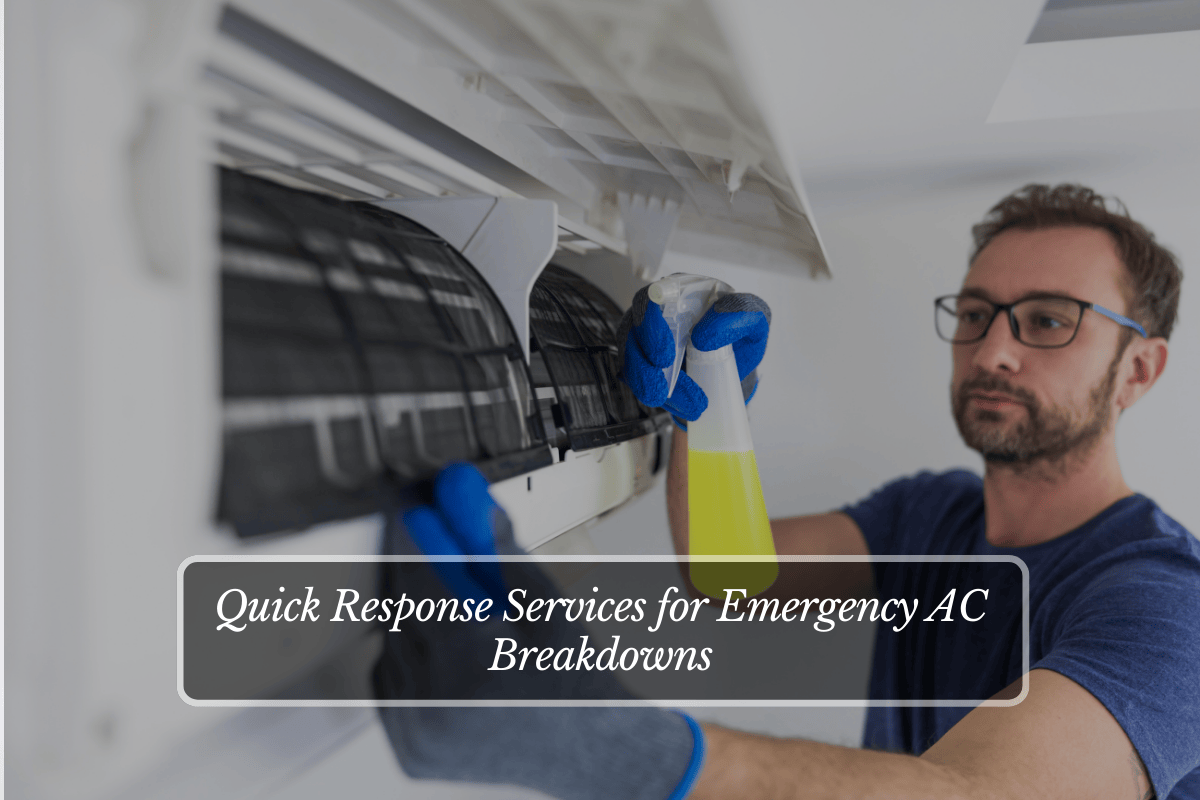
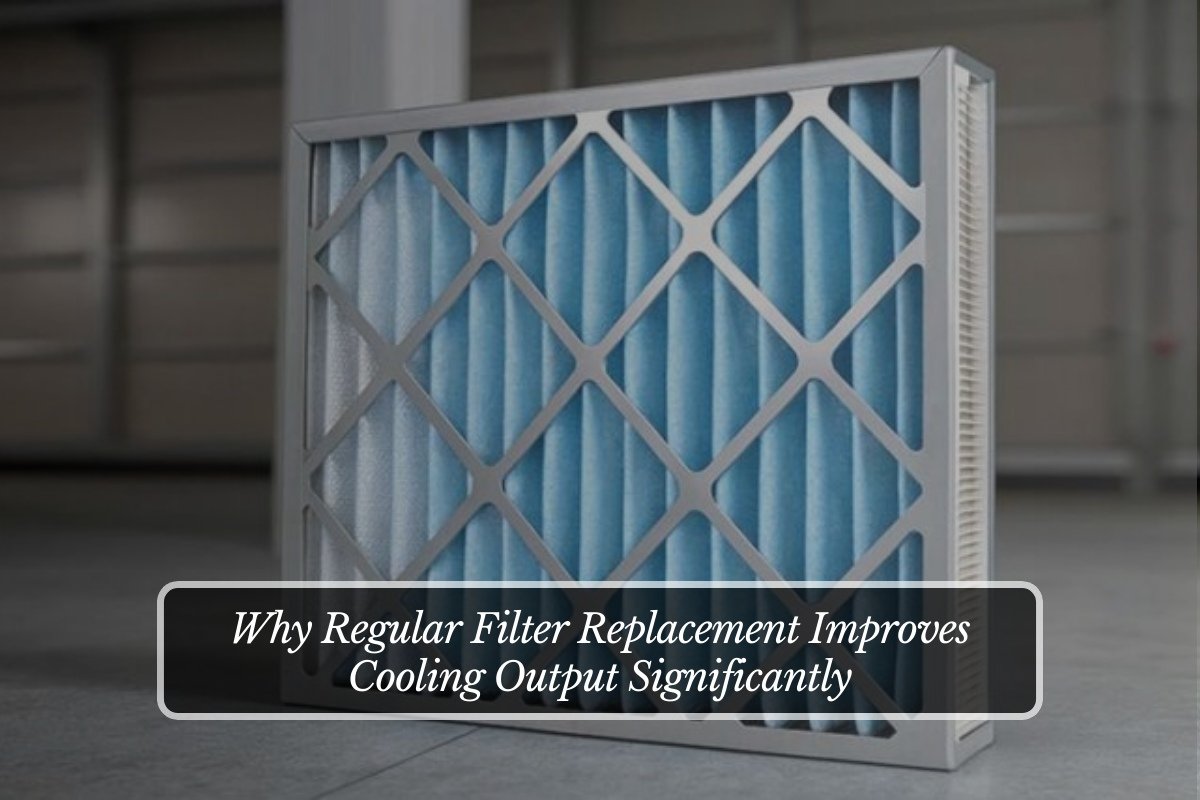
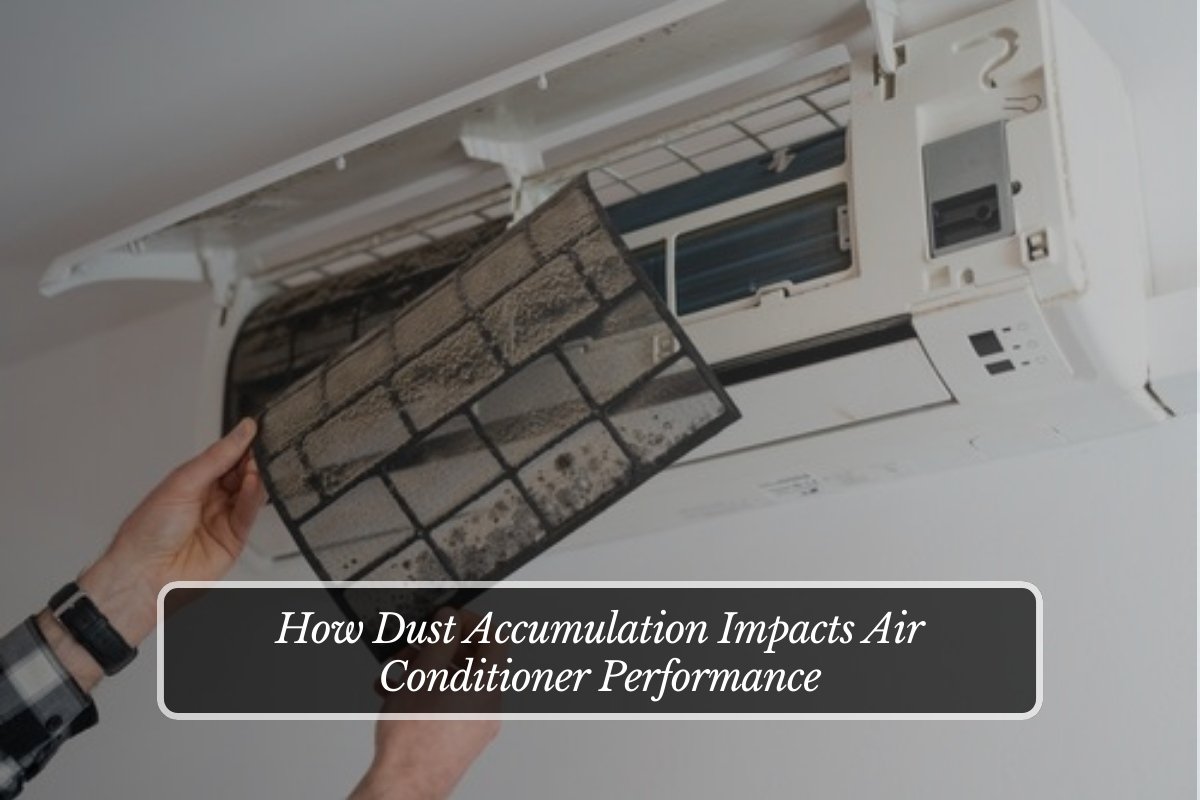
- Blocked or dirty air filters
- Collapsing ductwork
- Improper system pressure
Restricted airflow reduces efficiency and strains system components.
When to Shut the AC Off Immediately
Some noises warrant turning the system off right away to prevent further damage.
Shut off your AC if you hear:
- Grinding or loud metal noises
- Sudden banging followed by poor cooling
- Persistent screeching or electrical buzzing
Turning the unit off can prevent a complete system failure while you wait for professional service.
Why Prompt Repair Saves Money
Addressing strange noises early often leads to simpler, less expensive repairs. Small mechanical or electrical issues can quickly cascade into major failures if ignored.
Prompt repair helps:
- Extend system lifespan
- Maintain energy efficiency
- Prevent emergency breakdowns
- Protect indoor comfort during hot weather
Preventing Noise Issues in the First Place
Routine maintenance is the best way to avoid unexpected AC noises.
Preventive steps include:
- Regular professional inspections
- Timely filter replacement
- Keeping outdoor units clear of debris
- Addressing small issues early
Well-maintained systems run quieter, longer, and more efficiently.
Listening to Your AC Is Preventive Care
Your air conditioner communicates through sound. Strange or new noises are warnings, not inconveniences. Paying attention and acting quickly protects your comfort, your budget, and your home.
When in doubt, it’s always safer to have a professional inspect the system rather than risk a complete breakdown.
Frequently Asked Questions (FAQ)
Q. Are all AC noises a sign of serious trouble?
No, but new, loud, or changing noises should always be investigated.
Q. Is it safe to keep running the AC if it’s making noise?
Minor rattling may be safe short term, but grinding, screeching, or banging sounds mean you should shut it off.
Q. Can dirty filters cause noise?
Yes. Restricted airflow can lead to whistling, whooshing, or increased strain on components.
Q. Do refrigerant leaks always make noise?
Not always, but hissing or bubbling sounds can be a warning sign.
Q. How often should AC systems be inspected to prevent noise issues?
At least once a year, ideally before peak cooling season.