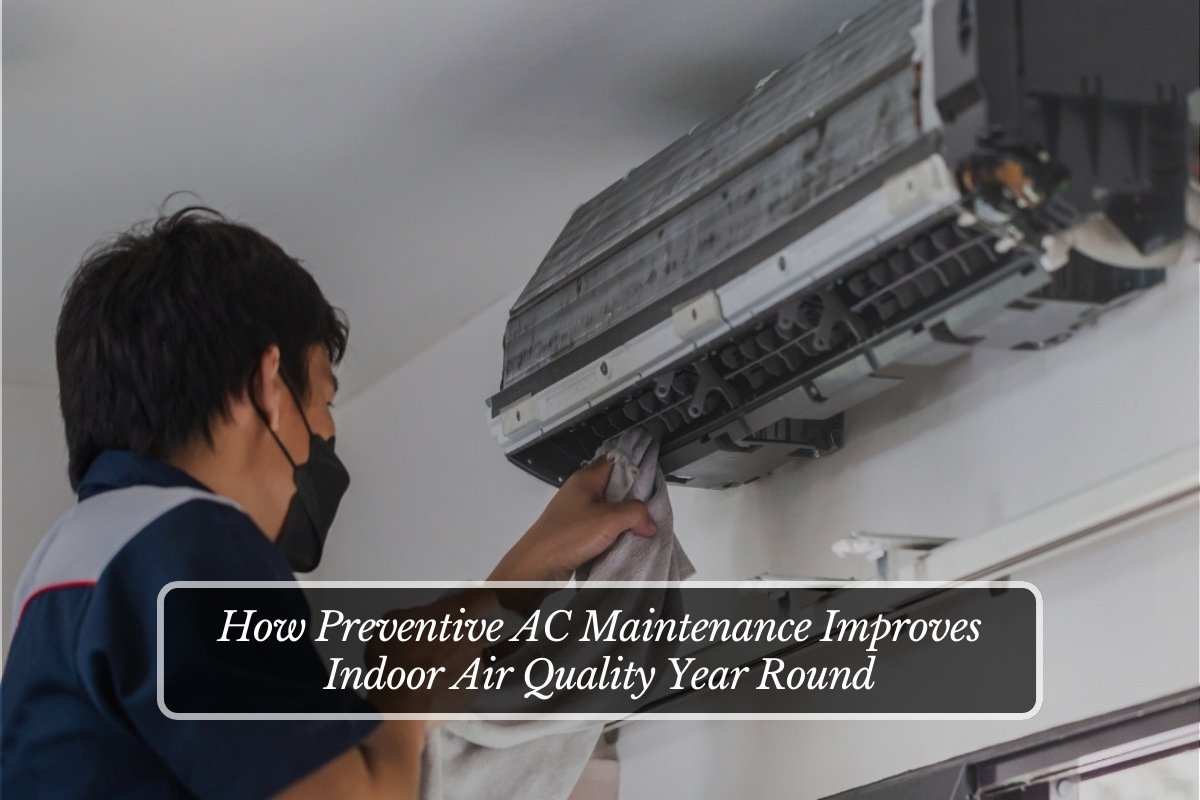
Preventive AC maintenance ensures systems filter pollutants, control humidity, and circulate clean air consistently, safeguarding health beyond cooling. Regular servicing prevents buildup of dust, mold, and allergens in coils, filters, and ducts, maintaining optimal indoor air quality (IAQ) through all seasons. This proactive care reduces respiratory risks and enhances comfort without constant operation.
Filter Replacement and Upgrades
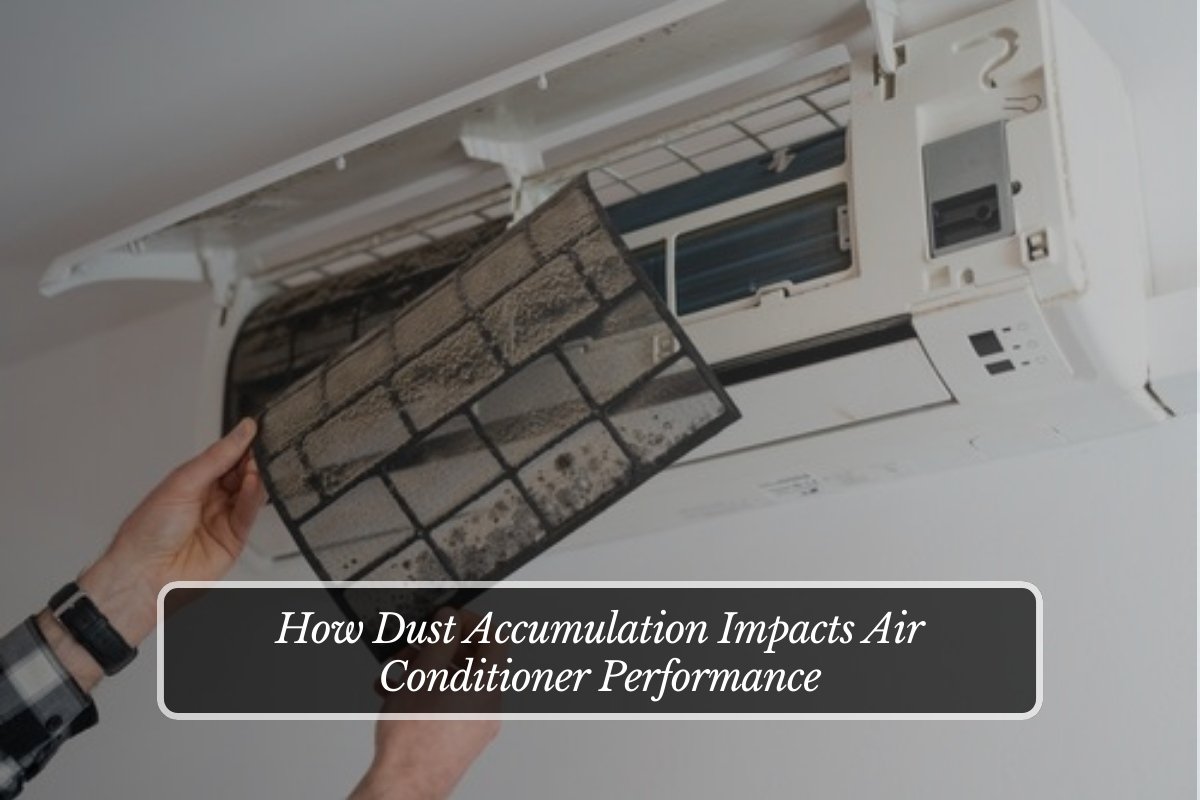
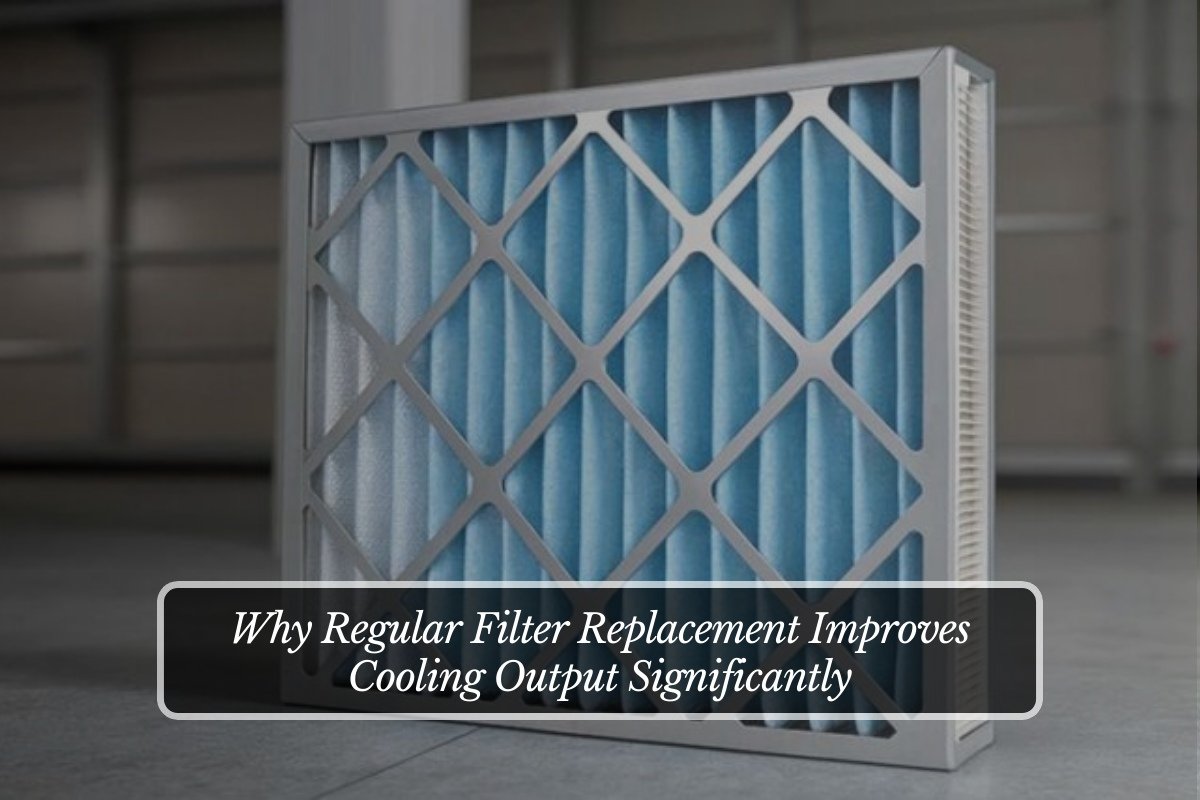
Dirty filters trap only 20-30% of particles after weeks; maintenance replaces them with high-MERV (8-13) options capturing 85-99% of dust, pollen, pet dander, and microbes. Technicians assess airflow resistance, upgrading to pleated or HEPA for allergy sufferers, preventing recirculation of contaminants year-round.
Clean filters boost efficiency, drawing in fresh air while expelling stale, fostering circulation even in heating mode during winter.
Coil Cleaning to Prevent Mold Growth
Evaporator and condenser coils accumulate grime, fostering mold in humid conditions; pros use foaming cleaners and vacuums to remove biofilms, inhibiting spores that trigger asthma. Annual deep cleans maintain dehumidification at 40-60% RH, curbing bacteria like those causing odors or infections.
This sustains moisture control off-season, avoiding musty smells and health hazards from dormant units.
Duct Sealing and Ventilation Checks
Leaky ducts release 20-30% of filtered air laden with attic dust or pests; inspections use smoke tests or aeroseal to patch gaps, ensuring conditioned air stays pure. Vents clear debris, balancing flow to eliminate stagnant zones where pollutants linger.
Enhanced ventilation dilutes VOCs from cleaners or furniture, improving IAQ holistically.
Refrigerant and Drain Line Maintenance
Optimal refrigerant levels enable proper cooling/dehumidification; leaks get detected via gauges and sealed, preventing underperformance that spikes humidity. Condensate drains flush with antimicrobial solutions, averting clogs causing overflows and bacterial breeding.
Balanced systems extract excess moisture year-round, stabilizing environments against seasonal humidity swings.
Blower and Fan Optimization
Dust-coated blowers recirculate particles; lubrication, belt tensioning, and motor cleans restore smooth operation, minimizing noise and particle shedding. ECM variable-speed fans adjust for quiet, efficient filtration during low-use periods like night.
This ensures continuous air scrubbing without energy waste.
UV Lights and Advanced Add-Ons
Installations of UV-C lamps kill airborne pathogens on coils, reducing viruses by 99% per pass. Maintenance verifies bulb efficacy, pairing with carbon filters for odors and ozone generators for sterilization in high-traffic homes.
These sustain hospital-grade IAQ through winters when flu risks rise.
Year-Round Health and Efficiency Gains
Consistent IAQ cuts allergy symptoms by 50%, boosts sleep, and lowers sick days—EPA notes indoor air holds 2-5x more pollutants than outdoors. Savings hit 15-20% on bills via peak efficiency, extending unit life 5-10 years.
Families breathe easier, with fewer asthma attacks amid pollen seasons or mold-prone monsoons.
FAQ
Q1: How do clean filters improve IAQ?
A: High-MERV traps 85-99% of dust/pollen, preventing recirculation year-round.
Q2: Why clean coils during maintenance?
A: Removes mold biofilms, maintaining 40-60% RH to inhibit bacteria growth.
Q3: What do duct checks achieve?
A: Seal leaks to retain filtered air, diluting VOCs and stale zones.
Q4: How does drain maintenance help?
A: Prevents overflows fostering bacteria, stabilizing humidity off-season.
Q5: What add-ons enhance IAQ long-term?
A: UV-C lamps kill 99% pathogens; carbon filters neutralize odors effectively.