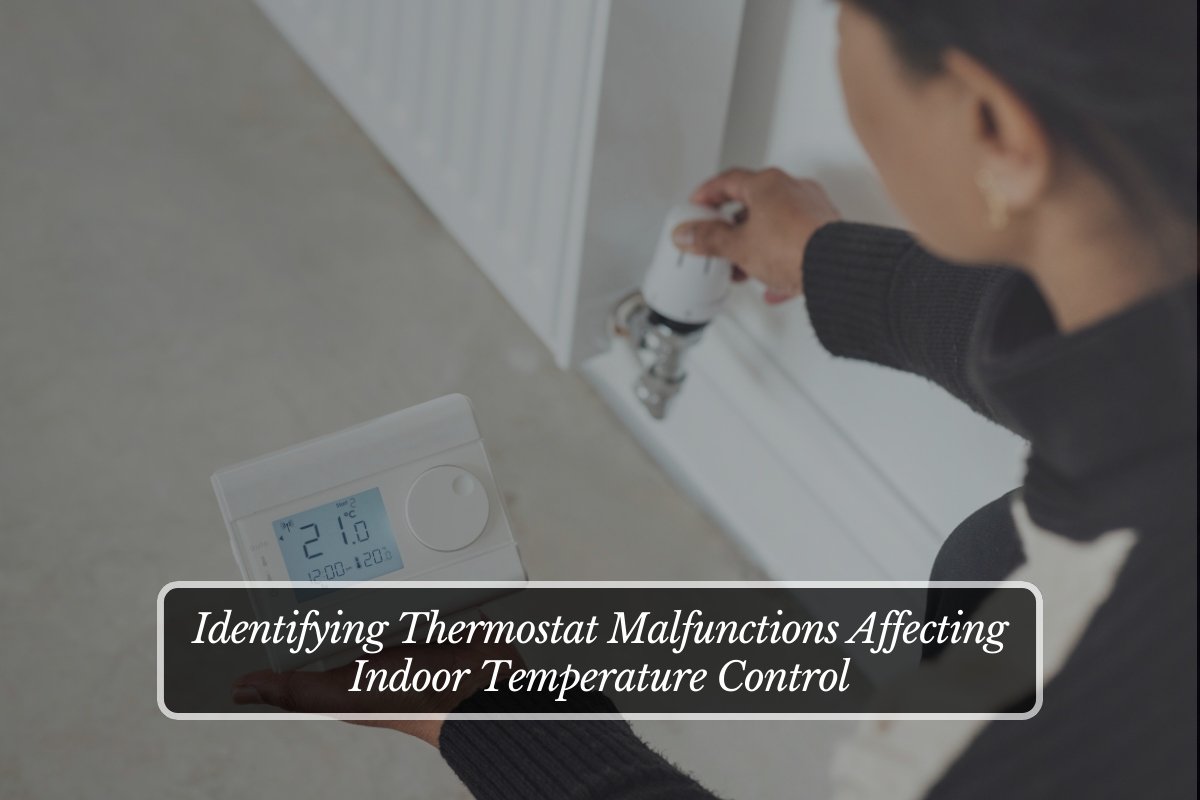
A thermostat plays a central role in maintaining indoor comfort by regulating when heating or cooling systems turn on and off. When the thermostat malfunctions, indoor temperature control becomes inconsistent, inefficient, and frustrating.
A home or building may feel too hot, too cold, or unable to maintain the desired setting even when the HVAC system itself is still functional. Identifying thermostat problems early helps prevent unnecessary energy use, reduces strain on heating and cooling equipment, and supports a more comfortable indoor environment.
Why Thermostat Performance Matters
The thermostat acts as the control center for the entire heating and cooling system. It reads the indoor temperature, compares it to the selected setting, and signals the HVAC equipment to respond. If the thermostat is not reading temperatures correctly or is failing to communicate with the system, the result can be poor comfort and unreliable operation.
Because thermostat issues often appear similar to larger HVAC problems, they are sometimes overlooked. In reality, a faulty thermostat can cause short cycling, constant running, inaccurate room temperatures, or complete failure of the system to turn on. Recognizing these warning signs can save time and help avoid unnecessary repair costs.
Common Signs of Thermostat Malfunction
Several symptoms may indicate that the thermostat is not functioning properly.
- The room temperature does not match the thermostat setting
- The HVAC system turns on and off too frequently
- The system does not start when temperature adjustments are made
- Heating or cooling runs continuously without reaching the set temperature
- The thermostat display is blank, faded, or unresponsive
- Temperature readings seem inaccurate or inconsistent
These signs suggest that the thermostat may be losing accuracy, power, or communication with the HVAC unit.
Common Thermostat Problems and Their Effects
| Thermostat Issue | Effect on Indoor Temperature Control |
|---|---|
| Incorrect temperature reading | Causes the system to heat or cool at the wrong time |
| Dead or weak batteries | Leads to display failure or loss of function |
| Loose wiring | Interrupts communication between thermostat and HVAC system |
| Poor thermostat placement | Causes false readings due to sunlight, drafts, or nearby heat |
| Dirty internal components | Affects sensing accuracy and responsiveness |
| Outdated or faulty calibration | Prevents accurate control of room temperature |
Each of these issues can reduce comfort and make the heating or cooling system seem less reliable than it actually is.
How Placement Can Affect Thermostat Accuracy
Not every thermostat problem is caused by an internal defect. In some cases, the issue comes from where the thermostat is installed. If it is placed near a window, direct sunlight, kitchen heat, air vent, or drafty area, it may sense a temperature that does not reflect the rest of the room or building. This leads to improper system cycling and uneven indoor comfort.
For example, a thermostat exposed to direct heat may think the room is warmer than it really is and stop cooling too early. Likewise, a thermostat near a cold draft may trigger unnecessary heating. Proper placement is essential for accurate temperature control.
Troubleshooting Steps
Before assuming the entire HVAC system has failed, several basic thermostat checks can help identify the issue.
- Check whether the thermostat has power
- Replace batteries if the unit uses them
- Confirm the thermostat is set to the correct mode and temperature
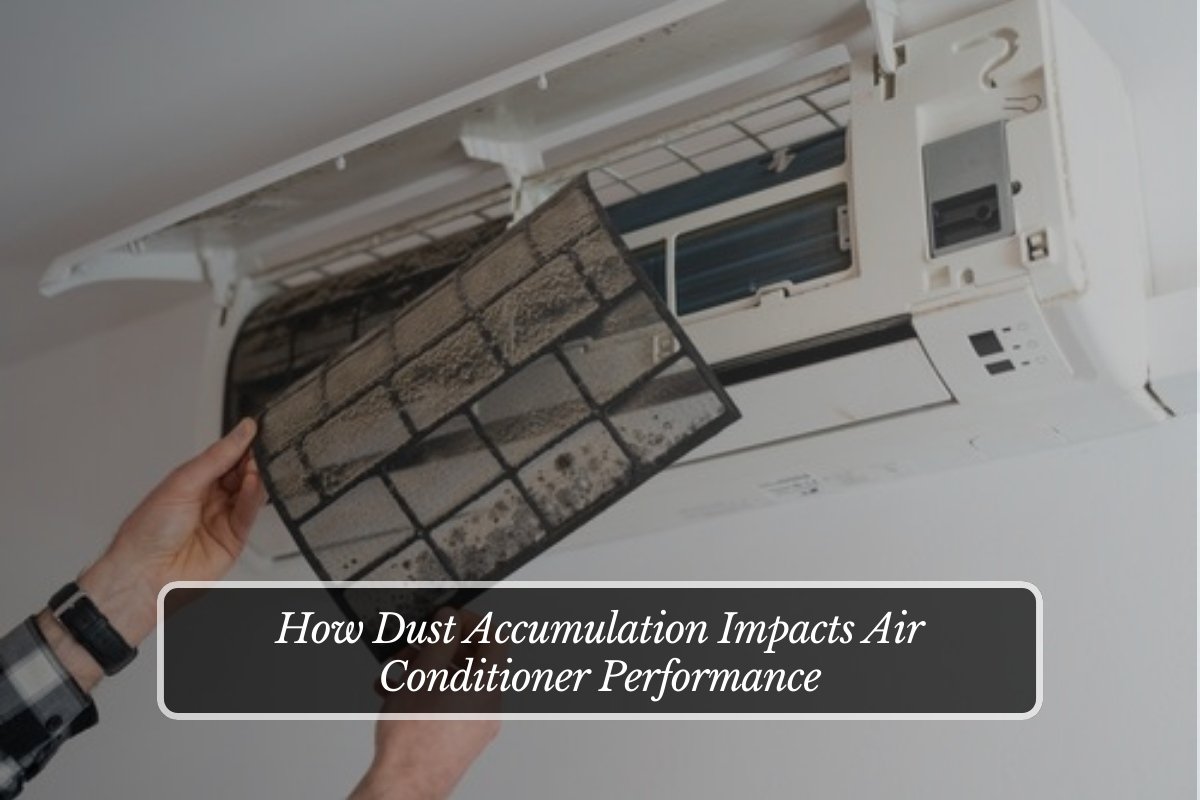
- Inspect for dust, dirt, or visible damage
- Make sure the screen and buttons respond correctly
- Listen for system response after changing the temperature setting
- Verify that the thermostat is securely mounted and level if required
These simple checks may reveal whether the problem is minor or if professional service is needed.
Impact on Energy Efficiency and Comfort
A malfunctioning thermostat can affect more than temperature control. It can also increase energy consumption and operating costs. When the HVAC system runs too often, too long, or at the wrong times, it wastes energy and places extra stress on equipment. Over time, this may shorten the lifespan of the heating or cooling system and lead to more frequent maintenance needs.
| Performance Area | Result of Thermostat Malfunction |
|---|---|
| Indoor comfort | Uneven or incorrect room temperature |
| Energy efficiency | Higher energy use from unnecessary operation |
| HVAC wear | Increased strain from improper cycling |
| Cost | Higher utility bills and possible repair expenses |
| Reliability | Reduced confidence in system performance |
For this reason, thermostat problems should be addressed quickly rather than ignored.
When Professional Inspection Is Needed
If the thermostat has power, settings are correct, and the HVAC system still does not respond properly, professional inspection may be necessary. A technician can test calibration, inspect wiring, confirm voltage signals, and determine whether the thermostat or another HVAC component is responsible. In some cases, replacing an old or damaged thermostat is the most practical solution, especially if it no longer provides accurate control.
FAQs
How can I tell if my thermostat is malfunctioning?
Signs include incorrect room temperature, a blank display, unresponsive controls, frequent cycling, or the HVAC system not responding to setting changes.
Can a thermostat cause uneven indoor temperatures?
Yes. If the thermostat reads temperatures inaccurately or is placed in a poor location, it can cause inconsistent heating or cooling throughout the space.
Do dead batteries affect thermostat performance?
Yes. In battery-powered thermostats, weak or dead batteries can cause the screen to fail or prevent the unit from controlling the HVAC system correctly.
Is thermostat placement important?
Yes. A thermostat should be placed away from direct sunlight, drafts, vents, and heat-producing appliances so it can measure room temperature accurately.
Should I replace a faulty thermostat or repair it?
That depends on the issue. Minor problems such as battery replacement or cleaning may be easy to fix, but older or damaged thermostats often need replacement for reliable performance.