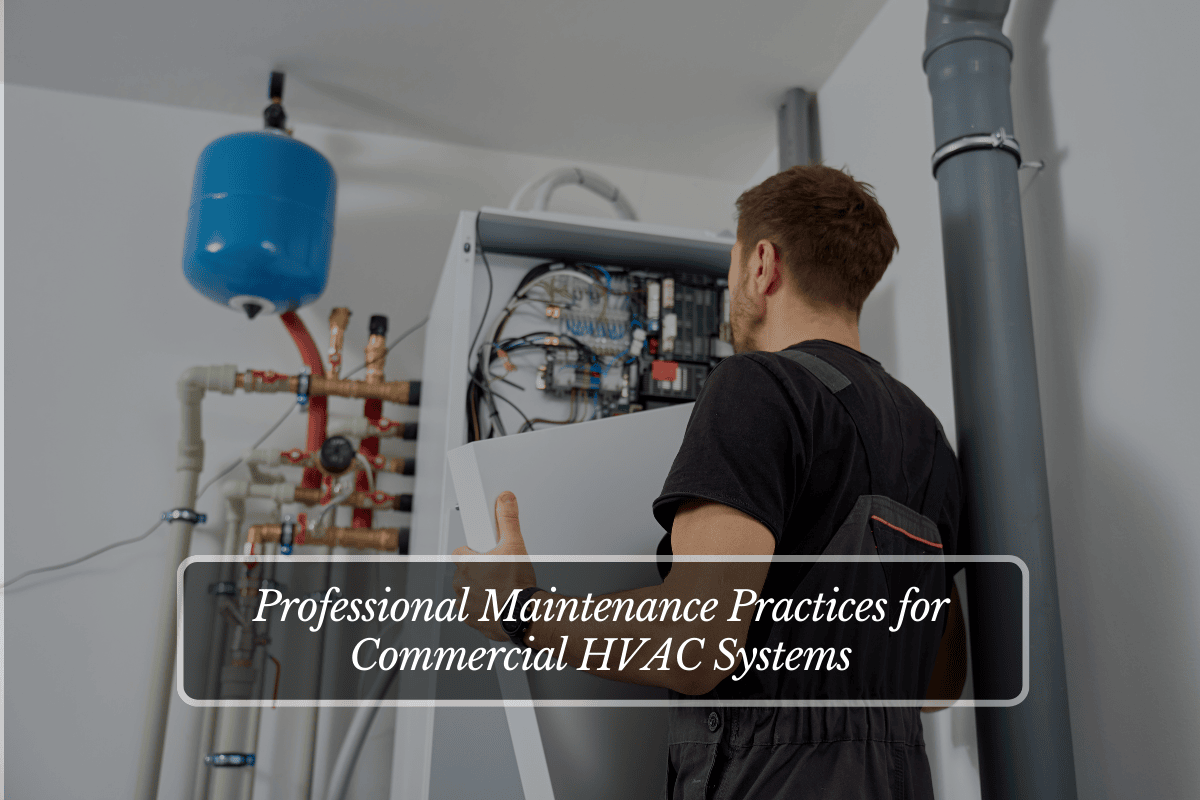
Professional maintenance of commercial HVAC systems is essential for reliability, energy efficiency, and occupant comfort in office buildings, retail spaces, and industrial facilities across the United States. A structured, proactive approach helps extend equipment life, reduce emergency repairs, and maintain healthy indoor air quality.
Why regular maintenance matters
Commercial HVAC systems run thousands of hours per year, so even minor issues can quickly escalate into costly breakdowns. Planned maintenance typically adds 5 or more years of useful life to rooftop units, chillers, and air‑handling equipment.
Properly maintained systems operate closer to design efficiency, which can lower energy bills by 10–20% and reduce strain on compressors, motors, and controls.
Core maintenance practices
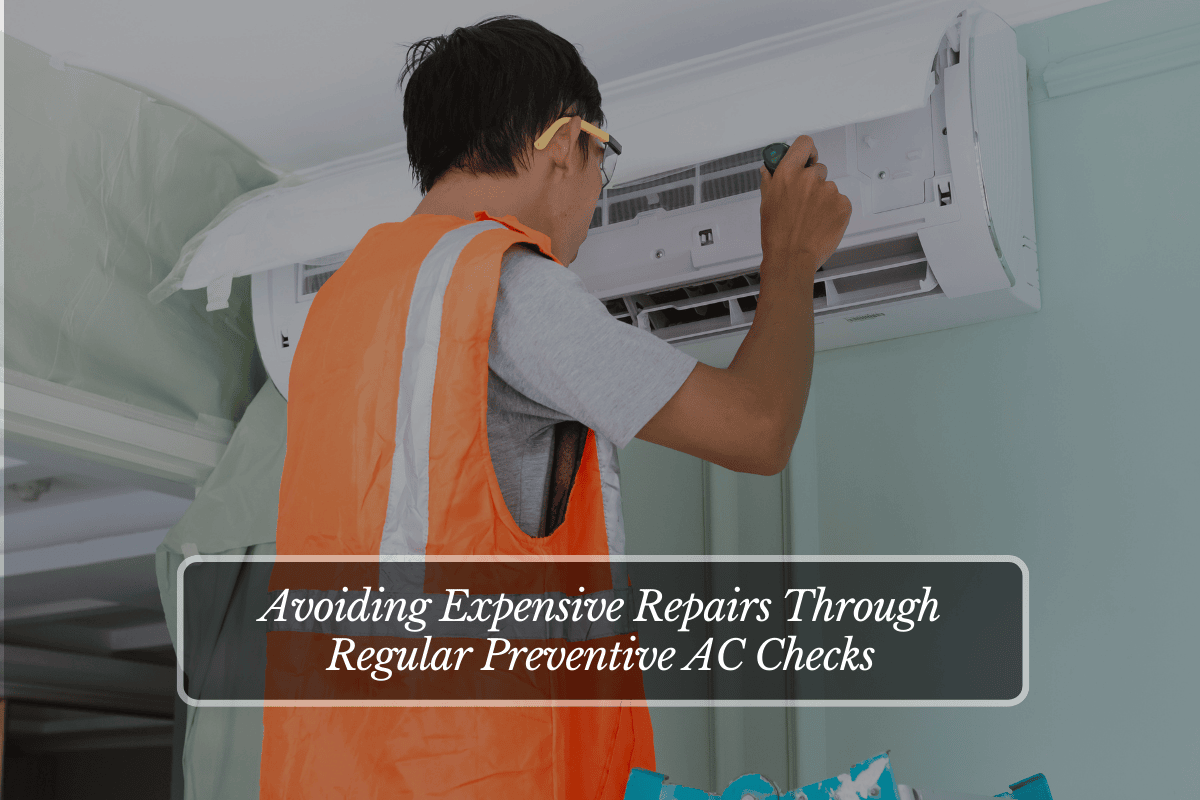
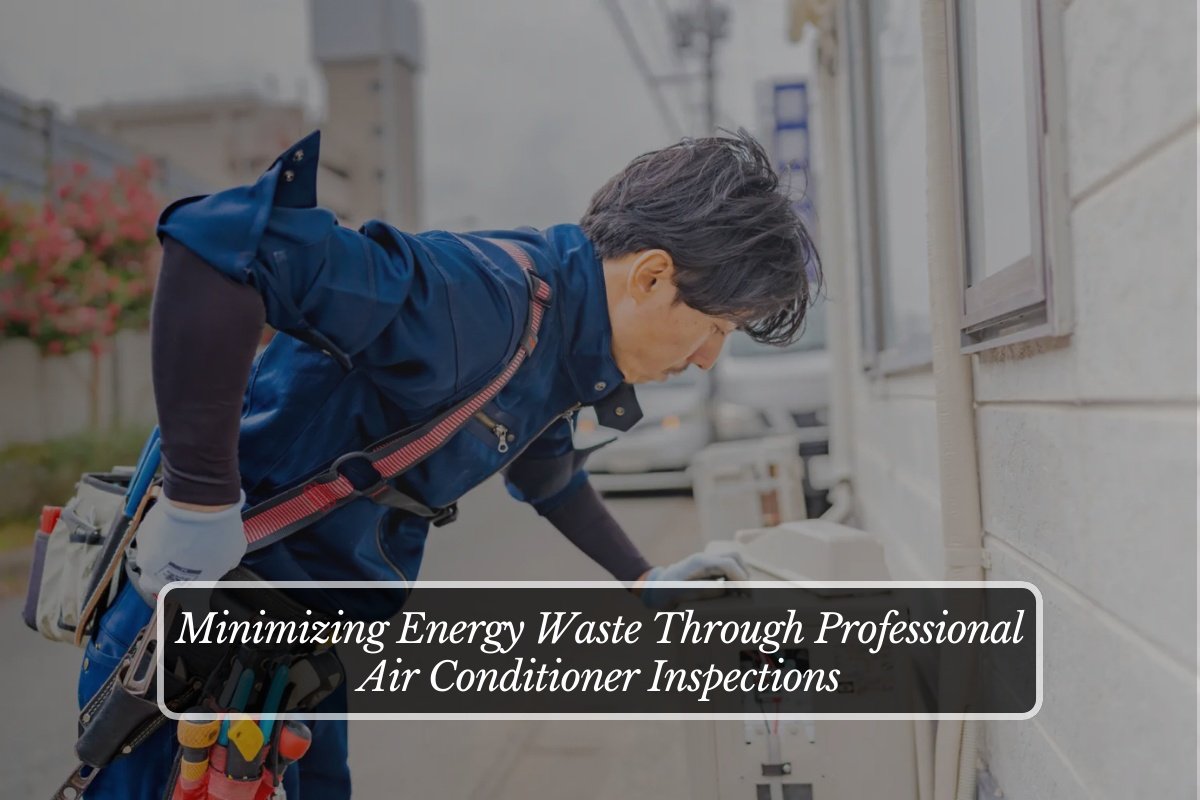
Industry best practice is a multi‑tiered program: daily/weekly checks, monthly preventive tasks, and twice‑yearly professional tune‑ups (spring for cooling, fall for heating).
Key recurring activities include:
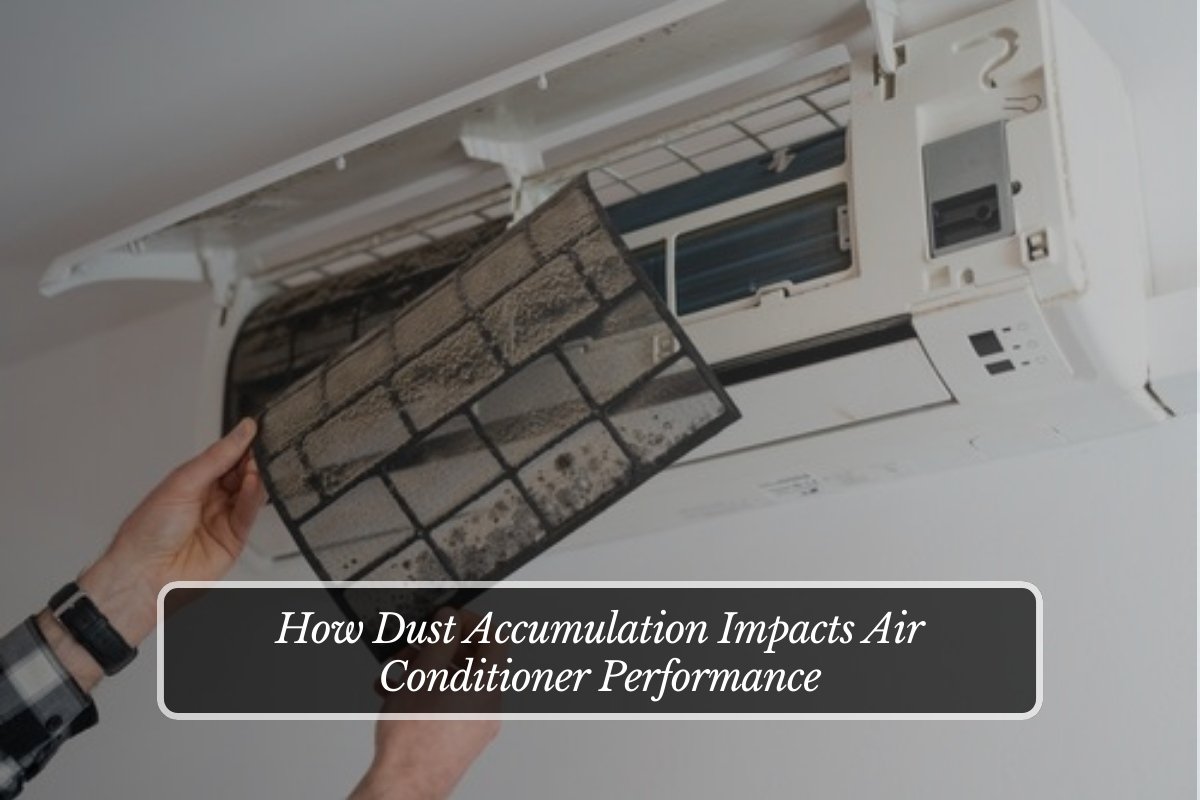
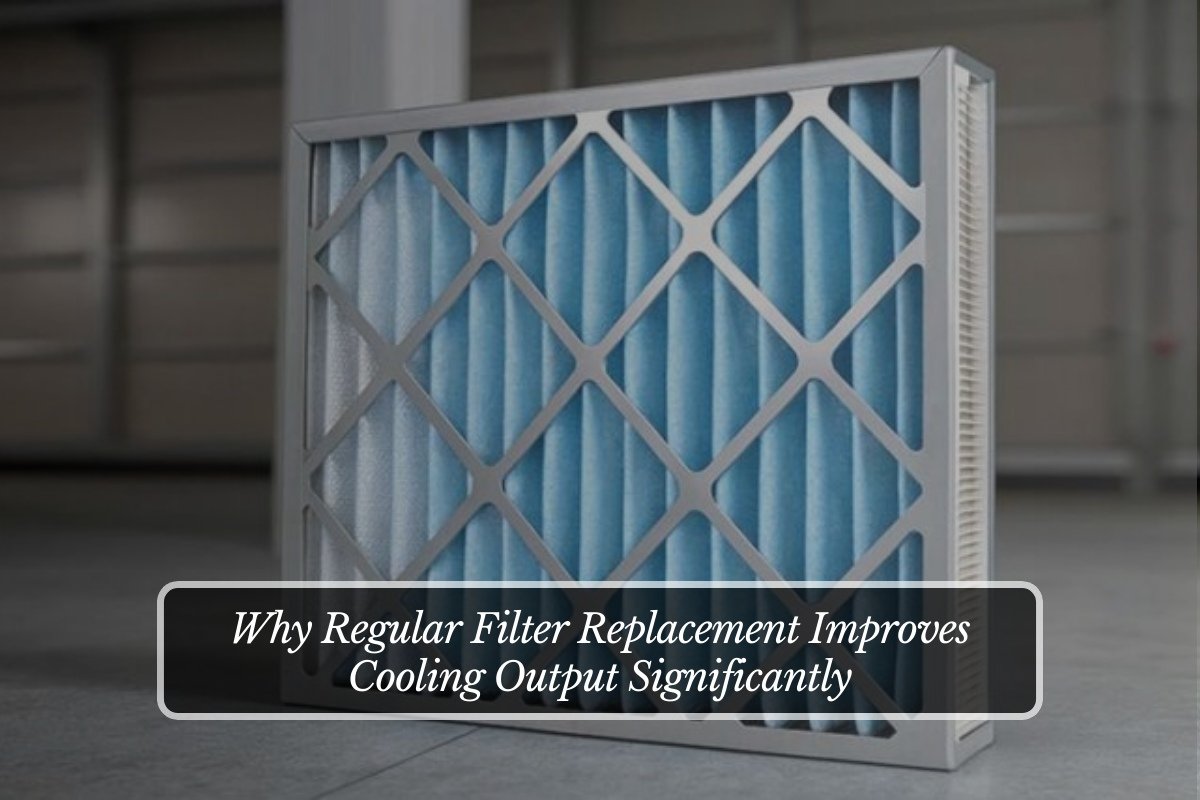
- Inspecting and changing air filters every 30–90 days, depending on traffic and dust levels.
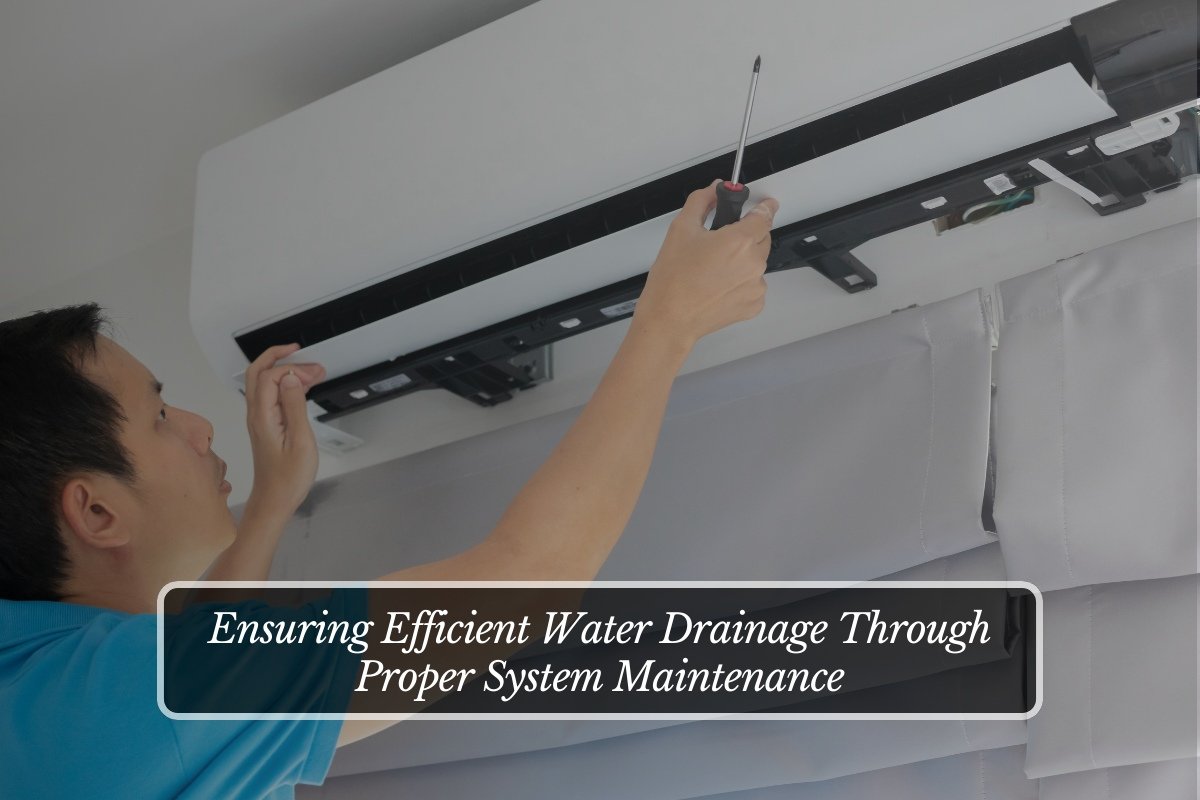
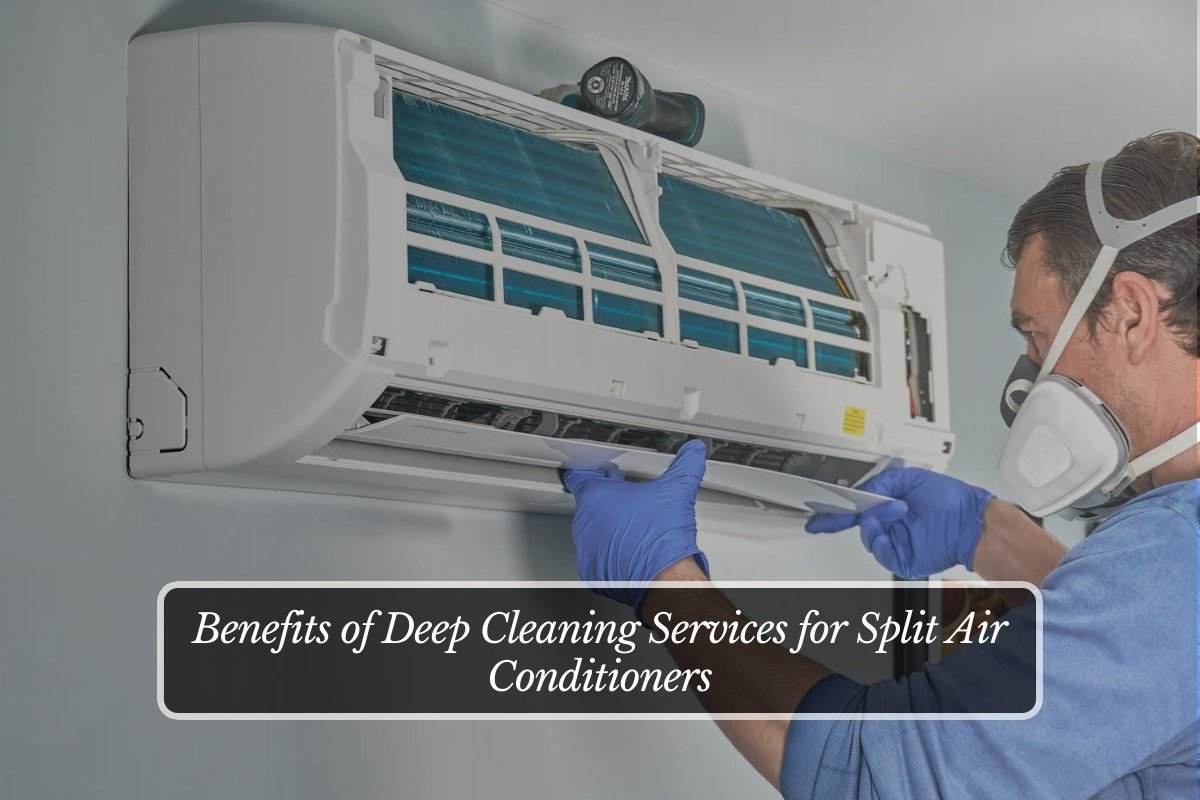
- Cleaning evaporator and condenser coils, drain pans, and condensate lines to prevent airflow restriction, water damage, and mold.
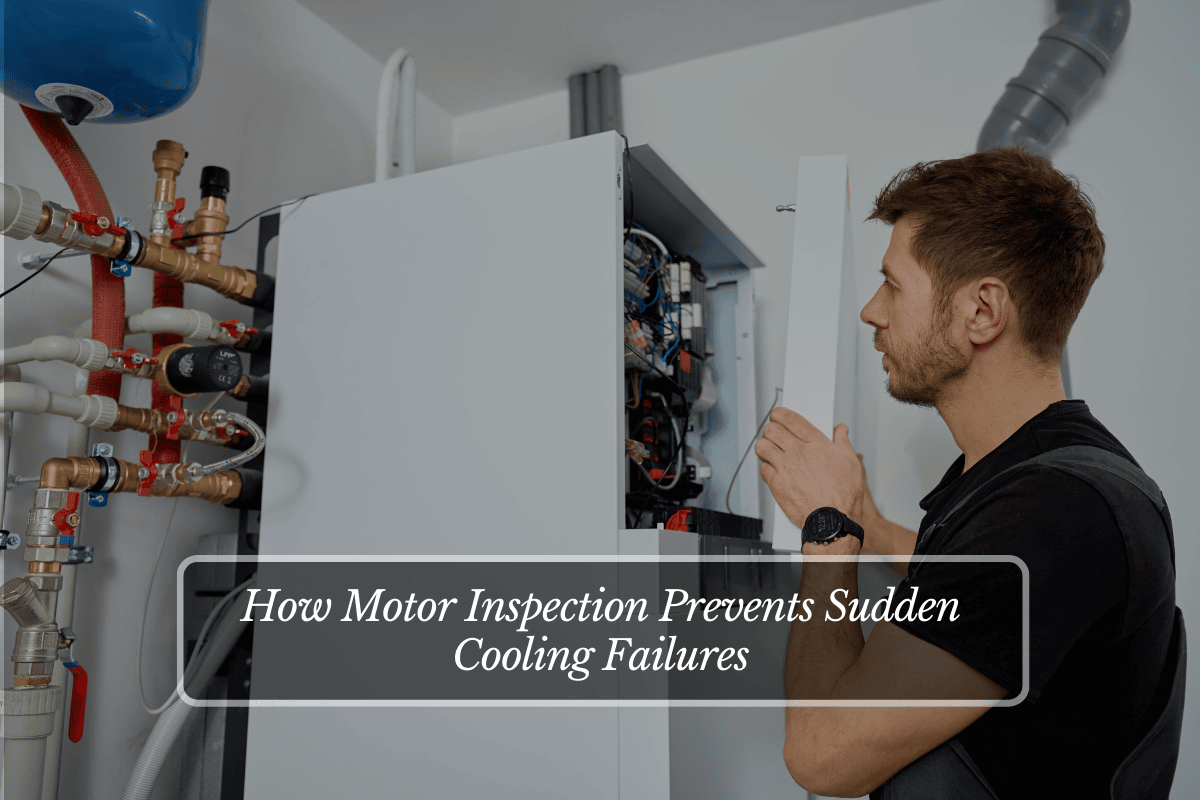
- Tightening electrical connections, lubricating motors and fans, and checking belts, pulleys, and contactors for wear.
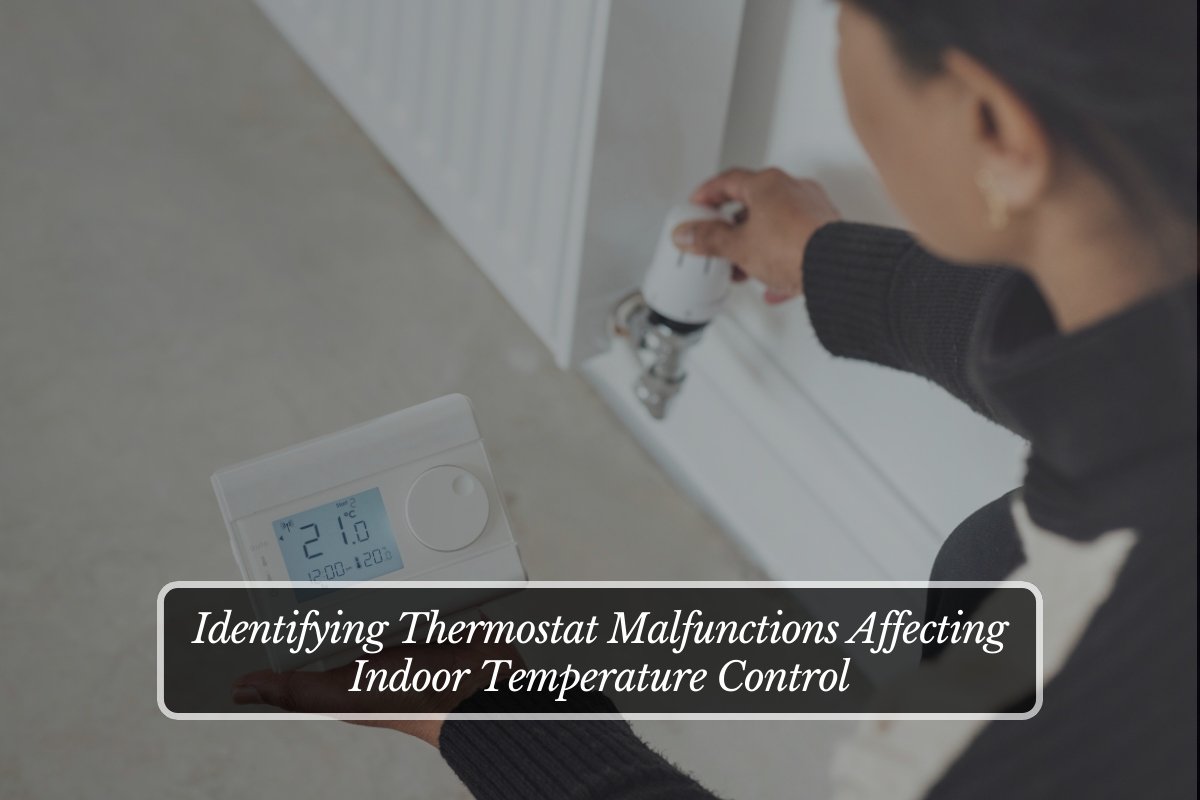
Additionally, facility teams should periodically verify thermostat calibration, safety controls, refrigerant pressures, and gas‑burner performance (for gas‑fired units). Many owners now use CMMS or maintenance software to track schedules, work orders, and component history, which improves consistency and supports predictive‑maintenance strategies.
System‑specific considerations
Different commercial configurations—rooftop package units, split systems, VAV air‑handling units, and chillers—need tailored checklists but share the same core principles.
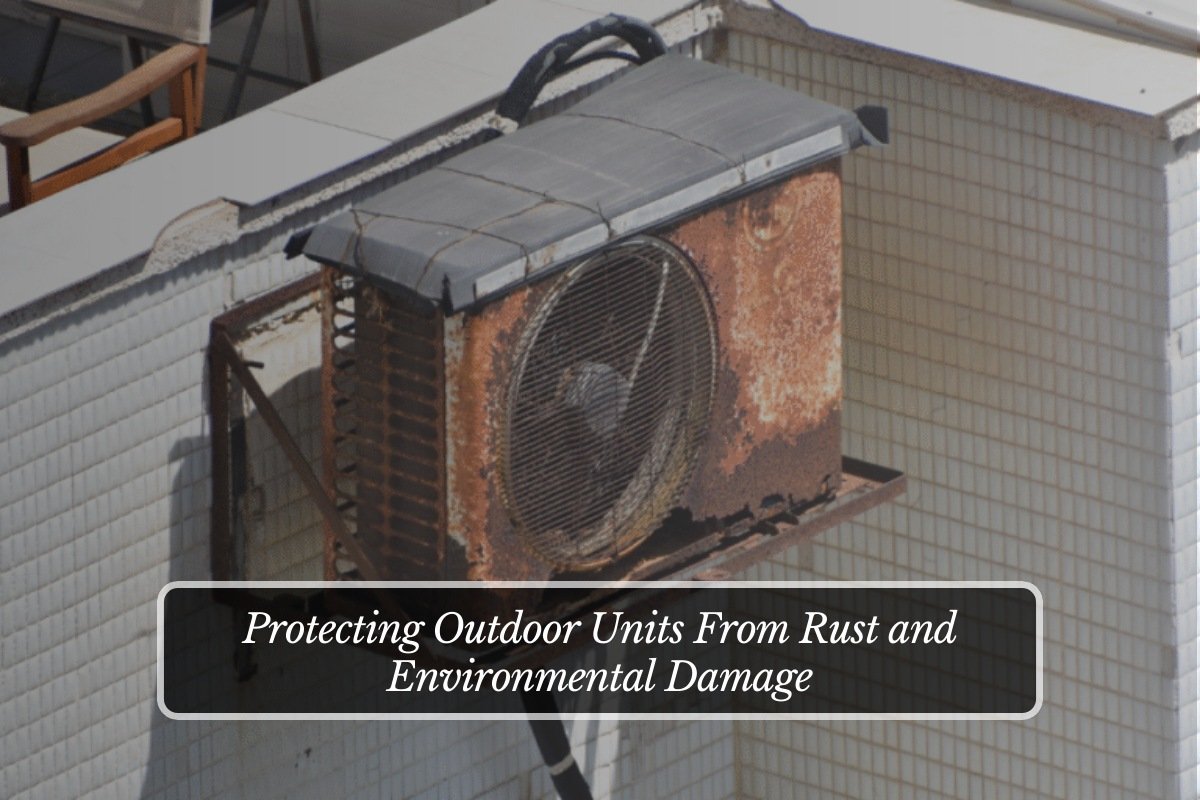
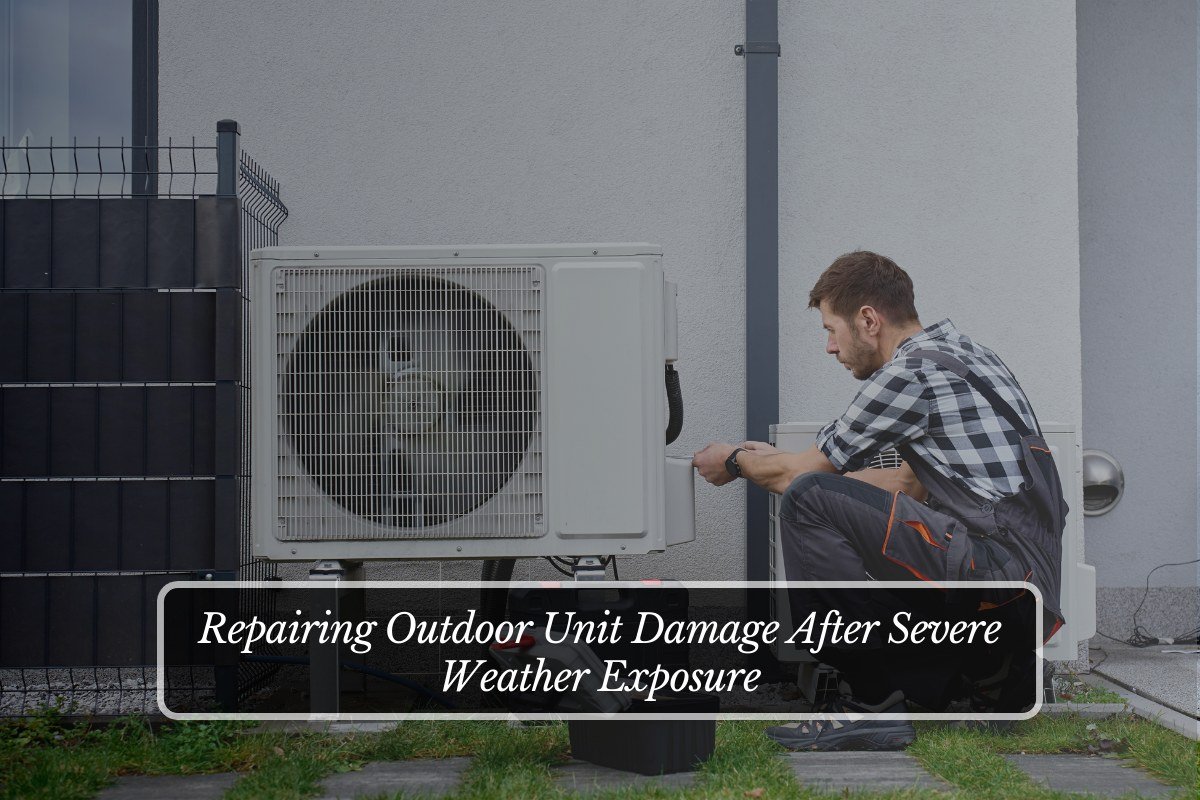
For example, rooftop units require quarterly inspection of outdoor coils, refrigerant levels, and weather‑proofing, while split systems need coordinated care of indoor air handlers and outdoor condensers.
Chilled‑water and central‑plant systems demand special attention to water treatment, pump bearings, and heat‑exchanger cleanliness to avoid efficiency loss and scaling.
Seasonal and predictive strategies
Seasonal transition visits are critical: spring tune‑ups prepare cooling circuits, while fall visits optimize heating components and combustion safety.
Predictive‑maintenance approaches—using sensors, performance logs, and CMMS analytics—help spot trends such as rising energy use or longer run times before equipment fails.
These strategies allow facilities to schedule repairs during off‑peak hours, minimizing disruption to tenants and operations.
Building a professional maintenance plan
A strong maintenance plan starts with a clear schedule that aligns with manufacturer recommendations, local climate, and building occupancy.
Facility managers should work with a licensed HVAC contractor to define:
- Frequency of inspections and filter changes.
- Baseline performance metrics (static pressure, temperature rise/fall, kW/ton).
- Documentation and escalation procedures for abnormal readings.
Written checklists and digital work‑order systems help ensure that every inspection covers filters, coils, electrical components, refrigerant, and controls, not just “quick visual checks.”
FAQ
1. How often should commercial HVAC systems be maintained?
Most experts recommend at least two professional tune‑ups per year (spring and fall) plus monthly basic checks such as filter inspection and visual review of airflow and controls. In high‑use or harsh environments, more frequent inspections may be needed.
2. What are the most common maintenance tasks for commercial HVAC?
Typical tasks include replacing or cleaning air filters, cleaning coils and drain pans, checking and tightening electrical connections, lubricating motors and fans, inspecting belts and pulleys, and verifying thermostat and safety‑control operation. System performance testing and refrigerant‑pressure checks are also standard.
3. Can improper maintenance affect indoor air quality and occupant comfort?
Yes. Dirty filters and coils restrict airflow and allow more dust, allergens, and microbial growth to circulate, which can worsen indoor air quality and trigger health complaints. Poorly maintained systems also struggle to maintain consistent temperatures, leading to hot or cold spots and increased occupant discomfort.
4. Should facilities use CMMS or maintenance software for HVAC upkeep?
Using CMMS or maintenance‑tracking software helps standardize schedules, track work histories, and analyze performance trends, which reduces human error and improves equipment reliability. Many owners find that digital work orders and automated alerts make it easier to justify maintenance budgets by showing clear cost‑savings and uptime gains.
5. What are the benefits of a professional commercial HVAC maintenance contract?
A service contract typically includes scheduled inspections, priority response for emergencies, and discounted labor and parts, which can lower total‑cost‑of‑ownership. It also ensures that only qualified technicians perform high‑risk work such as refrigerant handling and electrical troubleshooting, helping maintain code compliance and safety.