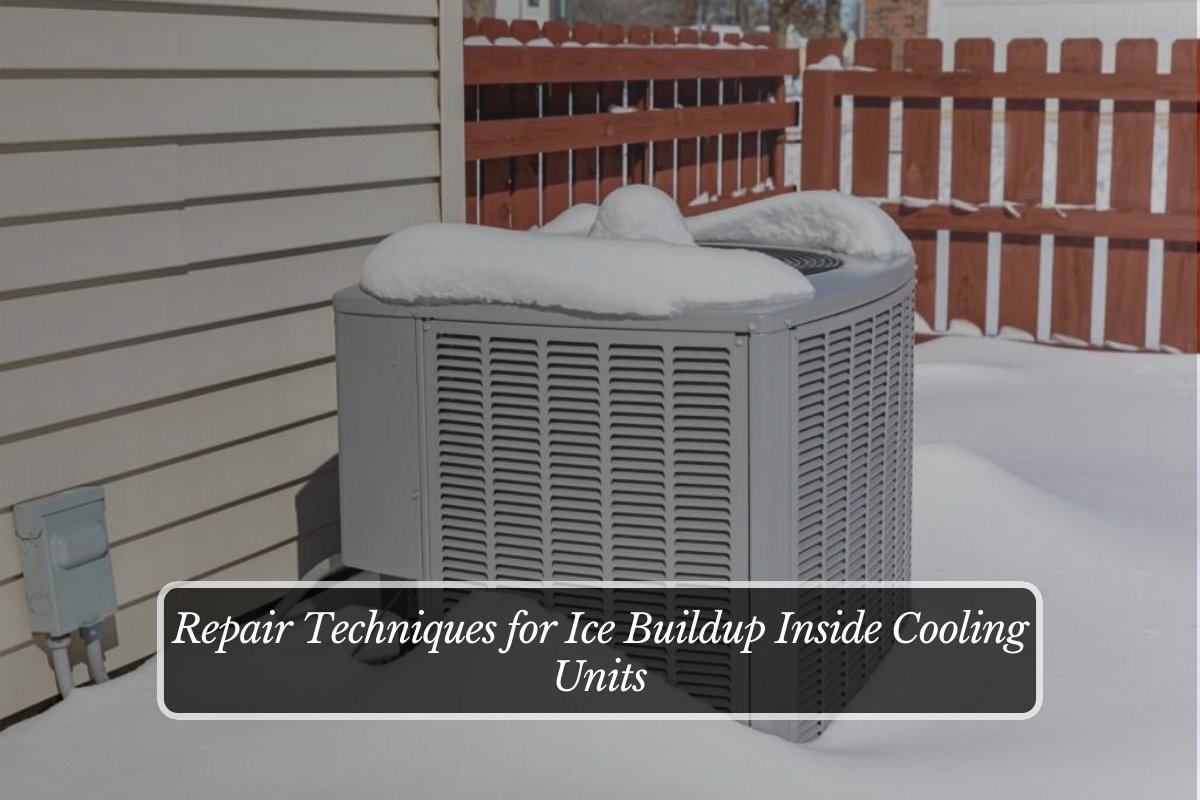
Ice buildup inside cooling units is a common issue faced by HVAC technicians and homeowners alike. Whether in residential air conditioners, commercial refrigeration systems, or automotive HVAC units, excessive ice formation can disrupt normal functioning, reduce efficiency, and even cause long‑term damage. Understanding why ice forms and knowing how to fix it are essential for maintaining efficient cooling performance.
Why Ice Forms in Cooling Units
Ice buildup typically occurs when the evaporator coil — the component responsible for absorbing heat — becomes too cold for extended periods. Instead of vaporizing refrigerant at the right temperature, moisture in the airflow freezes against the coil. Common causes include:
| Cause | Explanation |
|---|---|
| Restricted Airflow | Blocked filters, closed vents, or dirty coils reduce airflow over the evaporator. |
| Low Refrigerant Levels | Insufficient refrigerant causes coils to run colder than designed. |
| Faulty Thermostat or Controls | Incorrect temperature readings can lead to continuous cooling and freezing. |
| Blocked Drainage | Water accumulation around the coil leads to freeze‑over in cold conditions. |
| Malfunctioning Blower Fan | Reduced airflow causes air to stagnate and frost to develop. |
Identifying the correct cause is the first step toward effective repair.
Signs of Ice Build‑Up
Before attempting any repair, recognizing the symptoms is vital. Ice buildup can often be identified visually, known through performance issues, or detected via airflow cues. Key indicators include:
- Visible frost or ice on the evaporator coil or refrigerant lines
- Reduction in cooling capacity
- Higher energy consumption
- Warm air blowing from vents despite the cooling system running
- Water leakage around the indoor unit once ice begins to melt
Step‑by‑Step Repair Techniques
Here are proven techniques HVAC professionals use to resolve ice buildup in cooling systems:
1. Shut Down the System
Always turn off the cooling unit before starting a repair. Running the unit with existing ice can damage the compressor. Allow the ice to fully melt before further inspection.
2. Improve Airflow
Restricted airflow is one of the most frequent sources of ice formation. To restore good airflow:
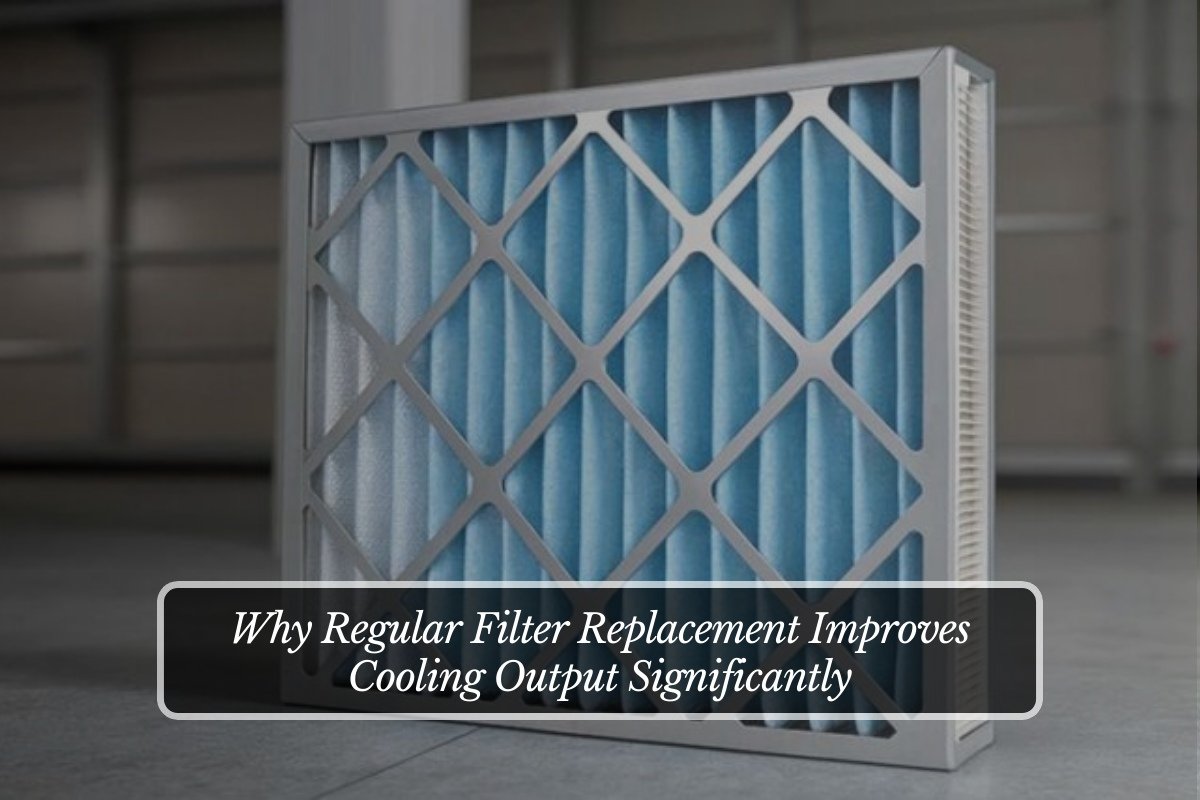
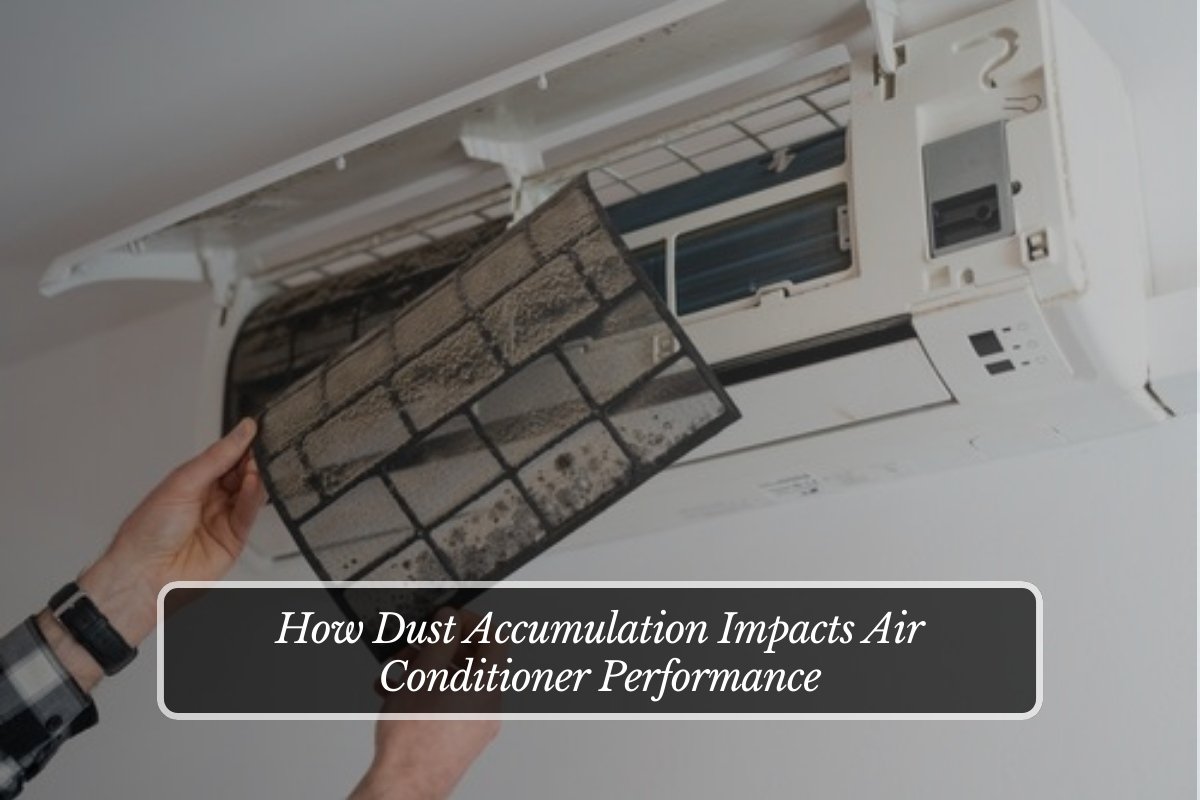
- Replace or clean air filters regularly.
- Ensure vents are open and unobstructed.
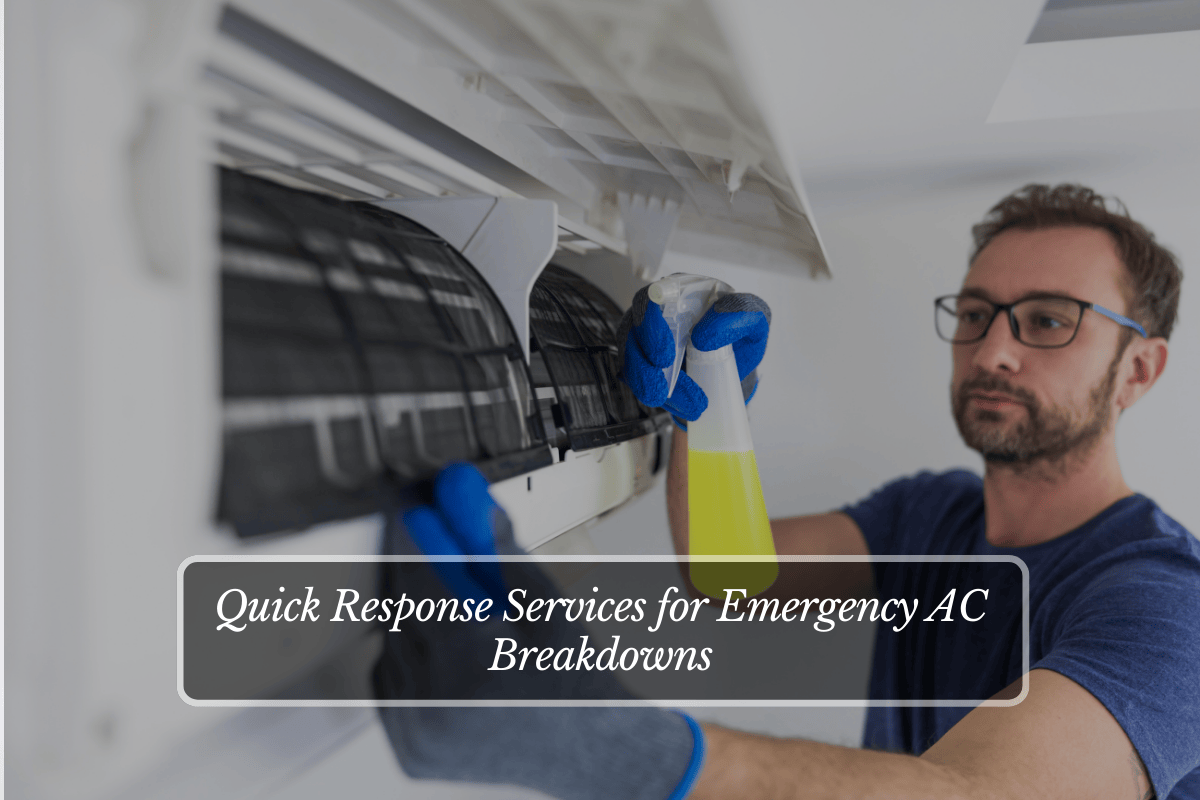
- Clean the evaporator coil using a recommended coil cleaning solution.
3. Check Refrigerant Levels
Low refrigerant can make coils excessively cold. Only certified technicians should measure and adjust refrigerant levels because:
- Overcharging can damage the unit.
- Undercharging indicates a leak that must be repaired.
If refrigerant levels are incorrect, locate and fix leaks before recharging.
4. Inspect the Blower Fan
The blower fan pushes air over the coil. When it fails or slows:
- The coil gets cold but receives less airflow.
- This imbalance causes condensation to freeze.
Clean the fan assembly and verify motor operations. Replace worn belts or bearings when necessary.
5. Examine Drainage Systems
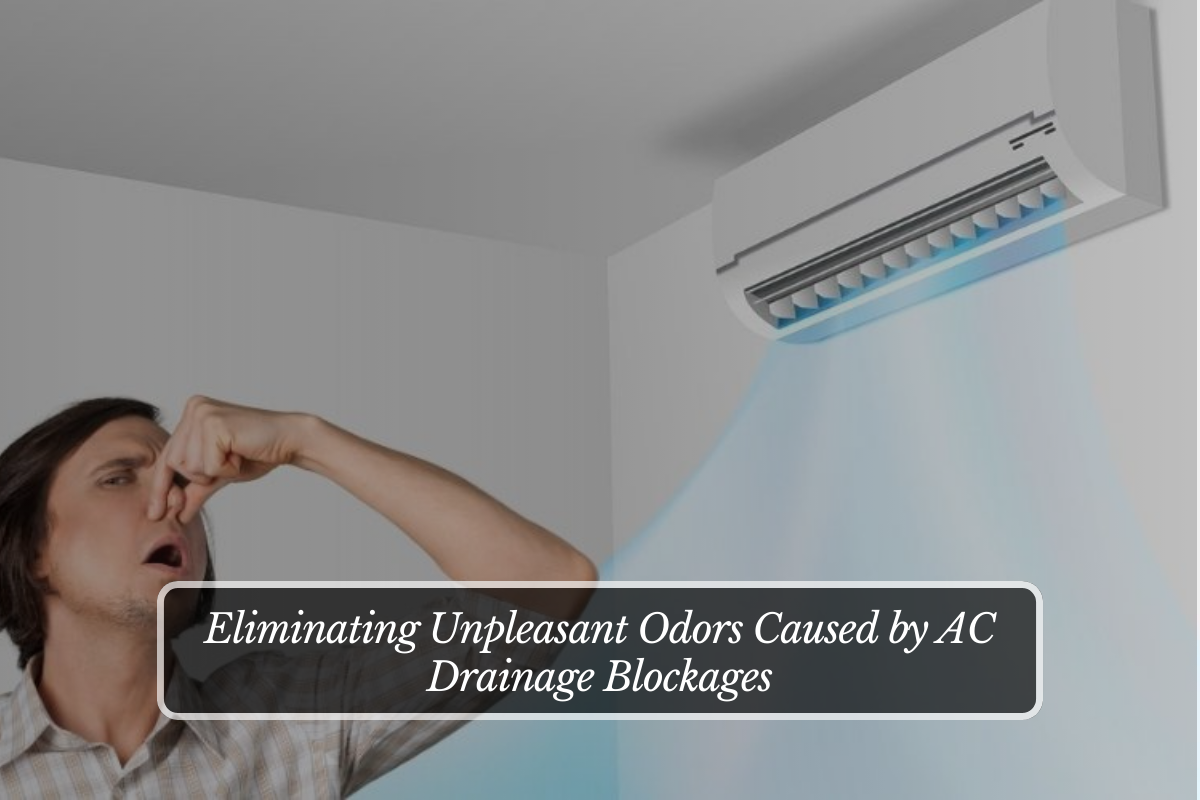
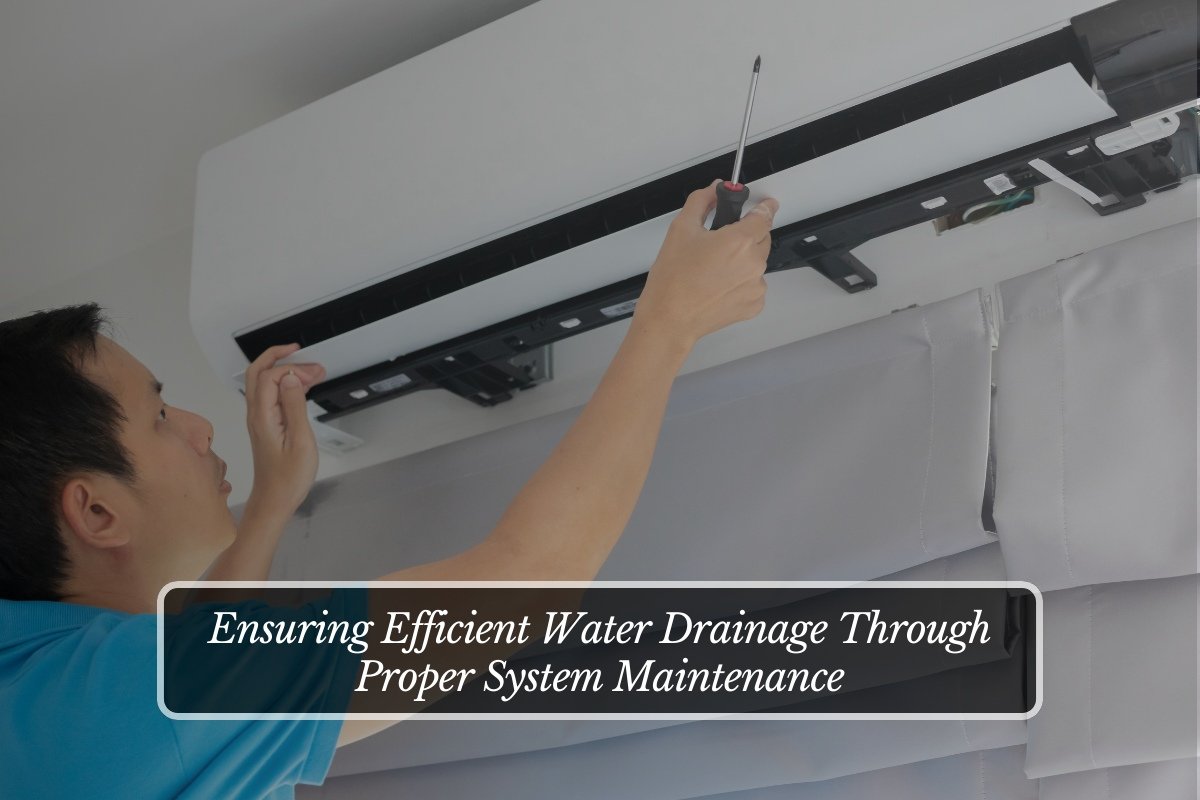
Blocked drains keep moisture from exiting the system. Accumulated water freezes when it contacts cold surfaces. To fix this:
- Clear blockages in drain lines.
- Use a wet/dry vacuum if necessary.
- Ensure the drain pan is intact and positioned correctly.
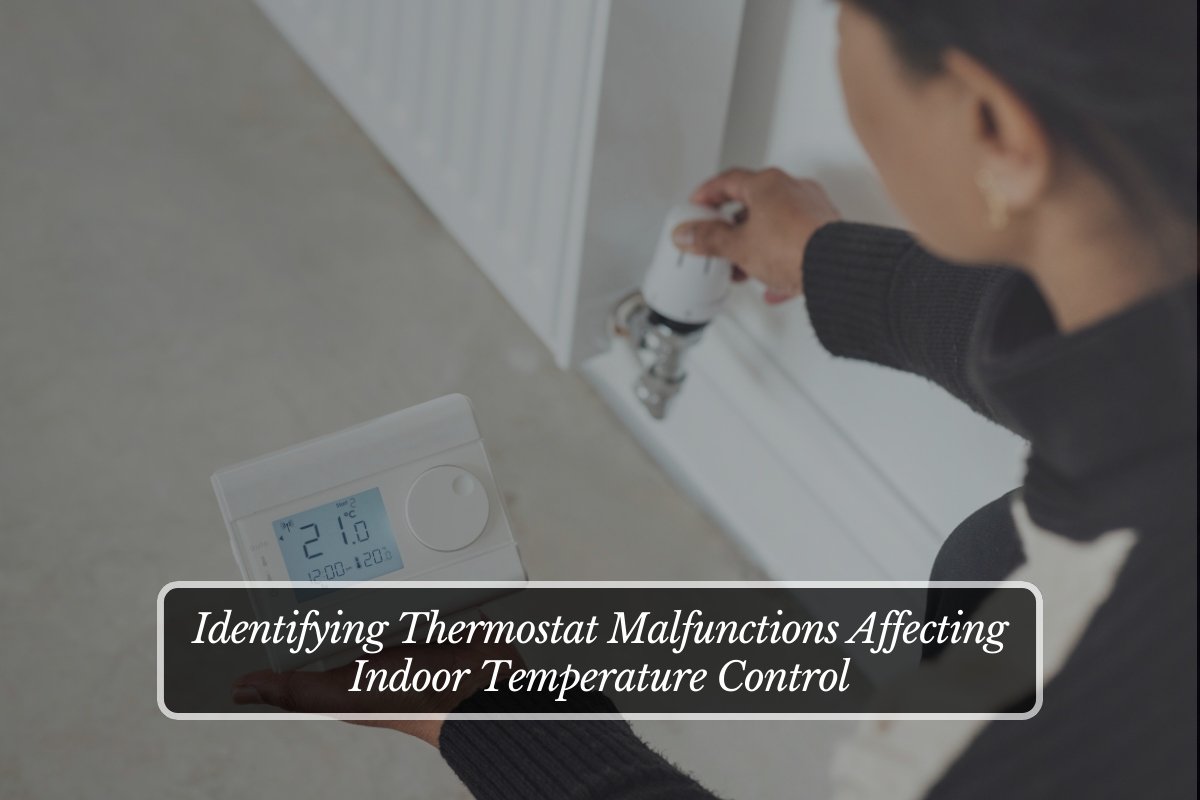
6. Verify Thermostat Functionality
If the thermostat reads inaccurately, the system may run too long or at inappropriate times, causing ice. Test the thermostat with a reliable thermometer. Replace or recalibrate as needed.
Preventive Maintenance Checklist
- Weekly filter inspections — especially during peak cooling months
- Quarterly coil cleaning — to remove dust and debris
- Annual professional servicing — including refrigerant checks
- Ensure proper insulation — on exposed refrigerant lines
- Keep vents and registers free from obstructions
Considerations for Different Cooling Systems
Cooling units vary by complexity and design. While residential AC units and small commercial systems often share similar components, larger refrigeration units might include additional elements like defrost heaters and programmed defrost cycles. Always consult manufacturer manuals for system‑specific guidance.
⚠ Safety First
Always disconnect power before servicing any HVAC component. Improper repairs may void warranties, pose electrical hazards, or damage system components.
FAQs
Q. How long should I turn off the system to melt the ice?
Turn off the system until all visible ice is fully melted — typically several hours. Avoid forcing the ice to break off, as this can damage coils.
Q. Can I just defrost the unit and ignore the cause?
No. Defrosting without diagnosing the cause can lead to recurring ice buildup, reduced efficiency, and potential system failure.
Q. Is ice buildup a sign of a major failure?
Not always. Many causes are correctable with regular maintenance. However, persistent icing may indicate a serious issue like a refrigerant leak or blower failure that requires professional attention.
Q. Are chemical coil cleaners safe to use?
Yes, but use only HVAC‑approved cleaners. Follow manufacturer instructions and wear protective equipment.
Q. How often should I have my cooling unit serviced?
At minimum, once a year by a qualified technician. During heavy usage seasons, twice‑yearly service is recommended.