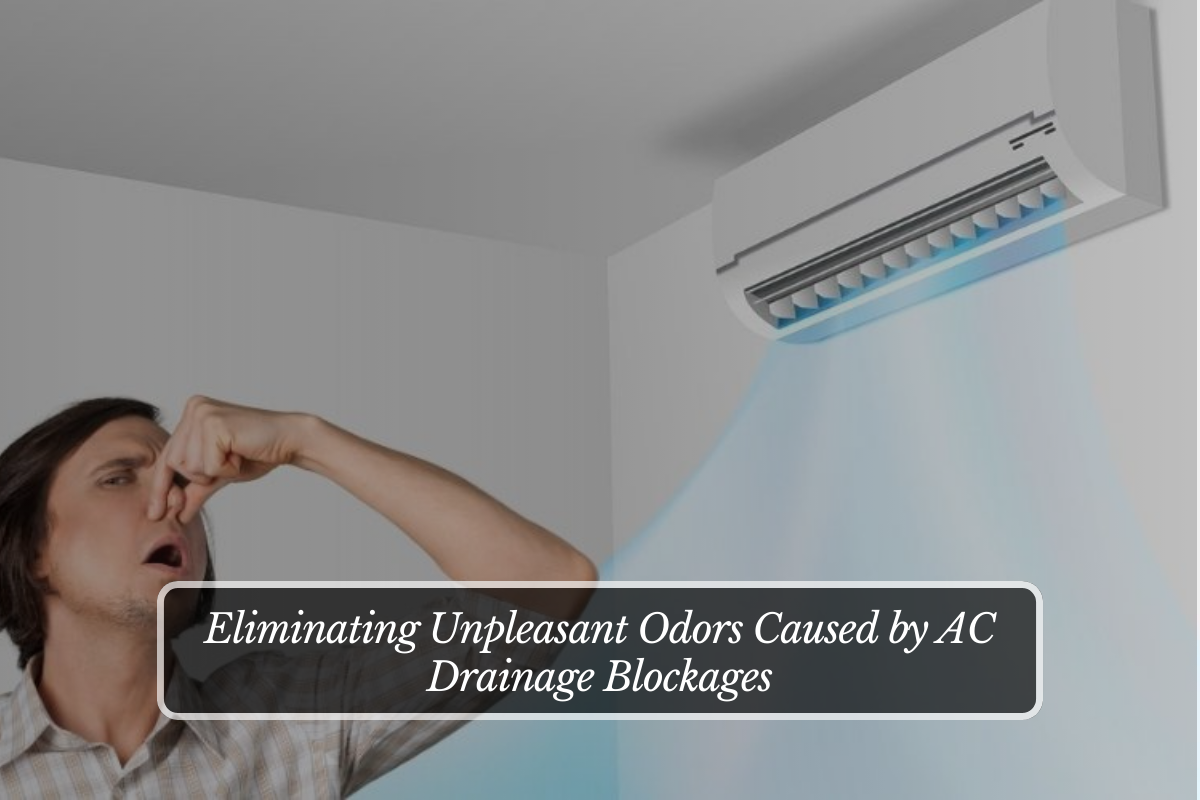
Air conditioning units are essential in maintaining comfort during the warmer months. However, they can sometimes become a source of unpleasant odors, especially when there is a drainage blockage. The problem is often overlooked until it becomes more noticeable. Let’s explore the causes of these odors and how to eliminate them effectively.
Understanding the AC Drainage System
The air conditioning system works by removing moisture from the air as it cools. This moisture is typically drained away through a condensate drain, which directs the water outside of the unit. However, when this drainage system becomes blocked or clogged, the water may accumulate and cause mold, mildew, and bacteria to grow. These microorganisms are often the main culprits behind the foul smells.
Common Causes of Drainage Blockages
Before discussing how to eliminate the odors, it’s crucial to understand the common reasons behind AC drainage blockages. The following table outlines some of the typical causes:
| Cause | Explanation |
|---|---|
| Algae Build-up | Warm, stagnant water can promote algae growth inside the drain line. |
| Mold and Mildew | Moisture accumulation in the drain pan leads to mold and mildew formation. |
| Dirt and Debris | Dust, leaves, or even small insects can clog the drainage pipe. |
| Clogged Filter | A clogged air filter can reduce airflow and increase moisture, leading to drainage issues. |
| Improper Installation | A poorly installed drain line may not properly channel water away, leading to stagnation. |
How Blockages Lead to Odors
When the AC drainage system is blocked, the moisture that should be expelled builds up inside the system. This stagnation promotes the growth of harmful bacteria, mold, and mildew, all of which produce unpleasant odors. These smells can be musty or even foul, making it uncomfortable to use your AC unit.
Steps to Eliminate Unpleasant Odors
Here are some practical steps to eliminate odors caused by drainage blockages and restore your air conditioning system to proper working order:
- Turn off the AC Unit
Always ensure the AC is turned off before attempting any cleaning or inspection to avoid damage or electrical hazards. - Inspect the Drain Line
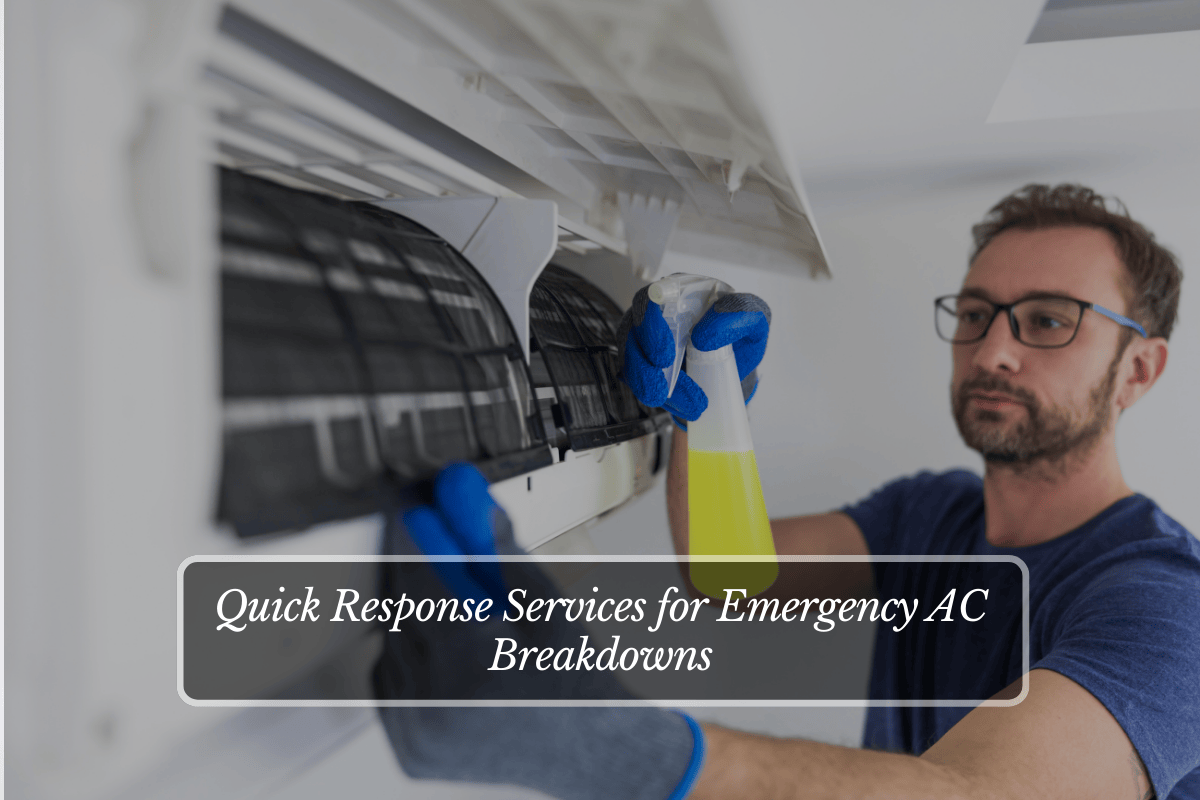
Check the condensate drain line for any visible blockages. You may need a flashlight to look inside the line or pipe. If it’s clogged, use a wet/dry vacuum to clear it. - Clean the Drain Pan
The drain pan is where the water collects before being directed out of the system. Over time, algae and mold can grow in this pan, causing unpleasant smells. Clean the pan thoroughly with soapy water, ensuring no standing water is left behind. - Flush the Drain Line
Once you have removed visible debris, pour a mixture of water and white vinegar into the drain line to clear any remaining build-up. Use a funnel to guide the mixture into the line, then let it sit for a while before flushing it out with water. - Replace the Filter
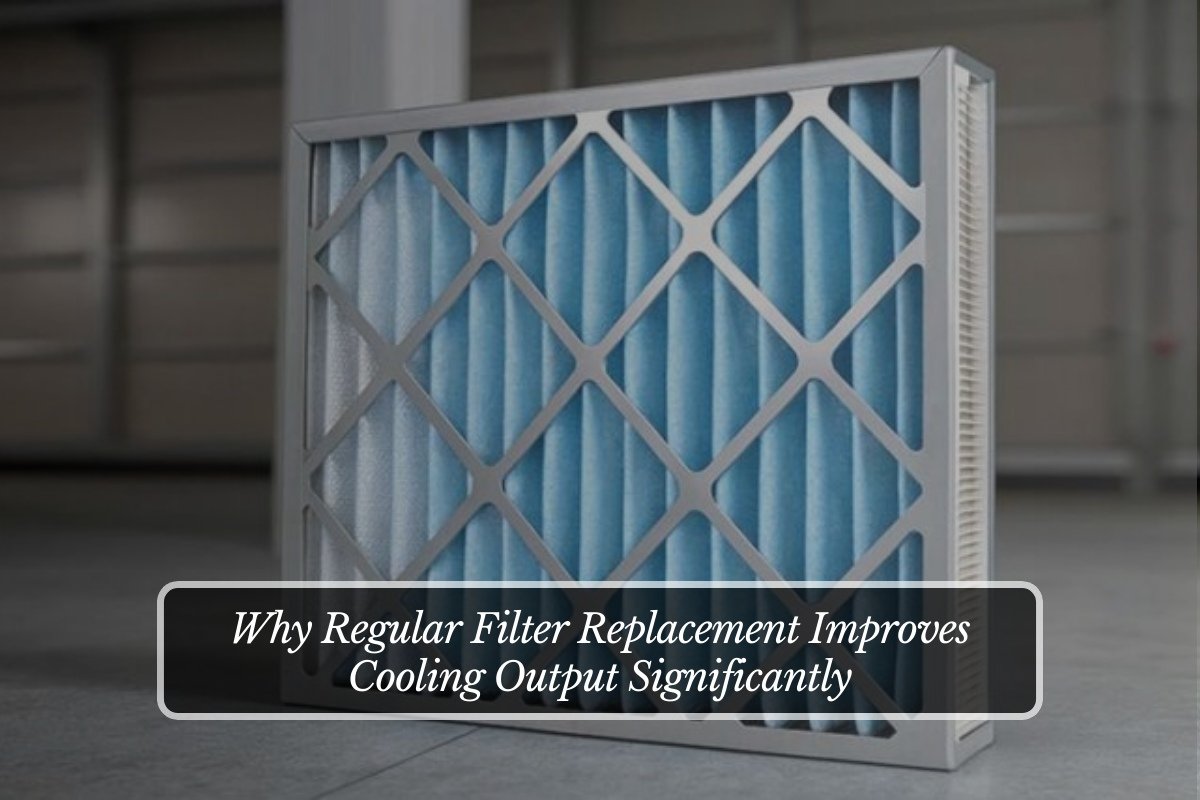
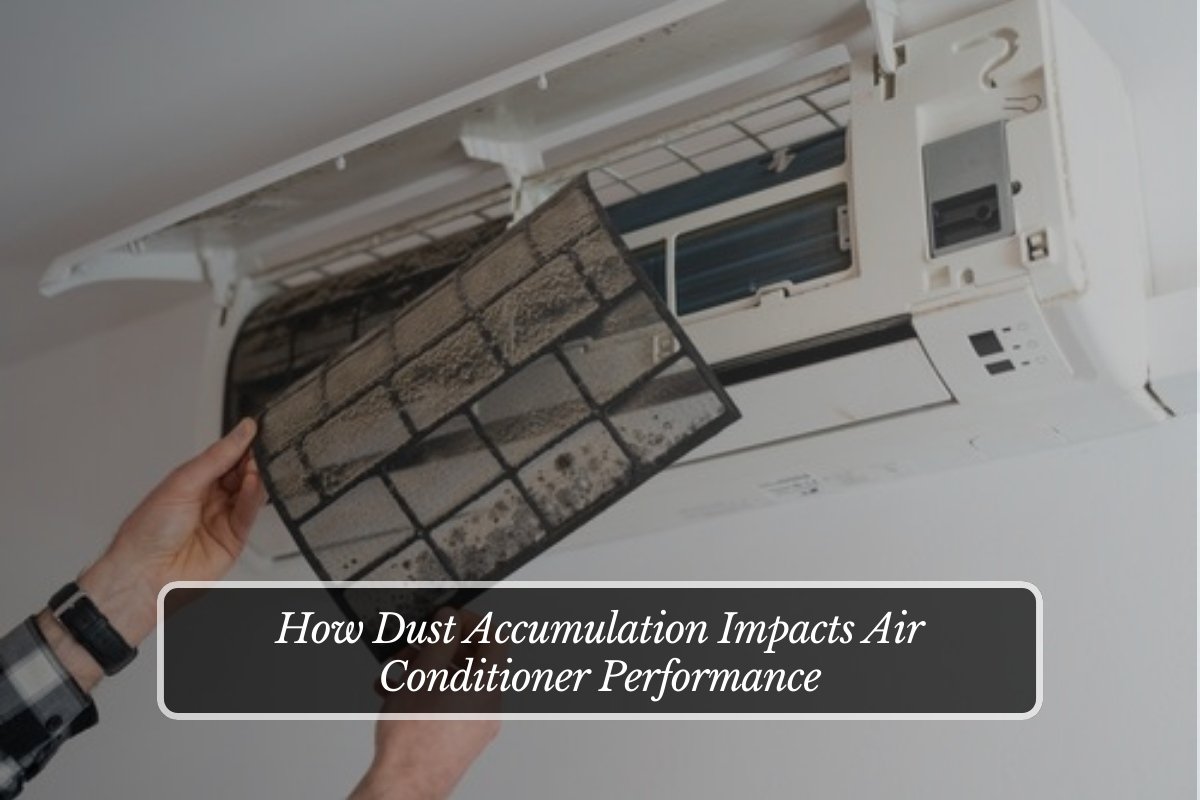
Check and replace the air filter if necessary. A clogged or dirty filter can exacerbate moisture problems and cause drainage issues. - Regular Maintenance
To avoid future issues, it’s important to perform regular maintenance on your AC unit, including cleaning the filters and drain lines and checking for any signs of build-up.
Tips for Preventing Future Blockages
Preventing future blockages is key to keeping your AC odor-free. Follow these tips:
- Clean the Drain Line Regularly: Perform routine inspections and cleanings to avoid long-term build-up.
- Use a Drain Line Additive: Consider using an AC drain line cleaner to help prevent algae and mold growth inside the drainage system.
- Keep the Area Around the AC Clean: Ensure that the area around the air conditioning unit remains free of leaves, dirt, and debris.
- Install a Drain Line Trap: A drain line trap can help to prevent blockages caused by debris and improve the system’s efficiency.
FAQs
Q. How often should I clean my AC drainage system?
It’s recommended to clean the AC drainage system at least once a year, although doing it every six months can help prevent serious blockages.
Q. Can I use bleach to clean the drain line?
While bleach can kill bacteria, it is not recommended because it can corrode certain parts of the AC system. Instead, use white vinegar or a specialized drain line cleaner.
Q. What are the signs that my AC drain line is clogged?
Signs of a clogged drain line include water pooling around the AC unit, a musty or foul smell, and reduced cooling performance. If you notice any of these, it’s time to check the drainage system.
Q. Can a blocked drainage system damage my AC?
Yes, if left unaddressed, a blocked drainage system can cause water to back up into the unit, leading to potential damage to the evaporator coils, rusting, and even mold growth within the system.
Q. Is it necessary to call a professional for a blocked drain?
If you’re unable to clear the blockage yourself or if the issue persists after cleaning, it’s advisable to contact a professional HVAC technician to inspect and repair your AC system.