How airflow management improves overall cooling effectiveness indoors by optimizing air distribution, reducing energy waste, and eliminating hot/cold spots in US homes and offices. Experts use zoning, vent strategies, and maintenance to boost efficiency by 20-30%, ensuring even temperatures and lower bills during peak summer loads.
Why Airflow Drives Cooling Success
Poor airflow makes AC units cycle inefficiently, raising energy use 15-25% as systems struggle against restrictions like dirty filters or blocked vents. Proper management circulates conditioned air evenly, mixes it with room air for uniform temps (±2°F), and exhausts heat faster—VAV systems alone cut cooling energy 13-28% via demand-based flow. In humid US regions, it also dehumidifies effectively, preventing muggy discomfort.
Key Airflow Principles
- Stratification Control: Cool air sinks—supply high, return low for natural convection.
- Velocity Balance: Keep <50 FPM to avoid drafts; >400 CFM/ton capacity.
- Static Pressure: <0.5″ wg ideal; high pressure signals clogs. ASHRAE standards guide residential 350-400 CFM/ton.
Expert Techniques
Fans + zoning compound savings; night purging flushes heat in mild climates.
System Design Best Practices
Short/straight ducts minimize resistance; insulate in attics (R-8). High-SEER units (16+) pair with ECM blowers for part-load efficiency. Smart controls (Ecobee/Nest) balance via occupancy sensors, learning patterns for auto-adjust. PTAC rooms thrive with louvered doors aiding cross-flow.
Maintenance for Sustained Flow
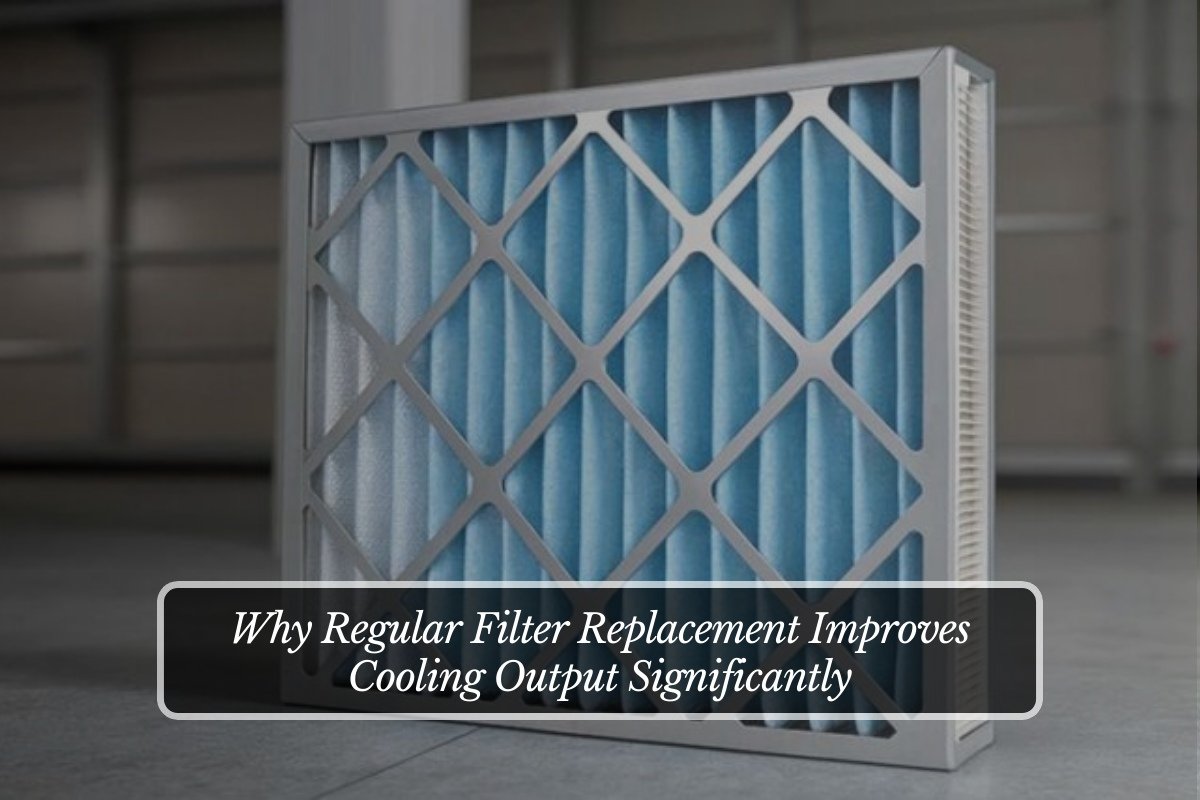
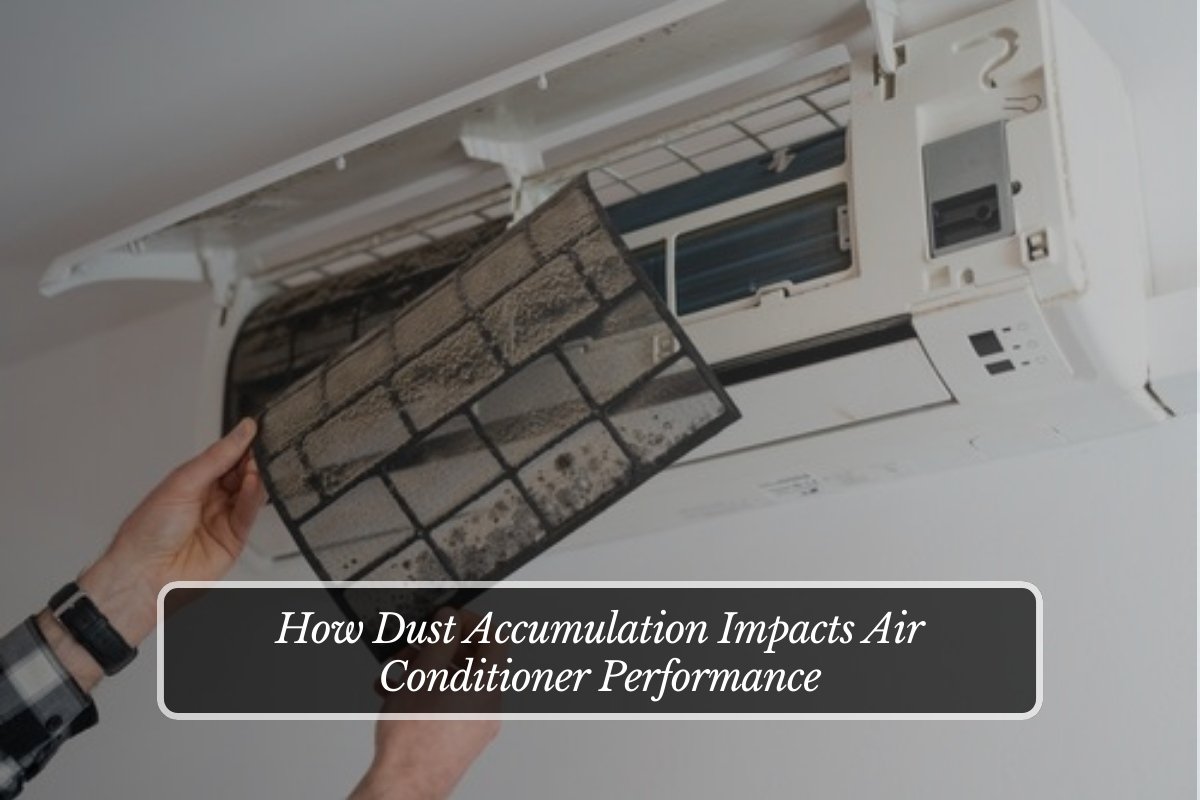
Monthly filter swaps prevent 25% restriction; annual coil cleans restore 30% transfer. Test static pressure yearly—pro balometers pinpoint issues. Dirty ducts? NADCA cleaning boosts flow 20%. ENERGY STAR data centers apply similar containment/hot aisle tricks to homes via room dividers.
US Regional Tweaks
Southeast humidity: Boost dehumid flow. Southwest dust: HEPA pre-filters. Northeast swings: Insulated flex ducts. Measure success with anemometers or apps tracking runtime/deltas.
Health and ROI Benefits
Uniform flow stabilizes humidity (40-60%), cuts allergens, reduces dissatisfaction 32-62%. Payback: 1-3 years on $1-3K upgrades via 20% bill drops (avg $250/yr savings).
FAQs
How much do fans save on cooling?
3-5°F perceived; raise thermostat 4°F safely.
Zoning for apartments?
Mini-splits or smart vents; 20% savings.
Static pressure too high?
Clean filters/coils; <0.5″ wg target.
Duct leaks common?
20-30% loss; seal for quick ROI.
VAV residential viable?
Yes, retrofit kits cut 13-28%.