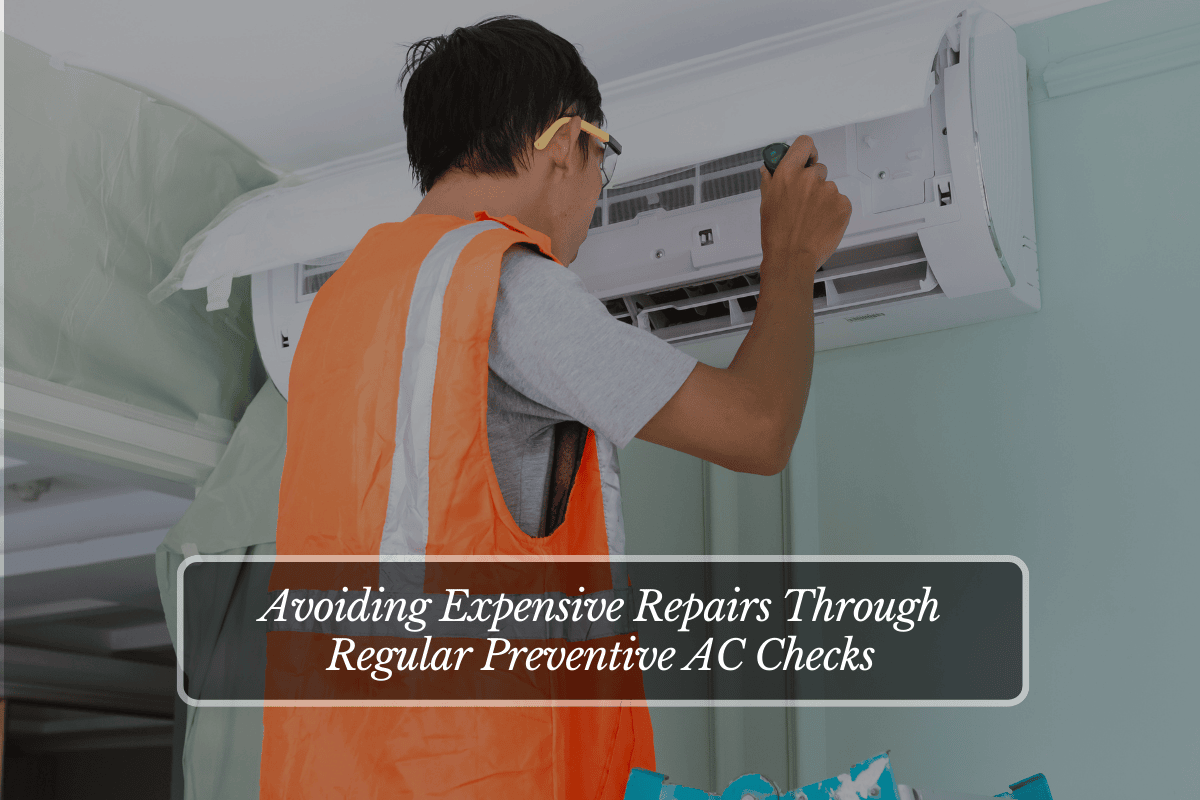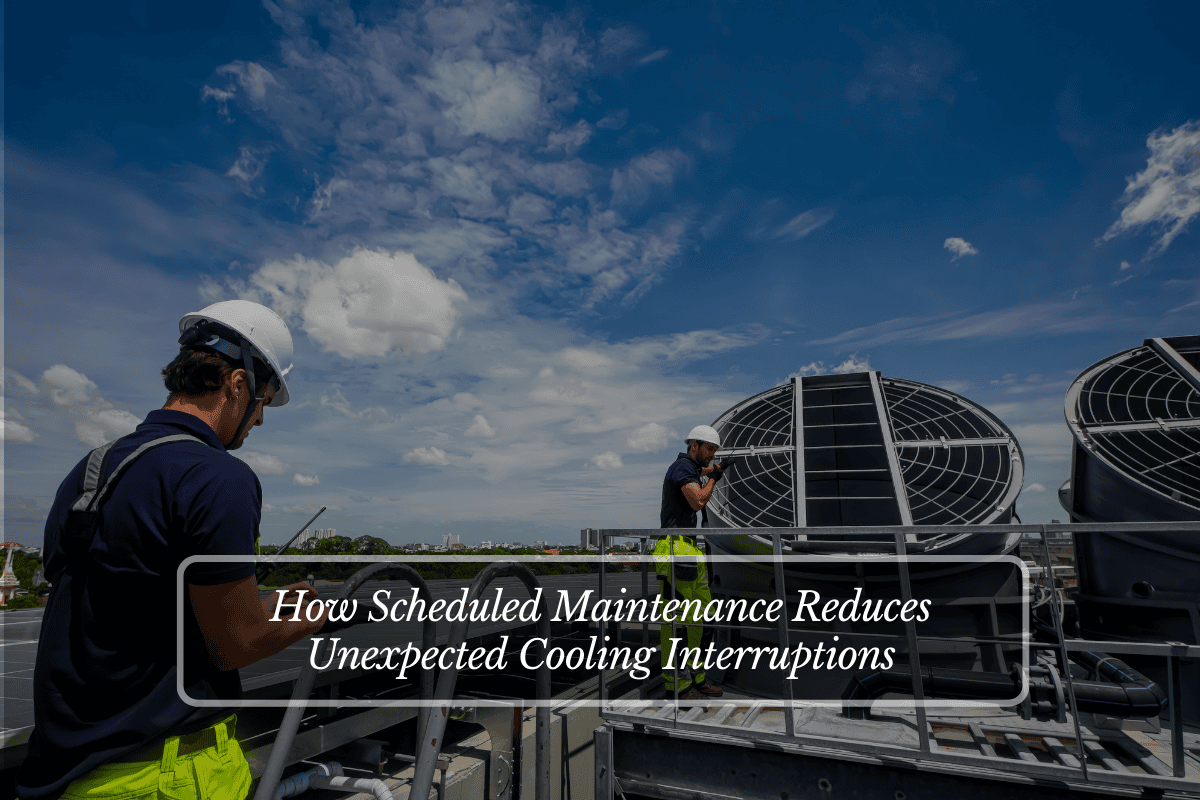
Scheduled maintenance for cooling systems prevents unexpected breakdowns by addressing wear proactively, ensuring reliable performance during peak US summer demands. Regular checkups—quarterly for most homes—cut emergency calls by 70-80%, extend equipment life 5-10 years, and save 10-20% on energy bills through optimized operation.
Why Maintenance Matters
Cooling interruptions often stem from neglected issues like dirty coils (raising temps 5-10°F), low refrigerant (from slow leaks), or failing capacitors (80% of summer failures). Without schedules, small problems cascade: a clogged filter starves airflow, overworks the compressor, and triggers shutdowns. Proactive service spots these early, maintaining 95% uptime versus 60-70% for reactive systems.
Core Maintenance Tasks
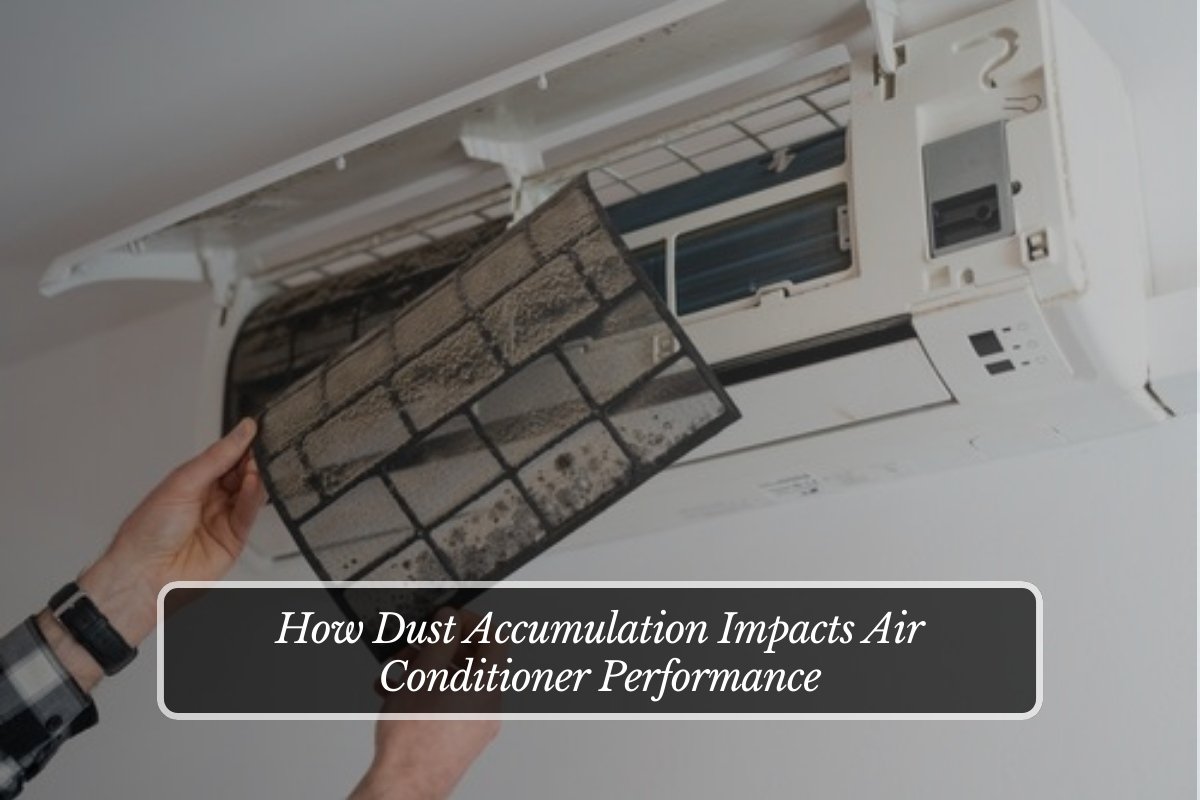
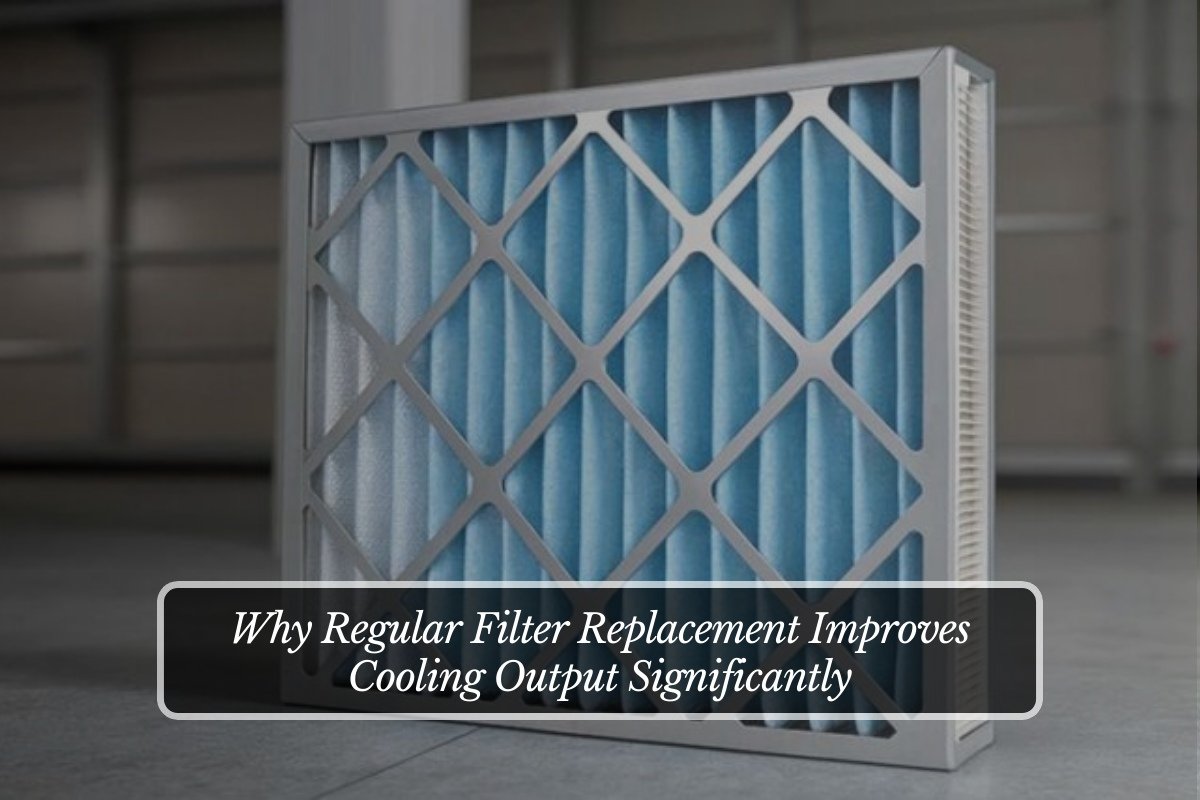
- Filters: Swap monthly (or quarterly for high-MERV); clogs cut airflow 25%, forcing 15% harder operation.
- Coils: Clean evaporator/condenser annually—dirt insulates, slashing efficiency 30%.
- Refrigerant: Check levels/pressure; top off leaks (EPA-certified tech only).
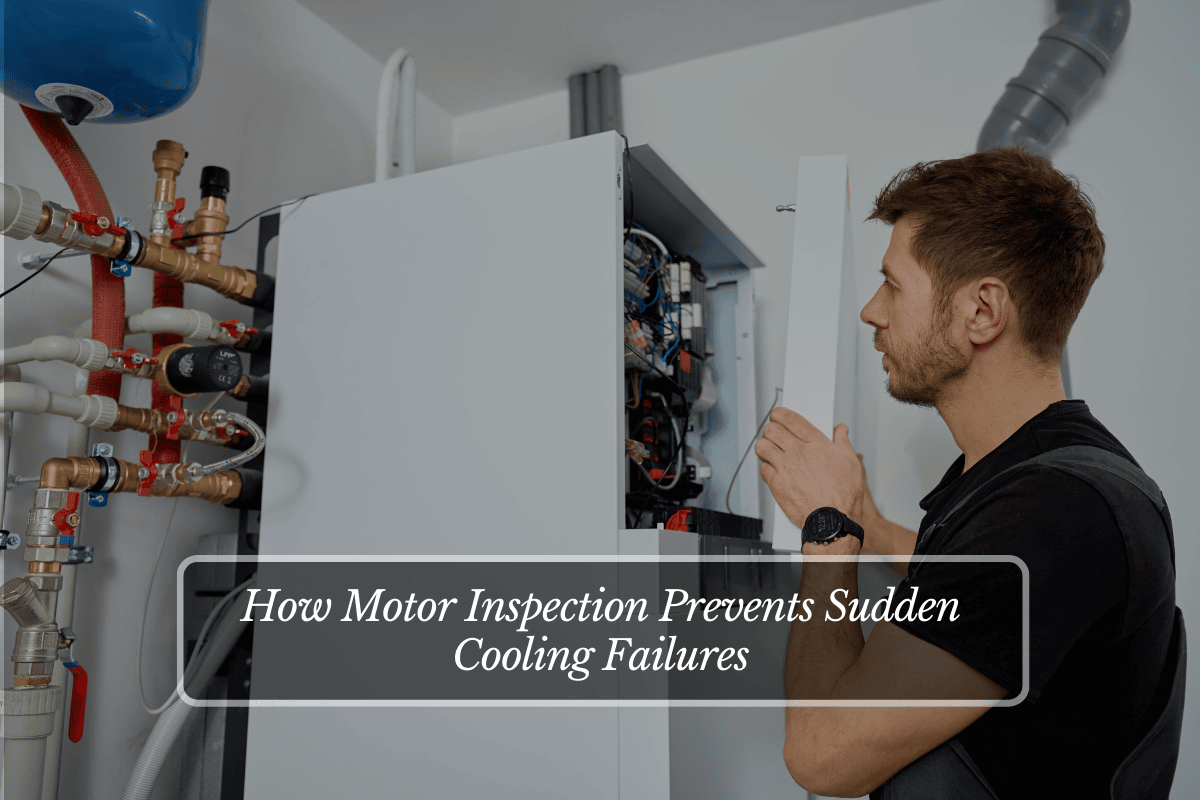
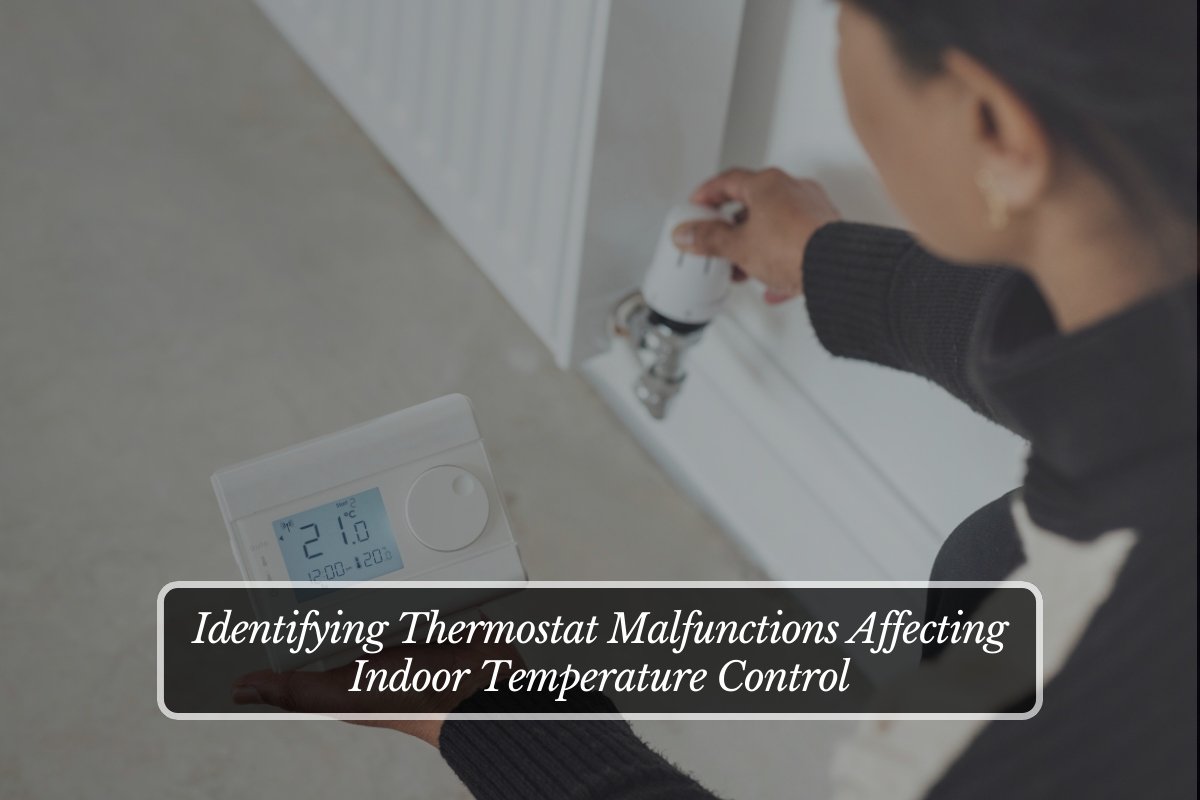
- Electrical: Inspect capacitors, wiring, thermostats—replace proactively.
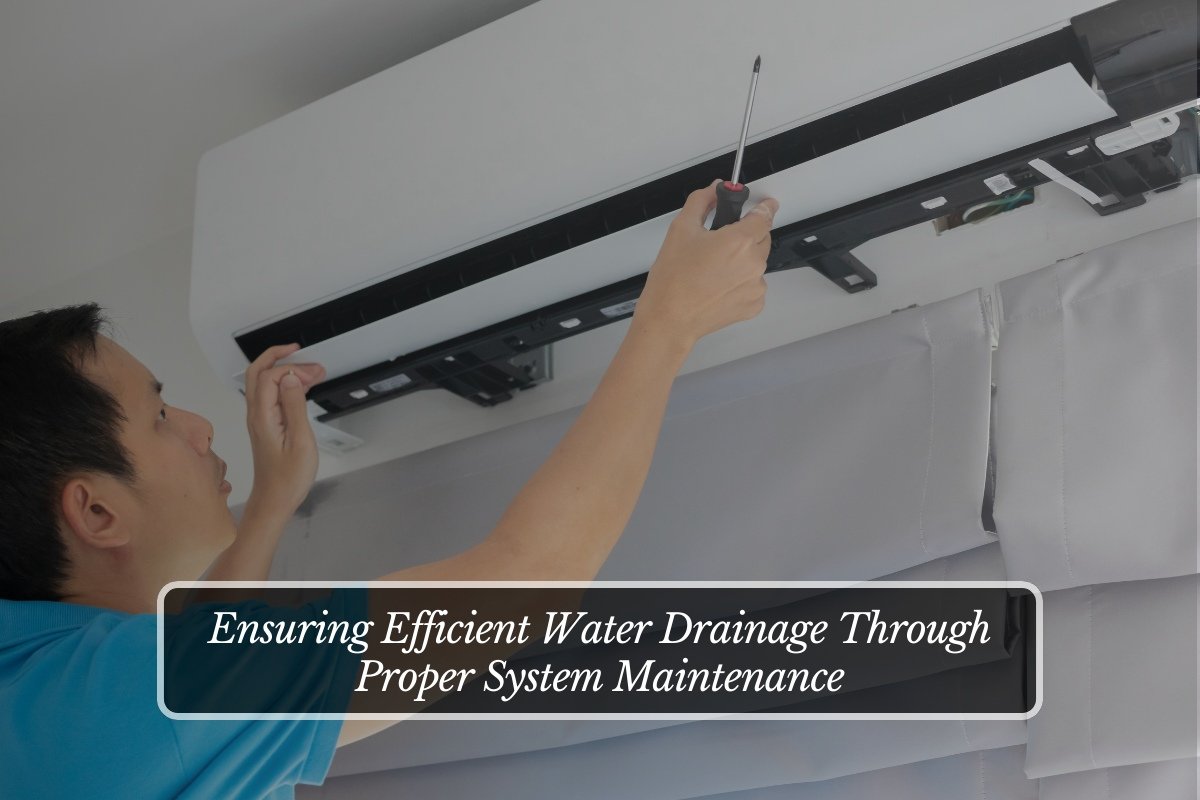
- Drain Lines: Flush to prevent clogs/water damage.
- Ductwork: Seal leaks (20-30% loss common).
- HVAC pros follow ASHRAE protocols; DIY handles basics like filters.
Recommended Schedules
| Component | Frequency | Benefit | DIY/Pro |
|---|---|---|---|
| Air Filters | Monthly | 15% efficiency gain | DIY |
| Coils & Fins | Biannual | 20-30% better heat transfer | Pro |
| Refrigerant Check | Annual | Prevents 50% failures | Pro |
| Capacitors/Contactor | Annual | Avoids 80% sudden stops | Pro |
| Drain Pans/Lines | Quarterly | Stops water backups | DIY/Pro |
| Full System Tune-Up | Biannual (spring/fall) | 70% fewer breakdowns | Pro |
Spring prep ensures summer readiness; fall checks winterize.
Energy and Cost Savings
Clean systems run 10-20% more efficiently per DOE data, trimming $100-300 yearly bills. Extended life (15-20 years vs. 10-12) amortizes $5K units over decades. Fewer emergencies dodge $500-2K service fees; warranties often require proof of maintenance. Zoning + smart thermostats amplify gains.
US Climate Considerations
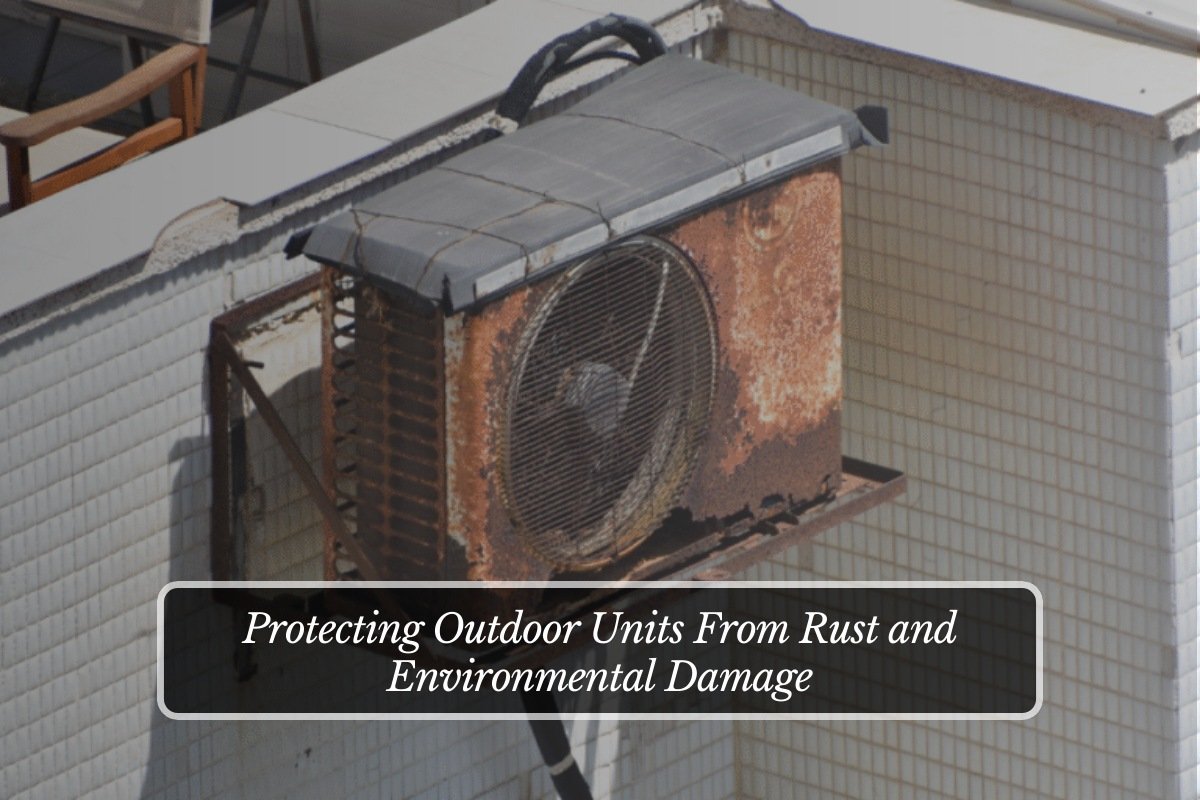
Hot/humid South (e.g., Florida): Quarterly drains combat algae. Dry Southwest: Focus dust filters. Cold North: Annual defrost checks. Coastal salt air? Rinse condenser coils extra. ENERGY STAR-certified maintenance kits simplify.
Early Warning Signs
Monitor for: uneven cooling, weak air, higher bills, odd noises, icing coils. Log runtime; spikes signal trouble. Apps like Nest track usage trends.
Implementation Tips
- DIY Checklist: Filters, coils (compressed air), vents.
- Pro Contracts: $100-200/visit; multi-year discounts.
- Records: Document dates/parts for warranty/ROI proof.
- Upgrades: Pair maintenance with ECM motors (60% savings), variable-speed compressors.
Long-Term Reliability
Consistent care yields 95% first-year uptime, dropping to 85% by year 15 without it. Insurance discounts (5-10%) reward documented plans.
FAQs
How often full HVAC tune-up?
Biannual—spring for cooling, fall for heating.
What causes most summer breakdowns?
Capacitors (80%), low refrigerant, dirty coils.
DIY vs. pro maintenance?
DIY filters/drains; pro refrigerant/electrical.
Savings from regular service?
10-20% energy, 70% fewer emergencies.
Does maintenance extend AC life?
Yes, 5-10 years; 15-20 total vs. 10-12.