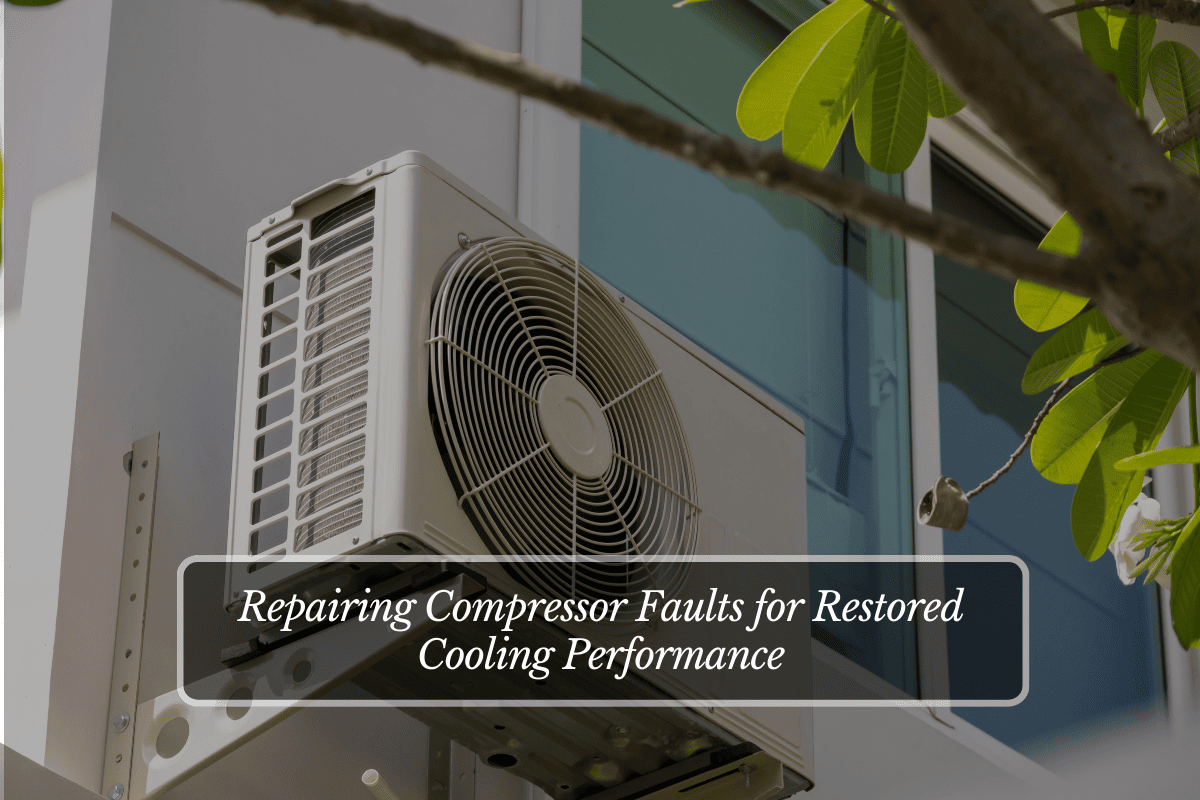
Repairing compressor faults restores optimal cooling performance by addressing core issues like electrical failures, overheating, or mechanical seizures in air conditioners. While compressors are robust, early intervention via diagnostics and targeted fixes prevents full replacement, saving 50-70% in costs for residential and commercial units.
Diagnosing Compressor Problems
Start with power checks: use a multimeter to verify voltage at terminals (typically 220-240V) and test capacitors for microfarad ratings—bulging or zero readings signal failure. Listen for humming without startup (locked rotor) or clicking relays, indicating low refrigerant or bad windings. Measure amp draw; overloads above nameplate (e.g., 10-15A for 1.5-ton) point to shorts.
Safety First Protocols
Always disconnect power at the breaker and discharge capacitors to avoid shocks—use insulated tools and wear gloves/goggles. Recover refrigerant legally with a gauge set and recovery machine before disassembly, as venting violates EPA rules. Place fire extinguishers nearby for brazing risks.
Common Electrical Fixes
Replace start/run capacitors (common $20-50 fix)—match uf/MFD and voltage ratings precisely. Tighten frayed wiring or corrode terminals; clean contacts with electrical cleaner. For hard starts, install SPP5 kits temporarily to jolt seized rotors, but diagnose root causes like low oil.
Cleaning and Lubrication
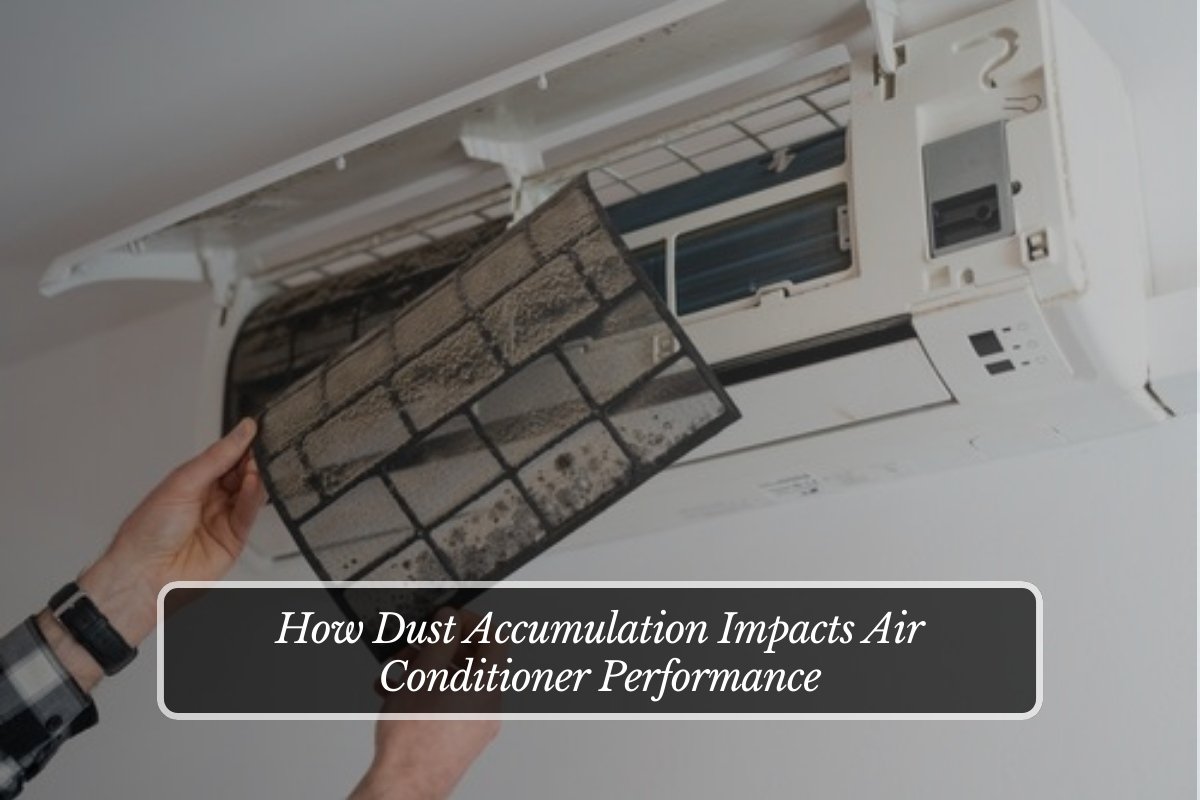
Dirt-clogged condenser coils overheat compressors—hose fins gently (power off) or use coil cleaner, straightening bends with fin combs. Flush oil ports if accessible, adding compressor oil (POE or mineral per model) to reduce friction. Vacuum moisture post-clean for purity.
Refrigerant and Mechanical Repairs
Low charge strains compressors—leak-test with soap bubbles or UV dye, then recharge to spec (e.g., 40-50 psi suction). For seized units, tap lightly (locked rotor fix) or disassemble crankcase to free pistons, replacing valves if scored. Flush lines with nitrogen to clear debris before reassembly.
Replacement Procedures
Cut suction/discharge lines, cap ends, and unbolt compressor (4-6 bolts). Install new unit with fresh oil, braze joints (nitrogen purge to prevent oxidation), evacuate to 500 microns, then recharge. Replace receiver-drier and filter to avoid contamination.
Testing Post-Repair
Run in fan mode first, check pressures (high 225-250 psi, low 60-80 psi at 80°F ambient), monitor superheat/subcooling (8-12°F/10-15°F ideal), and amp draw. Cycle 3-4 times; listen for smooth operation without vibrations.
Repair vs. Replace Decision Table
Preventive Measures
Annual tune-ups catch 80% faults early; use hard-start kits in high-heat areas like Panipat; ensure 2-3 ft clearance around units. Inverter models resist surges better than fixed-speed.
When to Call Experts
Compressors over 10 years or with burnt windings demand pros—DIY risks voiding warranties or EPA fines. Expect $500-1500 for repairs vs. $2000+ replacement; efficiency drops post-fix signal swap time.
FAQs
Can I DIY capacitor replacement?
Yes—discharge first, match specs; common 40% of startup issues.
What fixes humming compressors?
SPP5 hard-start or oil top-up; persistent means windings damage.
Safe refrigerant handling?
Recover fully, use certified gauges; venting illegal.
Post-repair pressure norms?
Suction 60-80 psi, discharge 225-250 psi at standard temps.
Repair cost vs. new unit?
$500-1500 vs. $2000+; over 50% savings if under 10 years old.