Air conditioning systems depend heavily on clean coils to deliver efficient and consistent cooling. Over time, evaporator and condenser coils accumulate dust, dirt, and debris that restrict heat exchange. When coils are dirty, the system must work harder to cool indoor spaces, resulting in reduced performance and higher energy consumption. Regular coil cleaning is one of the most effective maintenance practices for dramatically improving cooling efficiency.
Understanding the Role of AC Coils
Air conditioners use two primary coils:
- Evaporator Coil (Indoor Unit): Absorbs heat from indoor air.
- Condenser Coil (Outdoor Unit): Releases absorbed heat into the outside environment.
Efficient heat transfer depends on unrestricted airflow and clean coil surfaces. Even a thin layer of dust acts as insulation, reducing heat exchange efficiency.
How Dirty Coils Affect Cooling Performance
When coils are covered with grime, several issues arise:
- Reduced heat absorption and release
- Longer cooling cycles
- Increased compressor workload
- Higher electricity consumption
- Uneven indoor temperatures
Dirty coils force the system to operate longer to achieve the desired temperature, placing strain on internal components.
Performance Impact Overview
| Condition of Coils | System Effect | Result |
|---|---|---|
| Clean Coils | Efficient heat transfer | Faster cooling |
| Light Dust Buildup | Slight airflow restriction | Moderate efficiency loss |
| Heavy Dirt Accumulation | Poor heat exchange | High energy use & weak cooling |
| Severe Blockage | Overheating risk | Possible system failure |
Regular cleaning prevents these performance declines.
Key Benefits of Regular Coil Cleaning
1. Improved Heat Transfer Efficiency
Clean coils allow refrigerant to absorb and release heat effectively. This ensures optimal cooling cycles and consistent indoor comfort.
2. Lower Energy Bills
When coils are clean, the compressor operates under less stress. Reduced runtime translates into noticeable energy savings.
3. Faster Temperature Regulation
A clean system reaches set temperatures more quickly, minimizing unnecessary system cycling.
4. Extended Equipment Lifespan
Reduced strain on mechanical components decreases wear and tear, extending the life of the compressor and fan motors.
5. Improved Indoor Air Quality
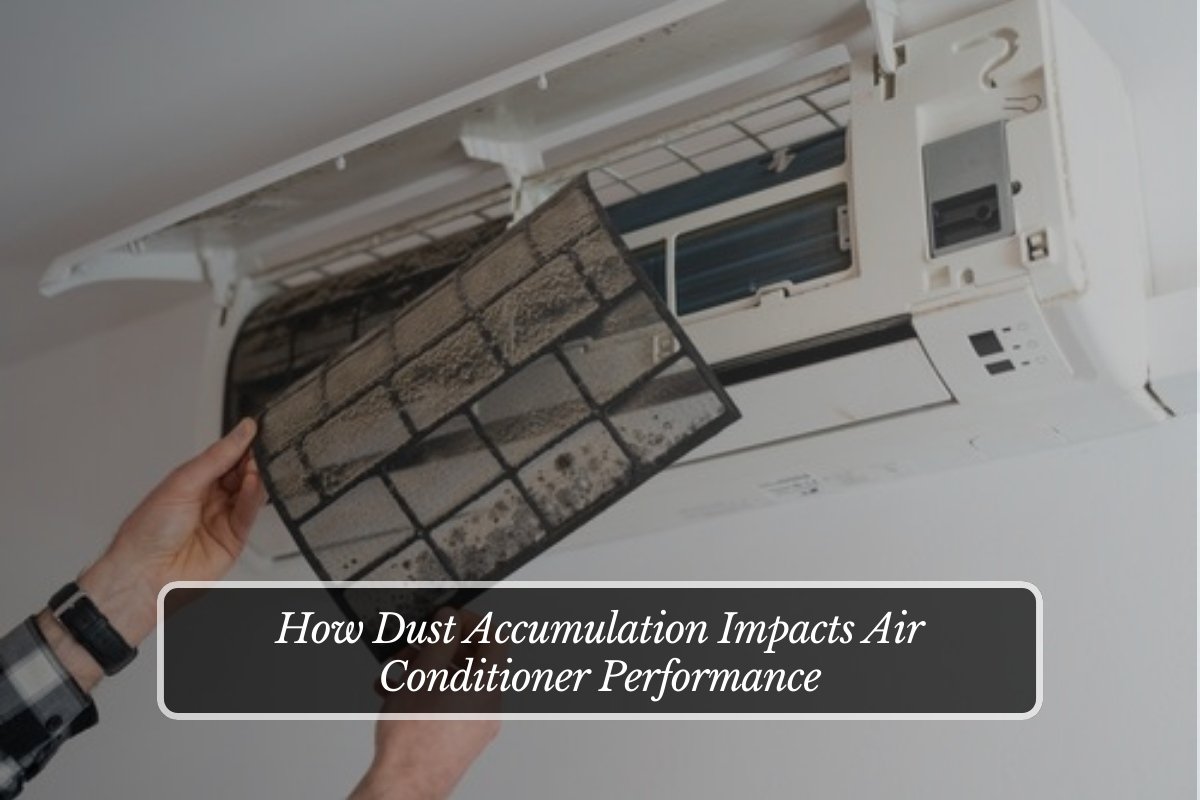
Cleaner evaporator coils reduce mold and dust buildup, promoting healthier indoor air.
Signs Your Coils Need Cleaning
Watch for these warning signs:
- Weak airflow from vents
- AC running continuously
- Higher-than-normal utility bills
- Ice buildup on evaporator coils
- Warm air coming from the unit
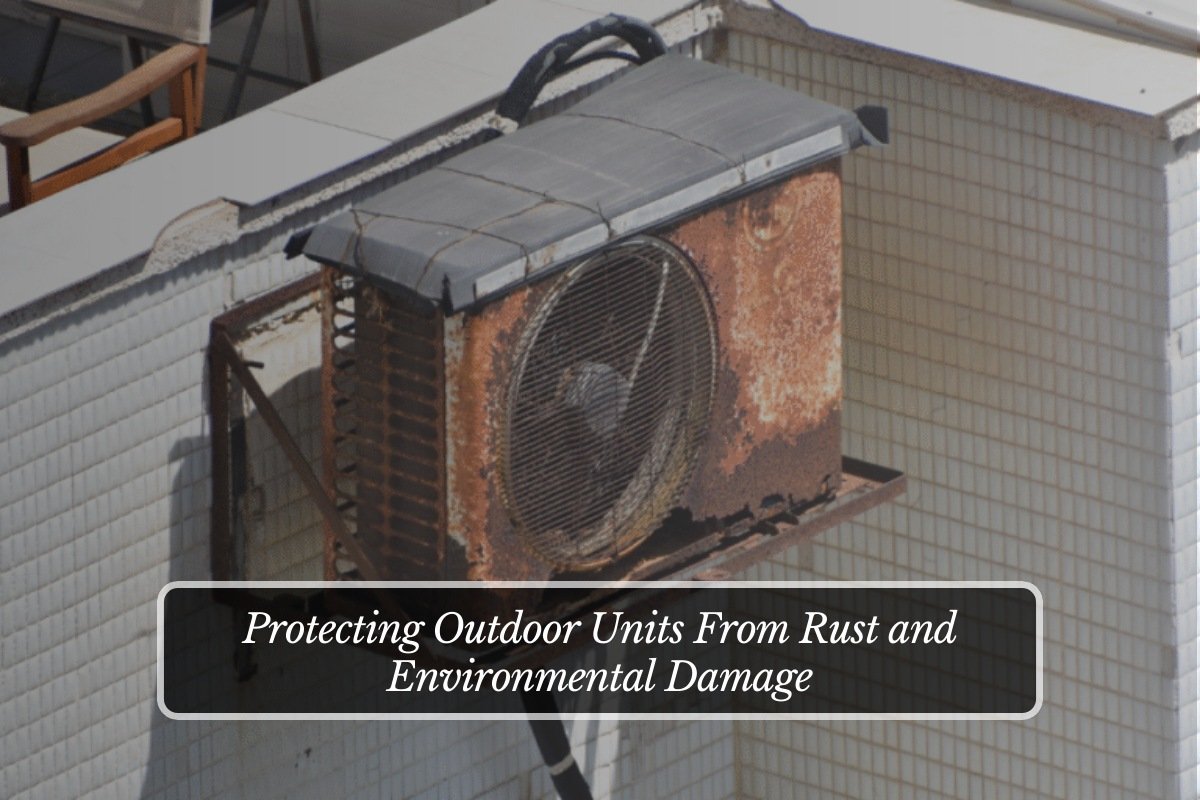
- Visible dirt on outdoor condenser fins
Ignoring these signs may lead to costly repairs.
Recommended Cleaning Frequency
The ideal cleaning schedule depends on environmental factors.
General Guidelines:
- Residential systems: Once per year
- Dusty or high-pollution areas: Every 6 months
- Commercial systems: Quarterly inspections
- Homes with pets: More frequent checks
Regular maintenance ensures optimal efficiency year-round.
Professional vs. DIY Coil Cleaning
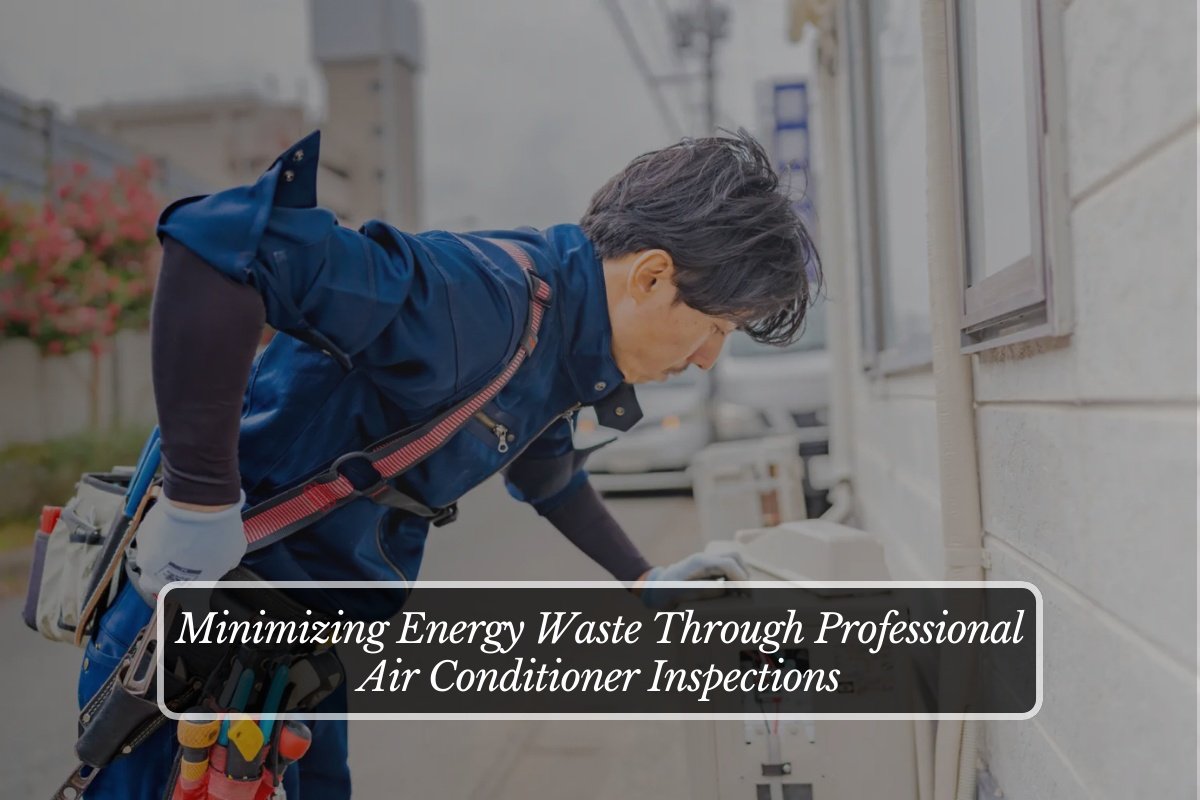
Basic maintenance can be done by homeowners, but deep cleaning is best handled by professionals.
DIY Maintenance:
- Turning off power before cleaning
- Removing surface debris
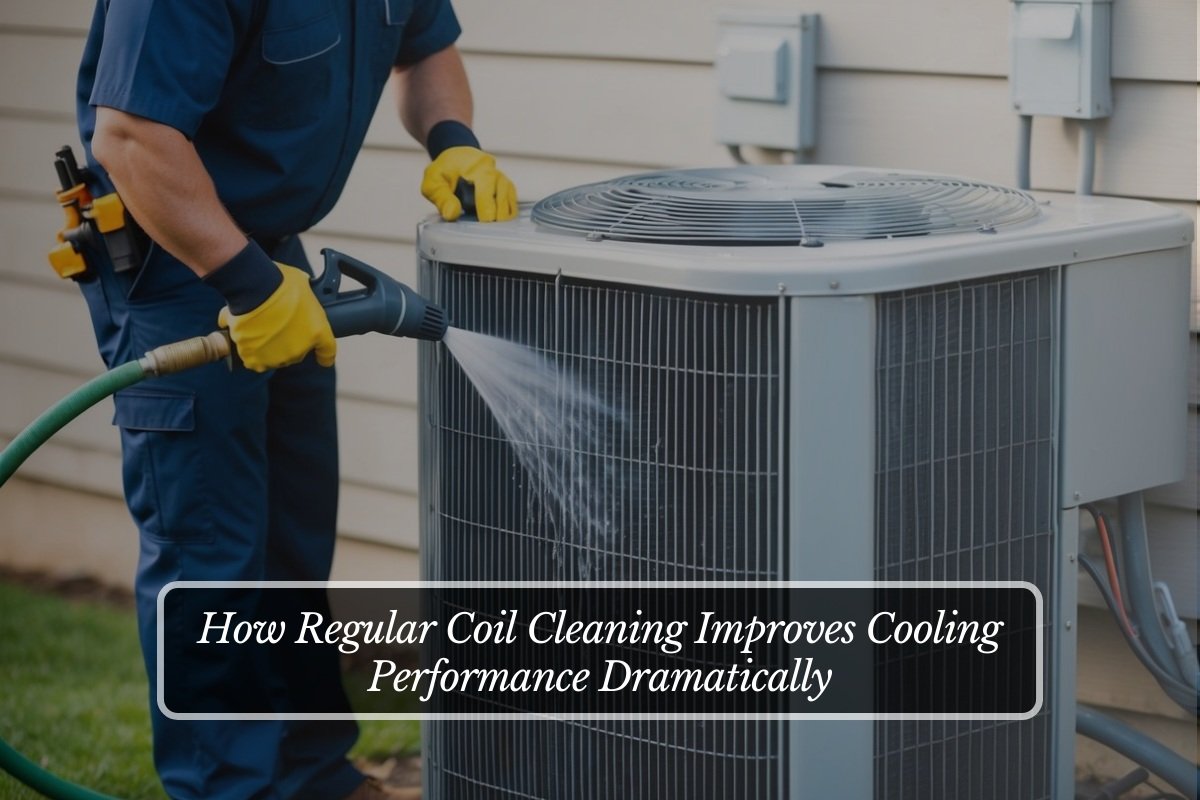
- Gently rinsing outdoor condenser fins
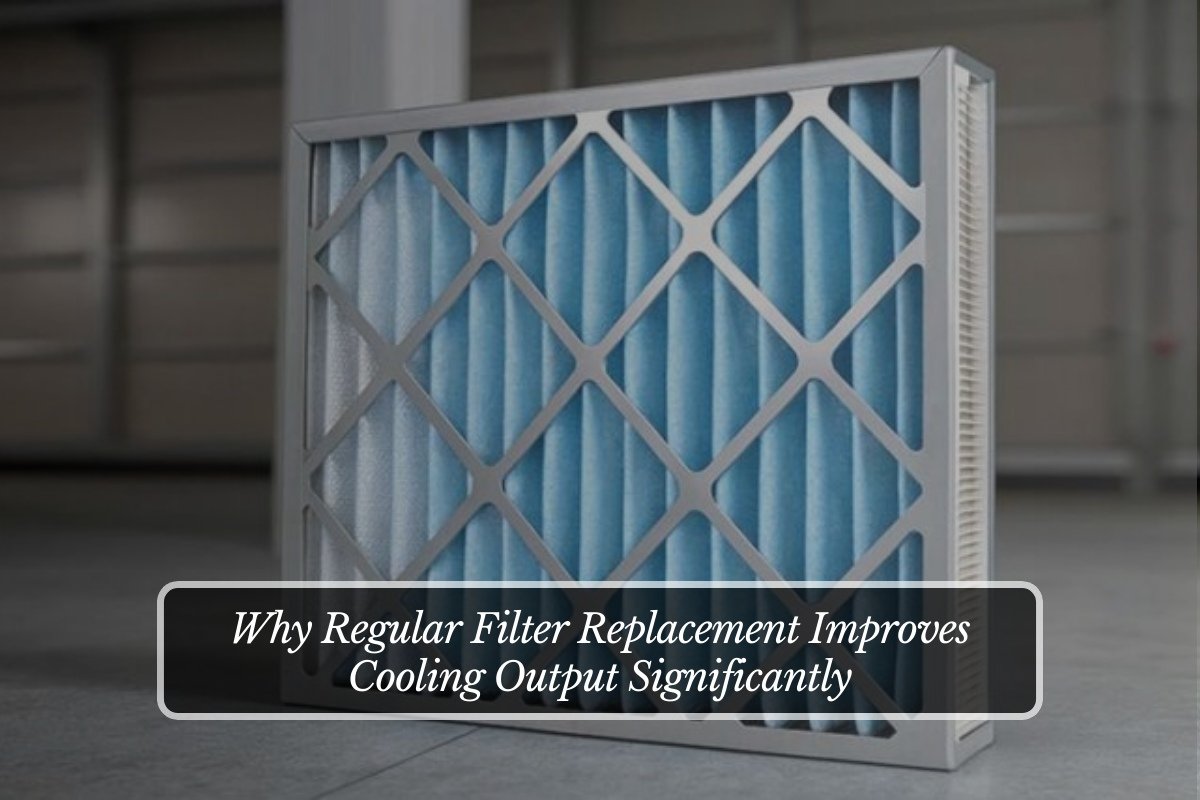
- Replacing air filters regularly
Professional Cleaning Includes:
- Removing access panels
- Using specialized coil cleaning solutions
- Inspecting refrigerant levels
- Checking for leaks or corrosion
- Testing system performance
Professional servicing ensures thorough cleaning without damaging delicate components.
Energy Savings and Long-Term Value
Studies show that dirty coils can reduce AC efficiency by up to 20–30%. Regular cleaning can significantly restore lost efficiency, leading to:
- Reduced monthly electricity bills
- Lower carbon footprint
- Fewer emergency repairs
- Longer system lifespan
Small preventive measures often yield substantial long-term savings.
Preventive Measures to Keep Coils Clean
In addition to regular cleaning:
- Keep outdoor units free from leaves and debris
- Maintain proper clearance around the condenser
- Replace air filters every 1–3 months
- Schedule annual HVAC inspections
Preventive care reduces the need for intensive cleaning. Regular coil cleaning dramatically improves air conditioning performance by restoring efficient heat transfer, reducing energy consumption, and minimizing system strain. Clean evaporator and condenser coils enable faster cooling, consistent comfort, and lower operating costs.
Whether through routine homeowner maintenance or professional servicing, keeping coils clean is a simple yet highly impactful step toward maintaining a reliable and energy-efficient cooling system.
FAQs
How do dirty coils reduce cooling efficiency?
Dirt acts as insulation, blocking proper heat exchange and forcing the system to work harder.
Can coil cleaning lower electricity bills?
Yes, improved efficiency reduces compressor runtime and overall energy usage.
Is coil cleaning included in regular AC servicing?
Most professional servicing packages include coil inspection and cleaning.
Can dirty coils cause AC freezing?
Yes, restricted airflow can lead to ice formation on evaporator coils.
How long does professional coil cleaning take?
Typically between 45 minutes to 1.5 hours depending on system condition.