Professional AC servicing is crucial for maintaining optimal cooling performance, energy efficiency, and long-term system reliability. While many homeowners rely on their air conditioners daily, few understand the comprehensive procedures included in a professional servicing package. Regular servicing not only enhances comfort but also prevents costly repairs and unexpected breakdowns.
1. Initial System Inspection
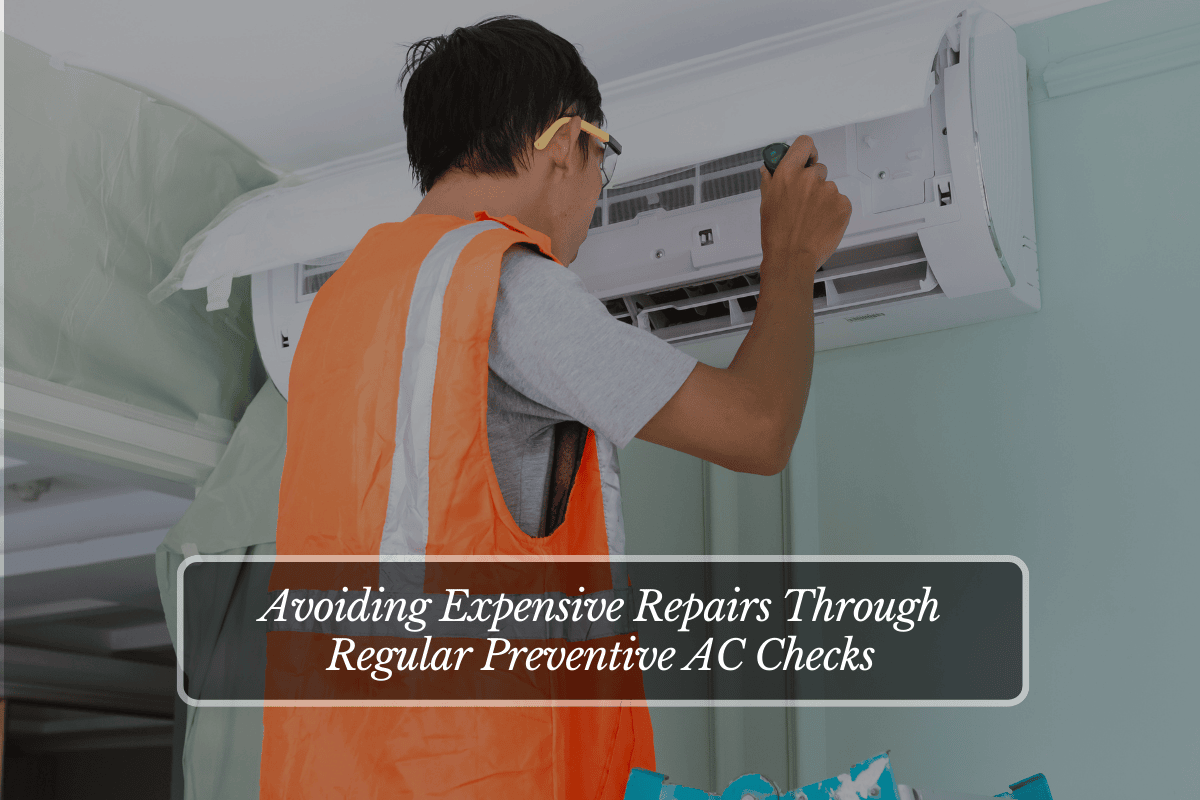
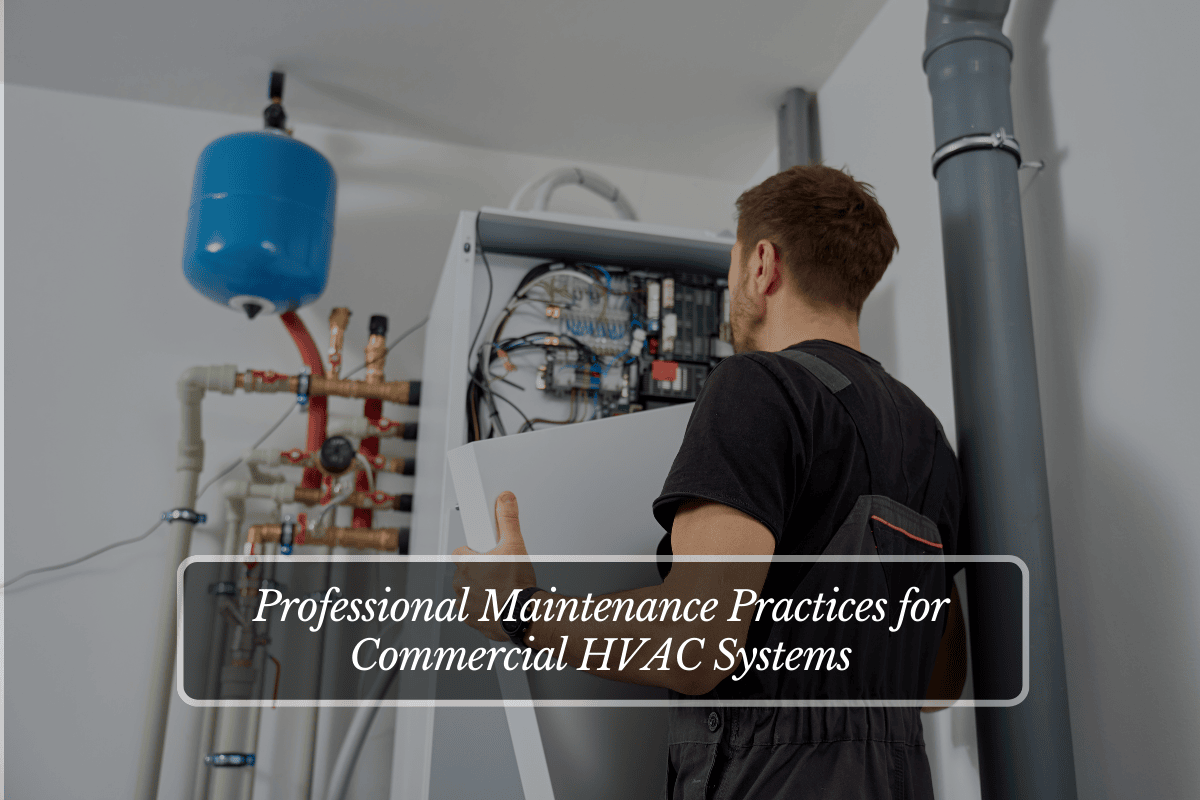
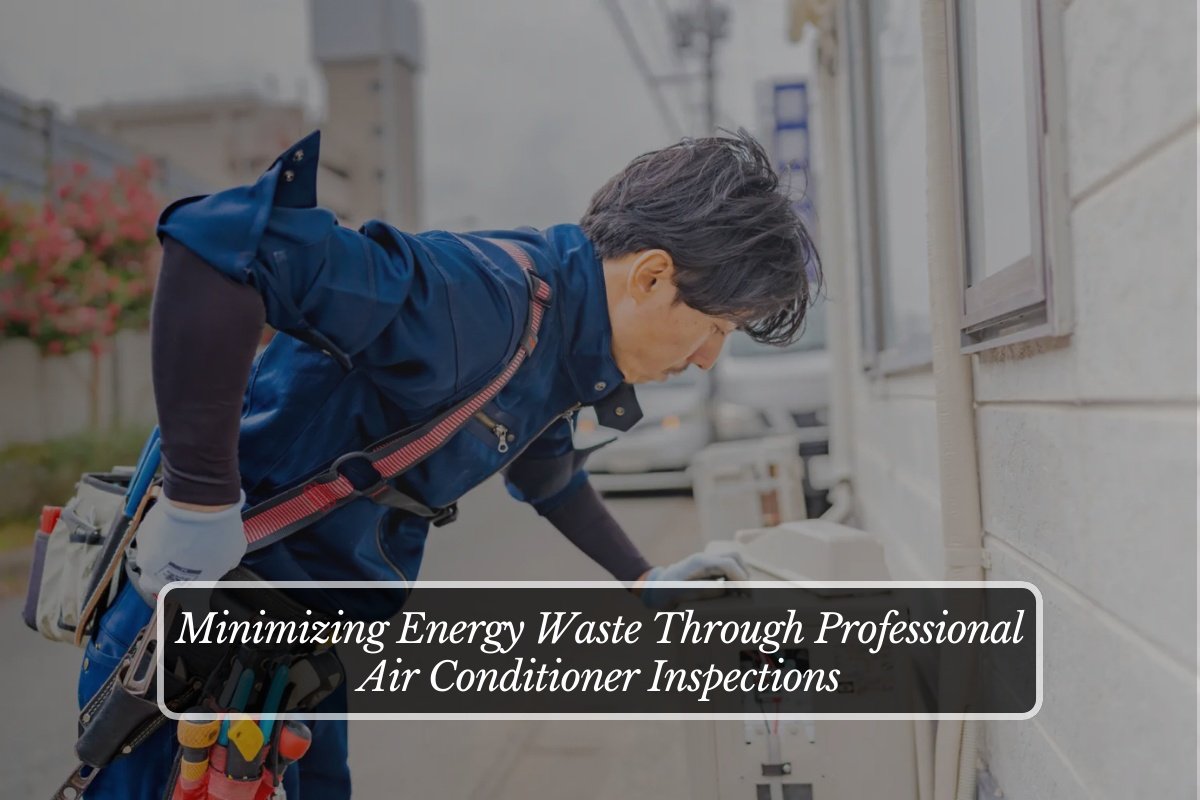
Every professional servicing session begins with a detailed inspection of the entire air conditioning system.
Inspection Includes:
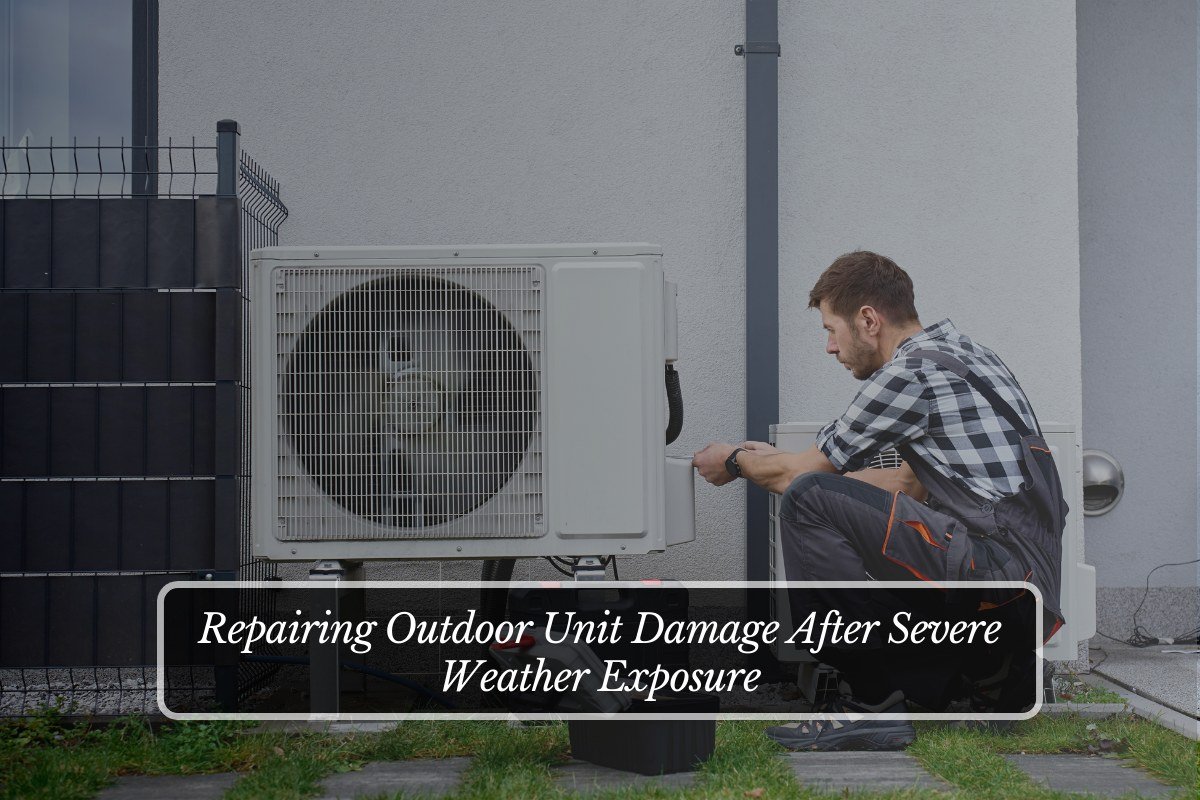
- Checking indoor and outdoor units
- Inspecting electrical connections
- Assessing thermostat functionality
- Identifying visible wear and damage
- Evaluating airflow performance
This step helps technicians detect potential issues before proceeding with cleaning and adjustments.
2. Cleaning or Replacing Air Filters
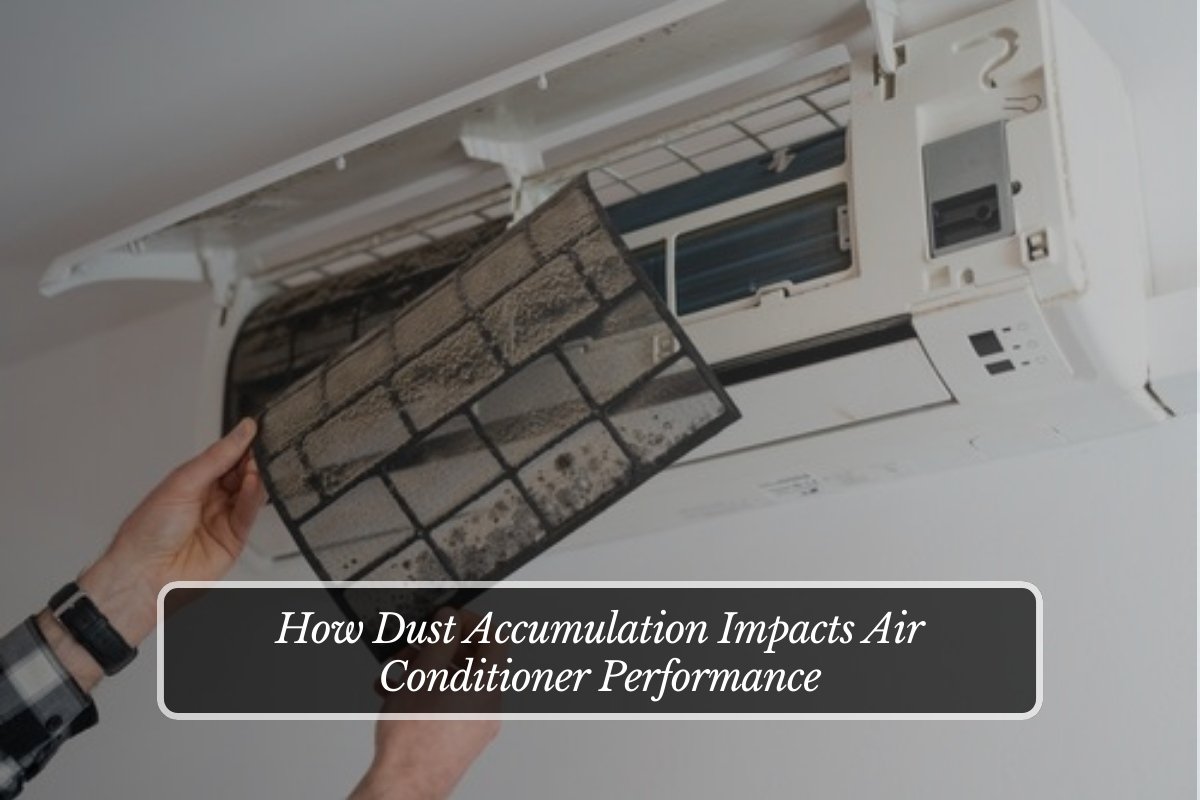
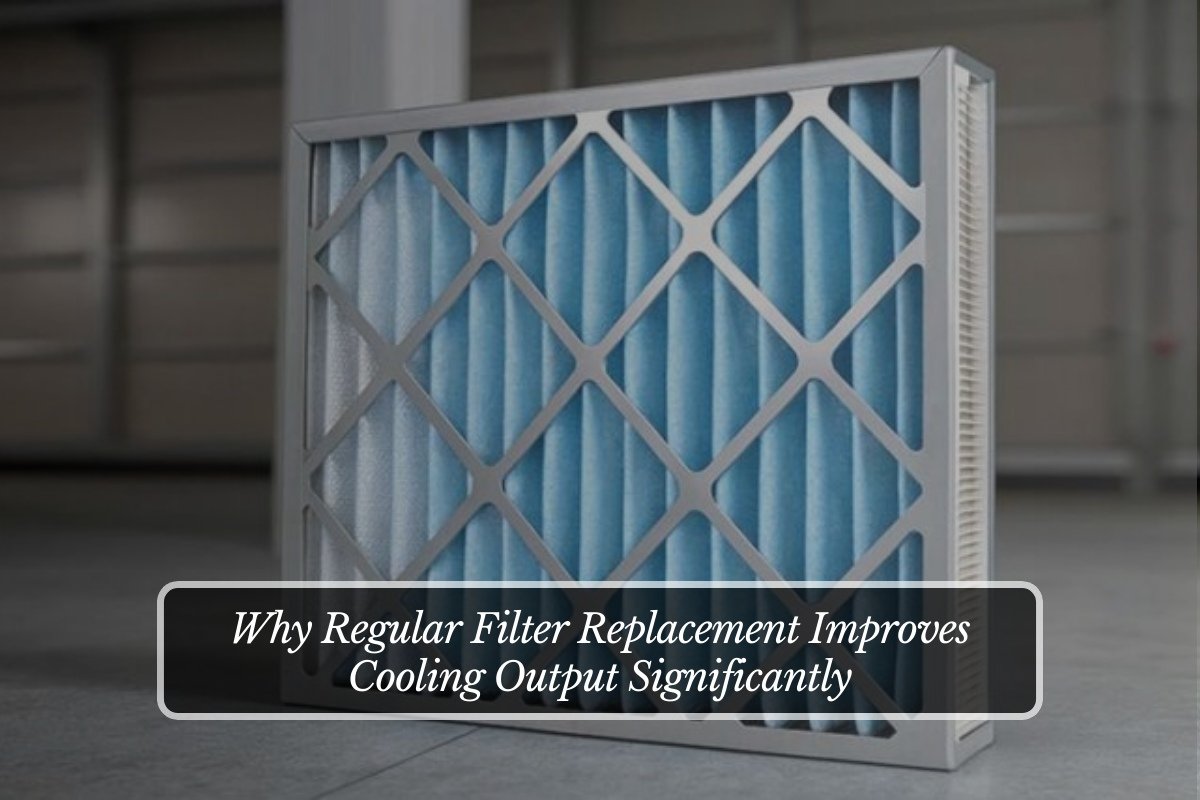
Air filters trap dust, allergens, and airborne particles. Over time, clogged filters restrict airflow and reduce cooling efficiency.
Filter Service Involves:
- Removing and cleaning reusable filters
- Replacing disposable filters (if required)
- Inspecting filter housing
- Advising on recommended replacement schedules
Clean filters improve indoor air quality and reduce strain on the system.
3. Evaporator and Condenser Coil Cleaning
Both coils play a vital role in heat exchange.
Coil Maintenance Includes:
- Cleaning evaporator coils in the indoor unit
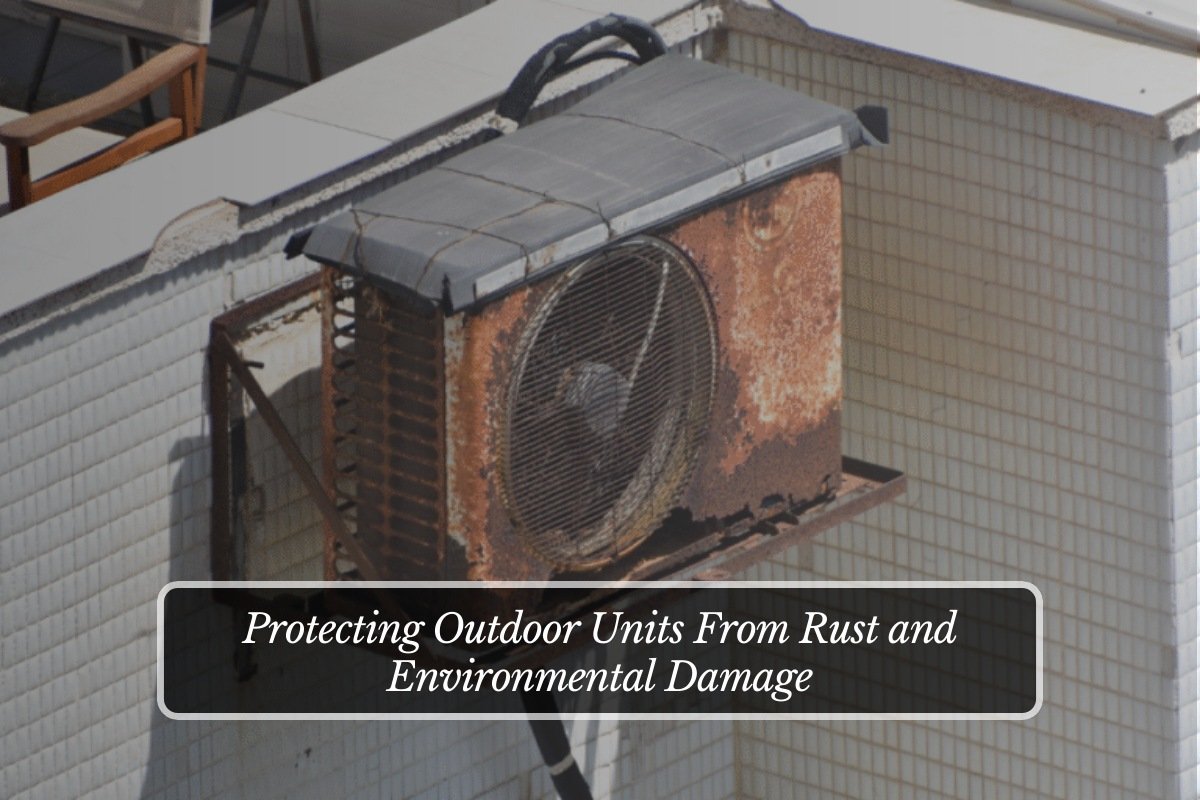
- Removing debris from condenser coils
- Checking for corrosion or damage
- Straightening bent fins
Clean coils improve heat transfer and increase cooling efficiency.
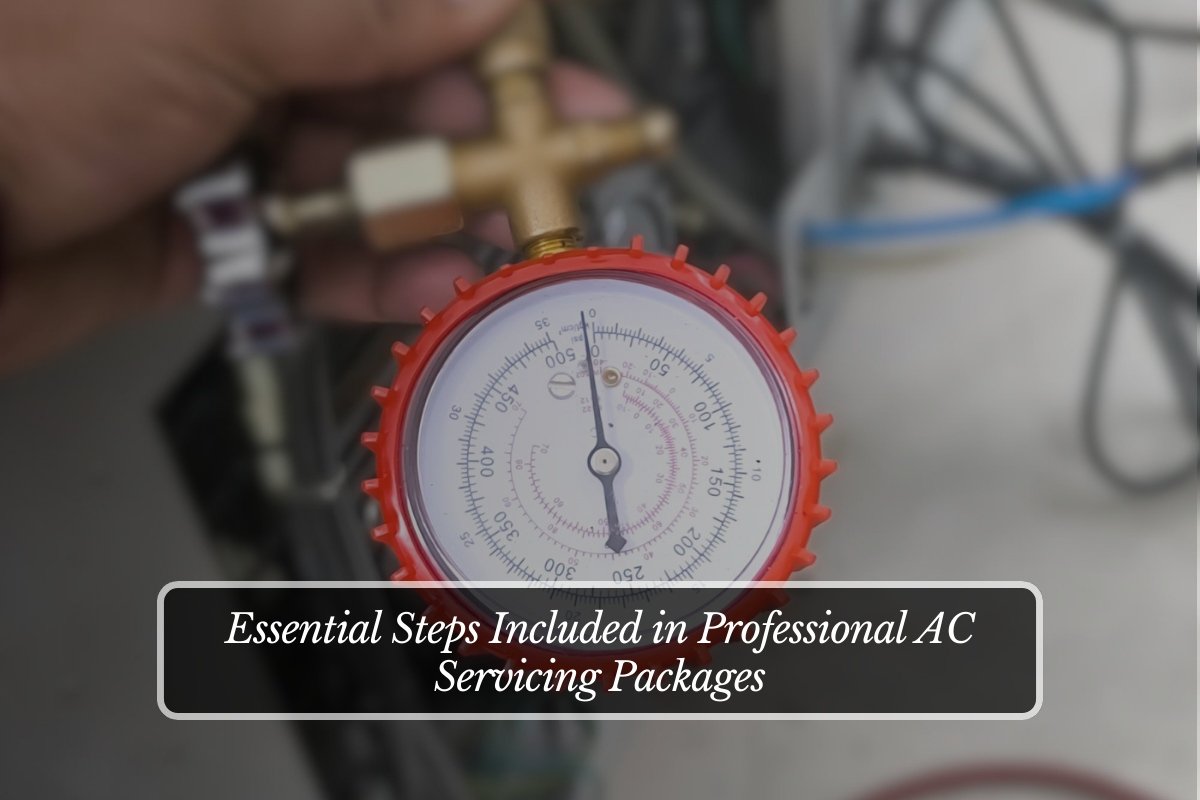
4. Refrigerant Level Check
Refrigerant is essential for absorbing and releasing heat. Low refrigerant levels can lead to poor cooling and compressor damage.
Refrigerant Service Includes:
- Measuring refrigerant pressure
- Detecting leaks
- Refilling refrigerant if necessary
- Ensuring compliance with manufacturer specifications
Maintaining correct refrigerant levels ensures consistent cooling performance.
5. Drain Line and Drain Pan Cleaning
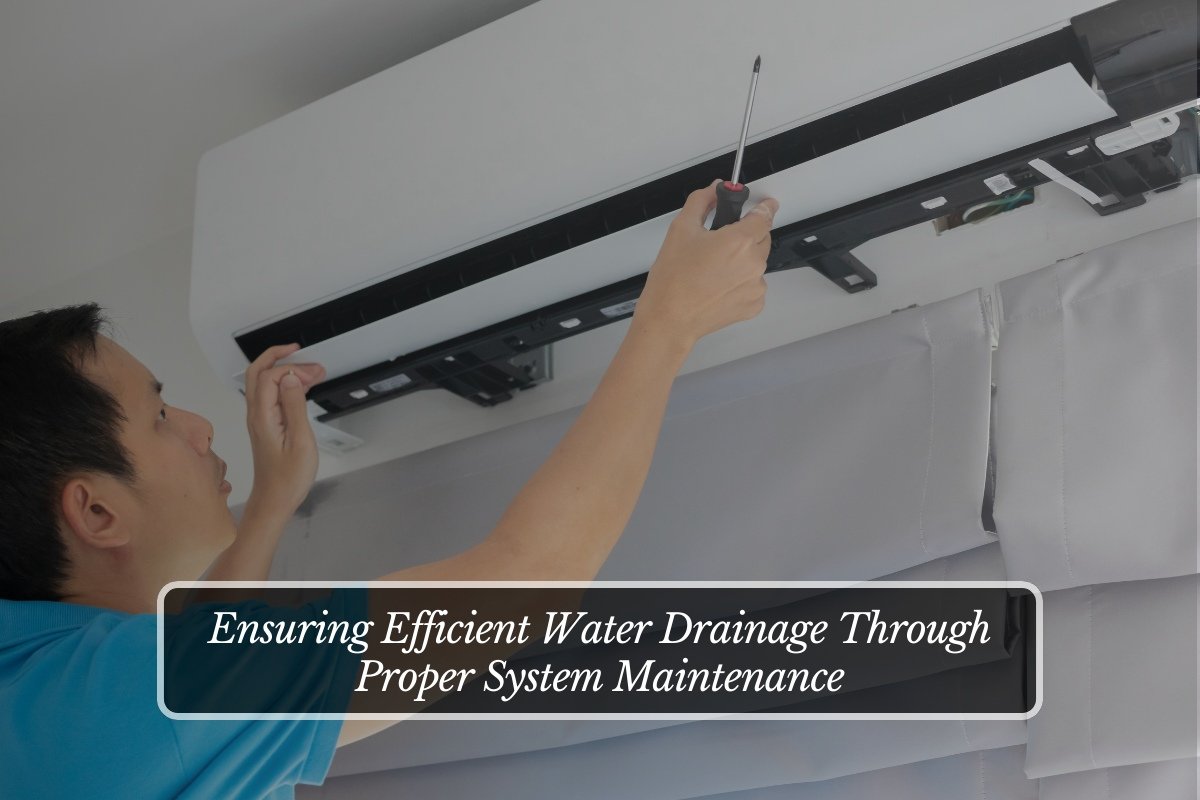
Clogged drain lines can cause water leakage and mold growth.
Drain Maintenance Includes:
- Clearing condensate drain lines
- Cleaning drain pans
- Checking for blockages
- Ensuring proper water flow
Proper drainage prevents water damage and maintains indoor air quality.
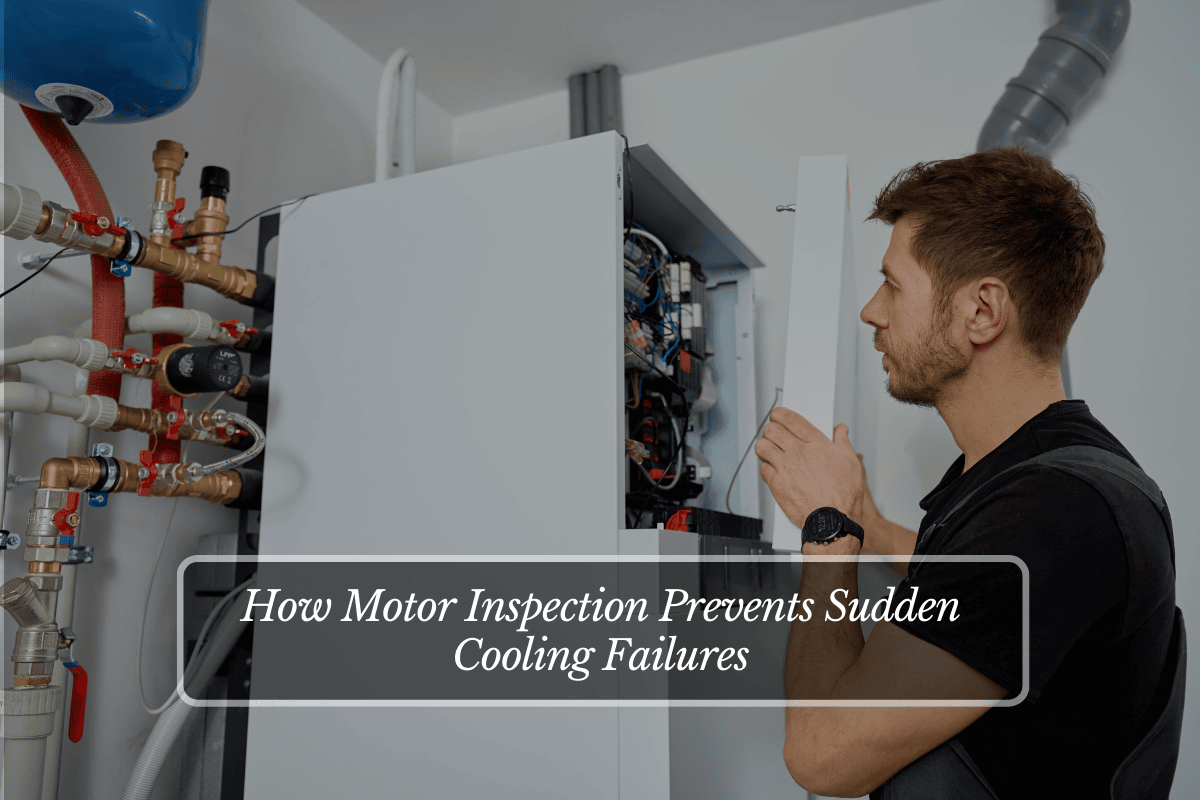
6. Electrical Component Inspection
Electrical connections must be secure and functioning correctly.
Electrical Checks Include:
- Tightening loose wiring
- Inspecting capacitors and relays
- Testing voltage levels
- Checking circuit breakers
Faulty electrical components can lead to system failure or safety hazards.
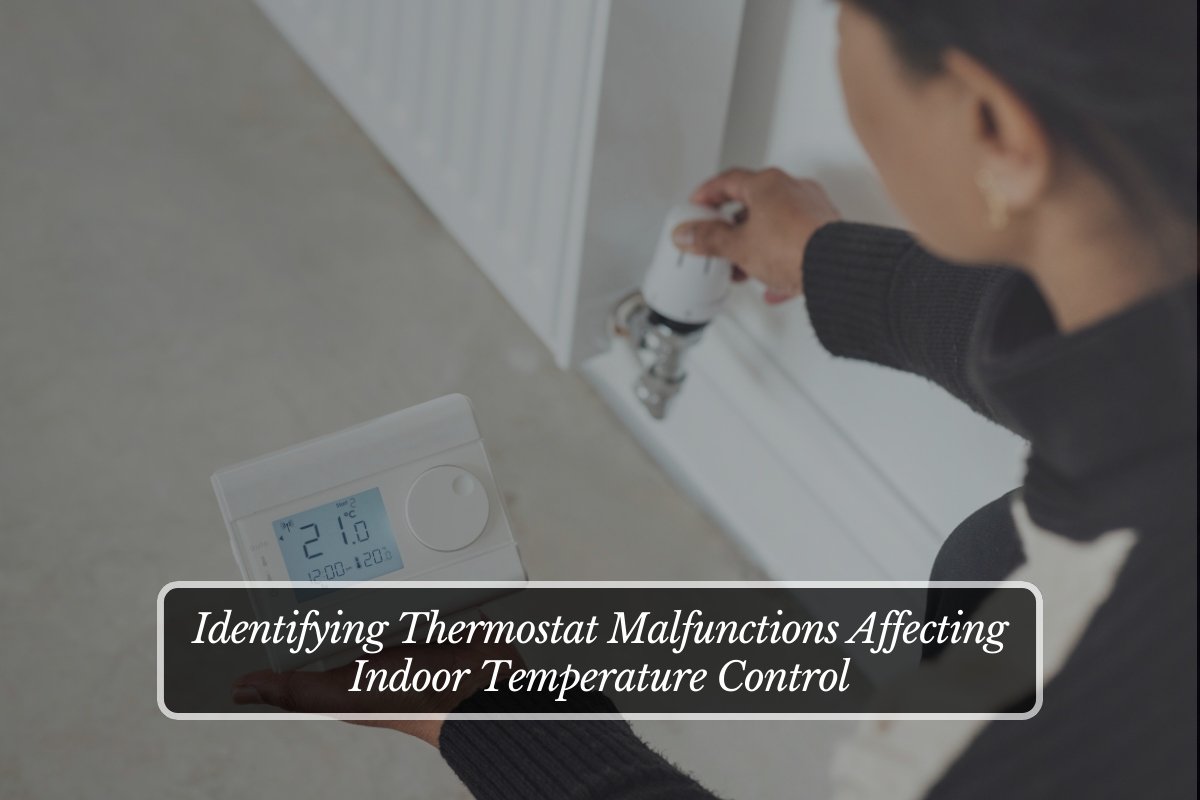
7. Thermostat Calibration and Testing
Accurate temperature control ensures comfort and efficiency.
Thermostat Service Includes:
- Verifying temperature accuracy
- Calibrating settings
- Testing response times
- Updating programmable settings
Proper calibration prevents overcooling or unnecessary energy usage.
8. Lubrication of Moving Parts
Friction between moving components can cause wear and increased energy consumption.
Lubrication Covers:
- Fan motors
- Bearings
- Mechanical joints
Lubrication reduces strain and extends equipment lifespan.
9. Airflow and Performance Testing
After cleaning and adjustments, technicians conduct performance tests.
| Service Step | Purpose |
|---|---|
| Airflow Testing | Ensure balanced air distribution |
| Temperature Differential Check | Measure cooling effectiveness |
| Compressor Testing | Confirm proper operation |
| System Cycling Test | Verify correct start/stop functions |
These tests confirm that the system is operating efficiently after servicing.
10. Final System Review and Recommendations
At the end of the servicing session, professionals provide a performance summary.
Final Steps Include:
- Explaining completed tasks
- Highlighting detected issues
- Providing maintenance advice
- Recommending repairs if necessary
This transparency helps property owners understand system condition and plan future maintenance.
Benefits of Professional AC Servicing
Regular servicing provides multiple advantages:
- Improved cooling efficiency
- Lower energy bills
- Extended system lifespan
- Better indoor air quality
- Reduced breakdown risks
- Compliance with warranty requirements
Annual or biannual servicing is recommended depending on usage and climate conditions. Professional AC servicing packages include far more than basic cleaning. From system inspection and refrigerant checks to electrical testing and airflow optimization, each step ensures the air conditioner operates at peak efficiency.
Investing in regular servicing protects your comfort, reduces energy costs, and prevents unexpected repairs. A well-maintained system not only performs better but also lasts longer, making routine servicing a smart and cost-effective choice.
FAQs
How often should professional AC servicing be done?
Most residential systems require servicing at least once a year, while heavily used systems may need biannual maintenance.
Does servicing improve cooling performance immediately?
Yes, cleaning and calibration often result in noticeable improvements in airflow and cooling efficiency.
Is refrigerant refilling included in standard servicing?
Refrigerant checks are included, but refilling may incur additional charges if levels are low.
Can servicing prevent major AC breakdowns?
Regular maintenance identifies minor issues early, reducing the risk of expensive repairs.
How long does a typical AC service appointment take?
A standard servicing session usually takes 60–90 minutes depending on system complexity.