Air conditioner water leakage is a common but serious issue. While occasional condensation is normal, persistent water dripping from your indoor unit or pooling around the system indicates an underlying problem. If left unresolved, leakage can cause structural damage, mold growth, electrical risks, and costly repairs.
This guide explains the professional solutions used to permanently resolve recurring AC water leakage problems.
Why Does an AC Leak Water?
Air conditioners remove humidity from indoor air. The moisture condenses on evaporator coils and drains through a condensate line. When this drainage process is disrupted, leakage occurs.
Common Causes of Persistent Leakage
- Clogged condensate drain line
- Damaged or rusted drain pan
- Frozen evaporator coils
- Improper installation angle
- Broken condensate pump
- Low refrigerant levels
Identifying the root cause is essential for long-term resolution.
1. Professional Drain Line Clearing
The Problem:
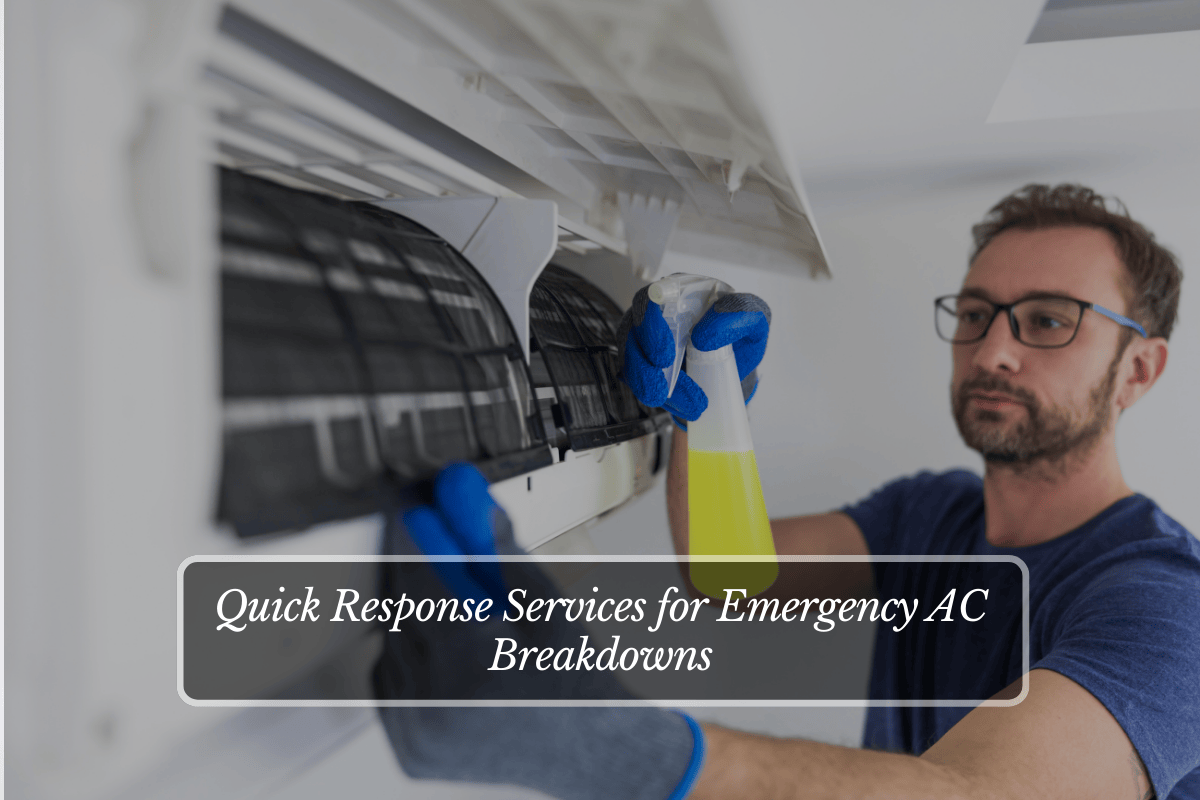
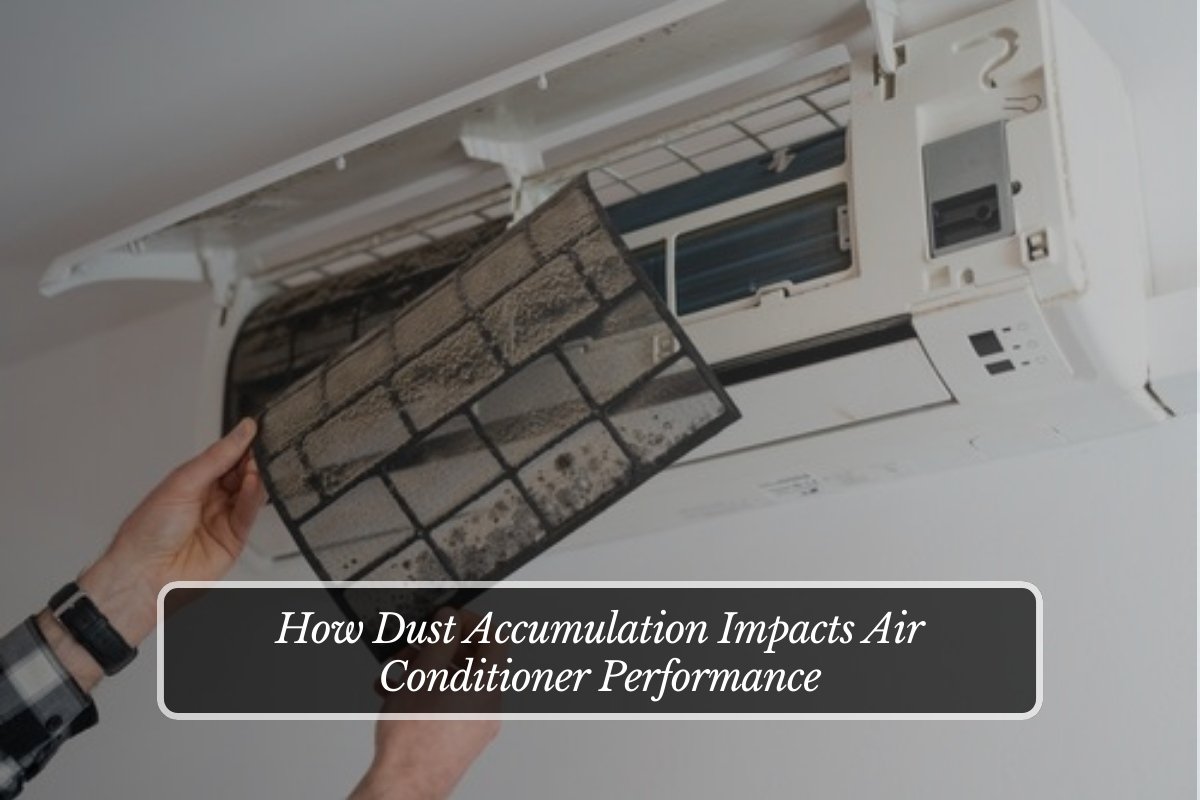
Dust, algae, mold, and debris can clog the condensate drain pipe, preventing water from draining properly.
Professional Solution:
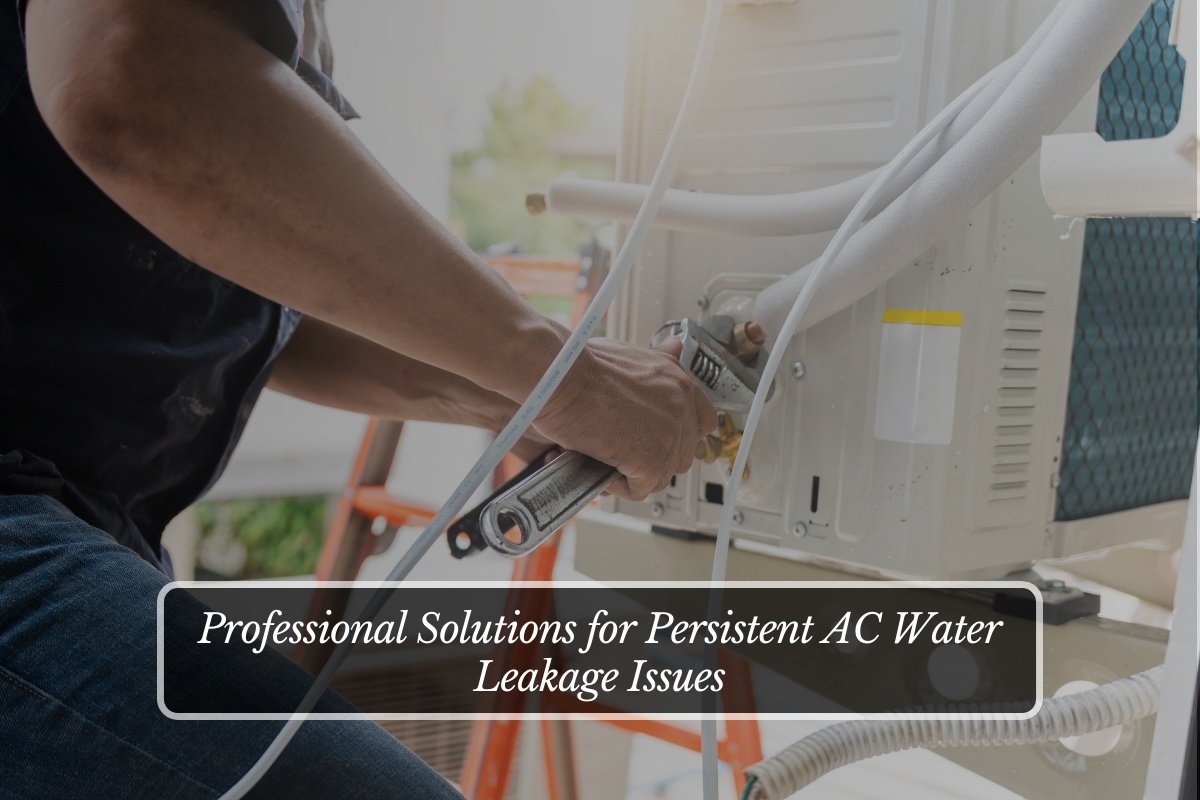
Technicians use:
- Wet/dry vacuum suction
- Pressurized flushing tools
- Anti-algae chemical treatments
This ensures the drain line is fully cleared and sanitized.
2. Repair or Replace the Drain Pan
The Problem:
Over time, drain pans can corrode, crack, or overflow.
Professional Fix:
- Inspect pan integrity
- Seal minor cracks
- Replace severely rusted or damaged pans
- Install secondary safety pans when needed
A damaged drain pan cannot contain condensation effectively.
3. Fix Frozen Evaporator Coils
The Problem:
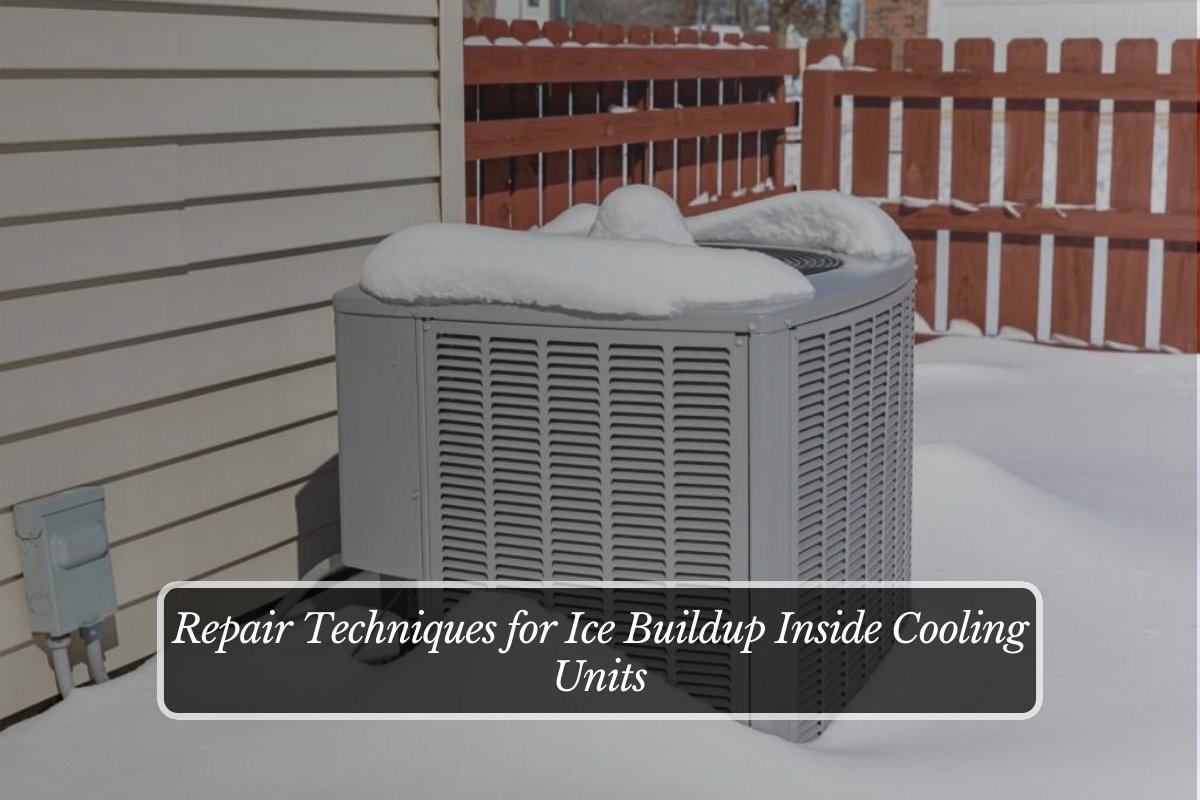
Ice buildup on coils melts and overwhelms the drain system.
Root Causes:
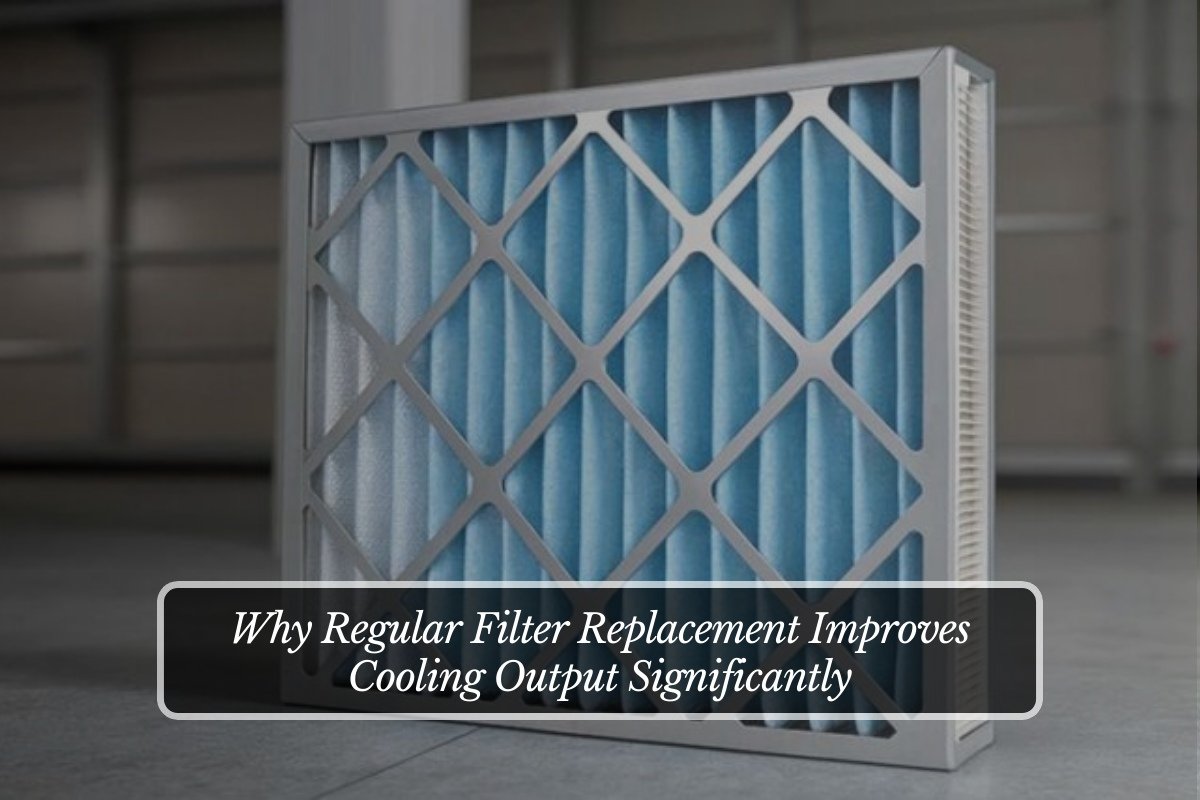
- Dirty air filters
- Restricted airflow
- Low refrigerant levels
Professional Repair:
- Replace clogged filters
- Clean evaporator coils
- Check refrigerant charge
- Inspect blower motor performance
Correcting airflow and refrigerant issues prevents recurring freezing.
4. Correct Installation Errors
Improper AC installation is a frequent cause of chronic leaks.
| Installation Issue | Result | Solution |
|---|---|---|
| Unit not level | Water pooling | Re-level indoor unit |
| Poor drain slope | Backflow leakage | Adjust drain pipe angle |
| Incorrect pipe routing | Drain blockage | Re-route piping |
Even slight leveling errors can disrupt drainage.
5. Condensate Pump Replacement
In some systems, especially basement installations, a condensate pump pushes water upward for drainage.
Signs of Pump Failure:
- Water pooling near unit
- Pump not activating
- Intermittent drainage
Technicians test and replace malfunctioning pumps to restore proper drainage.
6. Address Refrigerant Issues
Low refrigerant can cause evaporator coils to freeze, leading to excessive melting and overflow.
Professional Action:
- Leak detection testing
- Sealing refrigerant leaks
- Recharging system to correct pressure levels
This prevents repeated freeze-thaw cycles.
7. Improve Insulation Around Drain Lines
Uninsulated or poorly insulated pipes may cause condensation outside the intended drainage system.
Professionals may:
- Add pipe insulation
- Seal joints
- Improve humidity control
This prevents secondary dripping problems.
8. Install Safety Float Switches
For long-term protection, technicians may install a float switch that automatically shuts off the AC if water levels rise excessively.
Benefits include:
- Preventing water damage
- Avoiding ceiling stains
- Protecting electrical components
This is a highly recommended safeguard.
Signs You Need Immediate Professional Help
- Water dripping from ceiling vents
- Persistent puddles under indoor unit
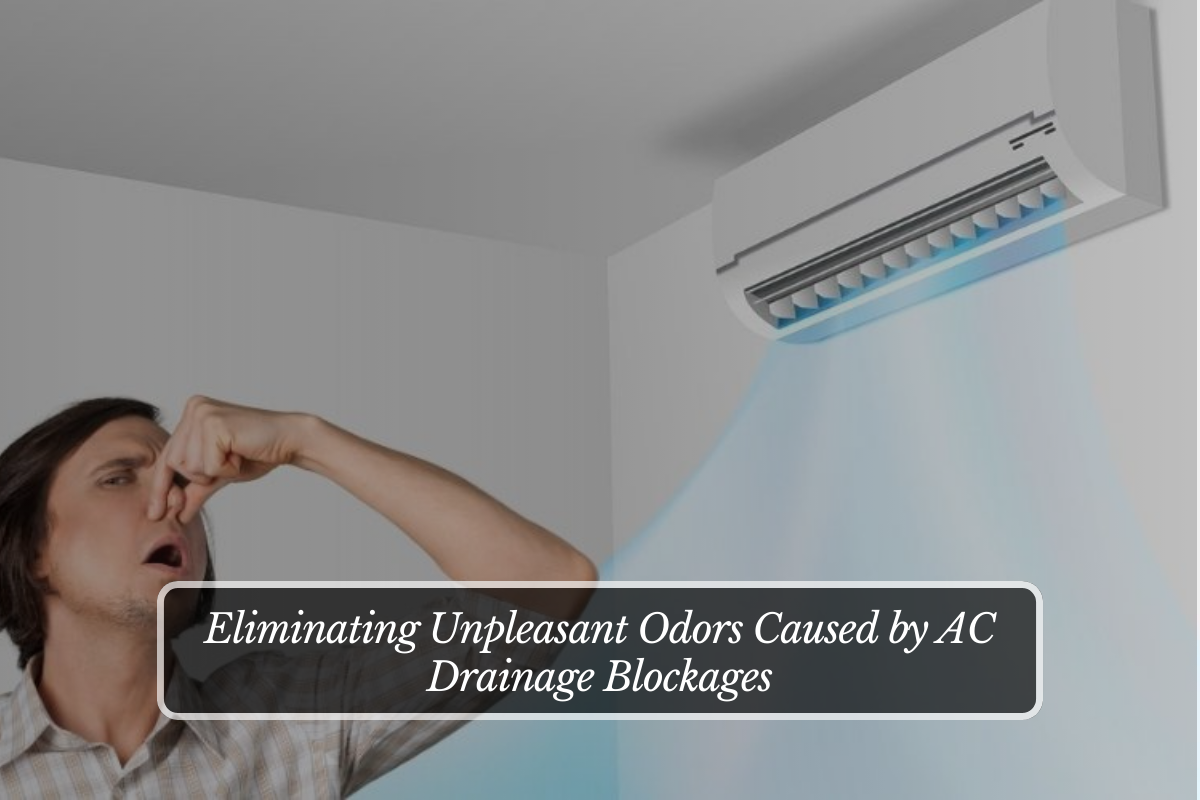
- Moldy odor
- Electrical tripping
- Repeated leakage after cleaning
Ignoring these signs can result in expensive structural damage.
Preventive Measures to Avoid Future Leakage
- Clean filters monthly
- Schedule annual maintenance
- Flush drain line every 6 months
- Keep humidity levels balanced
- Ensure proper installation during replacement
Routine maintenance significantly reduces leakage risks.
FAQs
Is AC water leakage dangerous?
Yes. It can cause mold growth, ceiling damage, and electrical hazards if ignored.
Can I clear a clogged drain line myself?
Minor clogs may be cleared, but persistent blockages require professional tools and treatment.
Why does my AC leak after cleaning the filter?
The issue may involve the drain line, refrigerant levels, or installation angle.
Does low refrigerant cause water leakage?
Indirectly, yes. Low refrigerant can freeze coils, leading to excess melting and overflow.