An air conditioner isn’t just a machine—it’s your comfort companion during hot summers. But to keep it running smoothly and efficiently, regular maintenance is a must. With a few simple air conditioner maintenance practices, you can reduce energy bills, improve cooling, and even extend the lifespan of your AC system.
Why AC Maintenance Matters
When your air conditioner is well-maintained:
- It cools faster and more evenly
- Uses less electricity, saving on energy bills
- Breaks down less often
- Lasts longer—sometimes 10–15 years or more
- Keeps indoor air cleaner and healthier
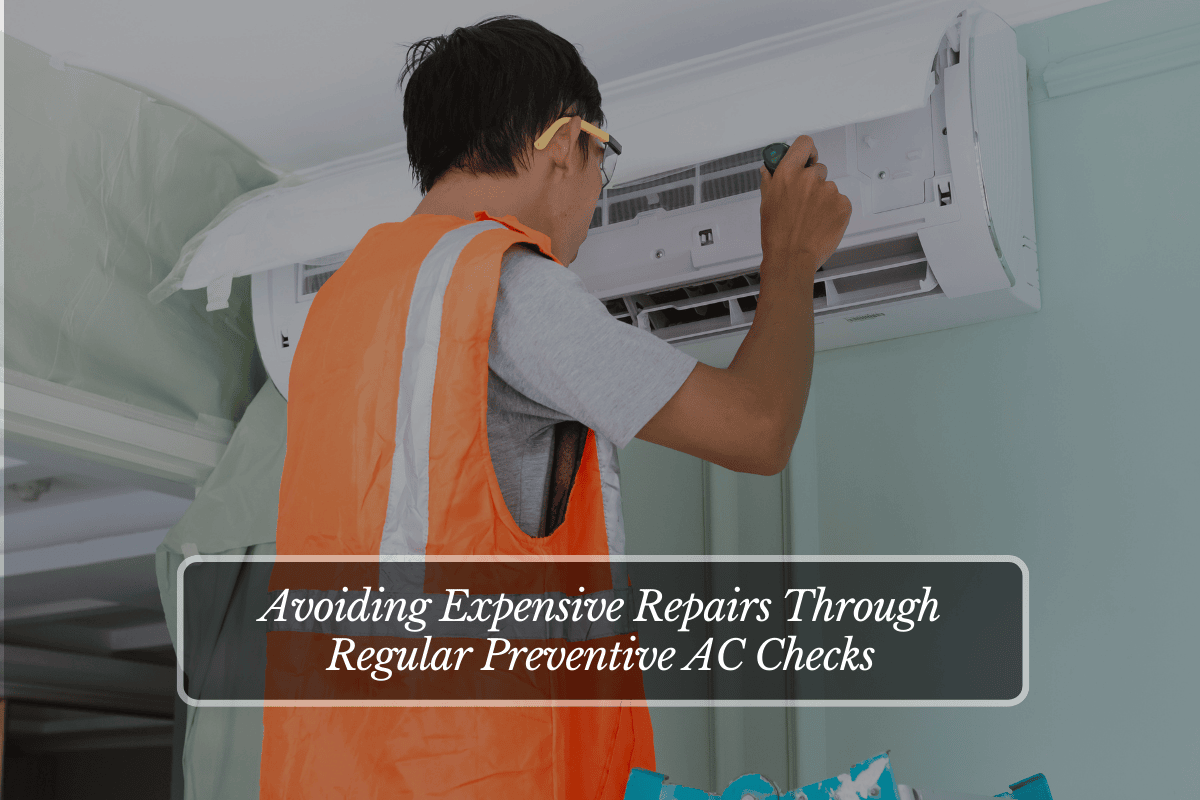
Skipping maintenance may seem harmless now, but it can lead to expensive repairs and poor performance later.
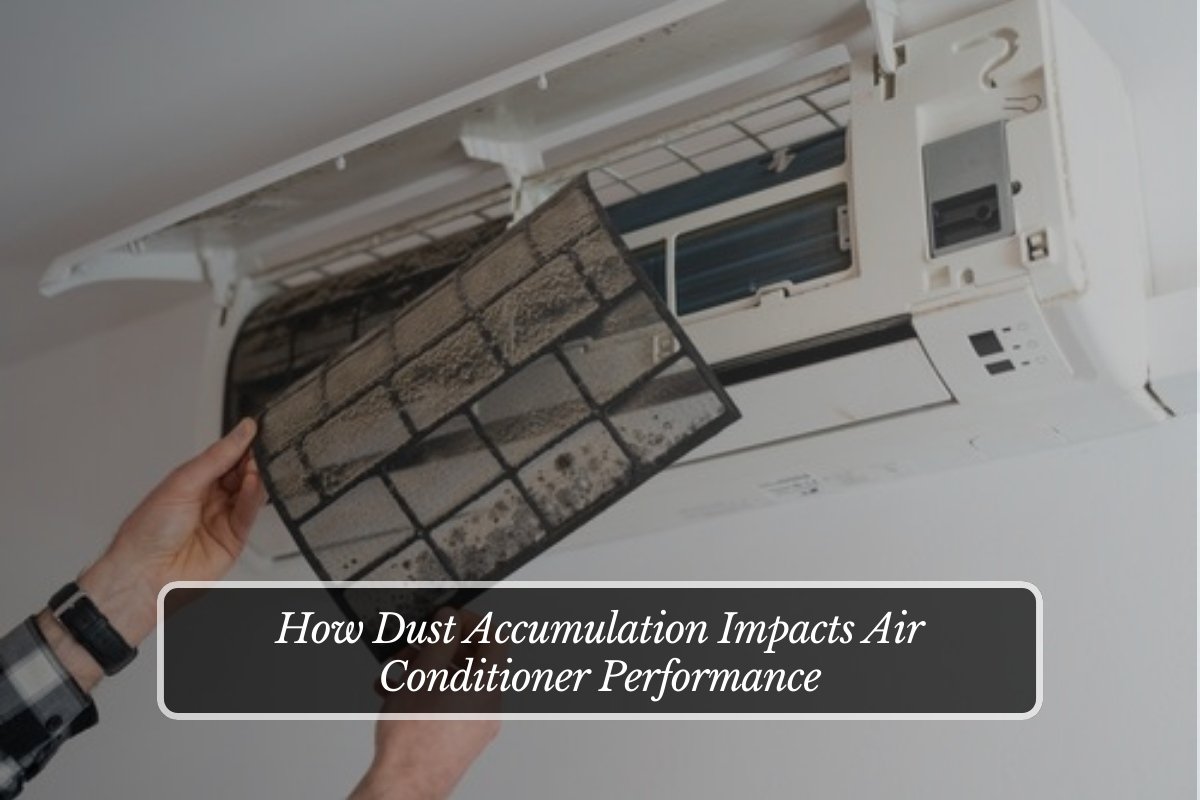
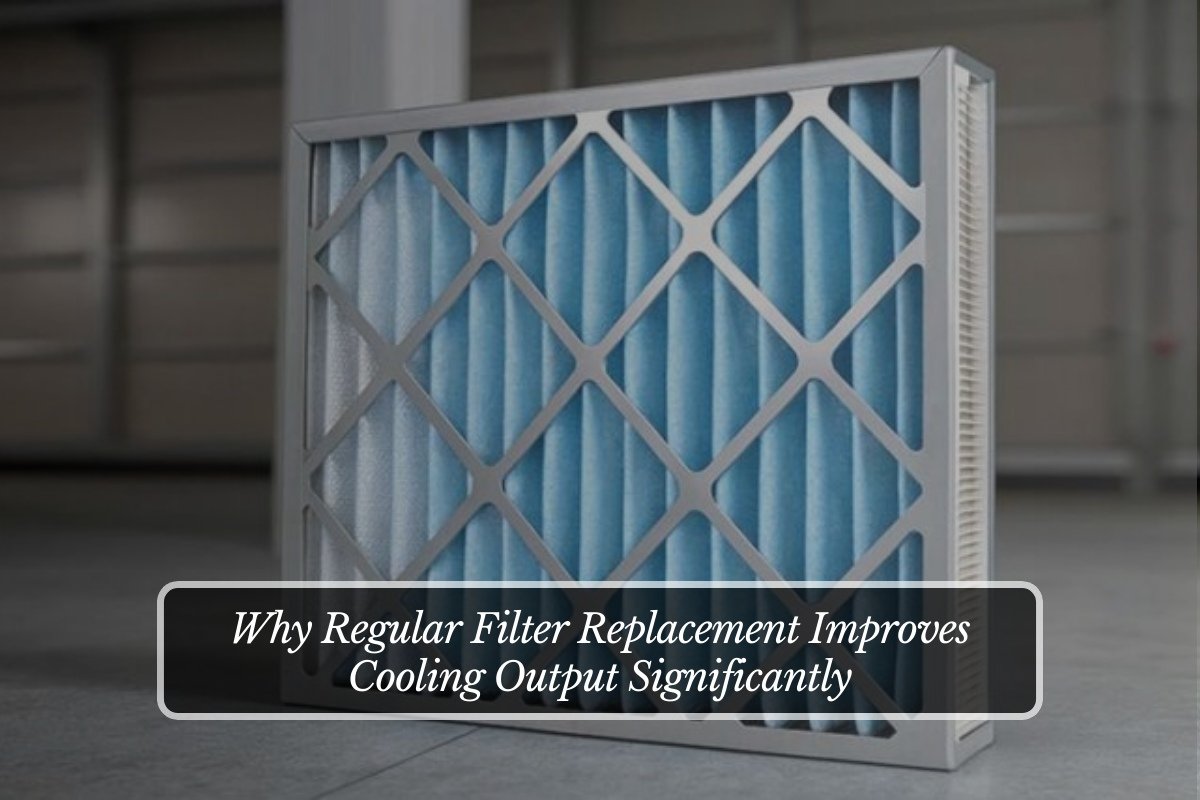
1. Clean or Replace Air Filters Regularly
One of the easiest and most important tasks. Clogged or dirty filters make your AC work harder, reducing its efficiency.
- When? Every 1–3 months depending on usage and dust levels.
- Tip: If you have pets or live in a dusty area, clean them more often.
Clean filters improve airflow and also keep indoor air fresh.
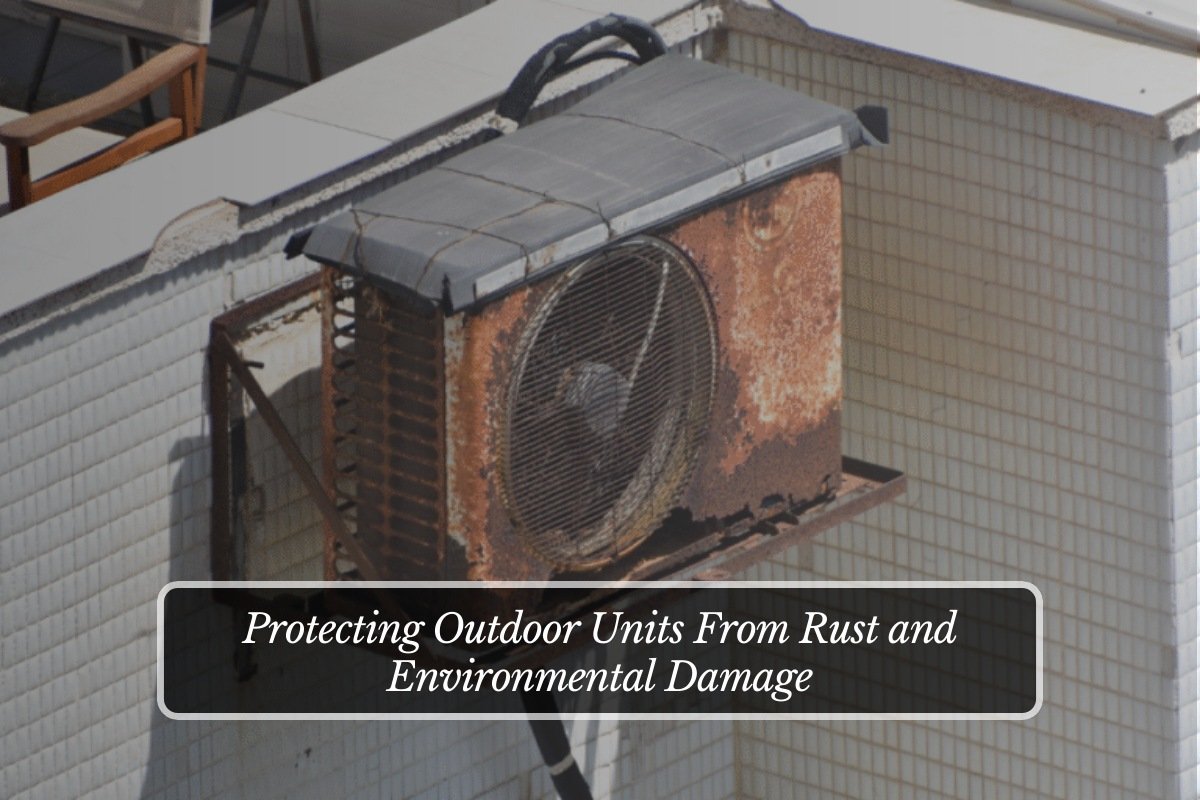
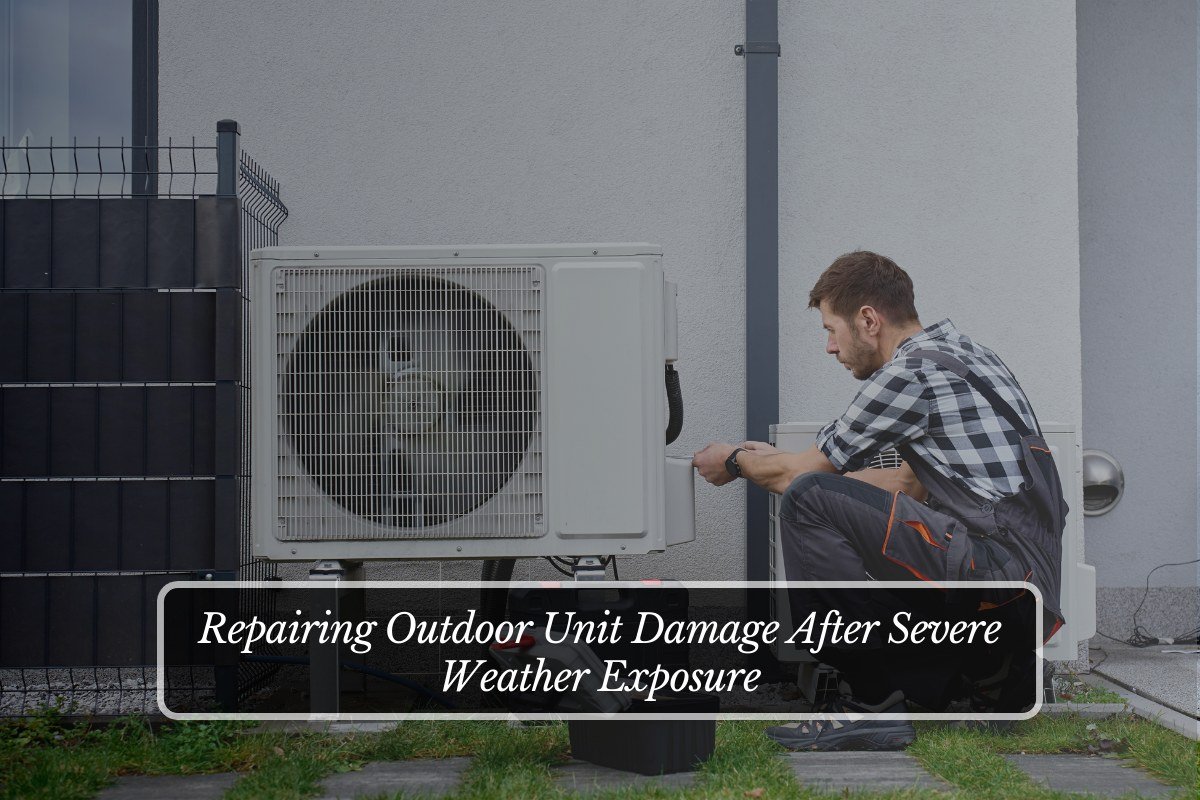
2. Keep the Outdoor Unit Clean
The outdoor condenser unit releases heat from your home. If it’s covered with dust, leaves, or debris, it can’t cool effectively.
- Clean the area around the unit and remove leaves, grass, or litter.
- Spray gently with water to remove dirt from the fins (but turn off power first).
- Leave at least 2 feet of clear space around the unit for airflow.
This simple step can improve cooling performance immediately.
3. Check and Clean the Evaporator and Condenser Coils
Over time, coils can collect dust and reduce heat transfer, lowering efficiency.
- Get coils cleaned once a year, either by yourself (if you’re confident) or by a technician.
- Use a soft brush or coil cleaner and avoid bending the delicate fins.
Clean coils help your AC cool faster and use less power.
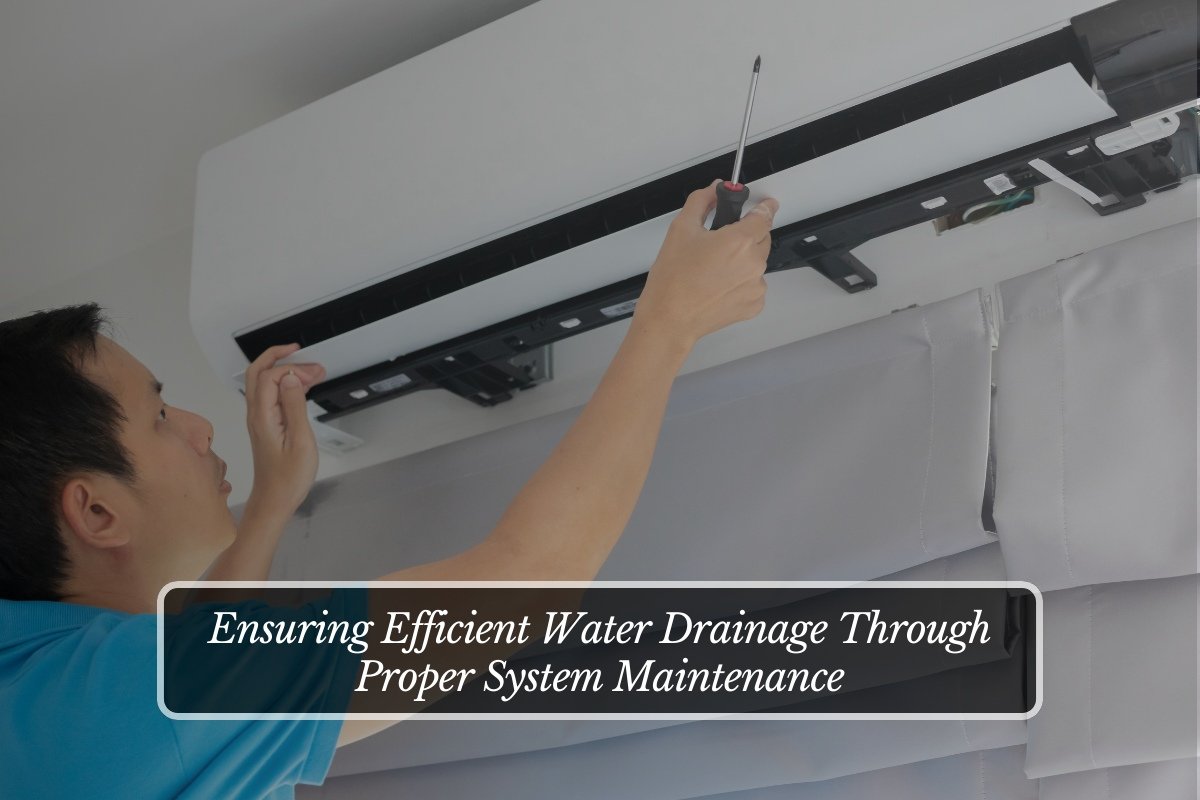
4. Inspect the Drain Line and Pan
Your AC removes humidity and drains water through a pipe. If it’s blocked, water can leak or cause mould.
- Check the drain line for blockages.
- Use a mixture of water and vinegar to flush the line every few months.
- Clean the drip tray or drain pan regularly.
A clear drain system keeps your home dry and your AC healthy.
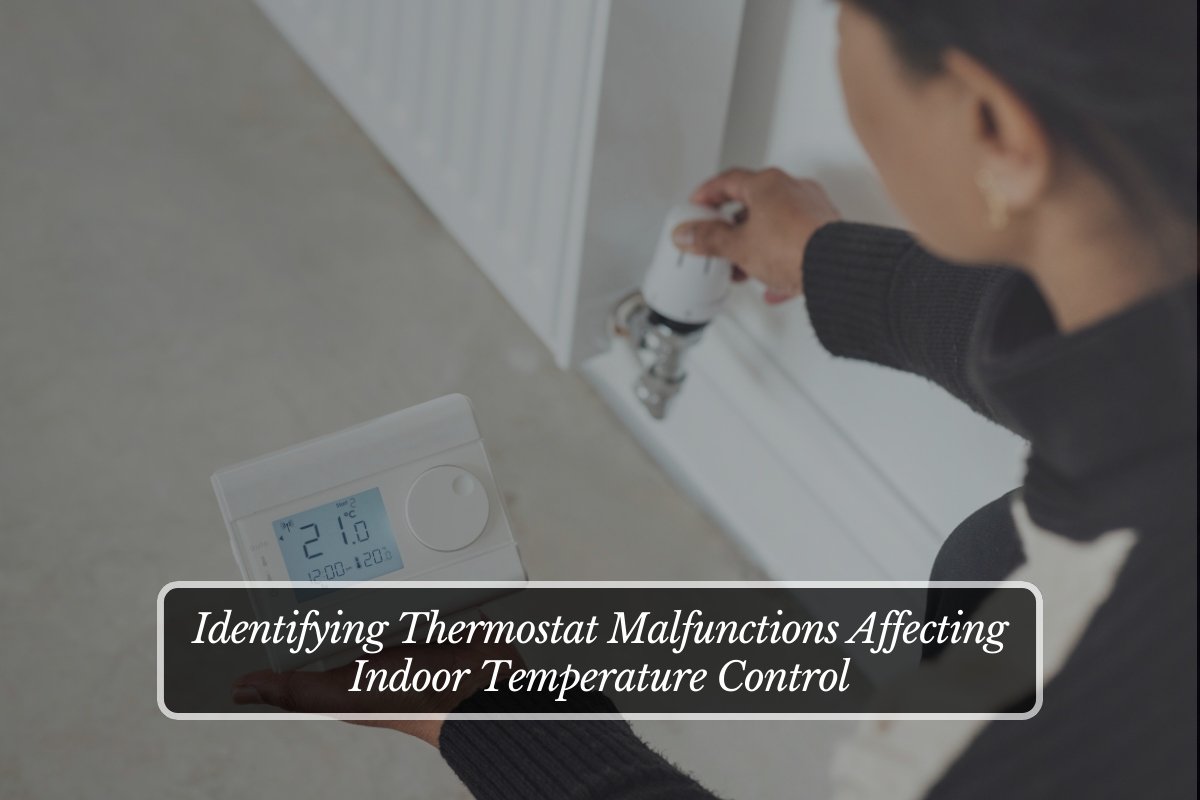
5. Ensure Proper Thermostat Settings
Your thermostat controls the AC’s performance. If it’s not working properly, your cooling won’t be efficient.
- Keep it at a stable temperature—around 24–26°C is ideal for comfort and efficiency.
- Consider switching to a programmable or smart thermostat to optimise cooling.
- Avoid changing settings frequently—it puts more load on the system.
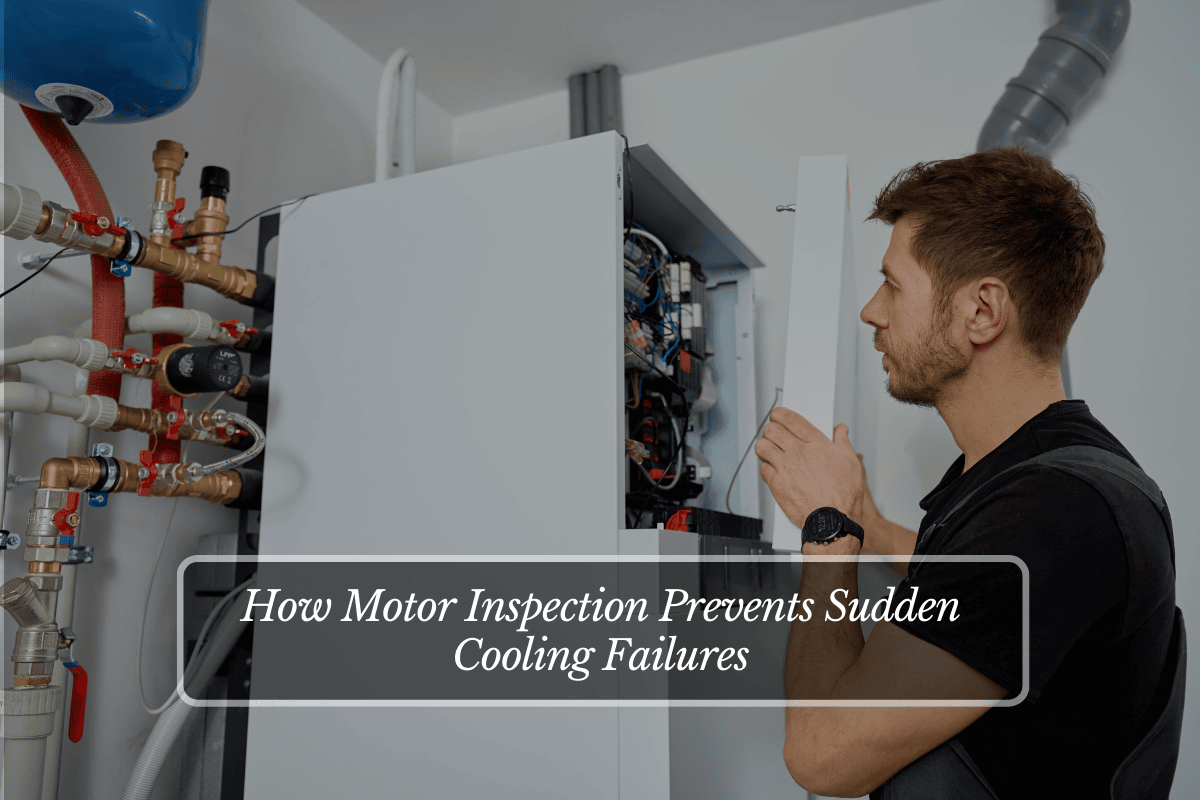
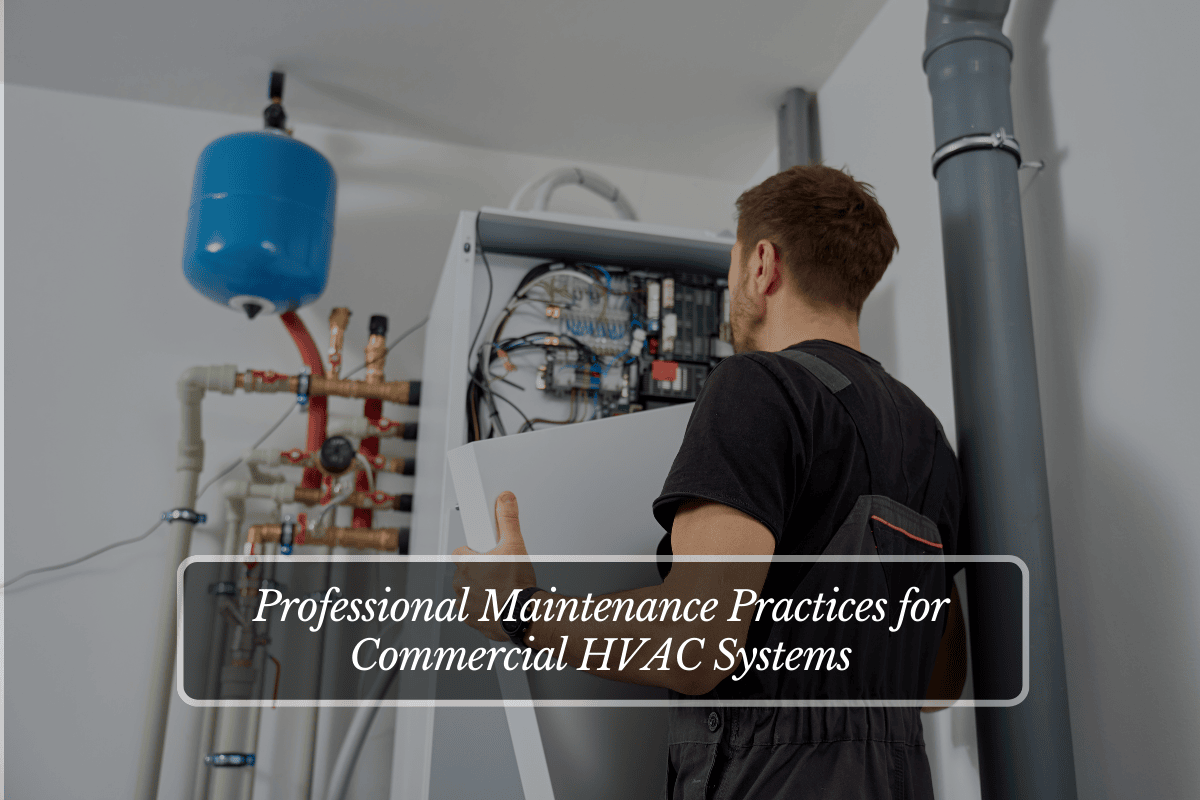
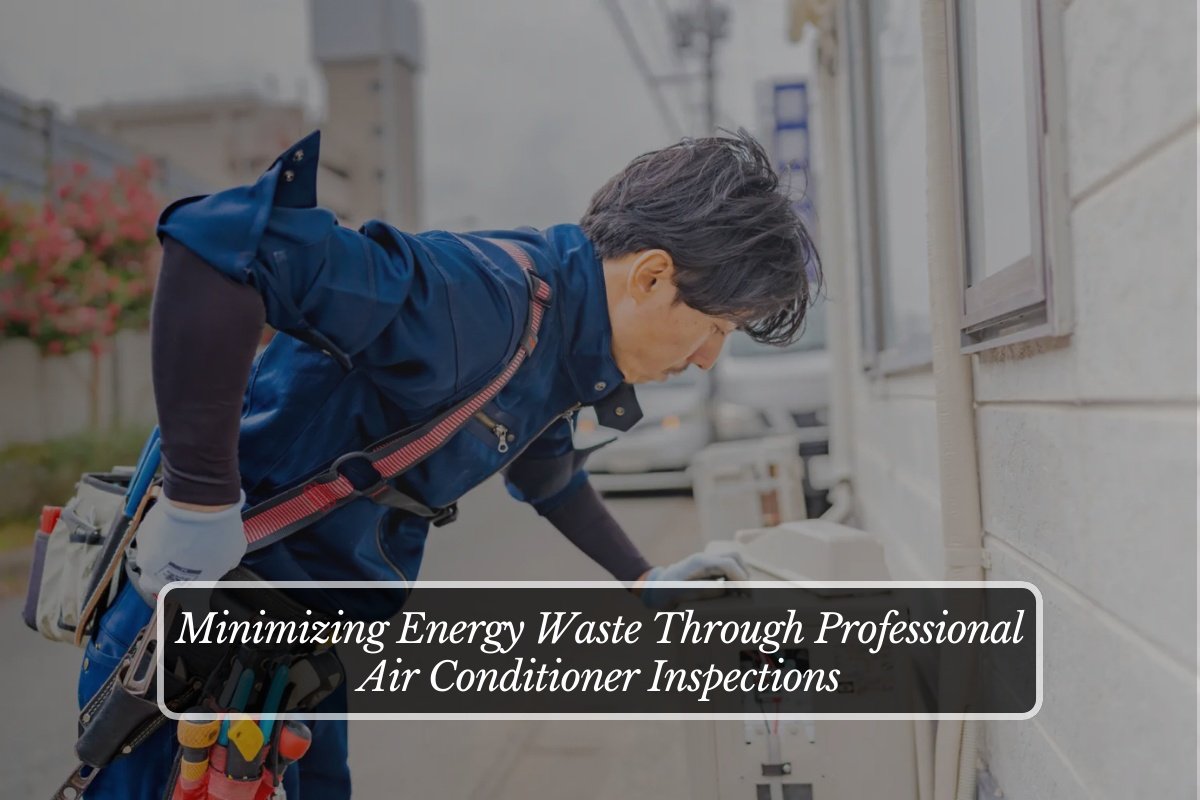
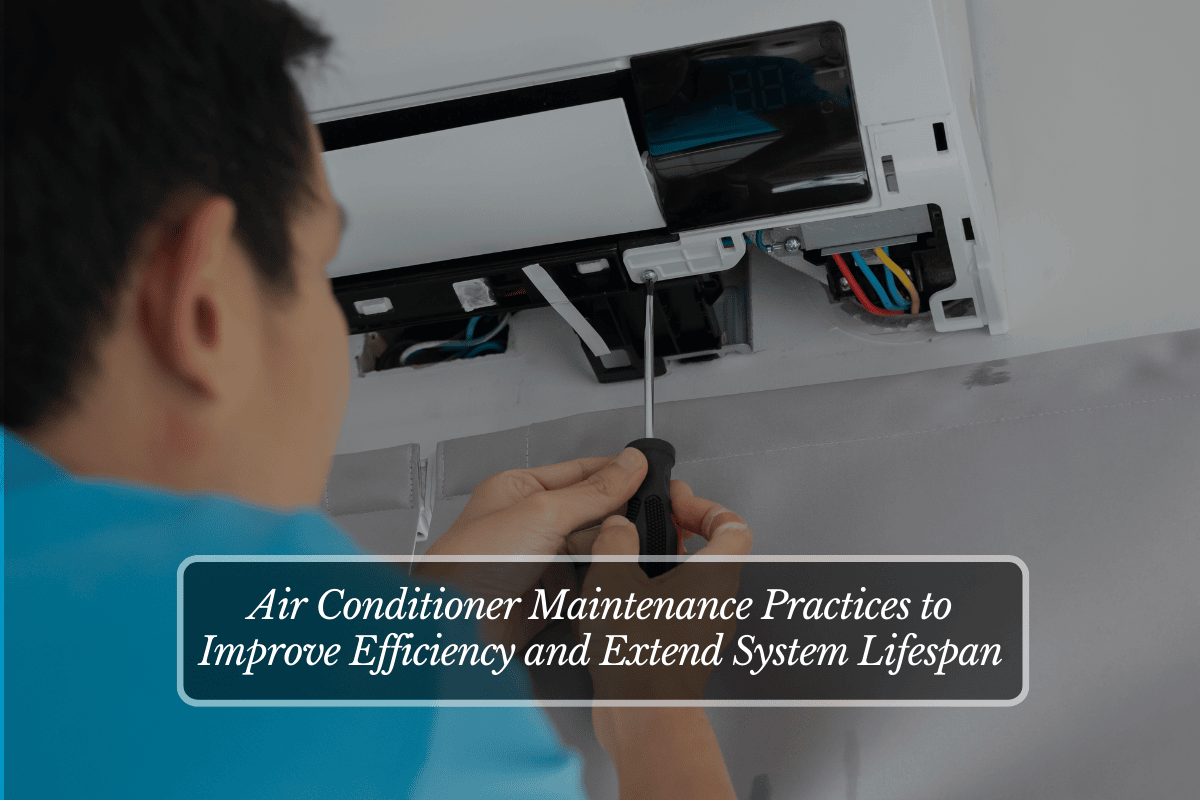
6. Get a Professional AC Service Annually
Even if you maintain your AC well, a professional eye can catch hidden problems.
A typical AC service includes:
- Checking refrigerant levels
- Cleaning coils and fans
- Inspecting wiring and components
- Testing overall performance
Annual servicing before summer can prevent breakdowns during peak usage.
7. Check and Seal Ductwork (for Split or Central ACs)
Leaky ducts can waste 20–30% of cooled air, especially in central or ducted systems.
- Inspect for cracks, holes, or loose joints in ducts.
- Seal them with duct tape or mastic sealant.
- Insulate exposed ducts to prevent cooling loss.
This step is crucial for large homes or office spaces.
A little care goes a long way when it comes to air conditioners. By following these regular AC maintenance practices, you’ll enjoy better cooling, lower energy bills, and fewer surprise breakdowns. Most importantly, your AC will last longer—saving you the cost of early replacement. Make AC care a habit, not an afterthought!