An air conditioner is essential for maintaining indoor comfort, especially during hot and humid seasons. However, like any mechanical system, it requires regular maintenance to operate efficiently and reliably. Proper care not only improves cooling performance but also extends the lifespan of the unit, reduces energy bills, and helps prevent unexpected breakdowns. By following a few practical maintenance tips, homeowners can keep their air conditioners running smoothly year after year.
Clean or Replace Air Filters Regularly
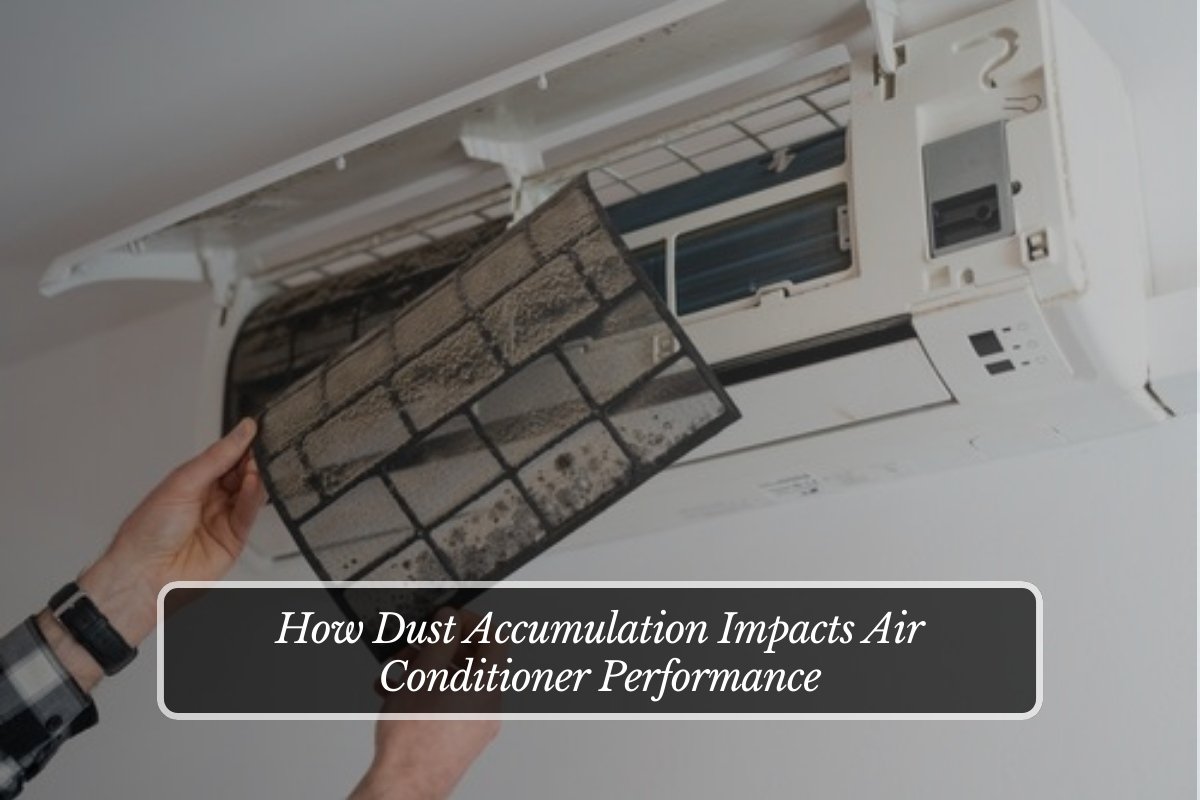
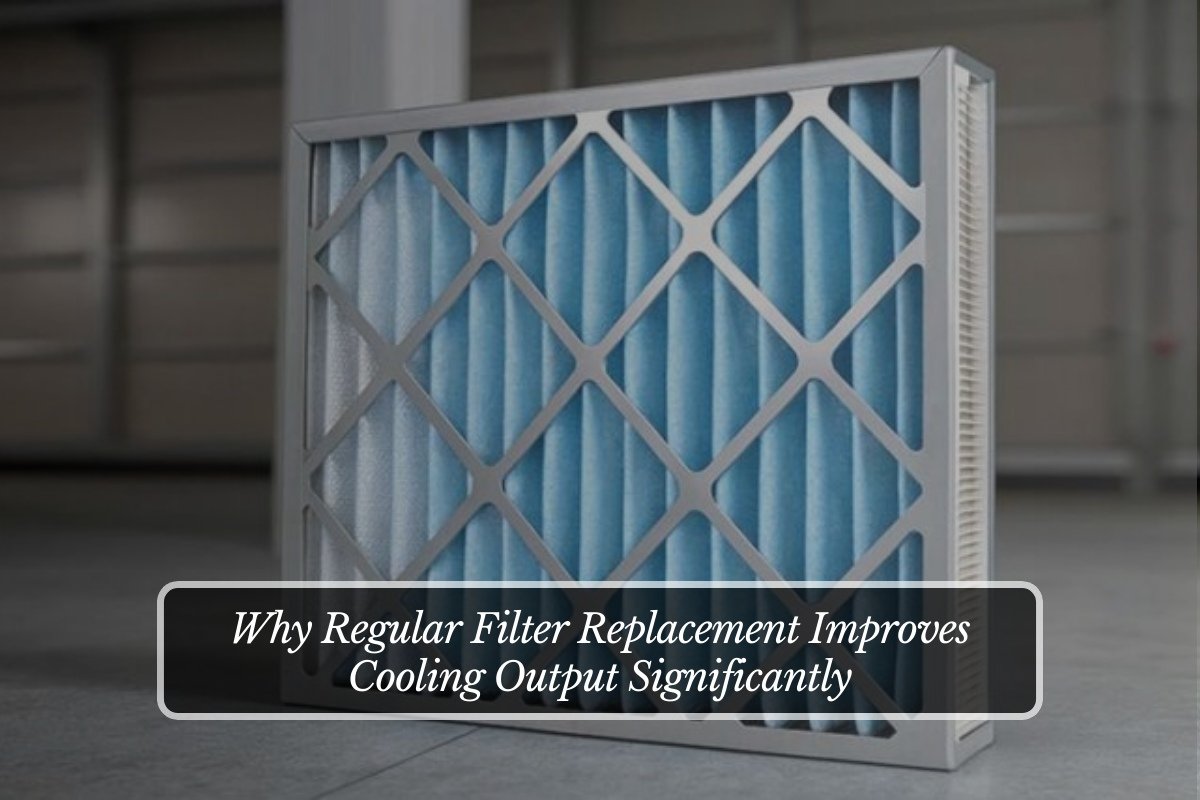
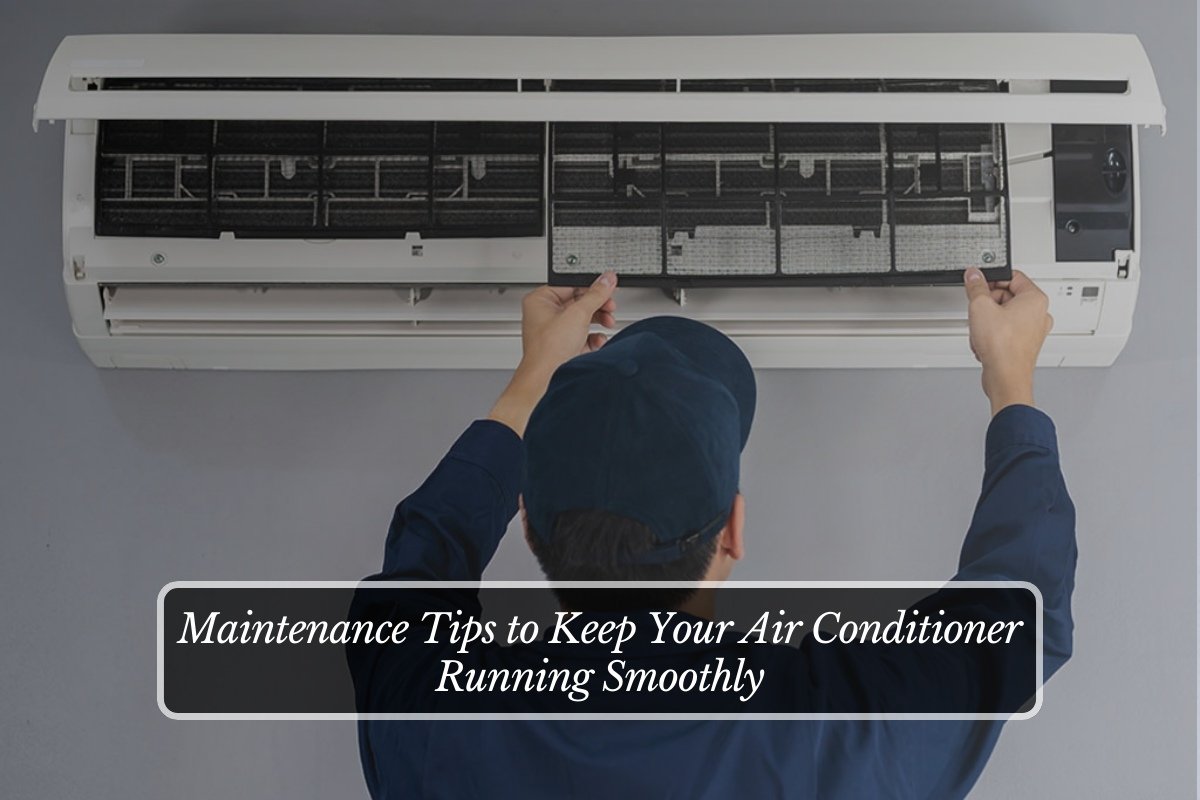
One of the simplest yet most important maintenance tasks is cleaning or replacing the air filter. Over time, filters collect dust, pollen, and debris that restrict airflow. When airflow is reduced, the system has to work harder to cool your space, leading to higher energy consumption and unnecessary wear.
Check your air filter at least once a month, especially during peak usage periods. If it appears dirty, clean reusable filters or replace disposable ones. Clean filters improve air quality, enhance cooling efficiency, and protect internal components from damage.
Keep the Outdoor Unit Clear and Clean
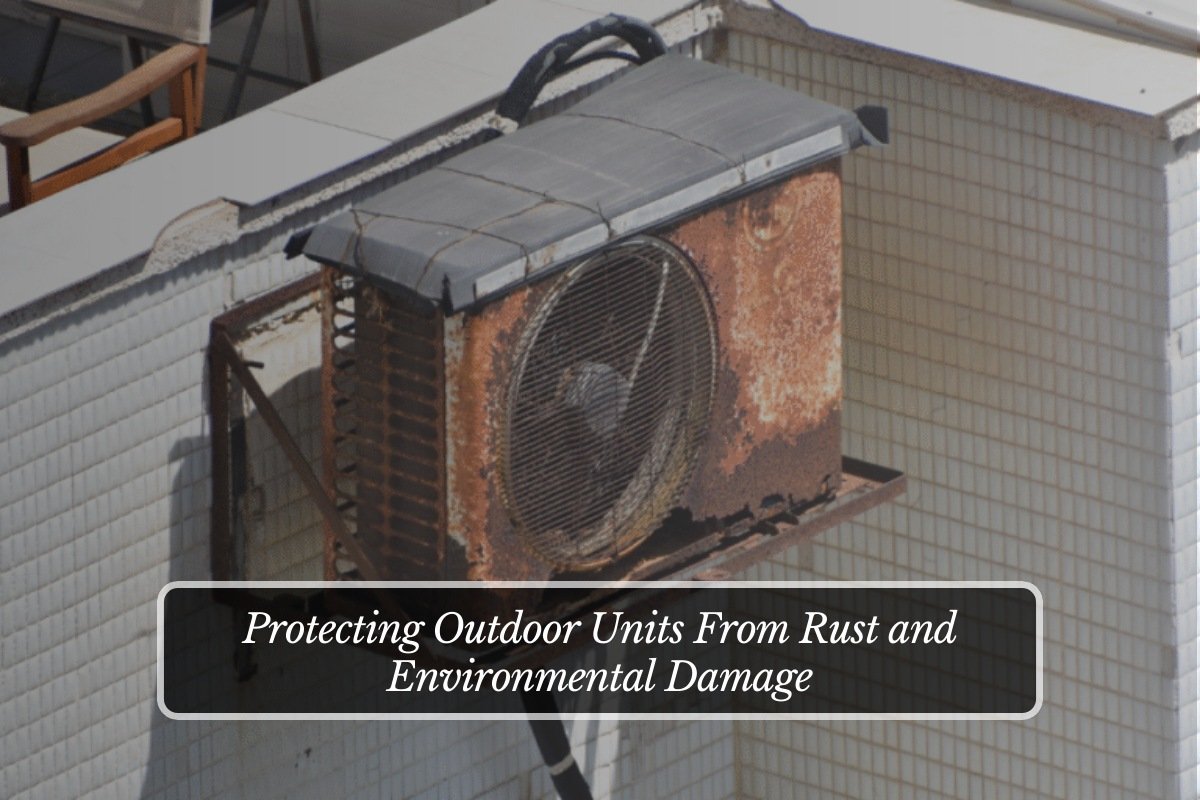
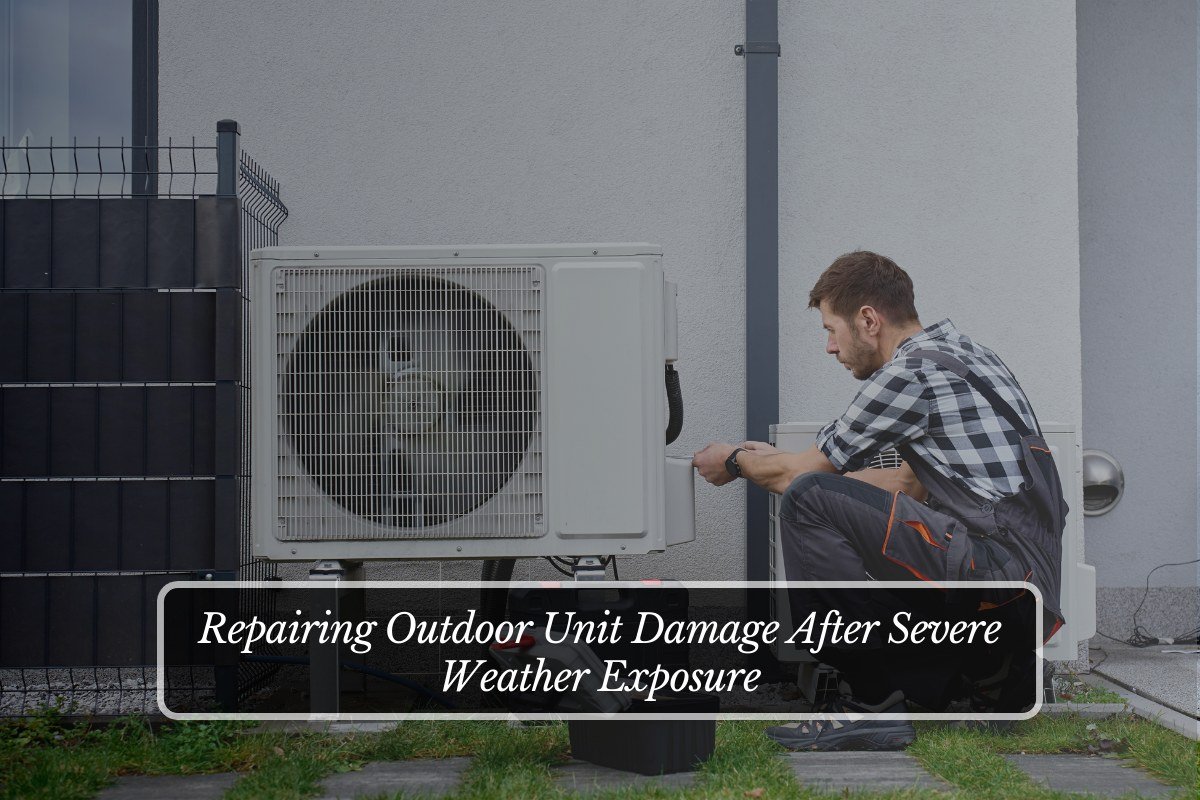
The outdoor condenser unit plays a critical role in releasing heat from your home. Leaves, dirt, grass clippings, and debris can accumulate around the unit, obstructing airflow and reducing efficiency.
Make sure there is at least two feet of clear space around the outdoor unit. Gently clean the fins using a soft brush or low-pressure water spray to remove dirt buildup. Avoid using high-pressure water, as it can damage the delicate fins. A clean condenser helps the system release heat effectively and prevents overheating.
Inspect and Clean the Evaporator and Condenser Coils
Both evaporator and condenser coils accumulate dirt over time. Dirty coils reduce the system’s ability to absorb and release heat, forcing the air conditioner to run longer cycles.
Inspect the coils annually and clean them as needed. While light cleaning can be done at home, professional servicing is recommended for deep cleaning. Clean coils improve heat exchange, reduce strain on the compressor, and support consistent cooling performance.
Check the Thermostat Settings and Performance
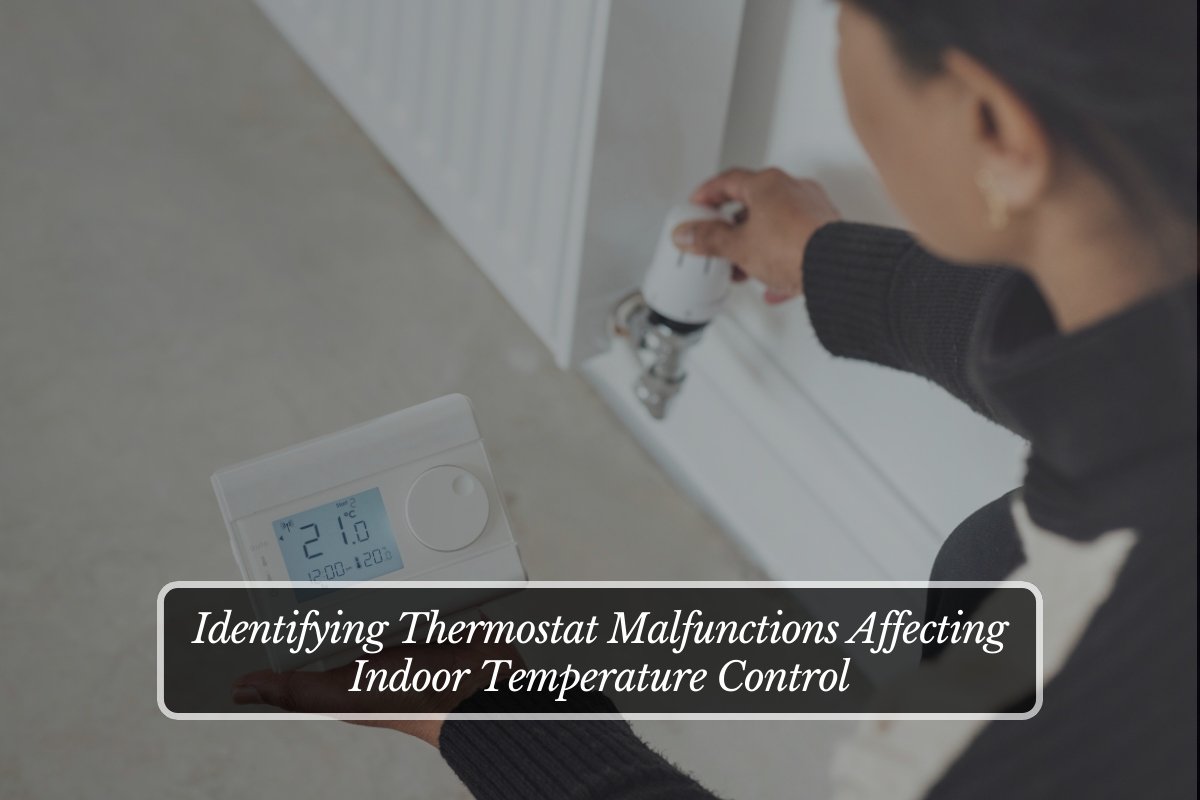
Your thermostat controls when and how your air conditioner operates. Incorrect settings or malfunctioning thermostats can cause uneven cooling or excessive energy use.
Ensure the thermostat is set to an appropriate temperature and mode. Consider upgrading to a programmable or smart thermostat, which allows better control over cooling schedules. Proper thermostat management helps maintain comfort while preventing unnecessary system operation.
Inspect Electrical Connections and Components
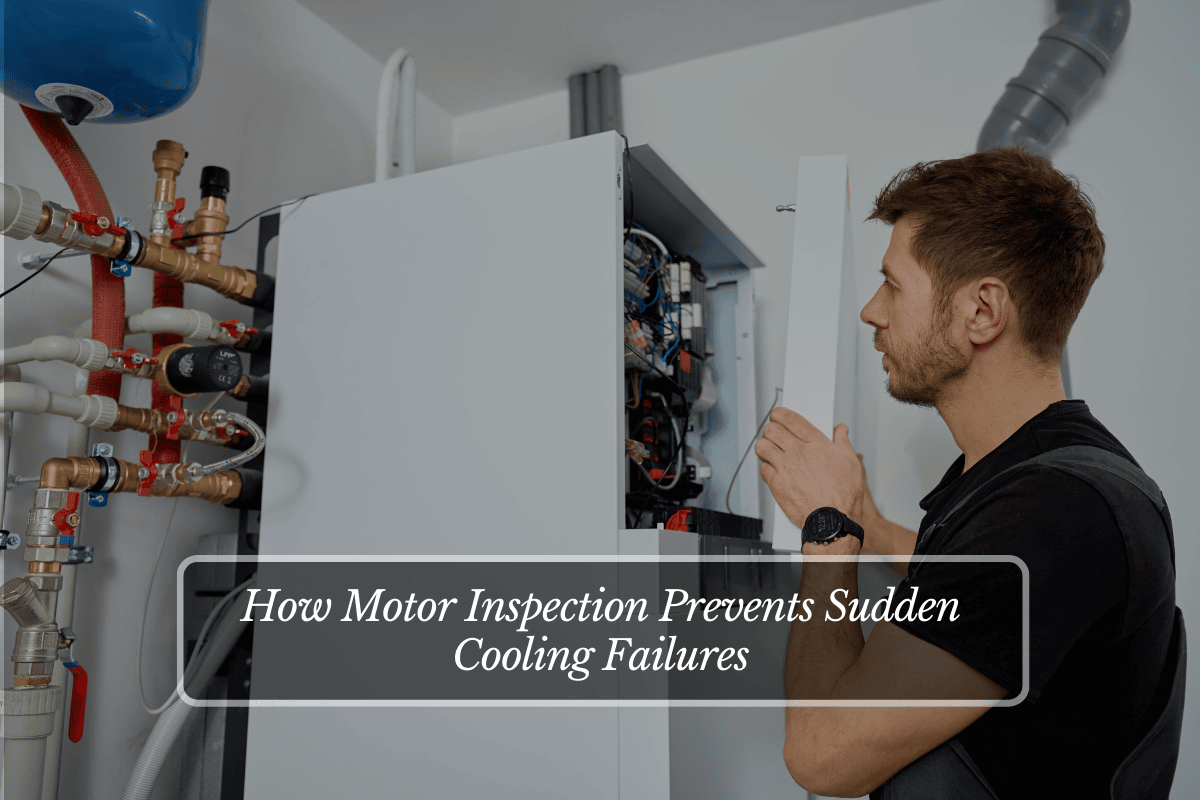
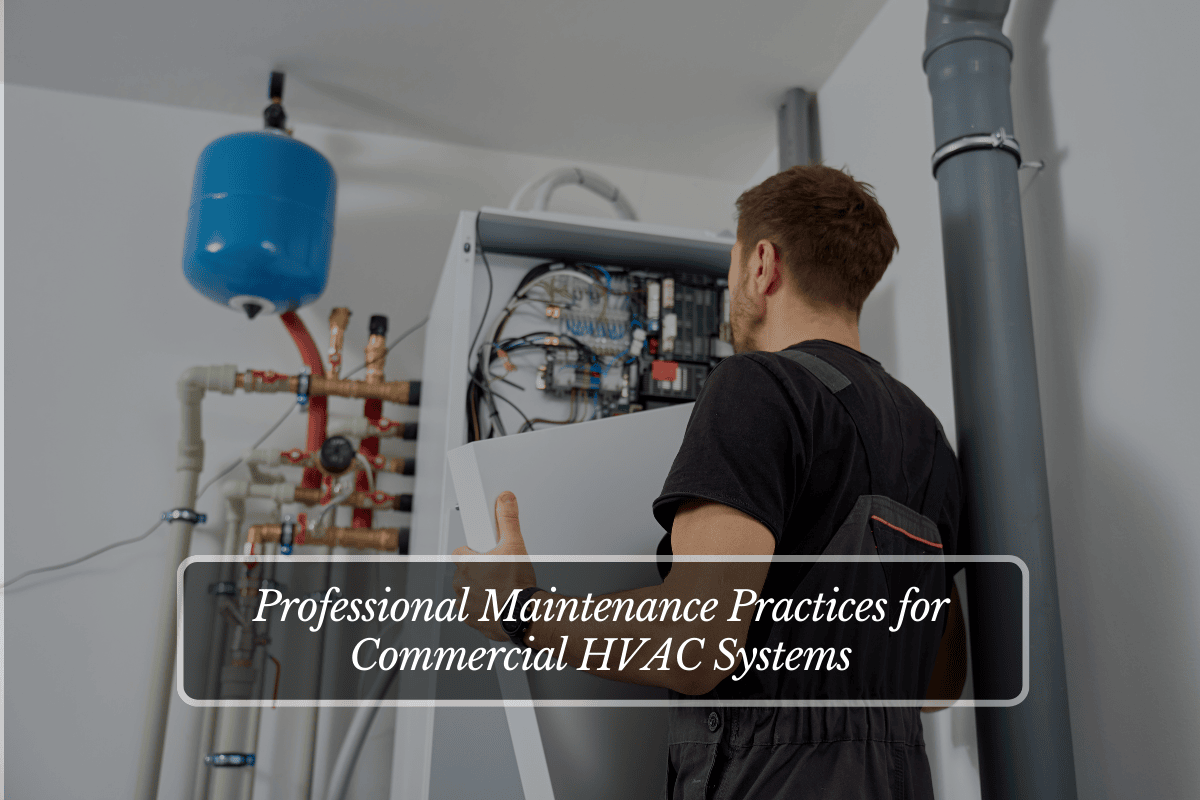
Loose or damaged electrical connections can lead to unsafe operation and reduced efficiency. Over time, vibration and normal wear can affect wiring and electrical parts.
Periodically check visible connections for signs of wear, corrosion, or looseness. Because electrical components can pose safety risks, it is best to have a qualified technician inspect and service them during routine maintenance visits.
Ensure Proper Drainage and Clear Condensate Lines
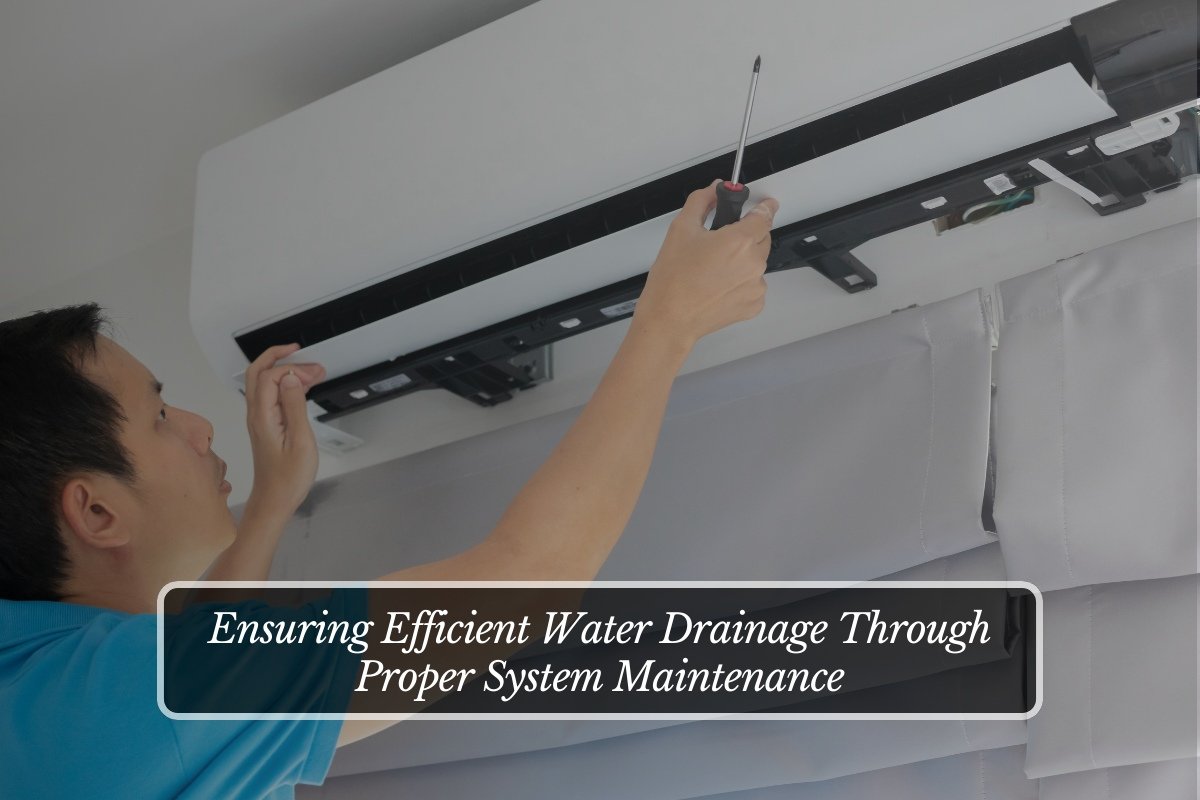
Air conditioners remove humidity from the air, producing condensation that must drain properly. A clogged condensate drain can cause water leaks, mold growth, and system shutdowns.
Check the drain line for blockages and flush it periodically with water or a mild cleaning solution. Keeping the drain clear prevents moisture-related issues and protects both the unit and surrounding areas.
Schedule Professional Maintenance Annually
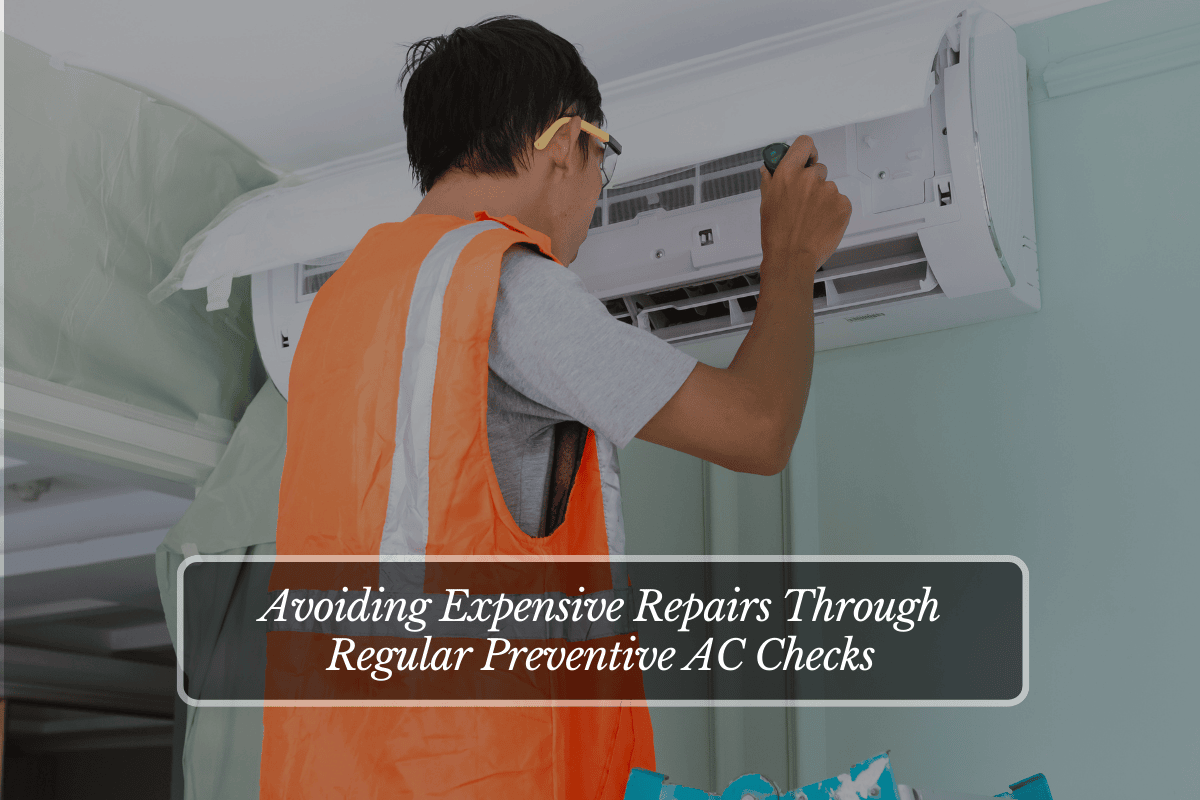
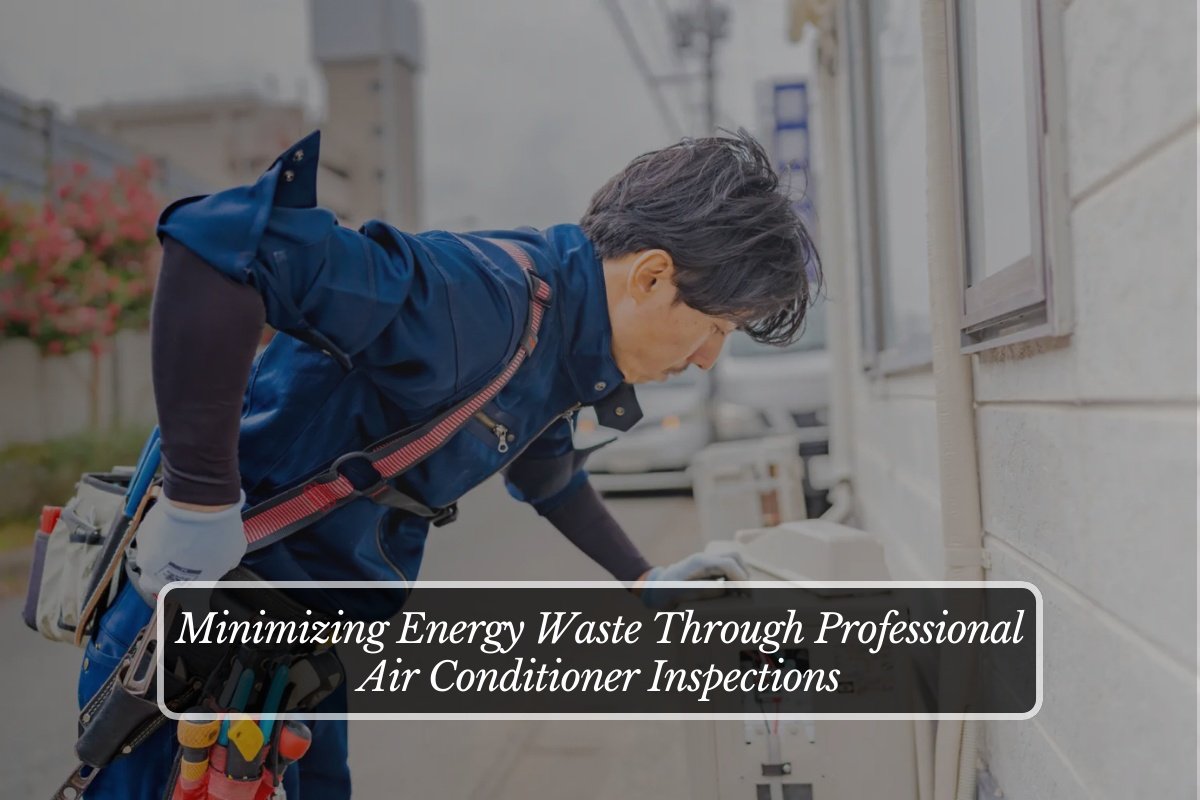
While regular homeowner maintenance is valuable, professional servicing is essential for long-term performance. An annual inspection by a trained technician ensures all components are functioning correctly.
Professional maintenance typically includes checking refrigerant levels, cleaning internal components, testing system performance, and identifying potential problems early. This proactive approach reduces the risk of costly repairs and unexpected breakdowns.
Monitor Energy Usage and System Performance
Pay attention to changes in cooling performance or energy bills. Unusual noises, weak airflow, or longer cooling cycles may indicate underlying issues.
Addressing small problems early can prevent major system failures. Monitoring performance helps ensure your air conditioner continues to operate smoothly and efficiently.
FAQs
How often should I service my air conditioner?
It is recommended to have professional maintenance at least once a year, ideally before the cooling season begins.
Can dirty filters really affect cooling performance?
Yes, dirty filters restrict airflow, reduce efficiency, increase energy use, and can cause system strain.
Is it safe to clean the outdoor unit myself?
Basic cleaning such as removing debris and gently washing the exterior is safe, but internal servicing should be handled by professionals.
What are signs my air conditioner needs maintenance?
Reduced cooling, unusual noises, higher energy bills, and frequent cycling are common warning signs.
Does regular maintenance extend the lifespan of an air conditioner?
Absolutely. Proper maintenance reduces wear, prevents major failures, and helps the system operate efficiently for many years.