Air conditioning systems rarely fail without warning. More often, they show subtle signs of trouble long before a major breakdown occurs. Strange noises, uneven cooling, weak airflow, or slightly higher energy bills may seem like minor inconveniences, but these small issues often signal deeper mechanical problems.
Ignoring them can allow damage to spread through the system, turning affordable fixes into expensive repairs. Understanding why small AC problems escalate helps homeowners protect both their comfort and their budget.
Minor Issues Often Indicate Bigger Hidden Problems
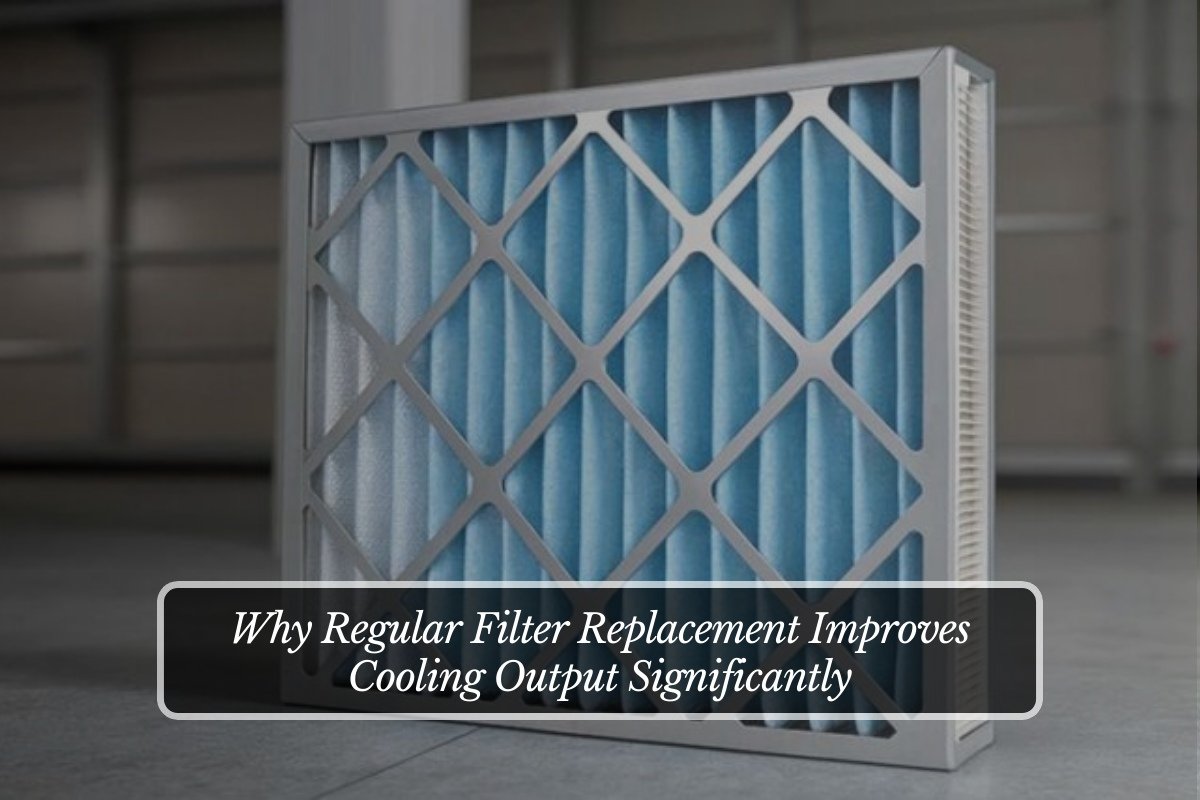
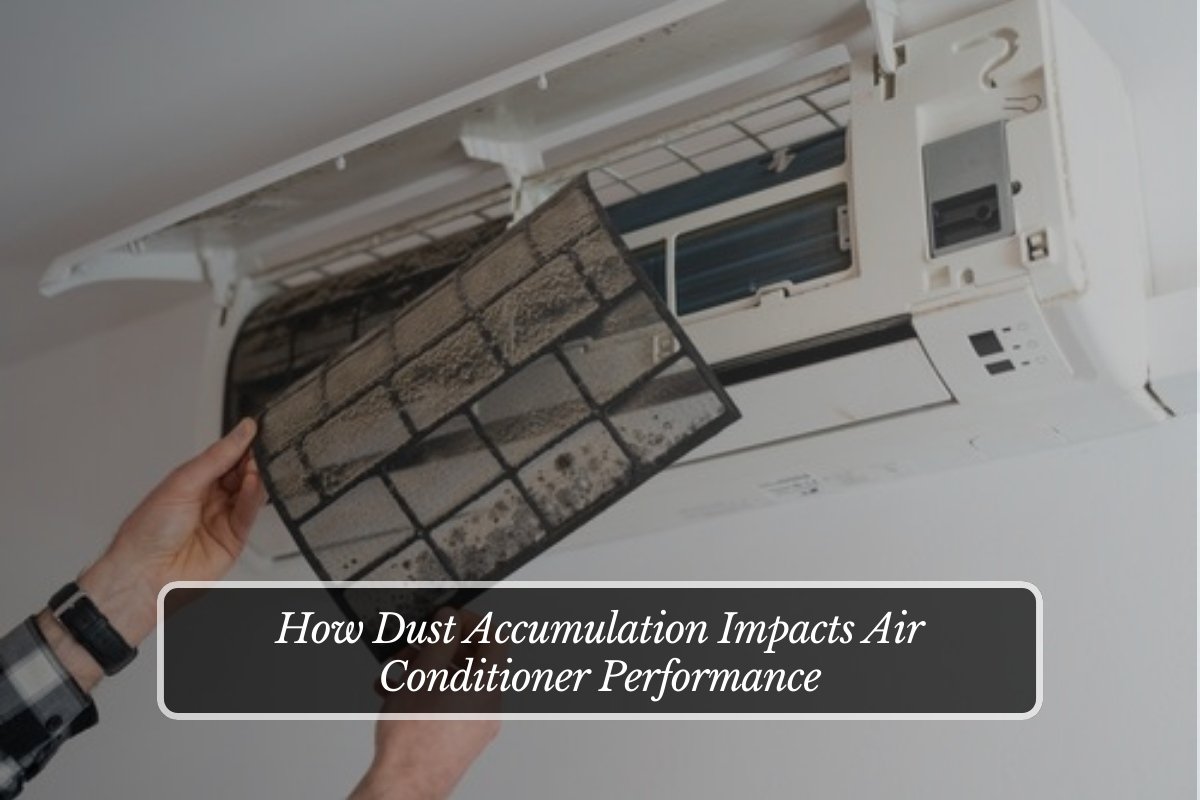
What appears to be a small issue on the surface is often connected to a larger underlying cause. For example, a clogged filter may seem harmless, but it can restrict airflow enough to strain the blower motor and reduce overall system efficiency.
Similarly, a slight refrigerant imbalance may not stop the system from running immediately, but it can force the compressor to work harder than designed. Over time, this extra strain accelerates wear on key components. Minor symptoms are often early warning signals, not isolated problems.
Increased Strain on Components Accelerates Wear
Air conditioners are engineered to operate within specific performance ranges. When a component is not functioning properly, the system compensates by working harder.
A dirty coil, loose belt, or blocked drain line may seem insignificant, but these issues increase resistance inside the system. The compressor, fan motors, and electrical components are forced to run longer cycles and endure more stress. This accelerates wear and shortens the lifespan of parts that are far more expensive to replace.
Higher Energy Use Raises Long-Term Operating Costs
Even small inefficiencies can significantly impact energy consumption. When an AC system is not operating at peak efficiency, it uses more electricity to achieve the same cooling effect.
Homeowners may notice slightly higher monthly bills and assume it is due to weather changes or normal usage. In reality, the system may be running longer cycles because of unresolved issues. Over time, these increased costs can exceed the price of early repairs that would have restored efficiency.
Delayed Repairs Often Lead to Component Failure
Many costly AC repairs occur because early intervention did not happen. A failing capacitor, worn contactor, or loose electrical connection is often inexpensive to fix when caught early.
When these components are ignored, they can trigger a chain reaction of failures. A simple electrical issue can damage the compressor. A clogged drain can lead to water damage or mold. A refrigerant leak can cause the system to freeze and eventually destroy major components. Delaying attention gives problems time to multiply.
Small Refrigerant Leaks Can Become Major System Damage
Refrigerant issues are a common example of how minor problems escalate. A small leak may only slightly reduce cooling performance at first.
As refrigerant levels drop, the system loses its ability to regulate pressure and temperature properly. The compressor must work harder, and the evaporator coil may begin to freeze. Continued operation under these conditions can cause compressor failure, which is one of the most expensive AC repairs a homeowner can face.
Electrical Issues Can Pose Both Mechanical and Safety Risks
Loose wiring, worn relays, or failing capacitors often begin as small electrical irregularities. These issues can cause inconsistent system operation, short cycling, or unusual noises.
If left unresolved, electrical problems can damage sensitive components or even create fire hazards. Early detection during routine maintenance or prompt service calls helps ensure both the safety and reliability of the system.
Ignoring Moisture Problems Can Lead to Secondary Damage
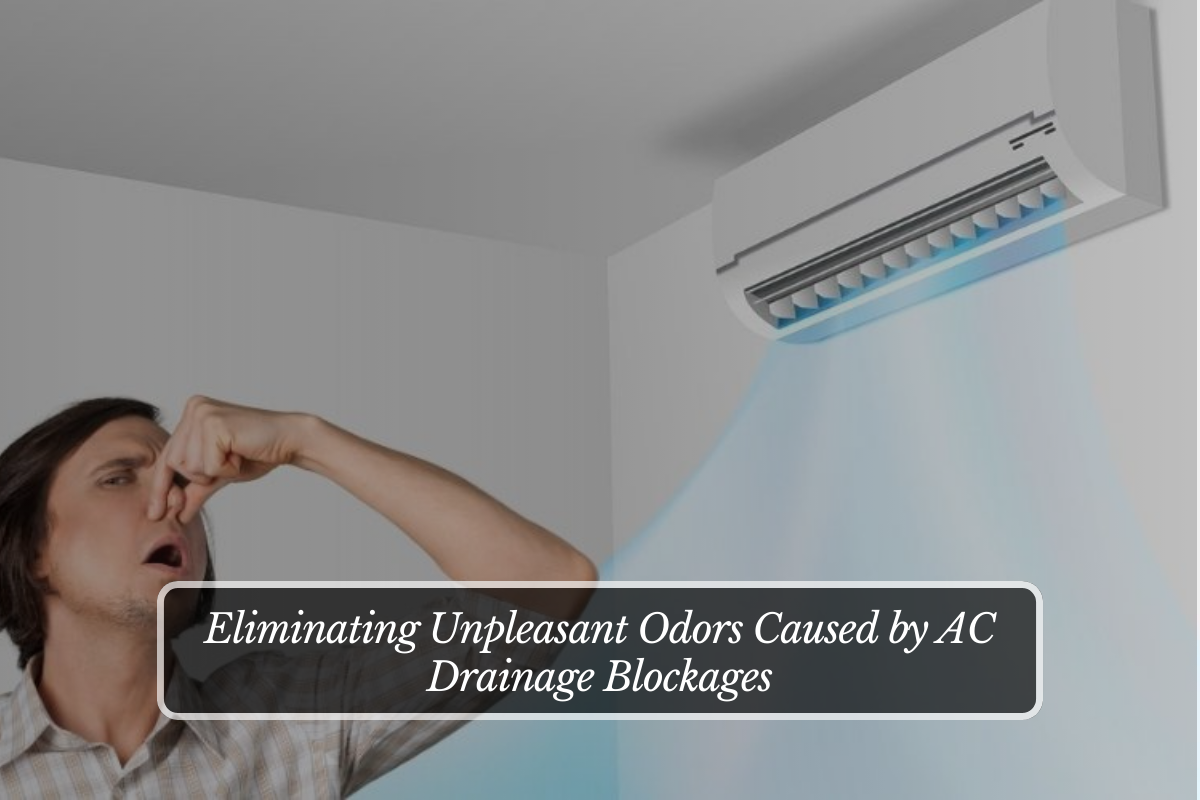
AC systems manage not only temperature but also humidity. When drainage systems become clogged or components malfunction, excess moisture can build up.
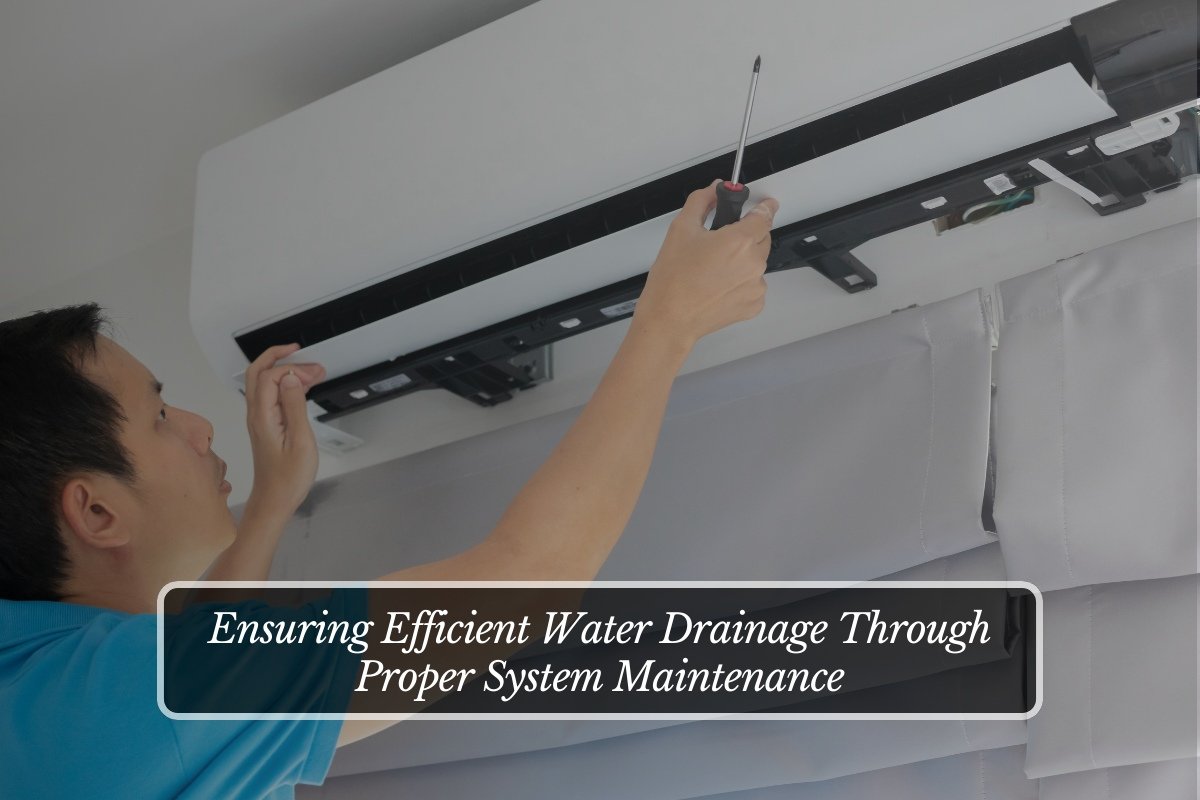
This can lead to water leaks, mold growth, and damage to ceilings, walls, and insulation. What starts as a minor drain line issue can quickly become a costly home repair problem. Addressing moisture-related AC issues early protects both the system and the surrounding structure.
Reduced Comfort Is Often the First Sign of Trouble
Uneven cooling, warm spots in the home, or longer cooling times are often early signs that the system is struggling.
Homeowners may tolerate these issues rather than seeking service, assuming the system is simply aging. However, reduced comfort often indicates that components are no longer functioning efficiently. Addressing these issues early can restore performance and prevent the system from deteriorating further.
Preventative Maintenance Helps Catch Problems Before They Escalate
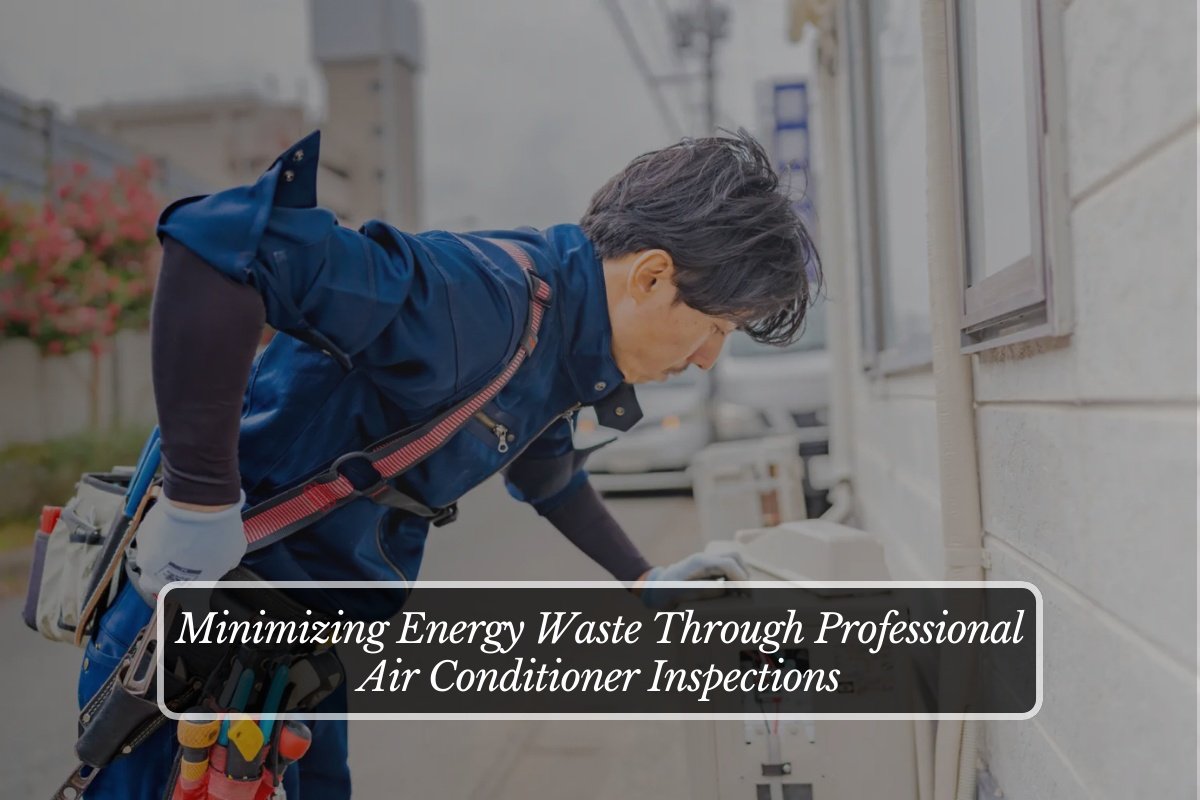
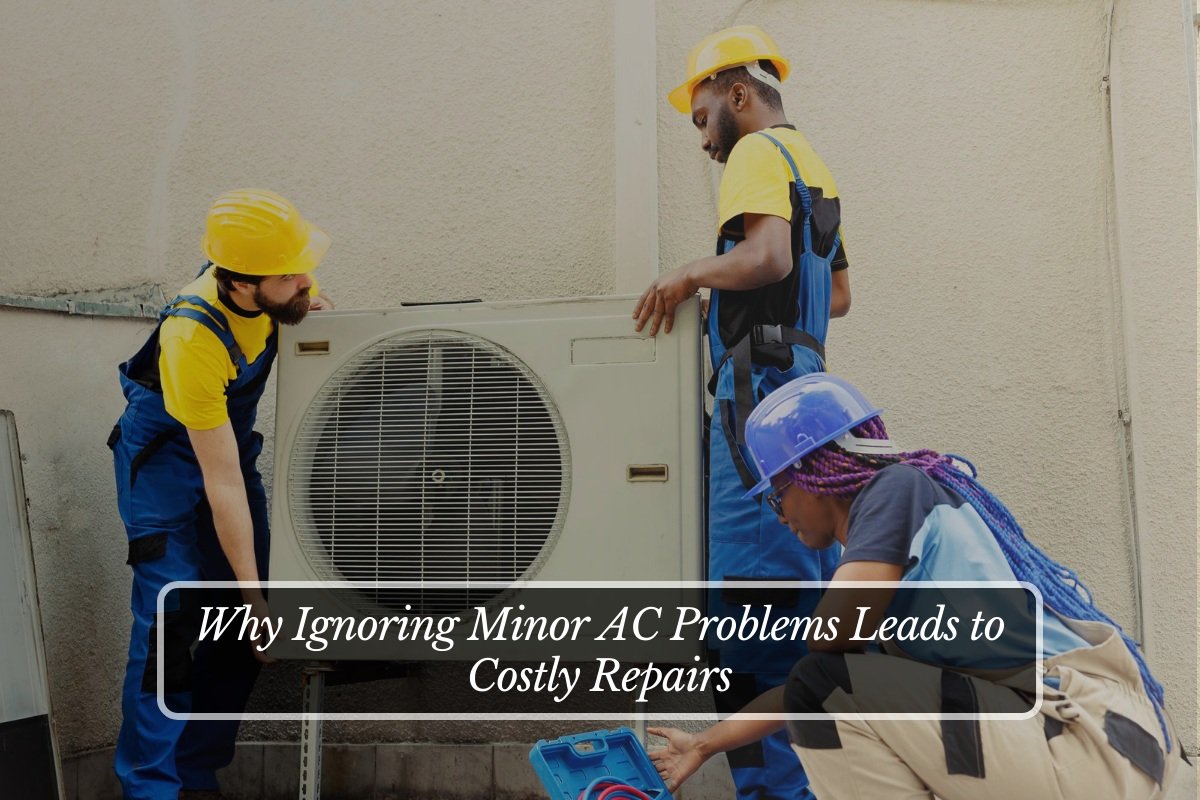
Regular professional maintenance plays a critical role in preventing minor issues from becoming major repairs. Technicians can identify worn parts, loose connections, airflow problems, and early signs of mechanical failure before they cause serious damage.
Routine inspections allow for small adjustments and minor repairs that protect the system as a whole. This proactive approach is almost always more affordable than emergency repairs or premature system replacement.
Long-Term Cost Savings Come From Early Action
Many homeowners delay calling for service to save money, but this approach often backfires. The cost of addressing a small issue early is usually modest compared to the expense of replacing major components later.
Early repairs protect efficiency, extend equipment lifespan, reduce the risk of breakdowns, and lower overall operating costs. Over time, the financial benefits of prompt attention far outweigh the cost of preventative care.
Frequently Asked Questions
What are common minor AC problems homeowners ignore?
Clogged filters, weak airflow, unusual noises, inconsistent cooling, short cycling, and slightly higher energy bills are often early warning signs.
Can a small AC issue really cause major damage?
Yes. Many major failures, such as compressor damage, begin with minor problems that were left unresolved.
How quickly should I address a new AC issue?
As soon as you notice a change in performance, sound, or efficiency, it is best to have the system inspected to prevent escalation.
Are DIY fixes enough for minor AC problems?
Simple tasks like changing filters can be handled by homeowners, but mechanical, electrical, and refrigerant issues should always be addressed by professionals.
Does regular maintenance really prevent costly repairs?
Yes. Routine maintenance allows technicians to detect and fix small problems early, significantly reducing the likelihood of expensive breakdowns.
Is it worth repairing an older system when minor issues appear?
Often, yes. Early repairs can extend the life of older systems and improve performance, helping homeowners delay the much higher cost of full system replacement.