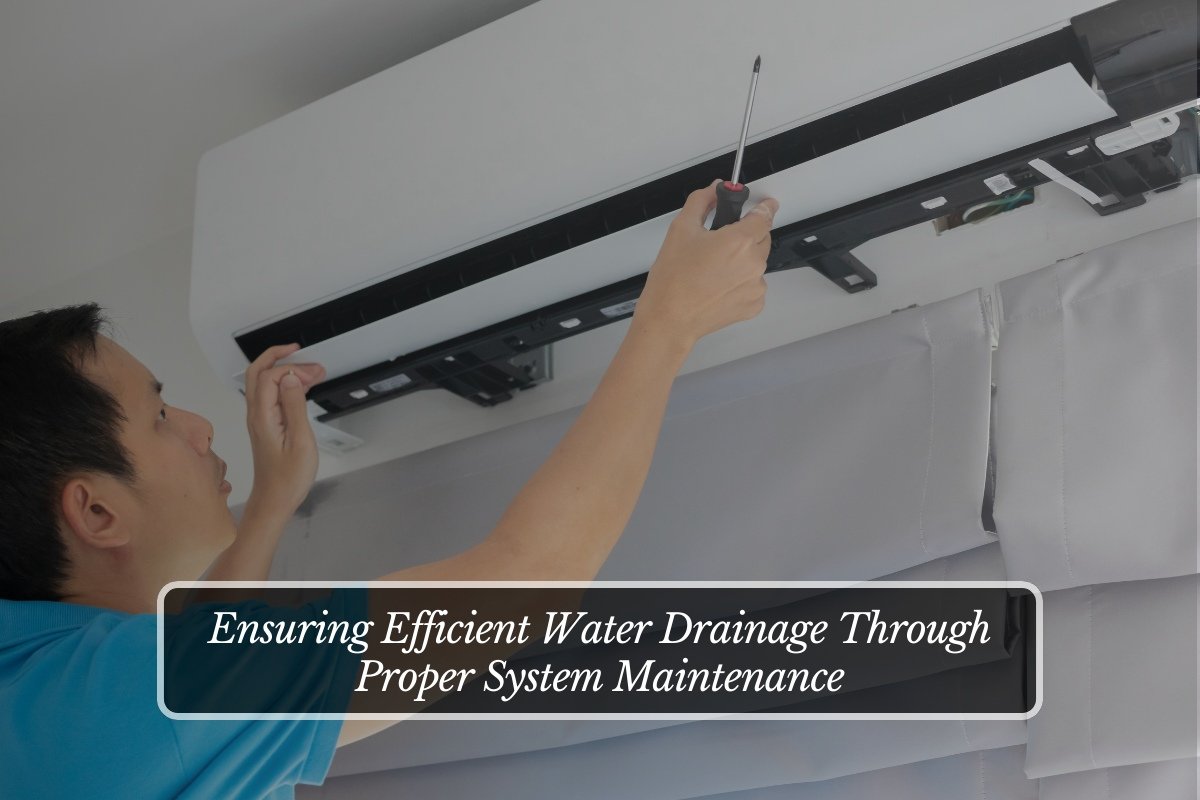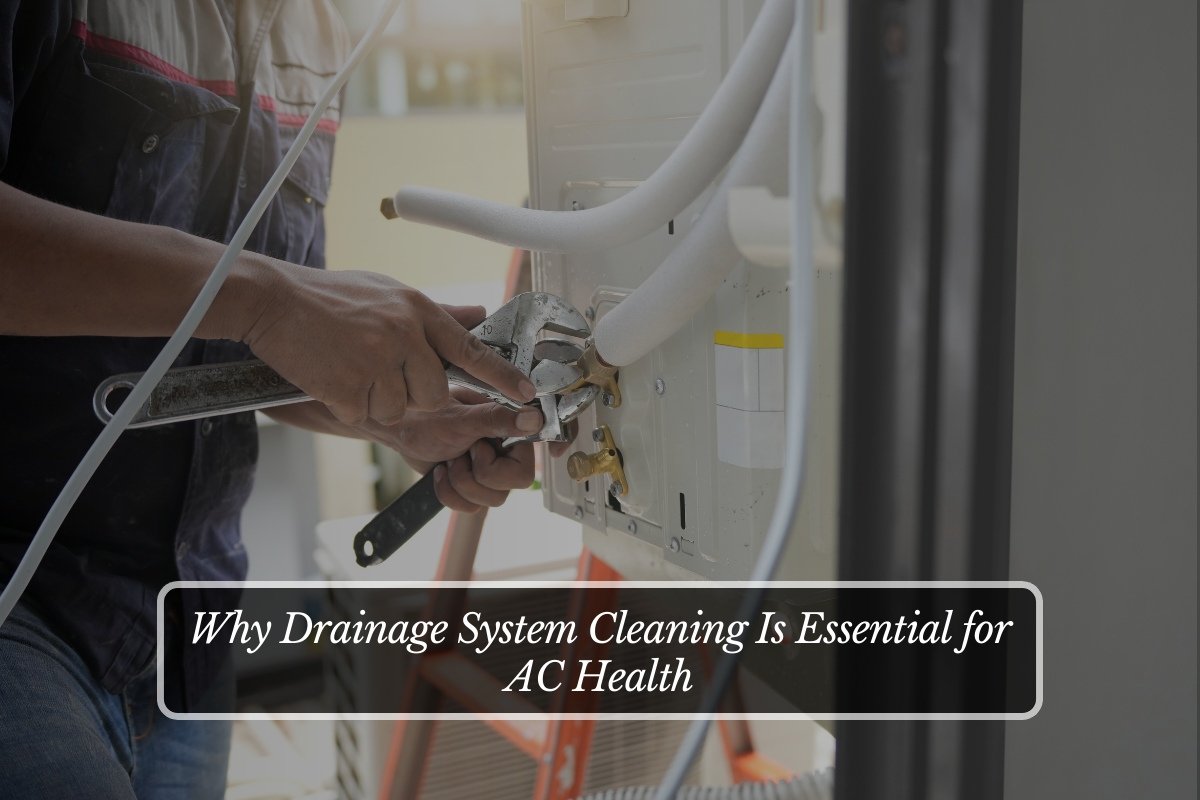
An air conditioning system does more than cool the air—it also removes moisture from it. This moisture is collected and expelled through the AC’s drainage system. When that drainage system is neglected or clogged, it can quietly undermine the performance, efficiency, and lifespan of the entire unit. Regular drainage system cleaning is a simple but essential part of maintaining overall AC health.
How the AC Drainage System Works
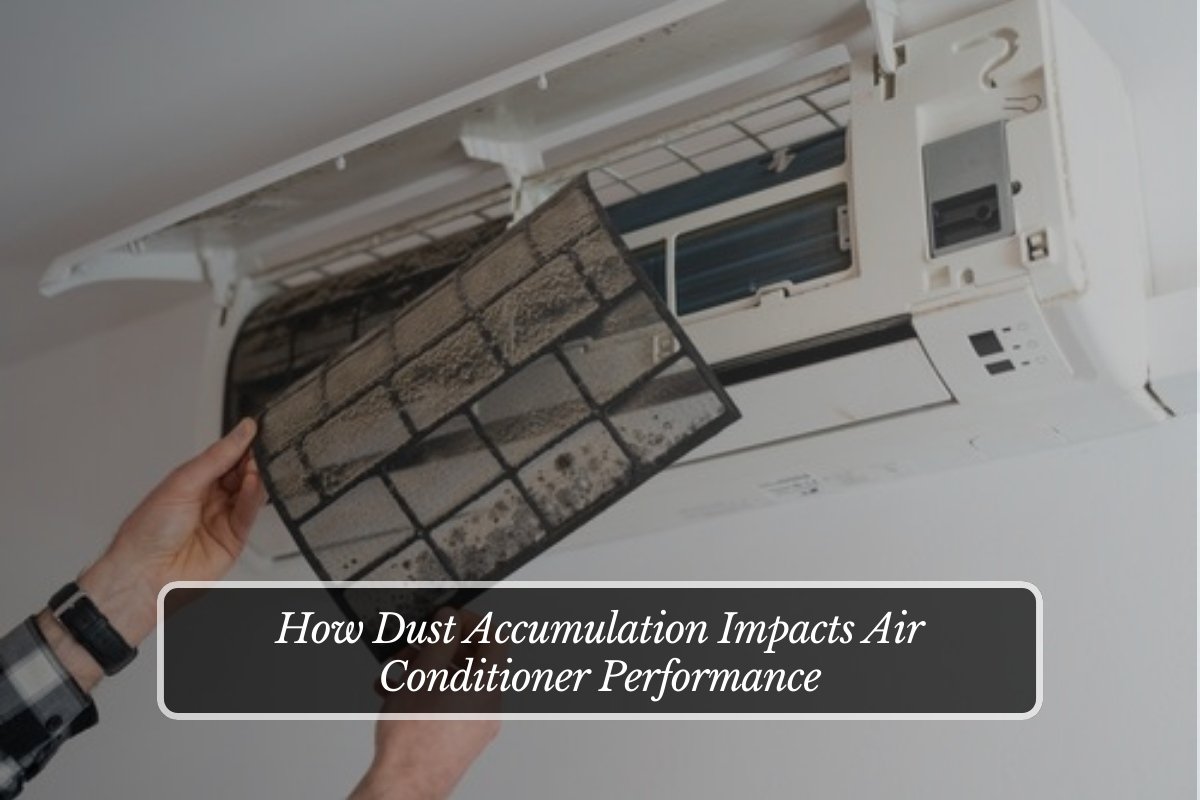
As warm air passes over the evaporator coil, moisture condenses into water. This water drips into a drain pan and flows out through a condensate drain line. When functioning properly, the process is seamless and unnoticed. However, dust, algae, mold, and debris can build up inside the drain line over time, restricting or completely blocking water flow. Without regular cleaning, this hidden component can become a major source of problems.
Preventing Water Leaks and Property Damage
One of the most immediate consequences of a clogged drainage system is water leakage. When water cannot exit through the drain line, it overflows from the drain pan and leaks into walls, ceilings, or floors. This can cause structural damage, staining, and costly repairs. Routine drain cleaning helps prevent these leaks, protecting both the air conditioning system and the surrounding property.
Maintaining System Efficiency
A blocked drain line can trigger safety switches that shut down the AC to prevent water damage. Even if the system continues running, excess moisture around internal components can reduce efficiency. The unit may struggle to regulate humidity and temperature, forcing it to run longer cycles. Cleaning the drainage system ensures smooth moisture removal, allowing the AC to operate efficiently and consistently.
Reducing Mold, Algae, and Bacterial Growth
The condensate drain line provides a damp, dark environment—ideal conditions for mold, algae, and bacteria. If left unchecked, these contaminants can spread through the system and affect indoor air quality. Mold spores and bacteria circulating in the air may aggravate allergies and respiratory issues. Regular drainage cleaning minimizes microbial growth, helping maintain a healthier indoor environment.
Protecting Key AC Components
Excess moisture caused by drainage issues can damage sensitive components such as the evaporator coil, blower motor, and electrical parts. Corrosion and rust can develop when water accumulates where it shouldn’t. Over time, this leads to expensive repairs or premature system failure. Keeping the drainage system clean reduces unnecessary moisture exposure and extends the life of critical AC components.
Avoiding Unexpected System Shutdowns
Many modern air conditioners are equipped with float switches that shut the system down when water levels rise too high. While this feature prevents water damage, it can leave you without cooling during hot weather. Clogged drain lines are one of the most common reasons for these sudden shutdowns. Preventive cleaning helps avoid inconvenient breakdowns and emergency service calls.
Supporting Routine Maintenance and Cost Savings
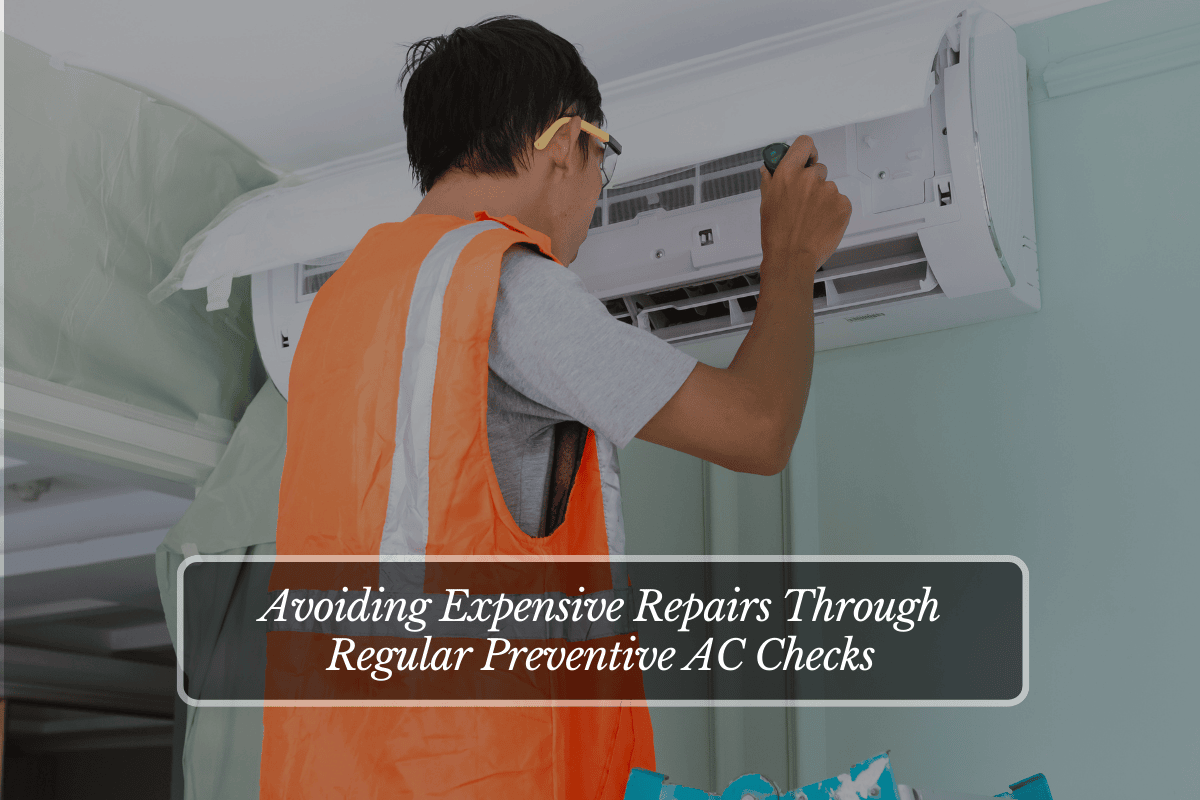
Drainage system cleaning is a relatively quick and affordable maintenance task, especially when compared to the cost of repairing water damage or replacing major AC components. Including drain line cleaning in routine AC servicing helps identify potential issues early, reducing long-term repair costs and improving overall system reliability.
FAQs
How often should an AC drainage system be cleaned?
At least once a year, or more frequently in humid climates where algae and mold grow faster.
What are signs of a clogged AC drain line?
Water leaks, musty odors, AC shutdowns, or visible moisture around the indoor unit.
Can a clogged drain line damage the AC system?
Yes. It can cause corrosion, electrical damage, reduced efficiency, and system shutdowns.
Does drain cleaning improve indoor air quality?
Yes. It helps prevent mold and bacteria from spreading through the air.
Is drainage system cleaning expensive?
No. It is a low-cost maintenance task that helps avoid much more expensive repairs later.