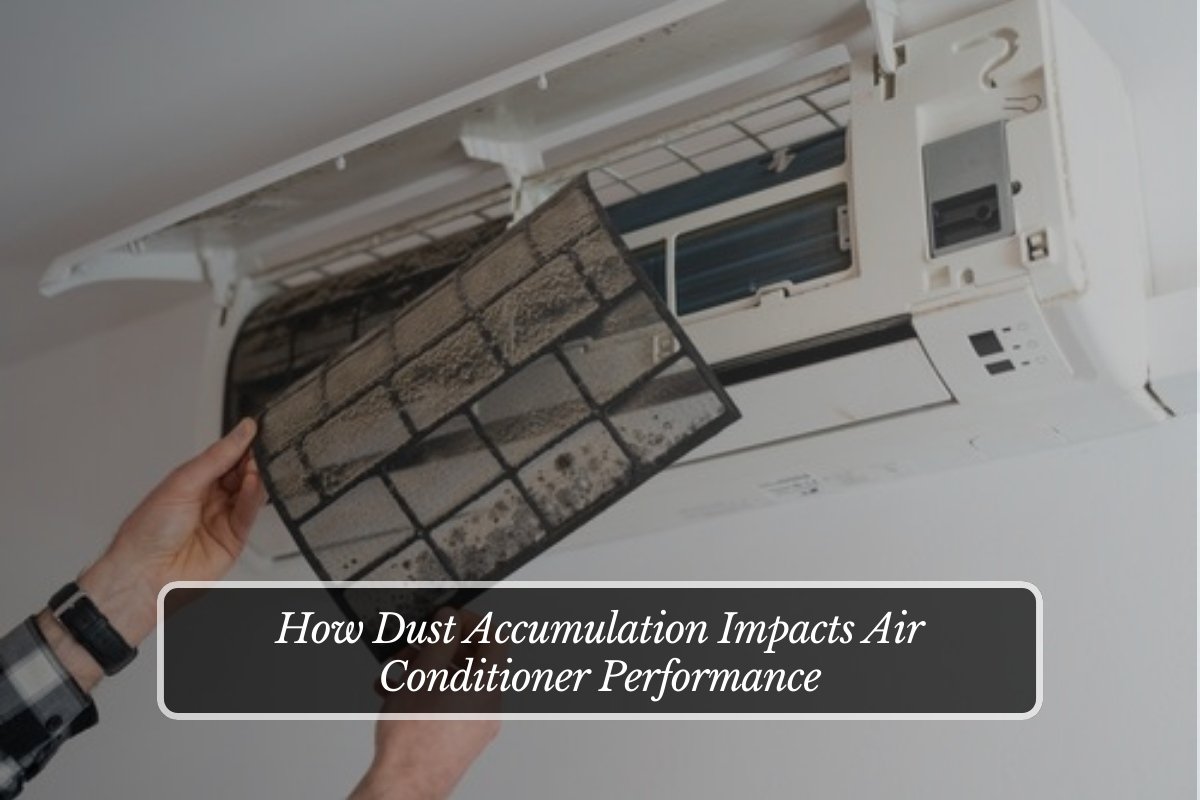
Dirty coils sabotage air conditioner performance across U.S. homes by blocking heat exchange, forcing systems to labor longer and consume more energy. Even a thin layer of grime slashes efficiency up to 21%, spiking summer bills and risking breakdowns in scorching climates from Florida to Arizona.
Evaporator Coil Blockage
The indoor evaporator coil absorbs indoor heat into refrigerant, but dirt acts as insulation, trapping warmth and slowing the process. Airflow drops as dust clogs fins, raising coil temps and preventing proper cooling—systems cycle endlessly without reaching set points.
Restricted refrigerant flow causes evaporator coils to freeze, as low airflow drops surface temps below 32°F, forming ice that further chokes the unit. Result: warm air from vents despite constant running.
This core failure cascades through the entire system.
Condenser Coil Heat Trapping
Outdoor condenser coils release absorbed heat to ambient air, but debris like leaves, grass, and lint coats fins, impeding dissipation. High head pressure builds as refrigerant can’t shed heat, overworking the compressor—amps spike 20-30% under load.
Bent or clogged fins compound issues, mimicking a blanket over the unit in humid Southern states. Compressors strain near failure points, shortening lifespans from 15 to under 10 years.
Hot discharge gas signals overload.
Compressor Overload and Strain
Compressors pump refrigerant through dirty coils under excess pressure, drawing higher amps and risking burnout—common in 40% of HVAC service calls. Liquid slugging from evaporator ice floods oil-lubricated bearings, accelerating wear.
Overheating triggers thermal safeties, causing short cycling that stresses startups 5x more than steady runs. Annual energy waste hits $100+ per household nationwide.
Proactive owners avert $1,500 compressor swaps.
Surging Energy Consumption
Dirty coils demand 30-40% more electricity to achieve marginal cooling, as fans blow harder against resistance while compressors fight pressure. A SEER 16 unit drops to SEER 10 equivalent, bloating bills in peak July heat.
DOE studies confirm fouling as top residential efficiency killer—even 0.042-inch buildup cuts capacity 21%. Texas and California users see steepest hikes from constant 95°F+ runs.
Savings from cleaning pay back in one season.
Indoor Air Quality Decline
Mold thrives on damp, dirty evaporator coils, circulating spores through ducts—problematic for allergy sufferers in humid Midwest summers. Bacteria-laden condensate pans amplify odors and respiratory risks.
Outdoor condensers pull pollen and pollutants, redepositing via leaks. Clean coils restore filtration, cutting airborne contaminants 50%.
System Lifespan Shortening
Cumulative strain—ice damage, pressure spikes, overuse—precipitates failures like failed capacitors or refrigerant leaks. Dirty units age 2-3x faster, per EPA data, versus annual-maintained peers hitting 20 years.
Warranty voids often cite neglected coils, burdening owners with full replacement costs averaging $7,500.
Signs of Dirty Coils
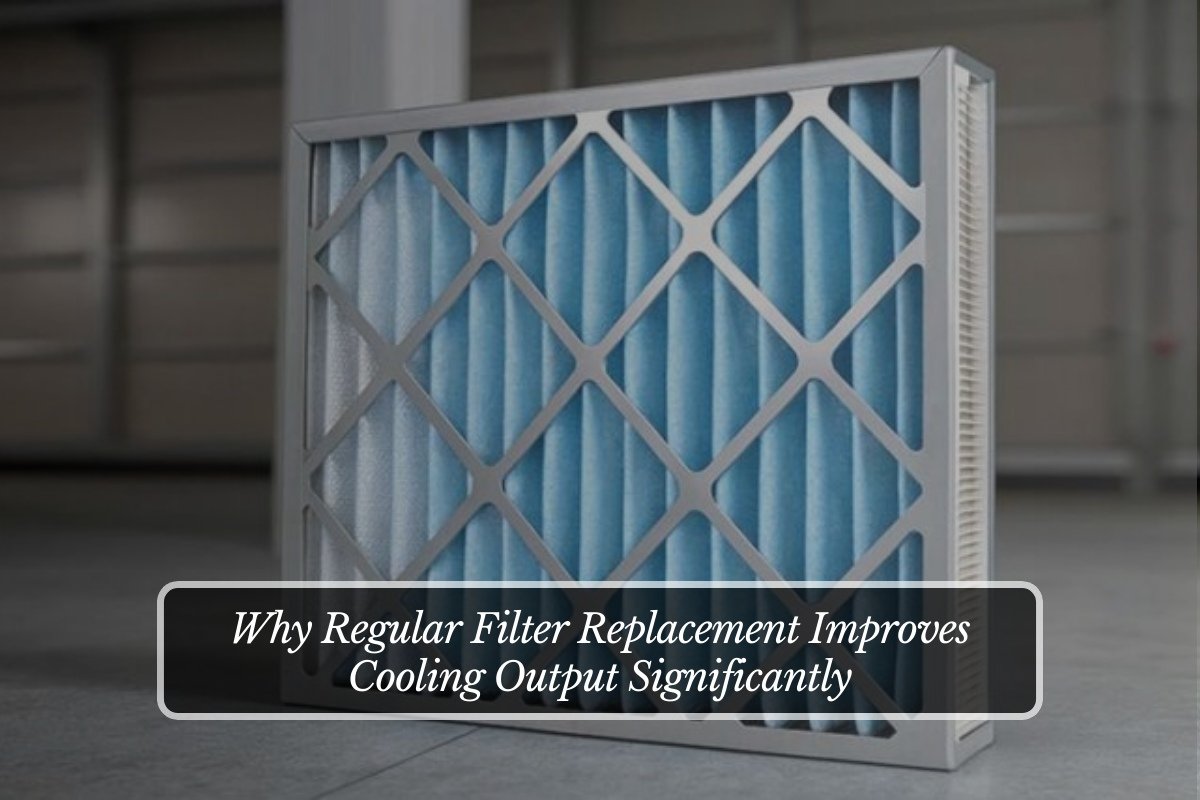
Watch for weak airflow, ice on linesets, warm vents, or constant runtime despite low thermostats. Hissing from overpressurized coils or musty odors confirm buildup—check filters first, as clogs accelerate fouling.
Outdoor units with visible debris demand immediate action.
Maintenance Prevention Steps
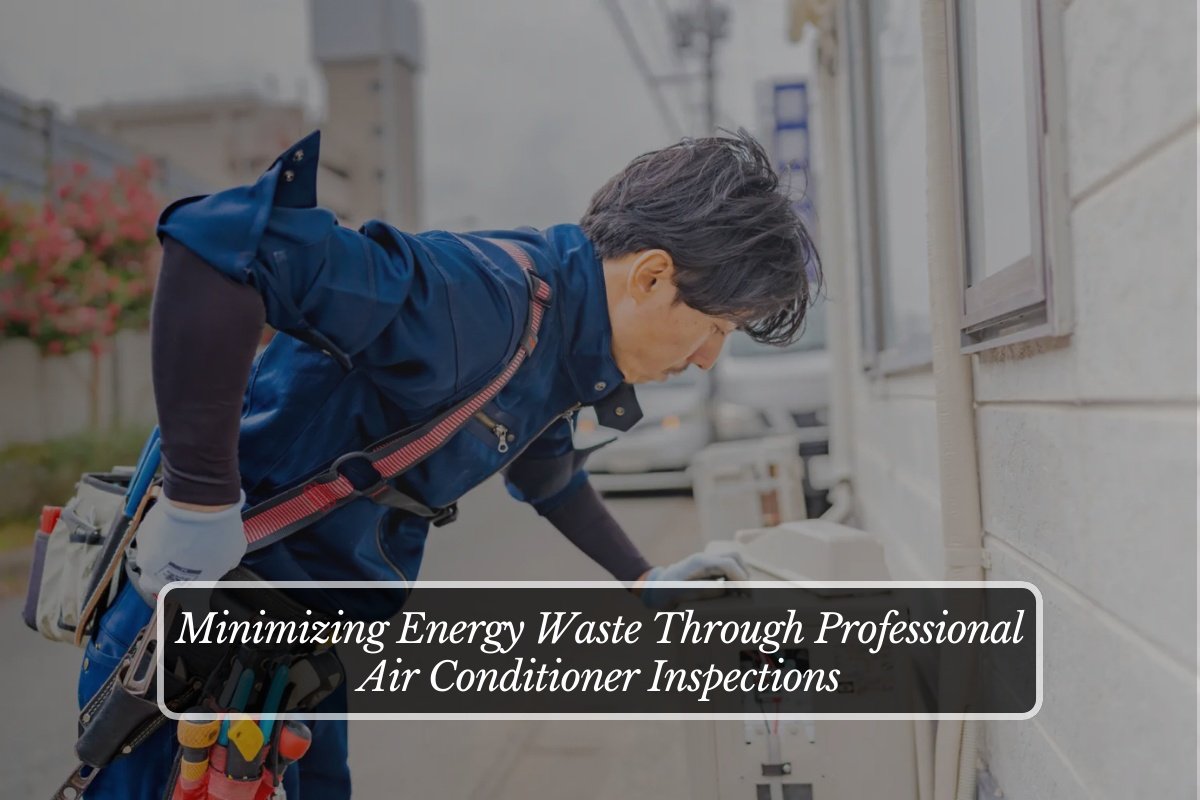
Annual pro cleanings—foam or steam methods—restore fins, costing $100-200 versus $500 emergencies. Monthly filter swaps (MERV 8-11) and quarterly condenser hosing slash risks 70%.
Shade units and clear 2-foot clearances boost airflow in sunny states. Smart thermostats flag runtime anomalies early.
Routine vigilance saves thousands.
Frequently Asked Questions (FAQs)
1. How much efficiency do dirty coils reduce?
Up to 21% from thin grime, 40%+ with thick buildup.
2. Why do evaporator coils freeze?
Dirt restricts airflow, dropping coil temps below freezing.
3. What strains the compressor most?
High head pressure from condenser fouling spikes amps 20-30%.
4. Can dirty coils raise energy bills?
Yes, 30-40% more power for same cooling.
5. How often clean coils professionally?
Annually, plus monthly filters to prevent fouling.