An air conditioning system is a long-term investment that plays a critical role in home comfort, indoor air quality, and energy efficiency. As an AC unit ages, homeowners often face the difficult decision of whether to repair the existing system or replace it entirely. Understanding the key factors involved can help you make a financially sound and practical choice that balances short-term costs with long-term benefits.
Understanding the Typical Lifespan of an AC Unit
Most residential air conditioning units have an average lifespan of 10 to 15 years, depending on usage, maintenance, climate, and installation quality. Units that receive regular professional servicing and operate in moderate climates may last longer, while systems exposed to extreme heat or heavy use often wear out sooner.
If your AC is approaching or exceeding this age range, replacement becomes a more realistic consideration, even if the unit is still operational.
Signs That Repair May Be the Better Option
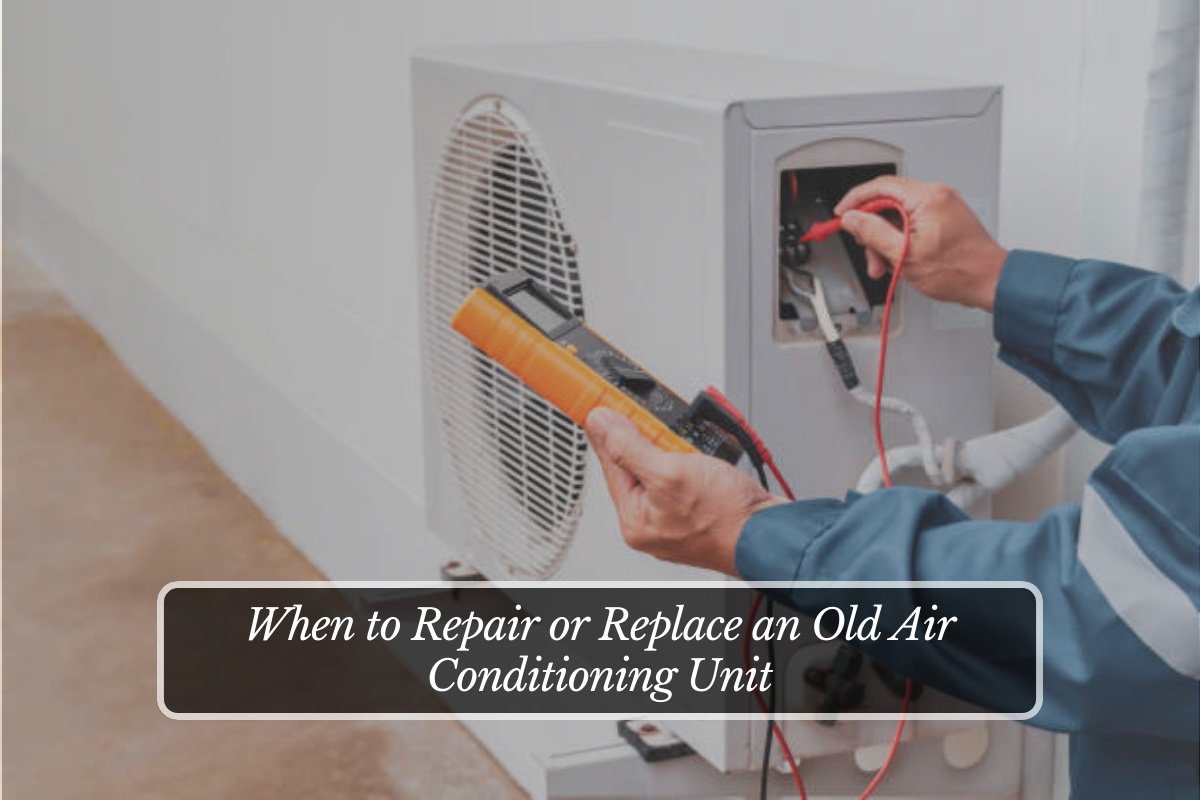
In many cases, repairing an old air conditioner is reasonable—especially when problems are minor or isolated.
Repair may make sense if:
- The unit is less than 10 years old
- The issue involves a low-cost component (capacitor, thermostat, contactor)
- Repairs are infrequent and not recurring
- Cooling performance is still reliable and consistent
- Energy bills have not increased significantly
Routine repairs and maintenance can extend the life of a system and delay the need for a major investment. If the system has been well maintained and the repair cost is relatively small, repairing is often the most economical choice.
When Replacement Becomes the Smarter Decision
There are clear situations where replacing an old air conditioning unit is more cost-effective than continuing to repair it.
Replacement is usually recommended if:
- The unit is 15 years old or older
- Repair costs exceed 30–50% of the price of a new system
- Breakdowns are frequent or worsening
- Cooling is uneven or inadequate
- The system uses R-22 refrigerant, which is now phased out and expensive
- Energy bills are steadily increasing despite normal usage
A common industry guideline is the “$5,000 rule”: multiply the unit’s age by the estimated repair cost. If the result exceeds $5,000, replacement is generally the better option.
Energy Efficiency and Operating Costs
Older AC units are significantly less efficient than modern systems. Advances in compressor technology, variable-speed motors, and smart controls allow newer units to deliver better cooling while using less electricity.
Modern systems that meet ENERGY STAR standards can reduce cooling costs by 20–40% compared to older models. Over time, these energy savings can offset the higher upfront cost of replacement, making a new system more economical in the long run.
Comfort, Performance, and Home Value
An aging AC system often struggles to maintain consistent temperatures, leading to hot spots, excessive humidity, and longer run times. Newer systems provide:
- More even cooling
- Better humidity control
- Quieter operation
- Improved indoor air quality compatibility
In addition, installing a new air conditioning system can increase home value and appeal, particularly if you plan to sell your property. Buyers often view an updated HVAC system as a major advantage.
Environmental and Regulatory Considerations
Older air conditioners typically have a larger environmental footprint. Systems using outdated refrigerants contribute more to ozone depletion and climate change. Modern units use environmentally safer refrigerants and comply with stricter efficiency regulations.
Replacing an inefficient unit reduces overall energy consumption, lowers carbon emissions, and aligns your home with current environmental standards.
Cost Comparison: Repair vs. Replacement
While repairs usually involve a lower immediate expense, repeated repairs add up quickly. Replacement involves a higher upfront cost but offers predictable performance, manufacturer warranties, and reduced maintenance expenses.
When comparing costs, it’s important to consider:
- Expected remaining lifespan
- Energy savings over time
- Warranty coverage
- Frequency of future repairs
Looking beyond the immediate bill often reveals that replacement is the more economical choice over a 5–10 year period.
Frequently Asked Questions (FAQ)
How old is too old for an air conditioner?
Most experts consider 15 years the upper limit for cost-effective operation, especially if repairs are becoming frequent.
Is it worth repairing an AC unit that still cools?
Yes, if the unit is relatively young and the repair is minor. Cooling ability alone doesn’t indicate efficiency or reliability.
How do I know if my AC is inefficient?
Rising energy bills, long run times, and uneven cooling are common signs of declining efficiency.
Does replacing an AC increase home value?
Yes. A new, energy-efficient system is attractive to buyers and can positively impact resale value.
Can regular maintenance delay replacement?
Absolutely. Annual professional maintenance can significantly extend system life and improve performance.