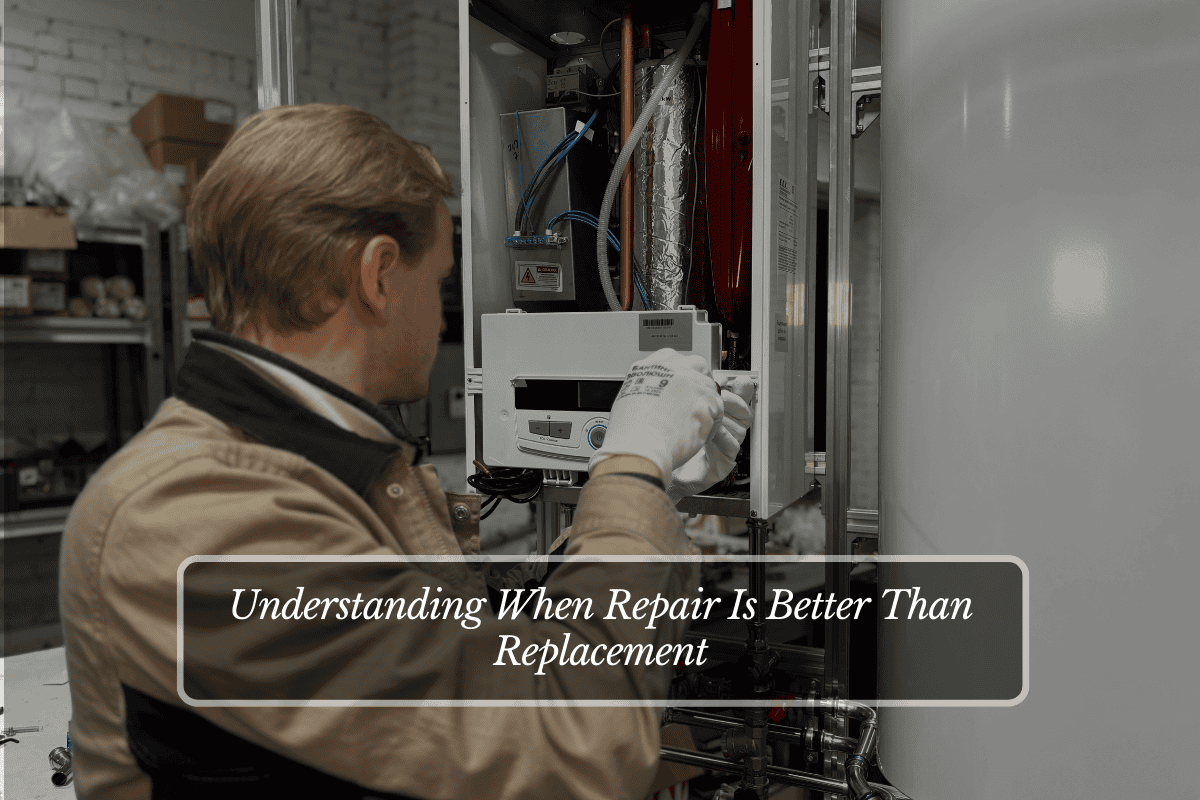
Deciding between HVAC repair and replacement hinges on cost, system age, efficiency losses, and long-term savings, helping U.S. homeowners avoid sinking money into failing units during peak heat. The widely used “$5,000 Rule”—multiply repair cost by system age—guides choices: exceed $5,000, and replacement often wins for reliability and rebates.
The $5,000 Rule Explained
For a $900 compressor fix on a 14-year-old AC, $900 x 14 = $12,600—far over $5,000, signaling replace. A $300 capacitor on a 7-year unit totals $2,100—repair viable. This formula factors remaining lifespan (average 12-15 years), balancing immediate costs against future failures. Pros refine it with energy audits, but it empowers quick decisions amid rising 2026 refrigerant prices.
Age and Efficiency Thresholds
Units over 10-12 years with SEER ratings below 14 guzzle 30-50% more energy than modern 16+ SEER models, adding $200-400 yearly bills. R-22 systems (pre-2010) face phase-out surcharges, making $200 recharges uneconomical. Repairs on 15+ year olds rarely last, as cascading failures like heat exchangers ($800-1,500) tip scales toward $7,500 full replacements.
Cost Breakdowns
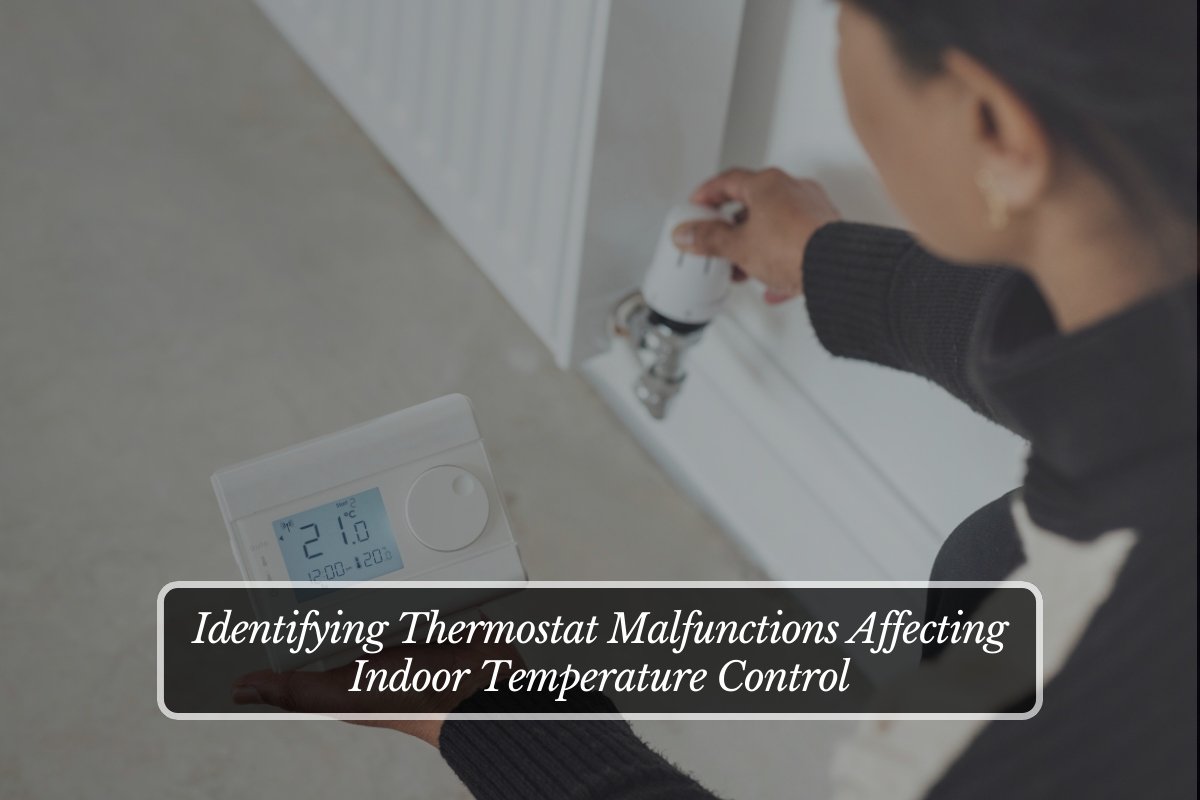
Common repairs: thermostats $150-500, blower motors $450-750, refrigerant $200-600, compressors $1,200-2,500. Full systems run $7,500-12,500 installed, including labor and basic ducts. Multiple fixes—capacitor plus coils—hit $1,500+, rivaling new unit down payments. Heat pumps ($6,000-13,000) shine in mild zones, qualifying for $2,000 federal tax credits under IRA extensions.
Energy Savings Payback
New ENERGY STAR units recoup premiums in 3-5 years via 20-40% lower utilities, per DOE data. A 16-year-old’s slumping efficiency amplifies this: replace for consistent 55°F output versus patchy cooling. Frequent repairs signal end-of-life; case studies show owners saving $900+ yearly post-swap, plus warranties covering 10 years.
Frequent Breakdown Patterns
One-off fixes like clogged drains ($100-200) warrant repair; three calls yearly exceed wisdom. Signs for replacement: uneven temps, constant cycling, or humidity spikes indicating core flaws. In hot states like Florida, compressor swaps near new AC costs make upgrades smarter, avoiding summer blackouts.
Warranty and Rebate Incentives
Repairs void or shorten warranties on aging parts; new systems offer 10-year coverage plus labor guarantees. 2026 rebates via Inflation Reduction Act hit $8,000 for heat pumps in low-income homes, offsetting 50% upfront. Financing at 0% APR spreads costs, tipping scales for efficiency-focused owners.
Environmental and Home Value Factors
R-410A upgrades cut emissions 50%; old leaks harm ozone. Resale boosts 3-5% with new HVAC per appraisals, vital in competitive markets. Hybrid decisions—repair now, replace in 2 years—work for budgets under $3,000 fixes.
Professional Assessment Keys
Load calculations via Manual J ensure right-sizing; duct audits reveal hidden leaks wasting 20-30%. Ties to your home interests: smart choices sustain renovations through reliable climates.
Weigh these for decisions saving thousands while ensuring comfort.
FAQs
1. What’s the $5,000 Rule?
Repair cost x system age > $5,000 = replace; simple guide for viability.
2. When repair a 15-year-old unit?
Minor fixes under $500 if efficient; frequent issues demand replacement.
3. How much save with new efficiency?
20-40% on bills, recouping costs in 3-5 years per DOE.
4. Compressor repair worth it?
$1,200-2,500 often matches new AC down payments—replace instead.
5. Rebates for 2026 replacements?
Up to $8,000 via IRA for heat pumps, plus local utility incentives.