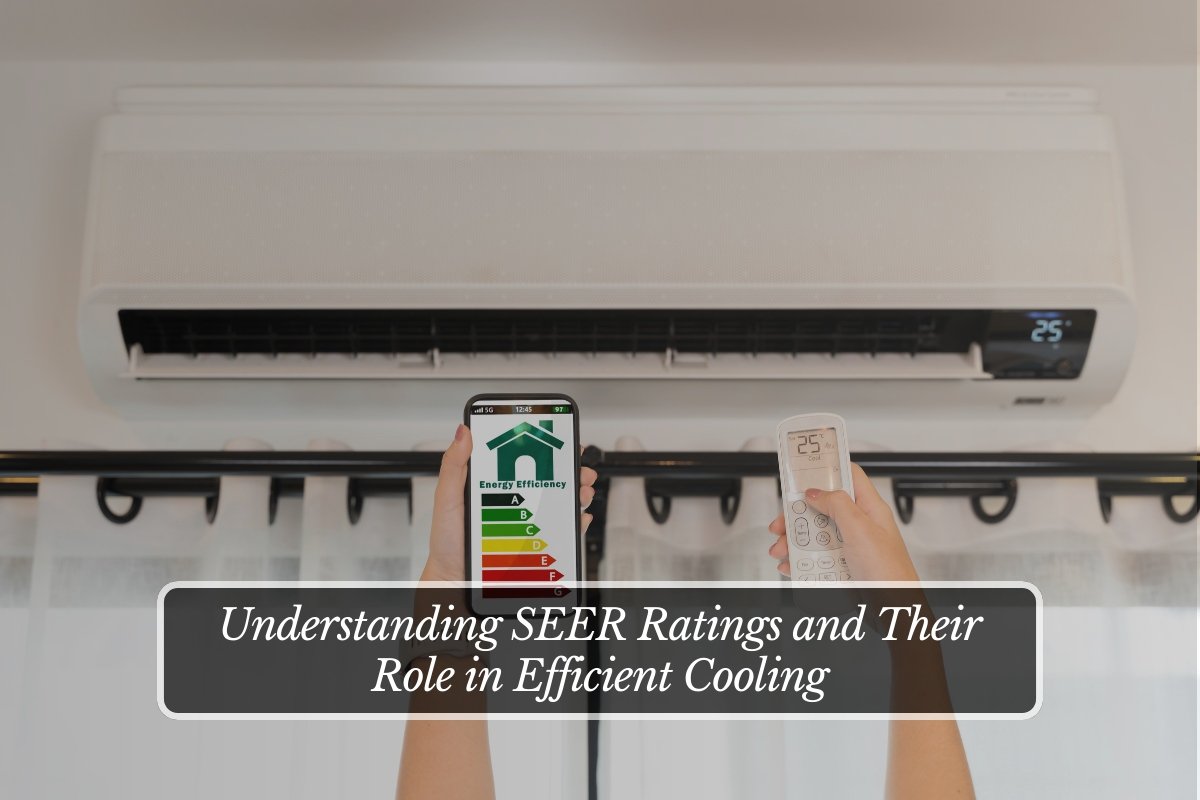
When choosing an air conditioning system, energy efficiency is one of the most important factors to consider. Among the various efficiency metrics available, the SEER rating plays a central role in determining how effectively an air conditioner cools a space while using electricity. Understanding SEER ratings helps homeowners and businesses make informed decisions that balance comfort, operating costs, and long-term energy savings.
What Is a SEER Rating?
SEER stands for Seasonal Energy Efficiency Ratio. It measures how efficiently an air conditioning system operates over an entire cooling season rather than at a single point in time. Specifically, SEER is calculated by dividing the total cooling output (measured in British Thermal Units) by the total electrical energy consumed (measured in watt-hours) during a typical cooling season.
In simple terms, a higher SEER rating means the system produces more cooling for each unit of electricity it uses. This makes SEER a reliable indicator of real-world energy performance under varying temperature conditions.
How SEER Ratings Are Used
SEER ratings allow consumers to compare different air conditioning systems on an equal basis. For example, a system with a SEER rating of 18 is significantly more efficient than one rated at 13, meaning it can provide the same cooling while using less electricity.
Regulatory agencies set minimum SEER standards to improve overall energy efficiency and reduce environmental impact. These minimum standards have increased over time as technology has advanced, making newer systems far more efficient than older models.
The Connection Between SEER and Energy Costs
One of the most practical benefits of a higher SEER rating is lower energy bills. Since air conditioners often account for a large portion of electricity use during warm months, even small improvements in efficiency can result in noticeable savings.
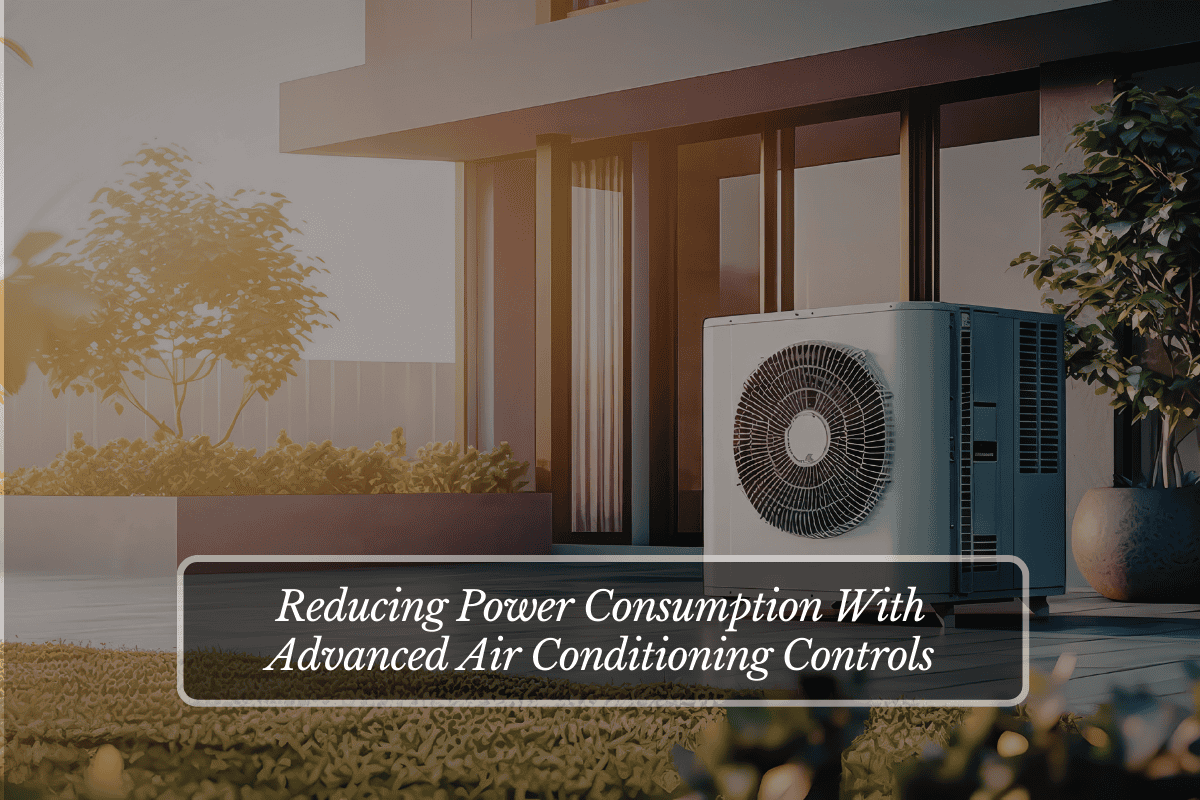
Higher-SEER systems reduce energy consumption by using advanced components such as variable-speed compressors, improved coil designs, and smarter controls. Over the lifespan of the system, these energy savings can offset the higher upfront cost of a more efficient unit.
SEER Ratings and Cooling Performance
SEER ratings are not just about saving energy—they also influence comfort. High-SEER systems tend to operate more smoothly and consistently. Many are designed to run at variable speeds rather than cycling on and off at full power.
This leads to more stable indoor temperatures, better humidity control, and quieter operation. Improved humidity management is especially important for comfort, as it helps prevent that sticky or clammy feeling even when temperatures are set lower.
Choosing the Right SEER Rating for Your Needs
While higher SEER ratings offer better efficiency, the highest rating is not always necessary for every situation. The ideal SEER level depends on factors such as climate, usage patterns, home insulation, and budget.
In regions with long, hot summers, investing in a higher-SEER system often makes financial sense due to increased cooling demand. In milder climates or for spaces with limited use, a moderately efficient system may provide a better balance between upfront cost and long-term savings.
SEER Ratings and Environmental Impact
Energy-efficient cooling systems with higher SEER ratings reduce electricity demand, which in turn lowers greenhouse gas emissions from power generation. By choosing efficient systems, homeowners contribute to environmental sustainability while also benefiting from reduced operating costs.
As energy efficiency standards continue to evolve, SEER ratings remain a key tool in promoting responsible energy use and reducing the overall carbon footprint of residential and commercial buildings.
Limitations of SEER Ratings
While SEER is a valuable metric, it does not tell the whole story. Actual efficiency depends on proper system sizing, installation quality, ductwork condition, and regular maintenance. A high-SEER system that is poorly installed or neglected may perform no better than a lower-rated system.
Therefore, SEER ratings should be considered alongside professional installation, correct sizing, and ongoing maintenance for optimal performance.
FAQs
What does a higher SEER rating mean?
A higher SEER rating means the air conditioner is more energy-efficient and uses less electricity to produce the same amount of cooling.
Is a higher SEER rating always better?
Higher SEER ratings offer better efficiency, but the best choice depends on climate, usage, and budget.
Do SEER ratings affect cooling quality?
Yes, higher-SEER systems often provide more consistent temperatures, quieter operation, and better humidity control.
Can an old AC with a low SEER rating still work well?
It may still cool, but it will consume more energy and cost more to operate compared to newer, higher-SEER systems.
Does installation affect SEER performance?
Yes, poor installation or maintenance can reduce real-world efficiency regardless of the system’s SEER rating.