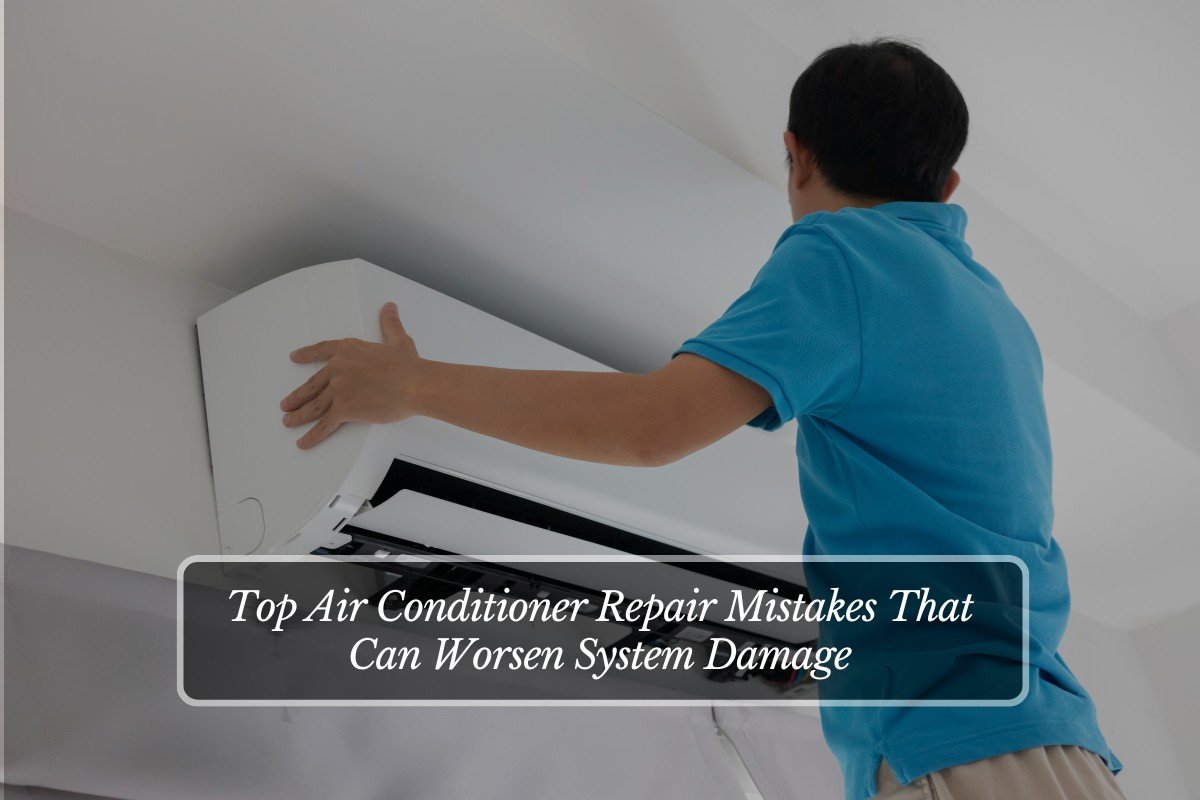
DIY air conditioner repairs in the USA often escalate minor issues into major failures, costing homeowners $1,000-5,000 in replacements when mishandling voids warranties or damages compressors per ENERGY STAR and HVAC industry reports.
Common errors like ignoring professional diagnosis or tampering with refrigerant lead to 30-50% efficiency drops and safety hazards, shortening 15-20 year lifespans prematurely. Calling licensed techs prevents 80% of worsened damage, ensuring compliance with EPA refrigerant rules.
Attempting DIY Without Proper Diagnosis
Skipping diagnostics misses root causes like leaks or faulty capacitors, leading to ineffective fixes that strain components—e.g., assuming low refrigerant without leak detection worsens corrosion. Pros use gauges, leak detectors, and voltage testers; amateurs overlook electrical faults, risking surges that fry boards costing $500+.
Visual checks alone fail 70% of cases.
Tampering with Refrigerant Levels
Adding refrigerant without fixing leaks (finite closed-loop system) overpressurizes lines, cracking coils or exploding compressors—illegal under EPA Section 608 without certification. Low charge signals leaks causing 25% efficiency loss; DIY “top-offs” void warranties and release ozone-depleting gases.
Only certified techs recover/recharge legally.
Mishandling Electrical Components
Working live wires without shutoff risks shocks, fires, or surges shorting motors—cut wires during “quick fixes” disrupt circuits, halting operation. Improper capacitor swaps or loose connections arc, pitting contacts and burning $300-800 parts. Always power off at breaker first.
Electrical errors cause 25% of catastrophic failures.
Installing Wrong or Improvised Parts
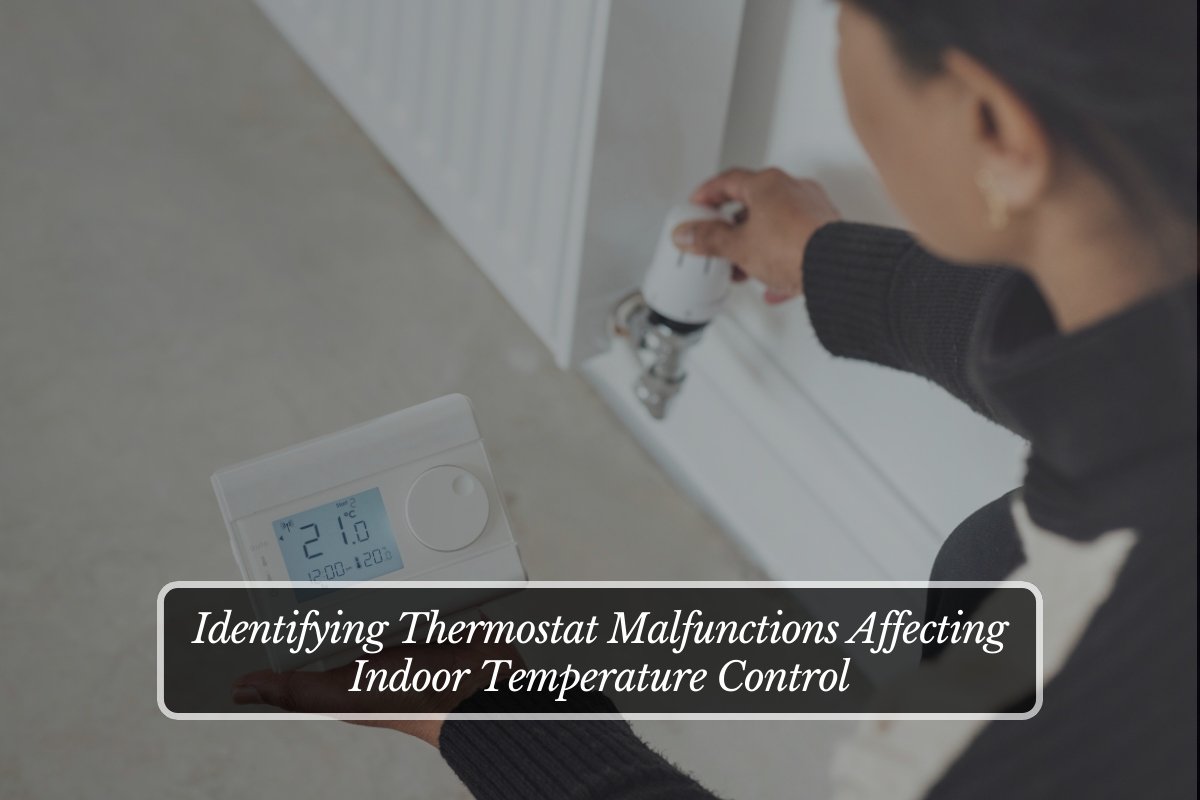
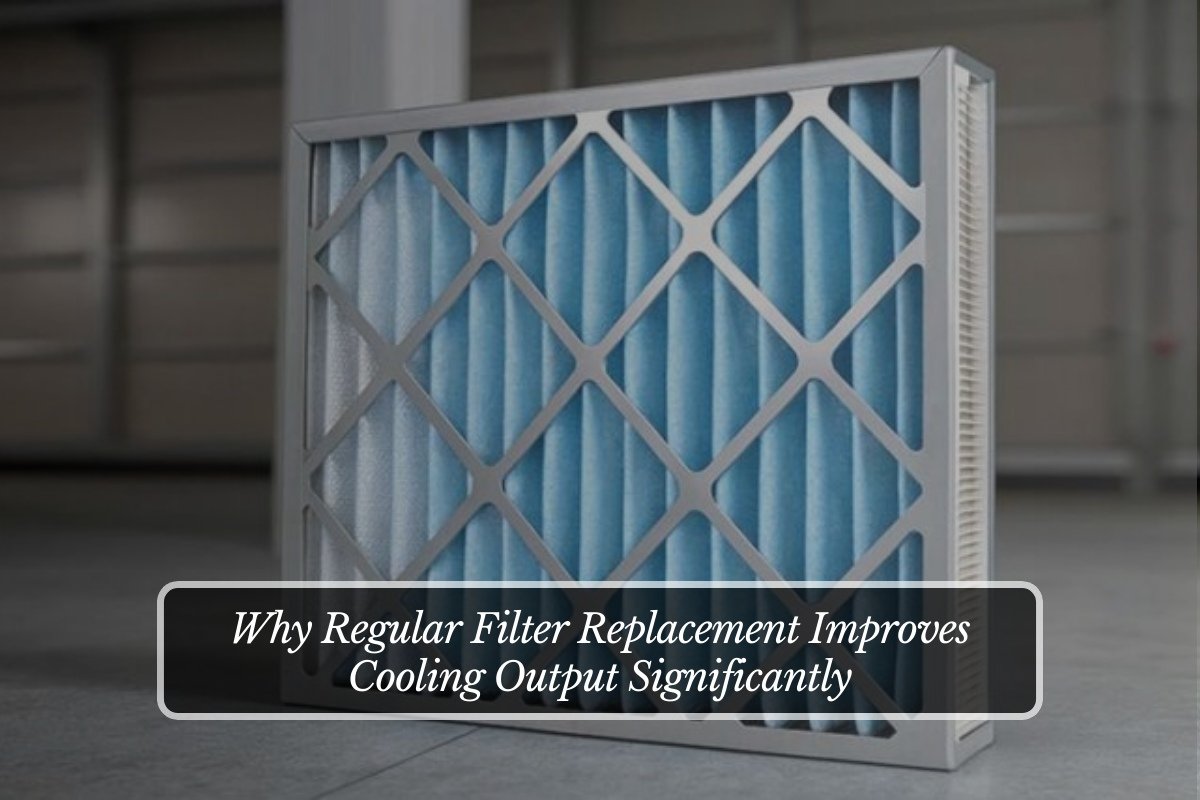
Mismatched filters, coils, or thermostats incompatible with models reduce performance 20-40%, accelerating wear—e.g., thick filters spike pressure, bending fins. Improvising components like hoses fails seals, leaking oil and seizing pumps. Use OEM parts per manufacturer specs.
Incompatibility voids coverage instantly.
Ignoring or Covering Outdoor Units Improperly
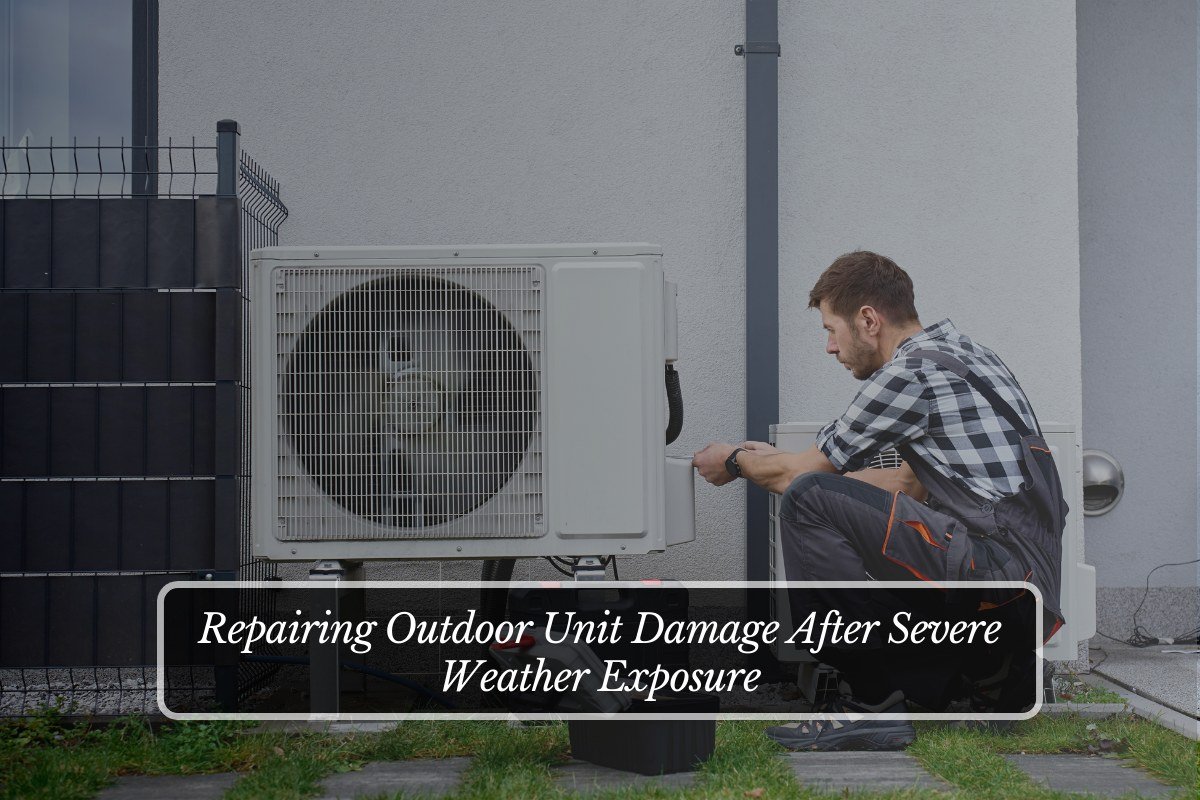
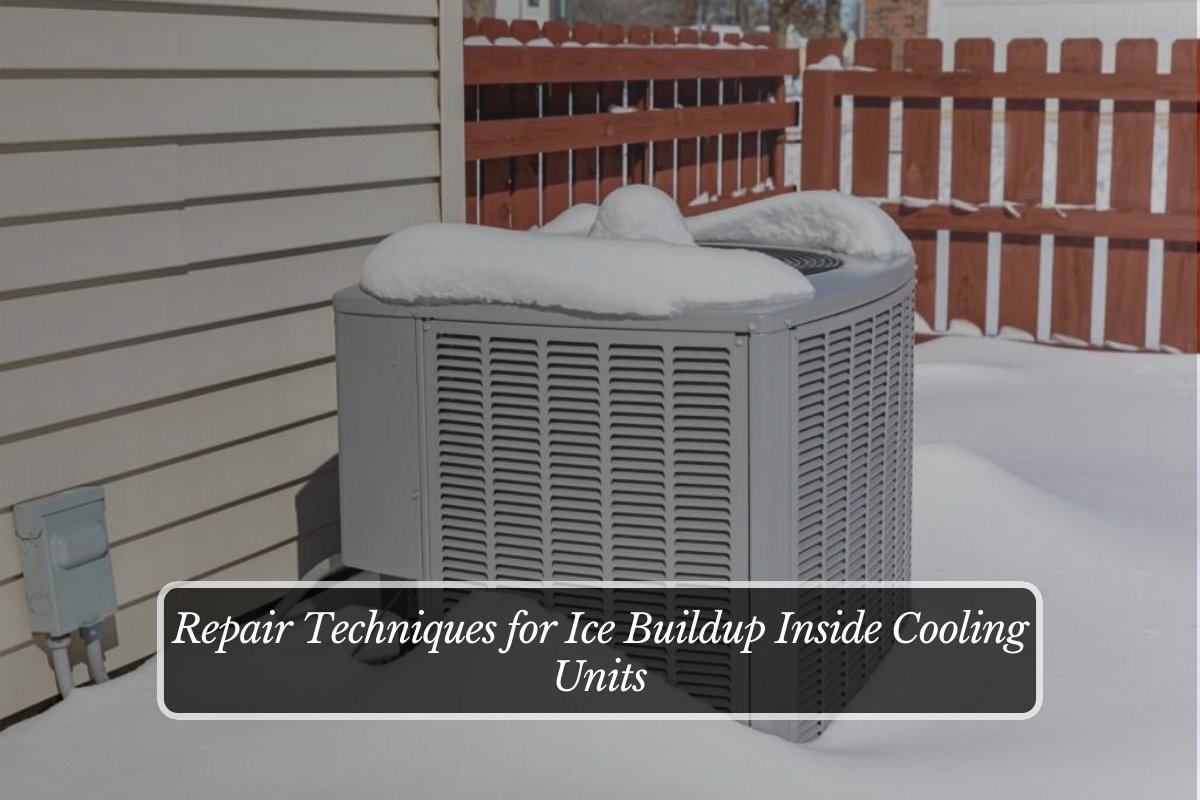
Covering running condensers traps heat/moisture, sucking debris into fans and overworking 30%; off-season covers must breathe. Neglecting debris clearance blocks airflow, overheating and warping housings. Hose gently annually, maintain 2-foot clearance.
This traps moisture, fostering rust/corrosion.
Bypassing Safety Switches or Controls
Jumping pressure/temperature sensors to “force” operation overloads iced coils or low-charge compressors, causing $2,000+ failures. Disabling float switches ignores clogs, flooding pans with moldy water. Safety features prevent disasters—never override.
Bypasses risk explosions or floods.
Neglecting Post-Repair Testing and Maintenance
Skipping runtime tests post-fix misses vibrations loosening parts or incomplete seals leaking anew. Without annual tune-ups, minor repairs degrade 2x faster from unchecked issues like dirty coils. Log symptoms, schedule follow-ups.
Unverified work compounds damage quickly.
FAQs
Q. Why avoid DIY refrigerant handling?
Overcharges crack coils; leaks worsen without detection—EPA illegal uncertified, voids warranties per Section 608.
Q. How do electrical mistakes escalate damage?
Live wires cause surges/fires; cut connections halt systems, pitting $300-800 parts—power off breaker always.
Q. What harm from wrong parts installation?
Mismatched reduce efficiency 20-40%, void coverage; thick filters bend fins, improvised fail seals.
Q. Why never cover running outdoor units?
Traps heat/debris, overworks 30%; off-season needs breathable covers to prevent rust.
Q. Dangers of bypassing safety switches?
Overrides ice/low-charge protections, risking $2,000 compressor explosions/floods—never jumper.