Timely repairs restore cooling efficiency to air conditioners quickly, preventing minor glitches from escalating into sweltering outages or thousand-dollar overhauls in U.S. homes. Professional intervention—often within hours during heat waves—targets root causes like refrigerant leaks or dirty coils, slashing energy waste by 20-40% and resuming comfort fast.
Common AC Breakdowns and Quick Fixes
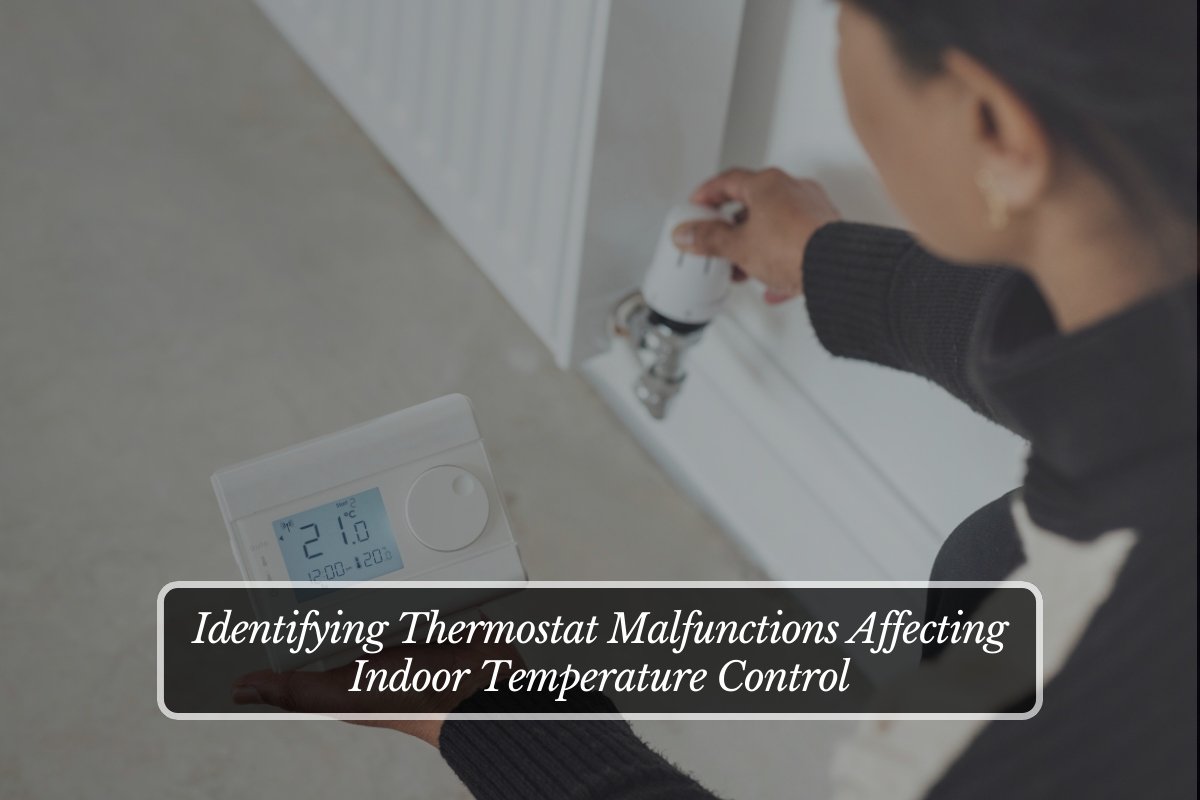
- Thermostat Malfunctions: Faulty sensors or dead batteries cause erratic cycling, spiking bills 15%. Techs recalibrate or replace in 30 minutes, restoring precise control.
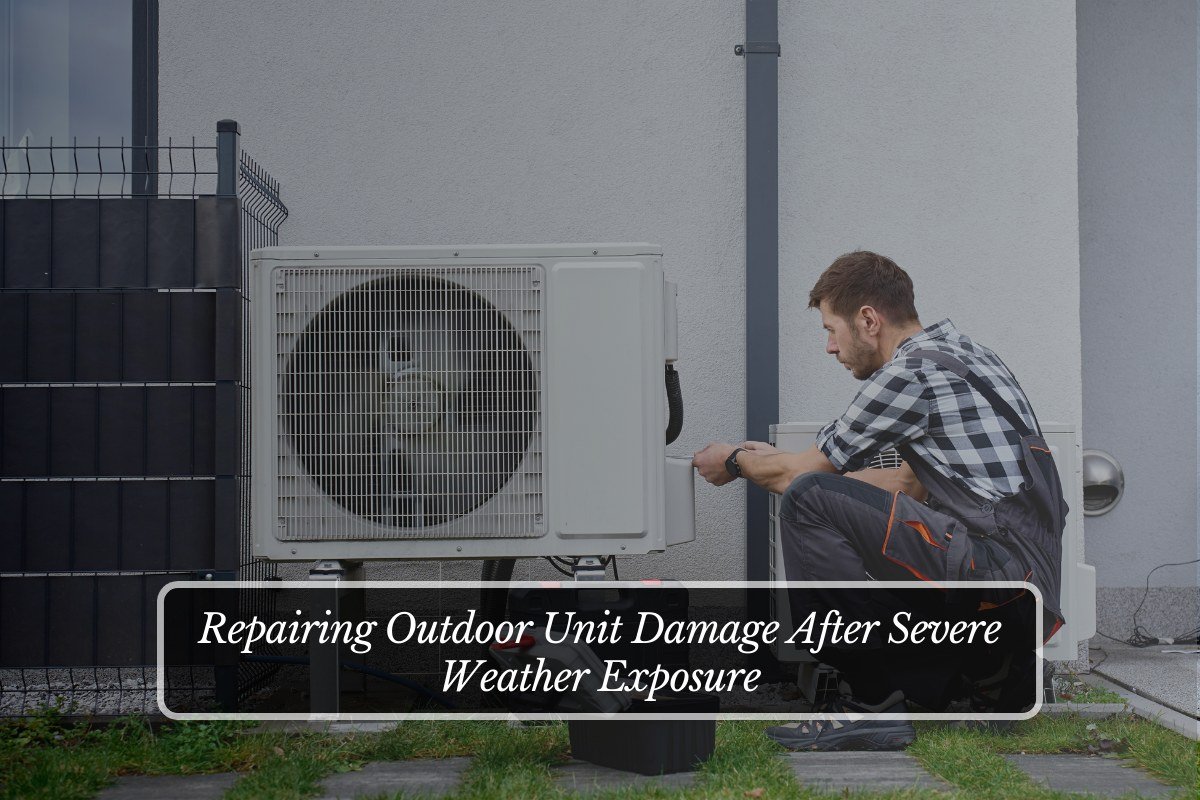
- Refrigerant Leaks: Low charge forces compressors into overdrive, reducing output 50%. Pros use leak detectors, patch coils, and recharge to spec—1-2 hours total, reviving 90% efficiency.
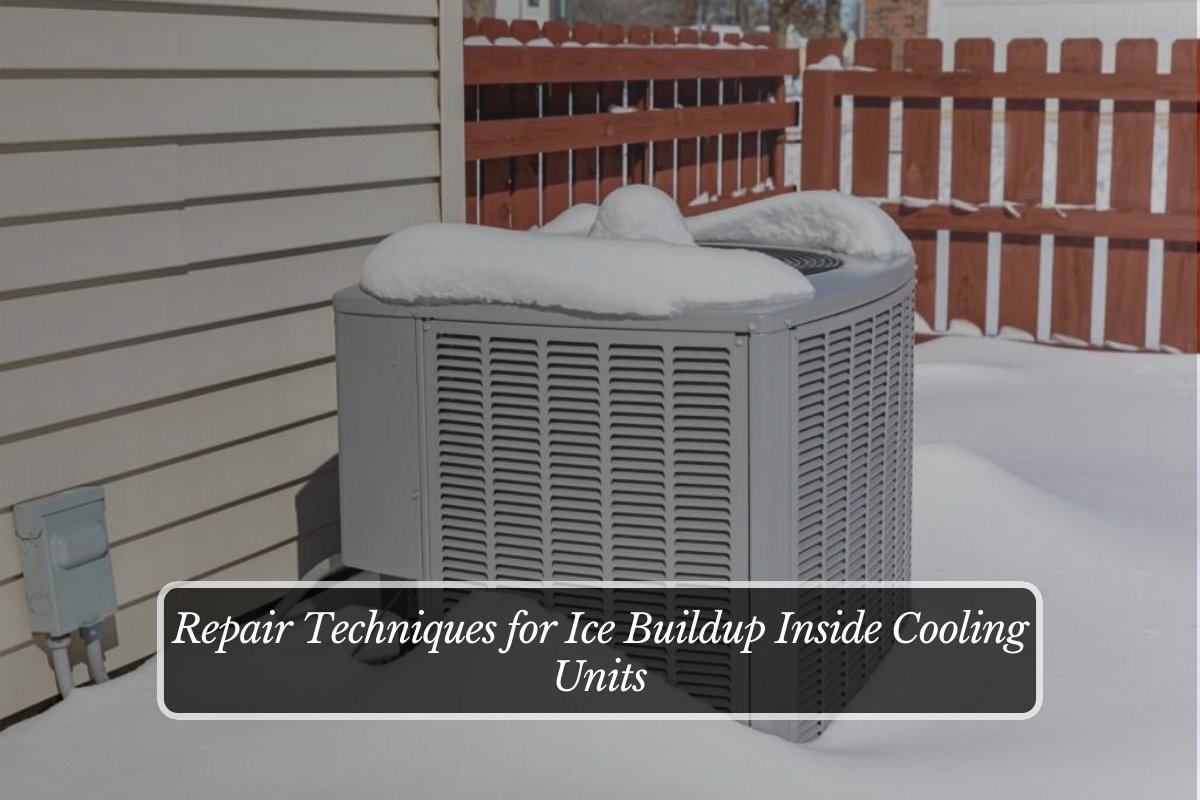
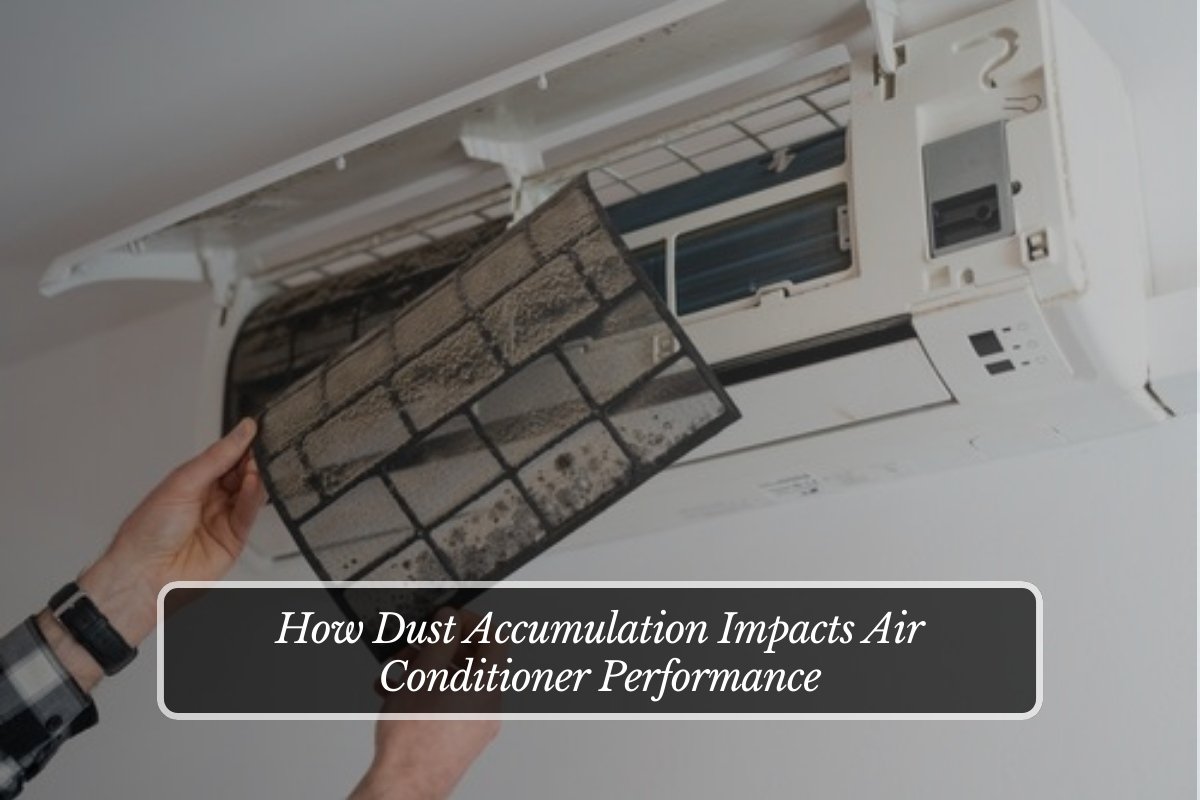
- Frozen Coils: Dirt restricts airflow, icing evaporators and halting cooling. Emergency thaw plus deep clean takes 45 minutes, preventing $1,500 compressor damage.
- Electrical Failures: Tripped breakers or bad capacitors cut power. Inspection and swap (under $300) reboot systems in under an hour, avoiding fires.
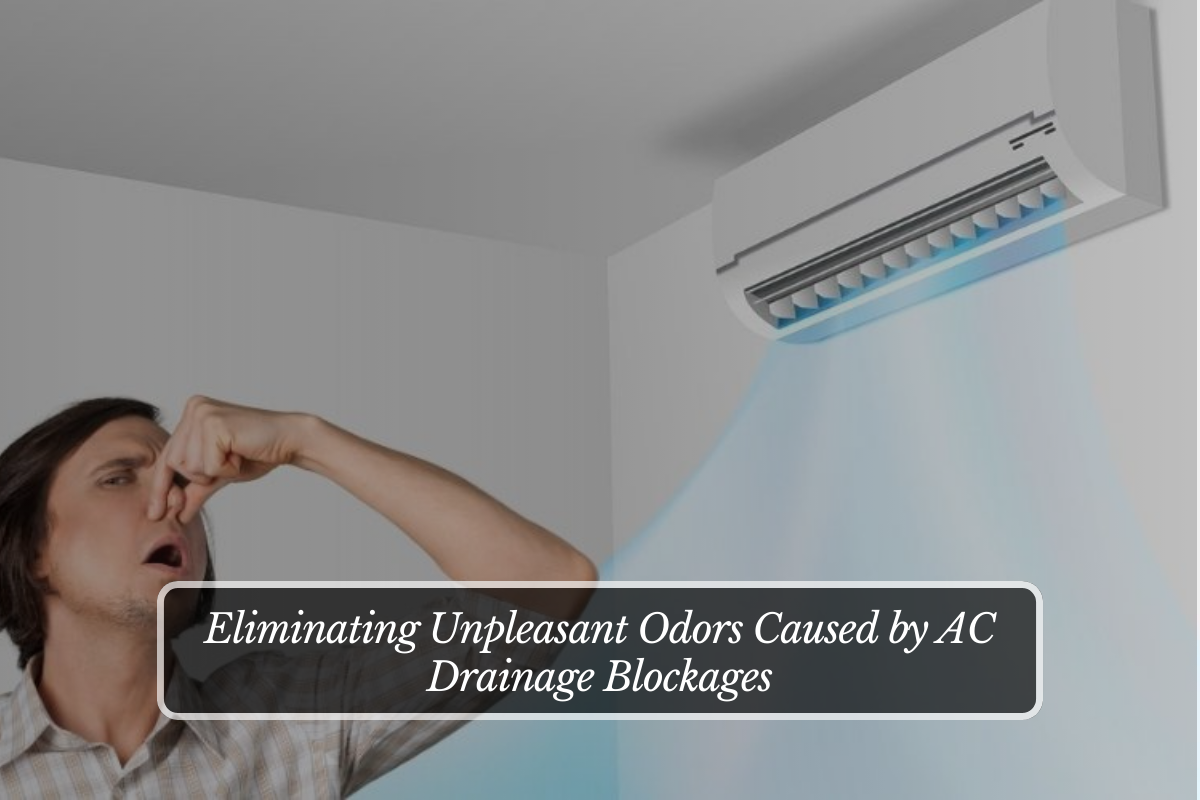
- Drain Clogs: Backed water floods indoors; snaking lines (20 minutes) averts mold.
These fixes prioritize speed: Techs carry parts vans stocked for 80% of calls.
Why Speed Saves Efficiency and Money
Delayed repairs compound issues—e.g., low refrigerant erodes compressors in days. Same-day service (median 2-4 hours in metros) limits runtime strain, cutting energy loss 25%. Restored SEER ratings (16-25) yield $150-300 annual savings; neglected units guzzle 30% more power.
In peak summer, waitlists hit days, but 24/7 pros bypass via priority dispatching. Post-repair tests verify airflow (400+ CFM/ton), temps (15-20°F delta), and amp draws, ensuring 95%+ original performance.
The Emergency Repair Process
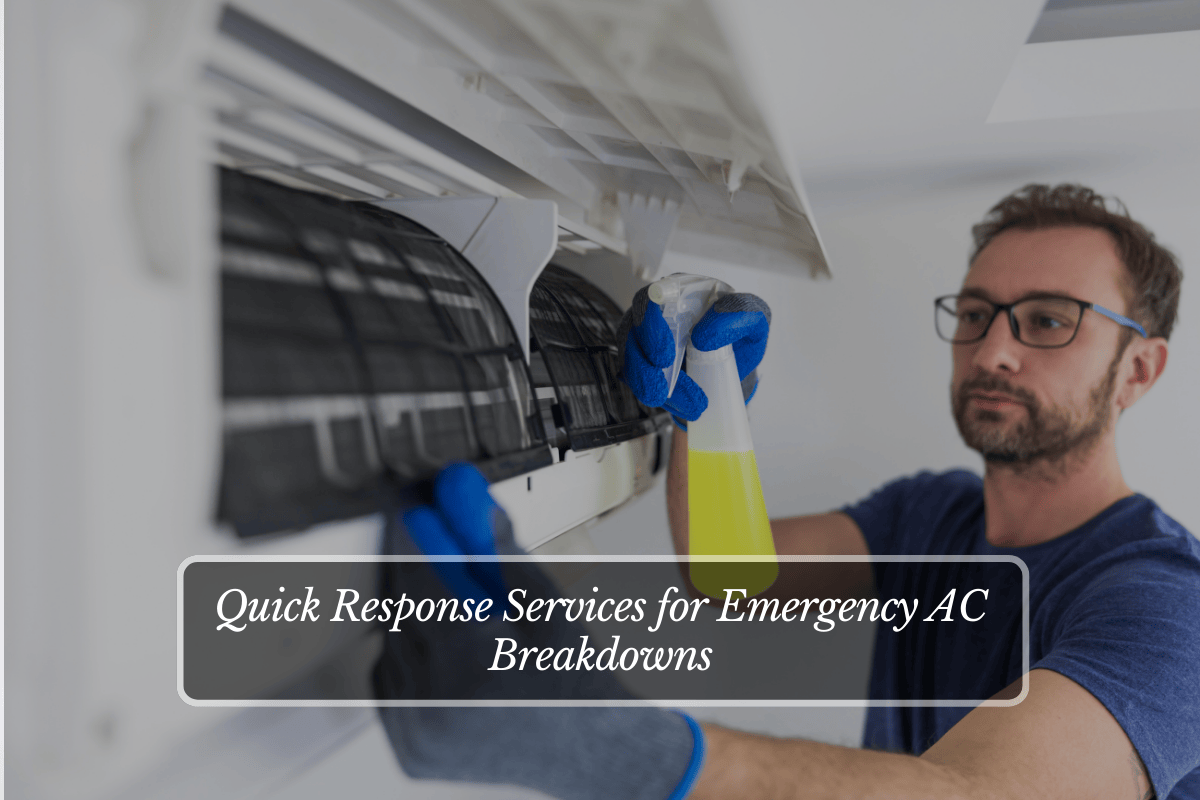
- Rapid Response: Call triggers GPS dispatch; arrive in 1-3 hours with diagnostics.
- Diagnosis: Gauges test pressures, multimeters check volts/amps, borescopes scan coils—10-20 minutes.
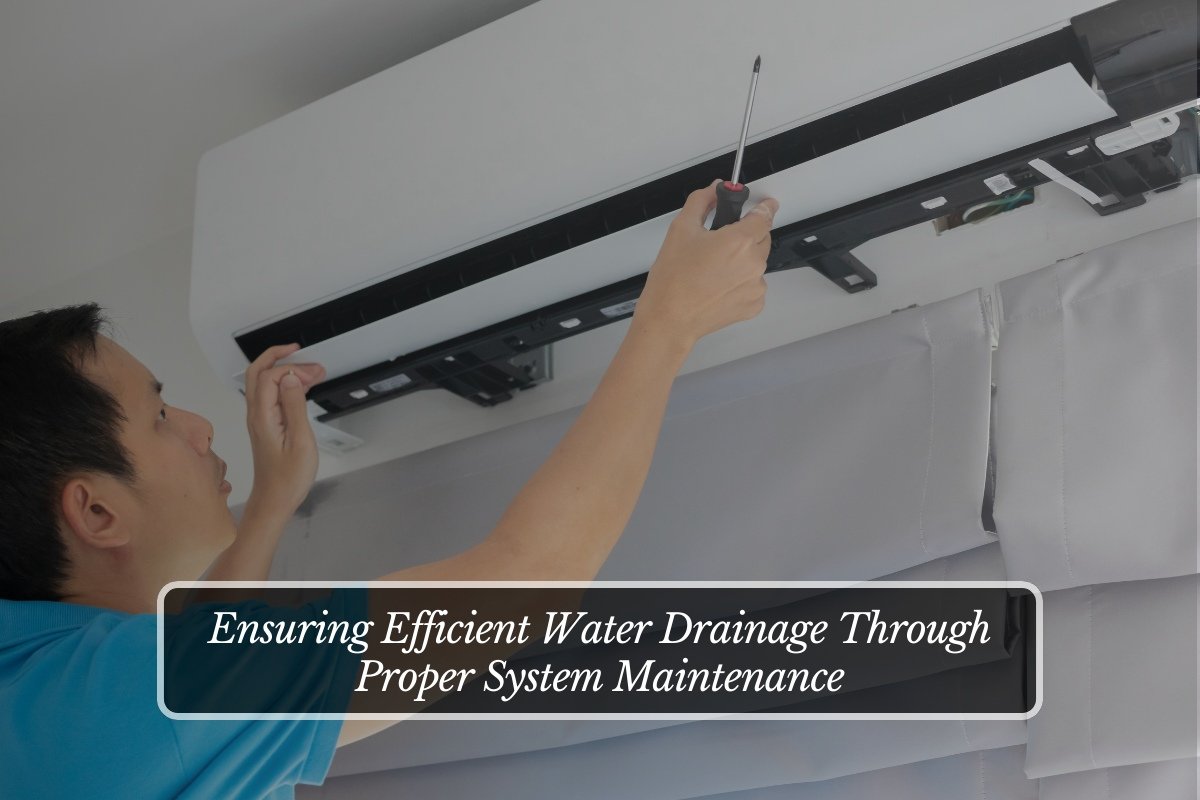
- Targeted Repair: Fix on-site (e.g., braze leak, flush system); 70% resolved same visit.
- System Restore: Evacuate/recharge, clean components, test cycle.
- Efficiency Tune: Adjust TXV, seal leaks, report metrics with warranty (1-5 years).
Techs flag preventive needs, like annual service, averting 80% repeats.
Homeowner Prep for Faster Fixes
Pre-arrival: Power off unit, note symptoms (no cold air? Noises?), clear access (2ft around outdoor unit). Fans/blinds manage interim heat; hydrated stays safe above 90°F indoors. Post-fix: Change filters monthly, log runtime for anomalies.
Tech Tools for Swift Efficiency Recovery
Infrared thermography spots hot coils instantly; refrigerant recovery machines speed recharges; app-linked manifolds log data for remote verification. AI diagnostics (emerging 2026) predict cascades, enabling proactive swaps.
Regional U.S. Considerations
Southern states (TX, FL) prioritize dehumidification repairs for muggy air; northern (IL, NY) focus frozen coils from uneven loads. Coastal salt corrosion needs sealed cabinets; wildfire ash clogs filters fast in CA.
Long-Term Prevention Post-Repair
Follow-up audits seal ducts (20% gain), add zoning for even cooling. Smart thermostats preempt issues via usage alerts. IRA rebates fund upgrades post-fix, like efficient compressors.
Real impacts: Atlanta family cooled from 88°F to 74°F in 2 hours, saving $200/season; Phoenix condo avoided $3K replacement via leak patch.
Myths Busted
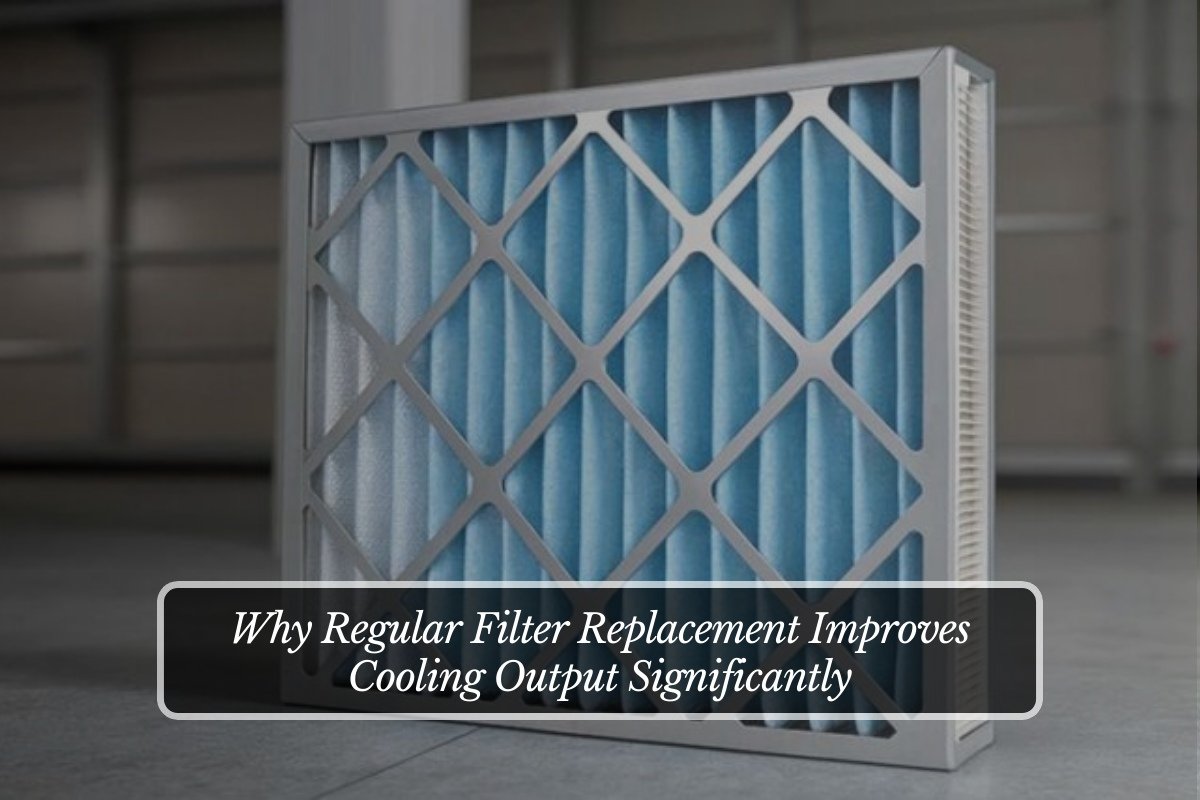
“Wait till morning”—heat stress worsens damage overnight. “DIY refrigerant”—illegal, voids warranty. “All repairs equal cost”—timely ones save 50% vs. cascades.
Future of Rapid Repairs
Drones inspect hard-to-reach condensers; AR glasses guide remote fixes. Subscriptions guarantee 60-minute arrivals.
FAQs
1. How fast is emergency AC response?
1-4 hours in most U.S. metros; 24/7 pros stock parts for 70% same-day fixes.
2. Top signs needing urgent repair?
Warm air, ice on coils, leaks, odd noises, or breakers tripping.
3. Does quick repair restore full efficiency?
Yes—post-fix tests hit 90-100% original SEER, cutting bills 20-40%.
4. Cost range for common fixes?
$150-500 diagnostics/parts; refrigerant $300-800; saves $1K+ vs. full failure.
5. Prevent repeats after repair?
Monthly filters, annual service, clear debris—avoids 80% breakdowns.