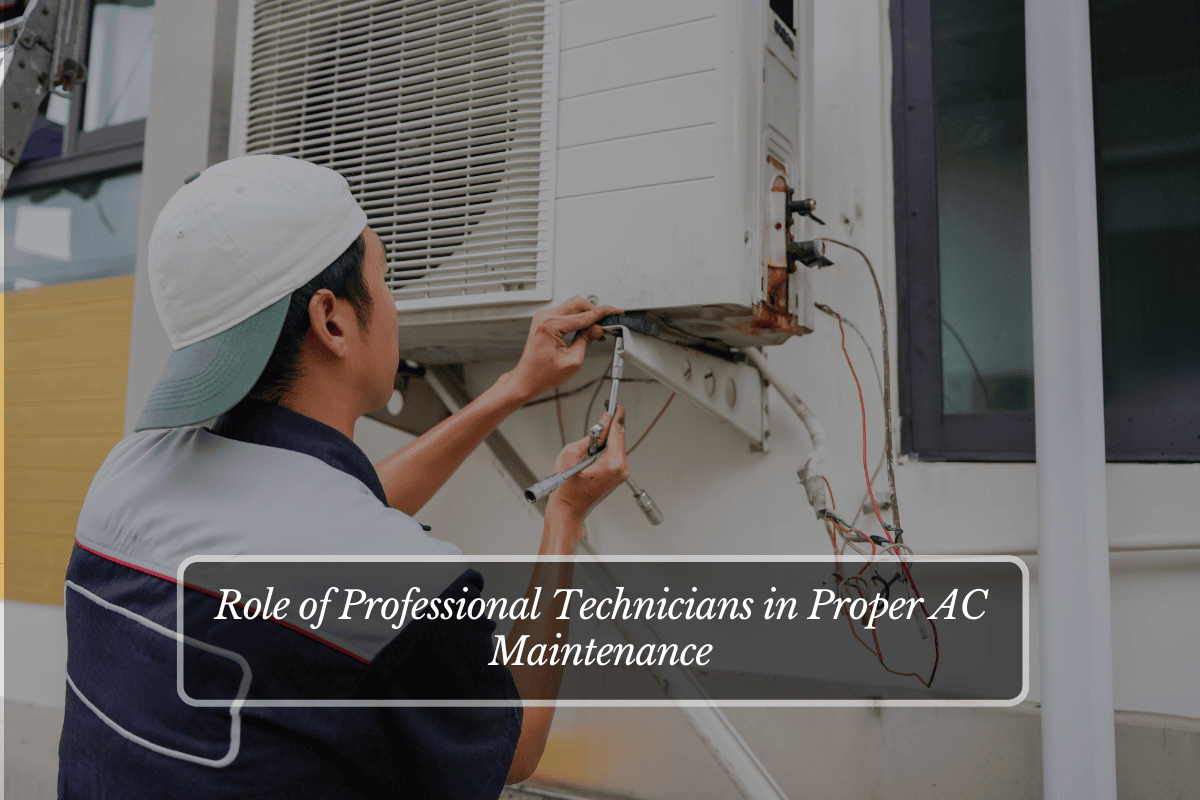
Professional technicians play a pivotal role in proper AC maintenance, ensuring systems operate at peak efficiency, preventing costly breakdowns, and extending equipment lifespan by 5-10 years through expert diagnostics and repairs.
In the U.S., where HVAC failures cost businesses $10B+ annually in downtime and energy waste, certified pros handle complex tasks like refrigerant management and electrical troubleshooting that DIY efforts often mishandle.
Why Technicians Outperform DIY
Homeowners risk voiding warranties, EPA violations, or safety hazards without NATE/EPA 608 certifications—refrigerant leaks alone trigger $5K fines.
Technicians use specialized tools (manometers, combustion analyzers) for precision, catching issues like dirty coils reducing efficiency 30% or capacitor failures causing 50% of summer breakdowns. Regular pro service cuts energy bills 15-20% via optimized airflow and charge.
Core Responsibilities in AC Maintenance
1. Comprehensive System Inspections
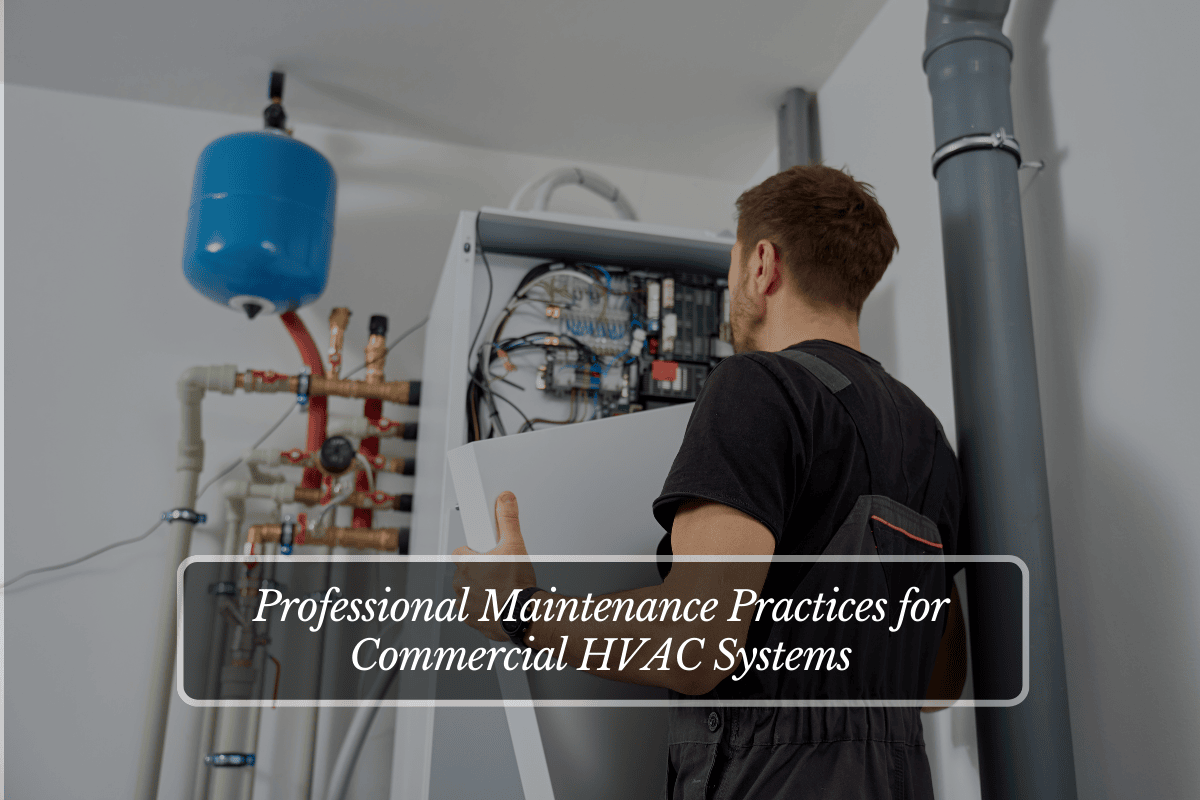
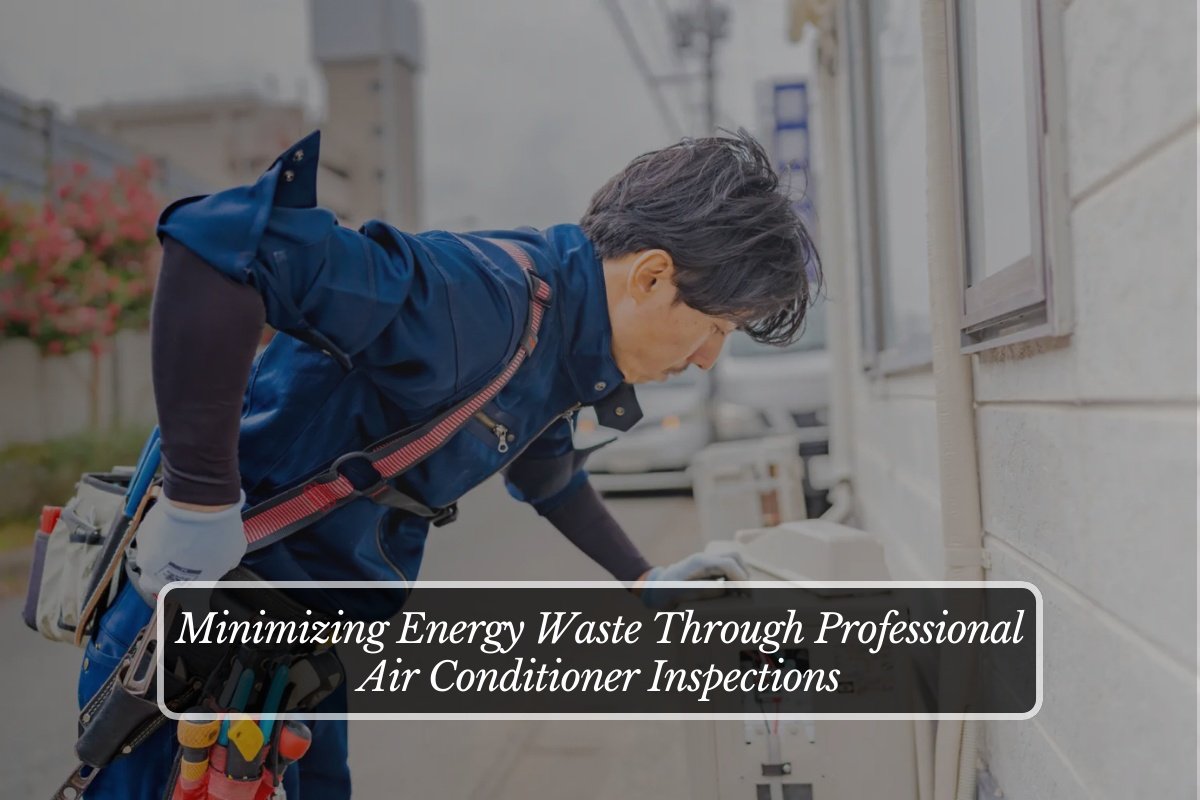
Technicians perform 33-point checks: refrigerant levels, compressor amps, blower motor balance, duct leaks via smoke tests. They measure static pressure (0.5″ ideal), superheat/subcooling for charge accuracy, and airflow (400 CFM/ton). Early detection prevents 80% of emergencies.
2. Cleaning and Component Care
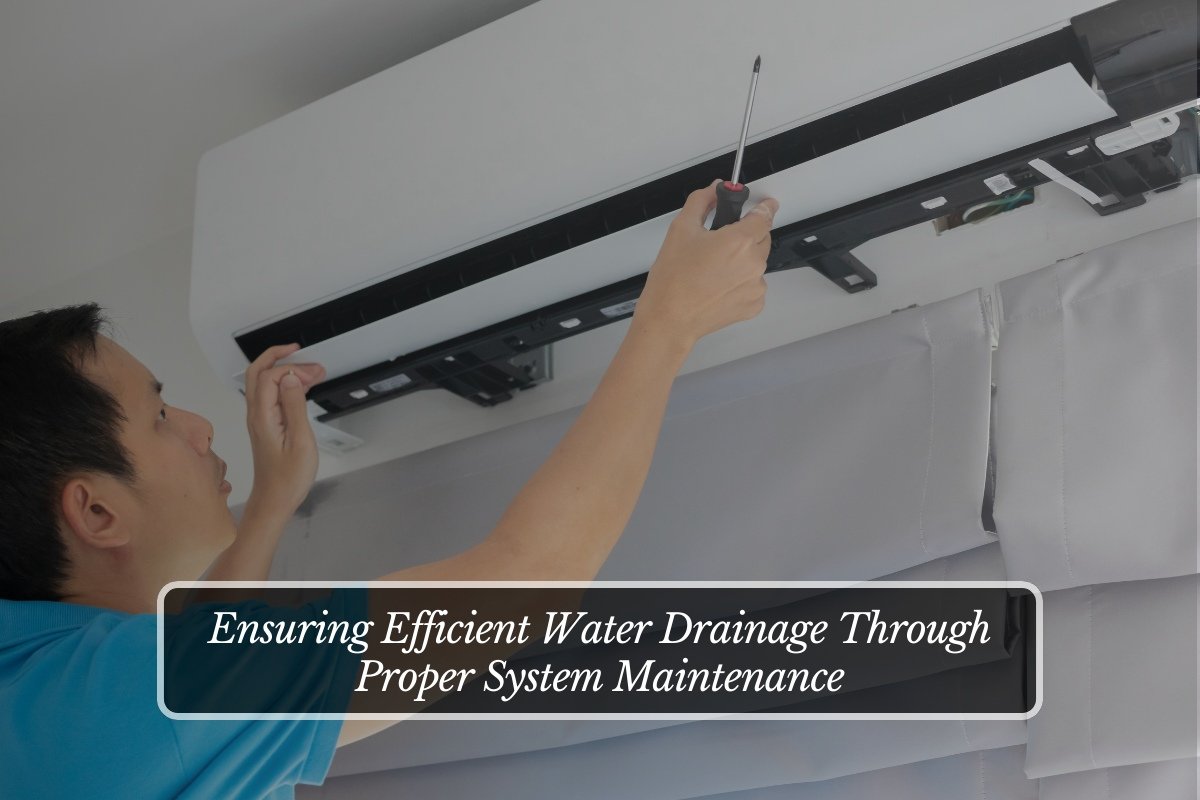
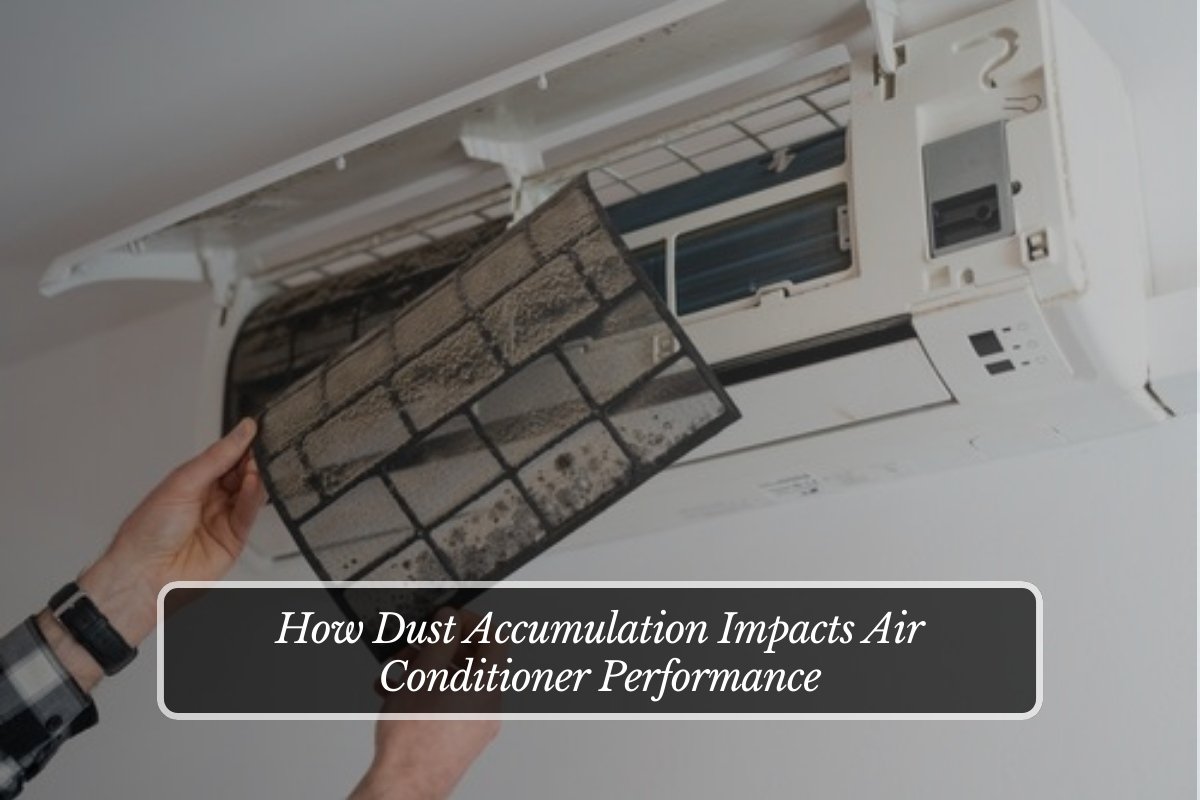
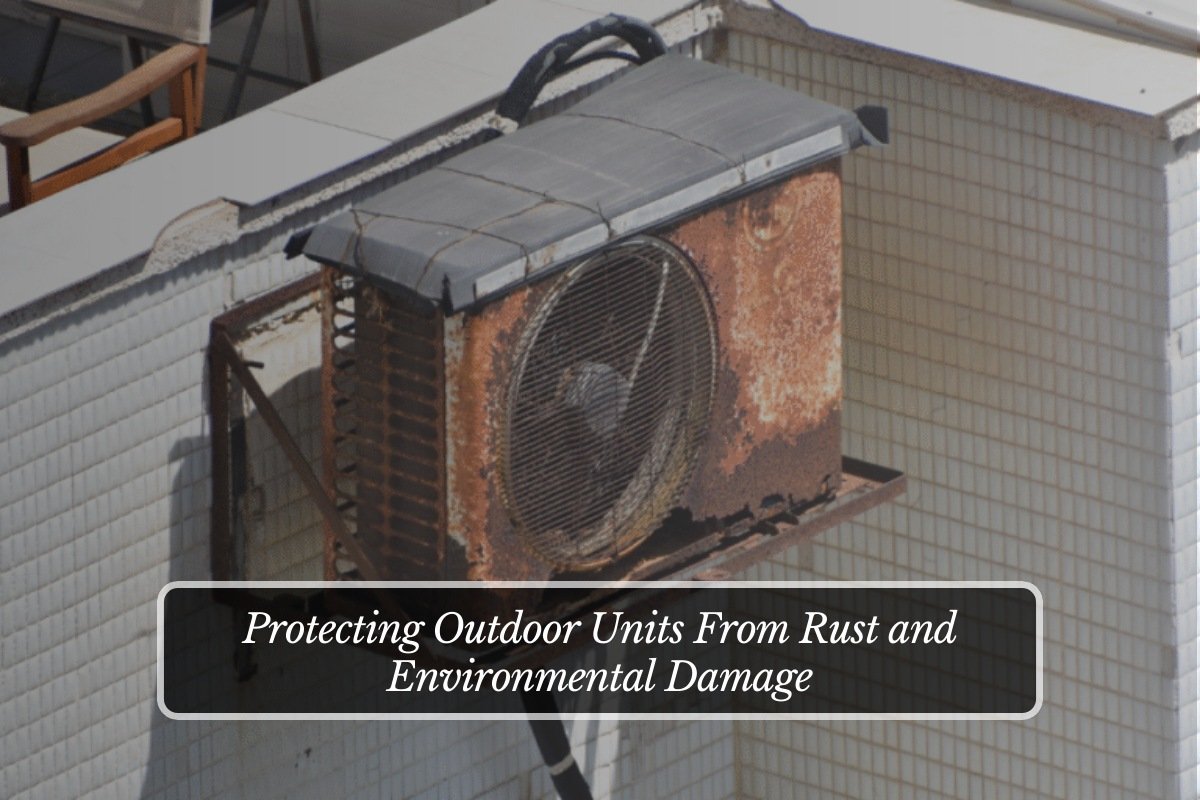
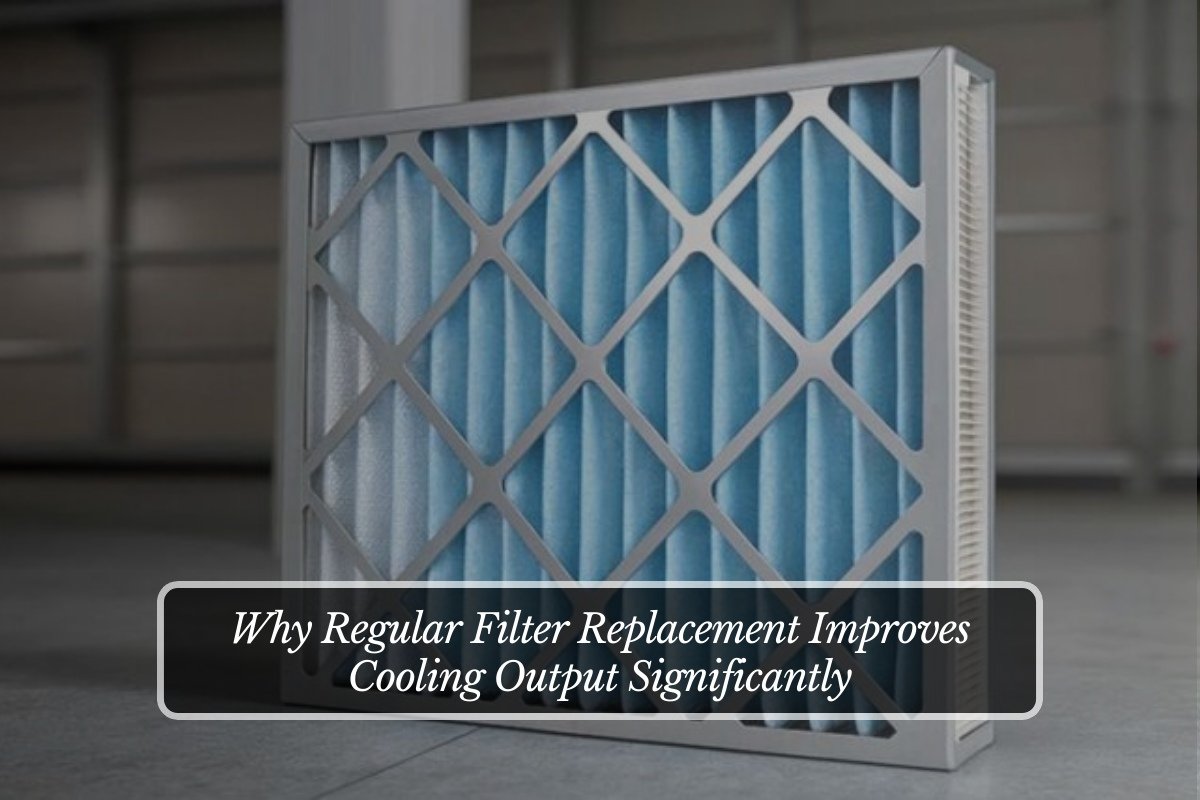
Coils cleaned chemically (no harsh acids), evaporator drains cleared to avoid water damage, filters upgraded to MERV 13. Lubrication of fan motors/bearings extends life 3x; belt tension adjusted to spec. Evacuation pulls 500+ microns vacuum before recharge.
3. Electrical and Control Diagnostics
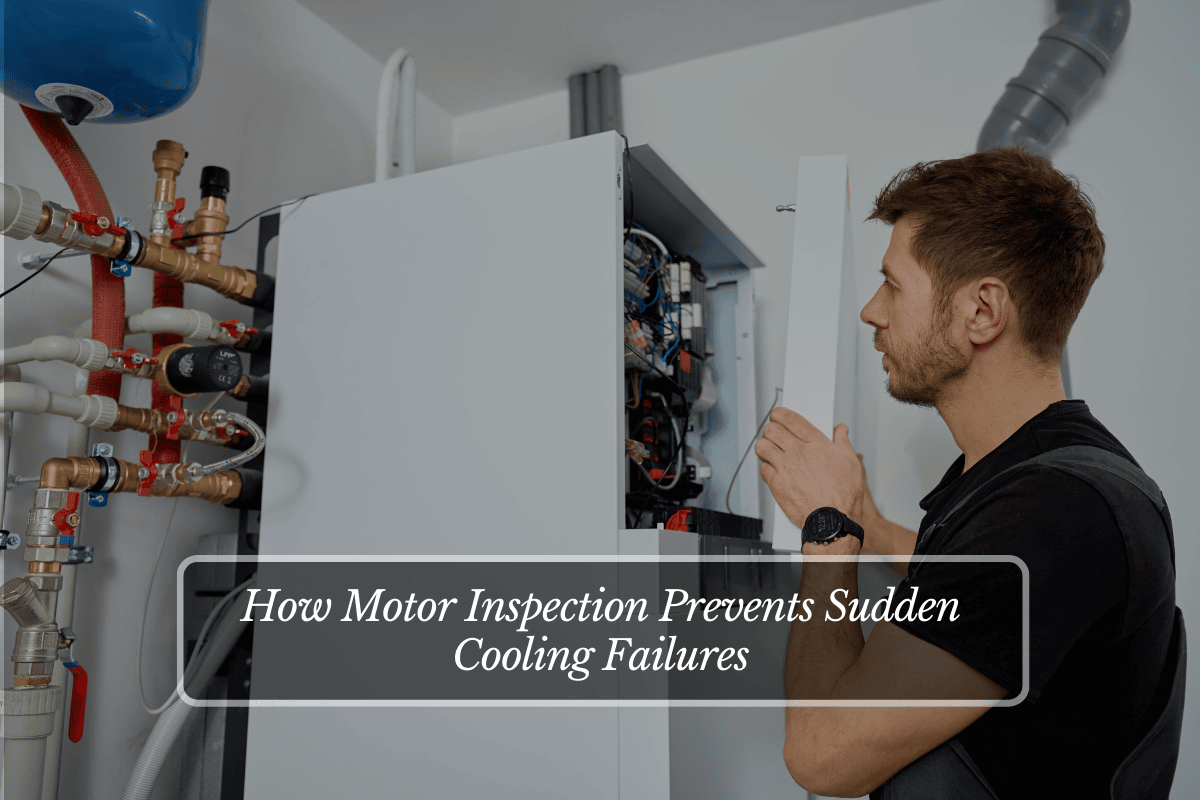
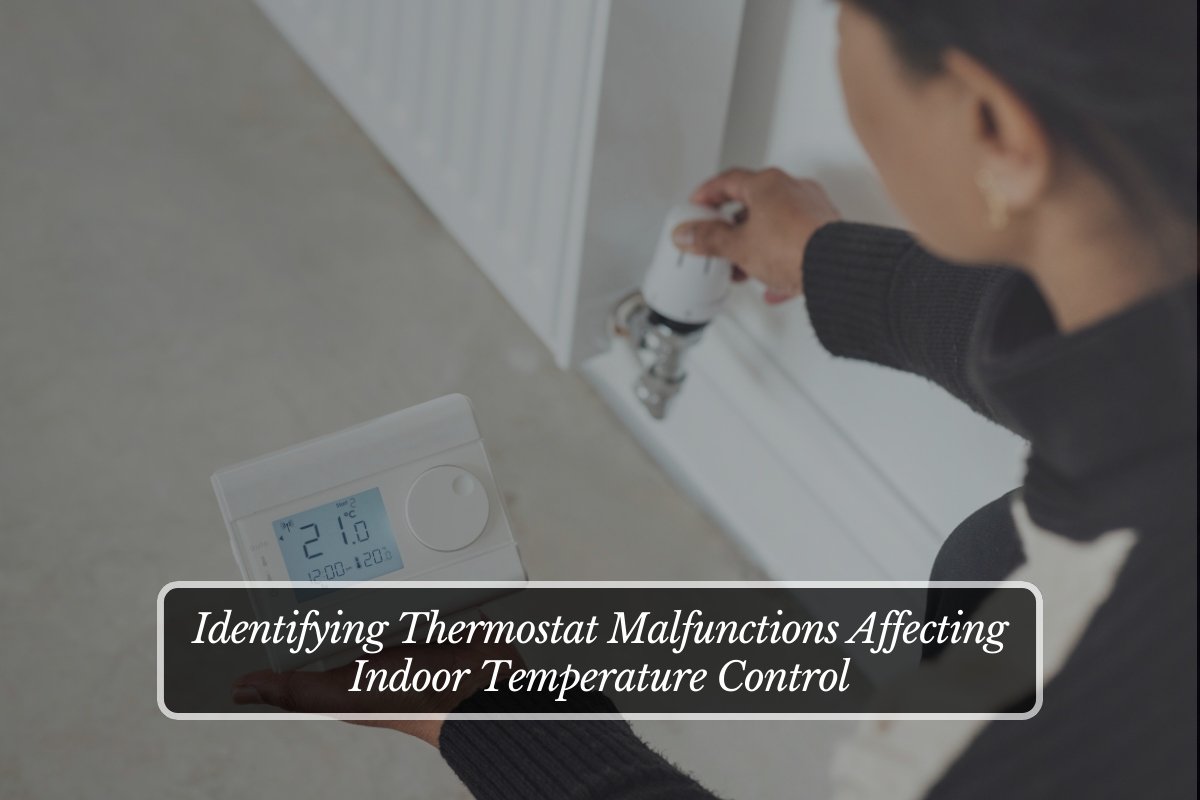
Load testing capacitors (within 10% rating), relay checks, thermostat calibration. Smart controls programmed for efficiency—WiFi models enable remote tweaks. Wiring inspected per NEC codes, preventing arc faults.
4. Refrigerant Handling and Recovery
EPA-certified recovery to 15″ vacuum; leak detection with electronic sniffers. R-410A charged by weight (15-20 lbs typical), not guesswork. Phasing out R-22 compliance documented.
Seasonal Maintenance Schedule
| Task | Spring (Pre-Cool) | Fall (Pre-Heat) | Frequency |
|---|---|---|---|
| Full Inspection | X (Priority) | X | Biannual |
| Filter/Coil Clean | X | X | Quarterly |
| Refrigerant Check | X | Annual | |
| Electrical Tests | X | X | Biannual |
| Duct Sealing | As Needed | As Needed | 3-5 Years |
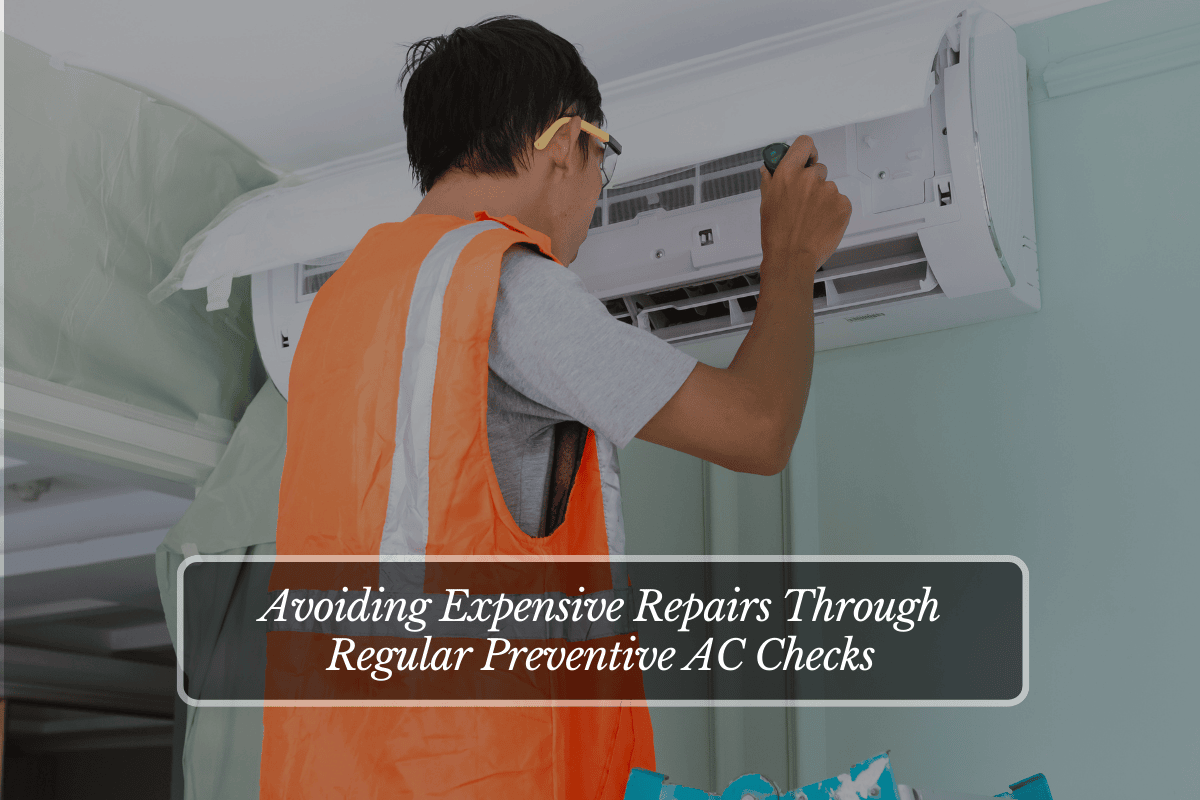
Plans cost $150-300/visit; $200/year beats $2K repairs.
Advanced Technician Interventions
- Performance Optimization: DMM for voltage drops, capacitance meters, airflow hoods quantify CFM.
- IAQ Upgrades: UV lights kill mold (99.9%), HEPA for allergens.
- Energy Audits: Manual J calculations size systems correctly; VFDs on fans save 40%.
- Smart Diagnostics: Flir thermography spots hot joints; apps predict failures.
Post-service reports detail findings, savings projections.
Benefits of Professional Service
Reliability jumps 99%; systems run 20% cooler, quieter. Warranty preservation (5-10 years), insurance discounts (5-10%). Techs spot carbon monoxide risks, mold from clogs. Ties to productivity: Optimal AC boosts output 12-14%.
Choosing the Right Technician
Verify NATE certification, EPA 608, manufacturer training (Trane/Carrier). Ask for 5+ years experience, fully stocked vans (cut callbacks 70%). Reviews >4.8 stars, 24/7 emergency response. Membership plans lock discounts.
DIY limits: Filter swaps, coil sprays—but skip refrigerant/electrical. Pros average 7 years diagnosing vs. homeowner guesswork.
Technicians aren’t expense—they’re insurance for comfort, efficiency, safety.
FAQs
1. Biannual service enough?
Yes for residential; quarterly filters in dusty/high-use areas.
2. Refrigerant handling?
EPA 608 required; recovery/evacuation mandatory.
3. Signs need service?
Weak airflow, high bills (+20%), ice on coils.
4. Cost vs. benefit?
$200/year saves $2K repairs, 15% energy.
5. DIY safe tasks?
Filters, vents only; never refrigerant/electrical.