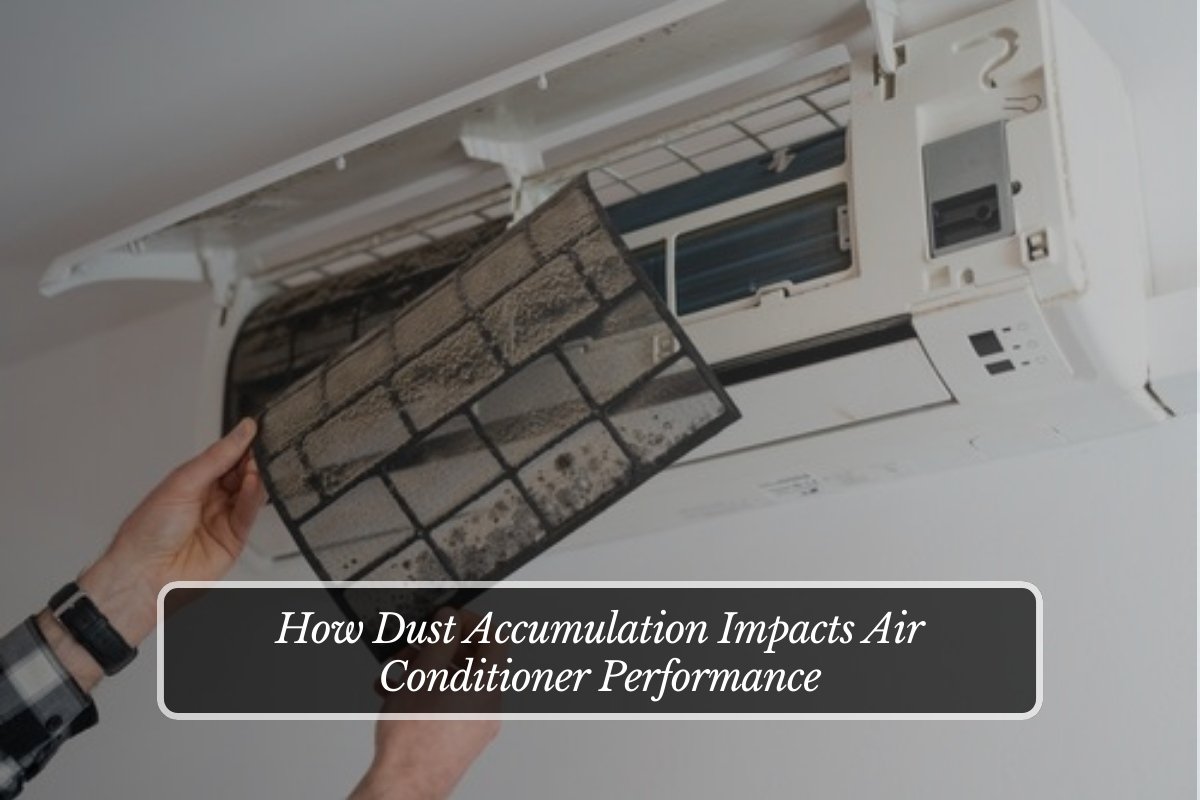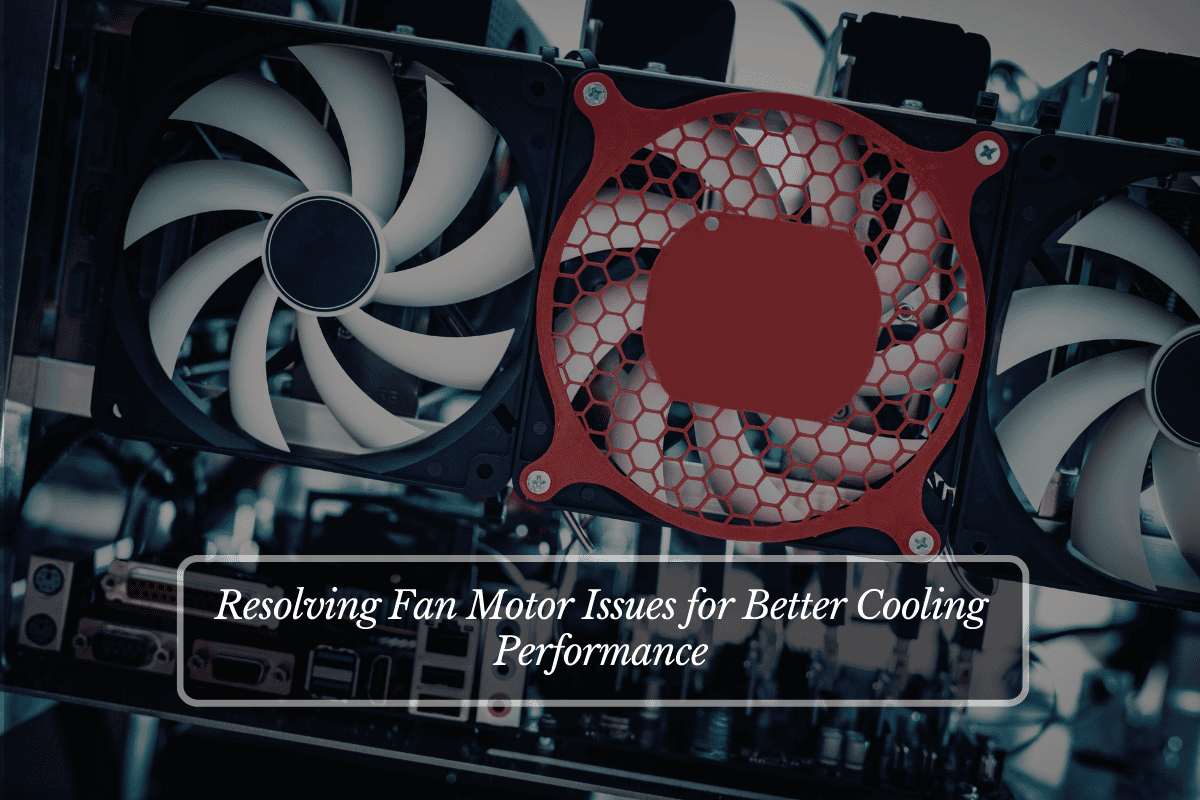
Resolving fan motor issues restores optimal cooling performance in air conditioners, preventing overheating and inefficiency during U.S. summers. Common culprits like faulty capacitors or dirty blades cause poor airflow, raising energy bills by 15-20%; systematic troubleshooting identifies fixes quickly.
Initial Safety and Visual Checks
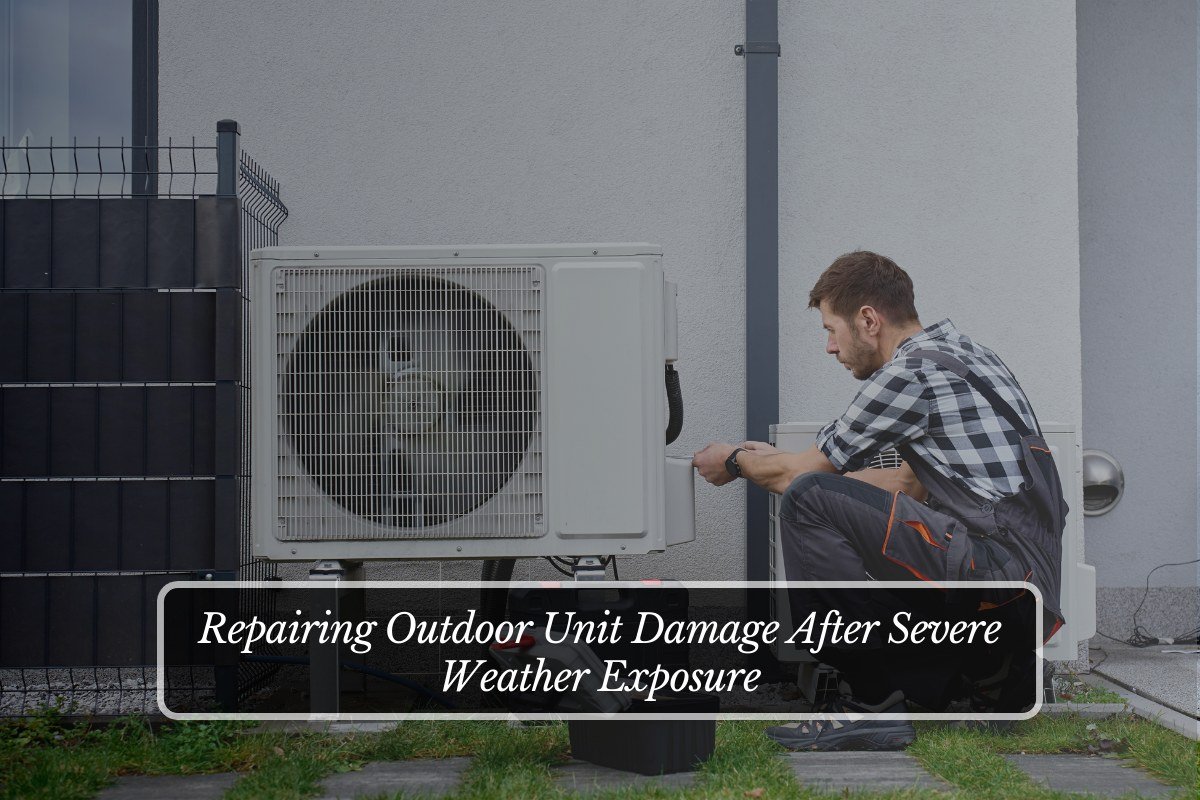
Turn off power at the breaker and disconnect switch before inspecting—high voltage risks shock. Remove the outdoor condenser access panel to view the fan motor. Look for spinning obstructions like debris or bent blades; gently rotate the blade by hand—if stiff, bearings may be seized.
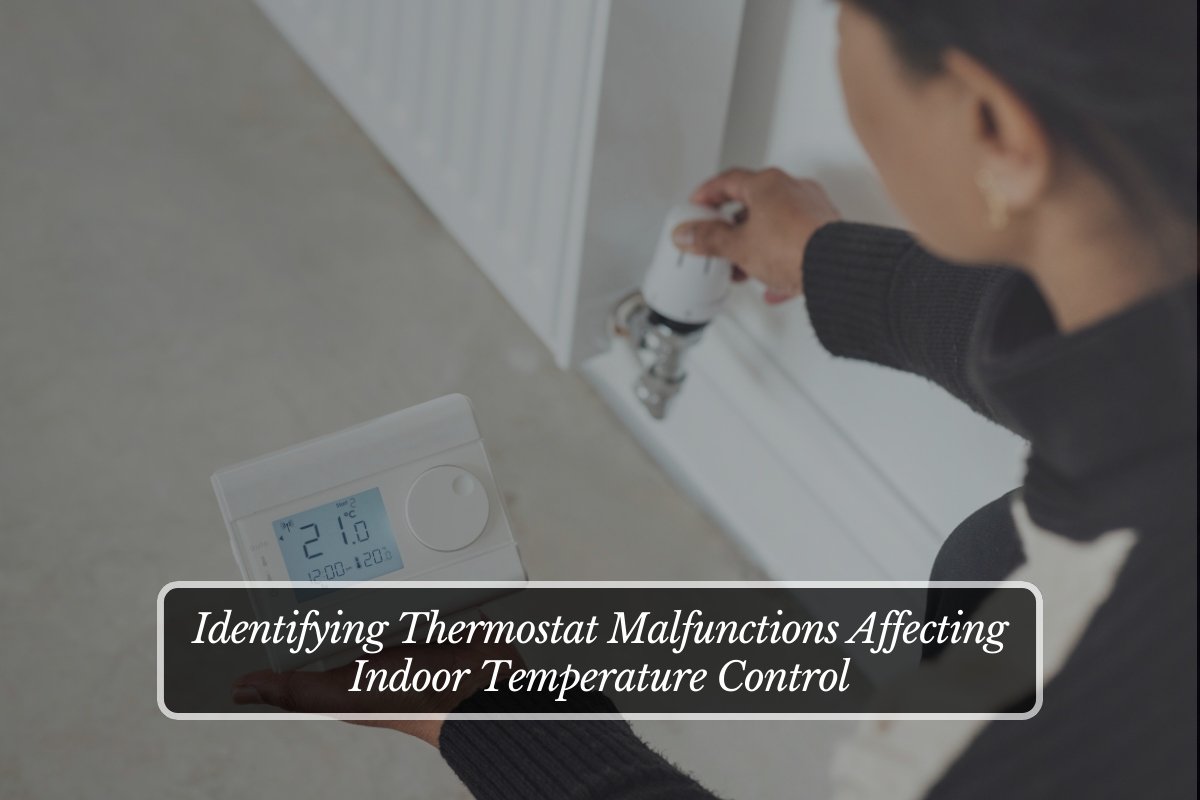
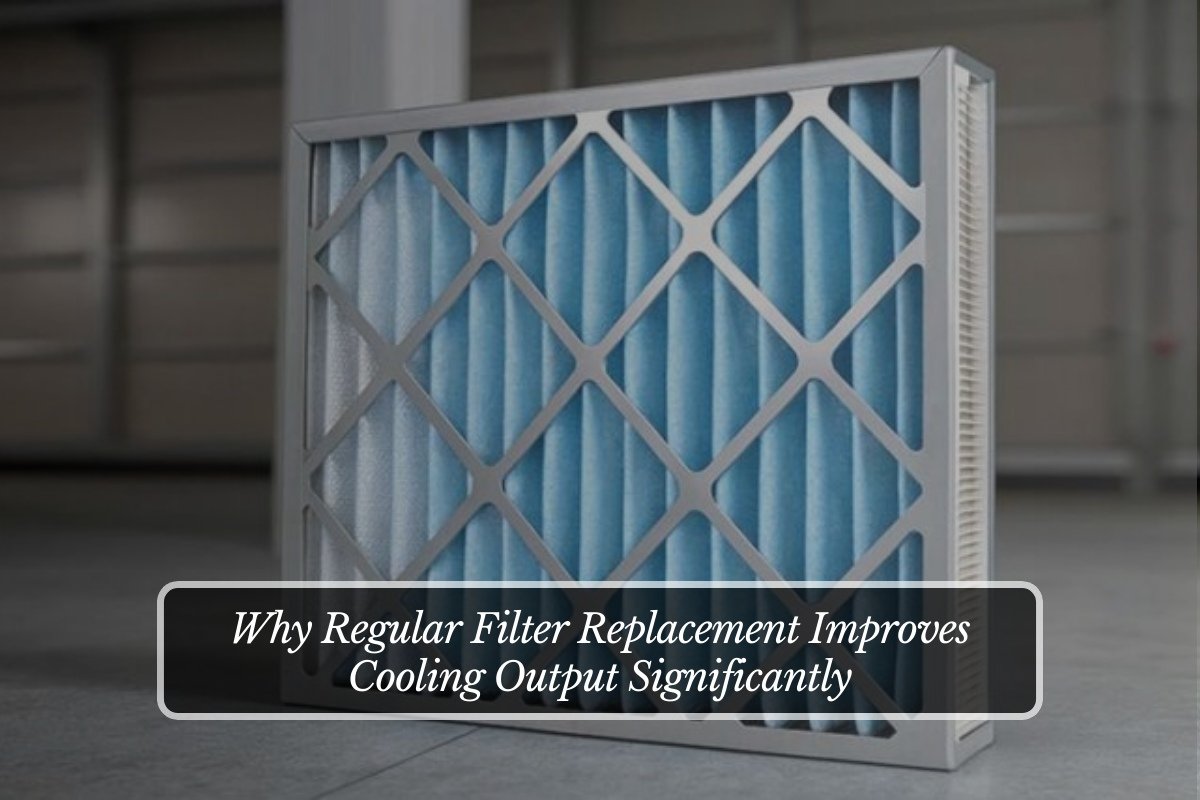
Check for oiling ports on older motors; add lightweight machine oil if dry. Verify thermostat is on “cool/auto” and set below room temp. Dirty indoor filters block airflow, straining motors—replace if clogged.
Power Supply Verification
Reset tripped breakers labeled “AC” or “furnace”—flip to off, wait 30 seconds, then on. Inspect wiring for burns or loose connections at the contactor; pitted contacts signal failure, needing replacement.
Test for 240V across contactor legs with a multimeter (power off first). No voltage? Trace to breaker or thermostat. Overload reset button on motor housing—press after cooling if tripped.
Capacitor Testing and Replacement
Capacitors (start/run) power the motor; bulging, leaking, or flat tops indicate failure. Discharge safely with insulated screwdriver across terminals. Use a multimeter on microfarad (MFD) setting—match rating (e.g., 5+370 MFD); 10% variance means replace.
Single-phase motors have dual capacitors; test both. Costs $10-50; pros handle high-voltage swaps safely.
Motor Windings and Internal Diagnostics
Disconnect wires (note colors: common white, others brown/red). Measure ohms between common and other leads—5-30 ohms typical; zero (short) or infinite (open) means bad windings. Check ground to case—any reading fails the motor.
Humming without spin? Bearings or seized rotor—replace motor ($200-500). Overheating smells signal burnout.
Cleaning and Mechanical Fixes
Clear condenser coils of dirt/grass within 2 feet; vacuum blades gently. Lubricate shaft if ports exist. Tighten set screws on blade hub. For indoor blower motors, access via furnace panel—clean wheels of dust buildup reducing CFM.
When to Call a Pro
DIY stops at testing; replacement involves refrigerant handling under EPA rules. Symptoms persisting post-checks (e.g., slow spin despite power) need techs for precise diagnosis. Annual maintenance prevents 80% issues.
Troubleshooting Comparison
Prompt fixes boost airflow 30%, enhancing SEER efficiency.
Frequently Asked Questions
Q. First step for no fan spin?
Power off, check breaker/thermostat, hand-turn blade for obstructions.
Q. How to test capacitor safely?
Discharge terminals, use MFD meter—replace if off 10% rating.
Q. What ohms indicate bad windings?
Zero (short) or infinite (open) between common/other leads.
Q. Signs of contactor failure?
Pitted contacts, no 240V to motor.
Q. Indoor vs. outdoor motor issues?
Both capacitor/windings; indoor often dust-clogged wheels.