A thermostat plays a critical role in maintaining indoor comfort by regulating when your heating or cooling system turns on and off. When a thermostat malfunctions, it can lead to uneven temperatures, higher energy bills, and unnecessary strain on HVAC equipment. Understanding common thermostat issues and how to repair them can restore accurate temperature control and improve overall system performance.
Understanding Common Thermostat Problems
Thermostat issues often stem from simple causes such as dead batteries, incorrect settings, or poor placement. More complex problems may include faulty wiring, calibration errors, or internal component failure. Identifying the root cause is the first step toward effective repair.
Symptoms of thermostat problems include rooms feeling too hot or too cold, frequent system cycling, unresponsive controls, or temperatures that do not match the display. Addressing these issues promptly helps prevent discomfort and system inefficiency.
Checking Power Supply and Batteries
One of the most common and easily overlooked thermostat issues is power failure. Many thermostats rely on batteries, while others draw power directly from the HVAC system.
Start by checking and replacing batteries if applicable. Even low batteries can cause inaccurate readings or intermittent operation. For hardwired thermostats, ensure the unit is receiving power and that circuit breakers have not tripped. Restoring proper power supply often resolves basic thermostat malfunctions.
Verifying Thermostat Settings and Modes
Incorrect settings can mimic more serious thermostat problems. Ensure the thermostat is set to the correct mode—cooling, heating, or auto—and that the temperature setting aligns with your comfort needs.
Programmable and smart thermostats may also have scheduling conflicts. Review programmed schedules to ensure they are not overriding manual adjustments. Correct configuration ensures the thermostat responds accurately to temperature changes.
Inspecting Thermostat Placement
Thermostat location significantly affects temperature accuracy. Units placed near windows, doors, heat sources, or direct sunlight may receive false readings.
If the thermostat senses heat or cold that does not represent the room’s actual temperature, it may trigger the HVAC system unnecessarily. Relocating the thermostat to a central, shaded area with good airflow can greatly improve accuracy and performance.
Examining Wiring and Connections
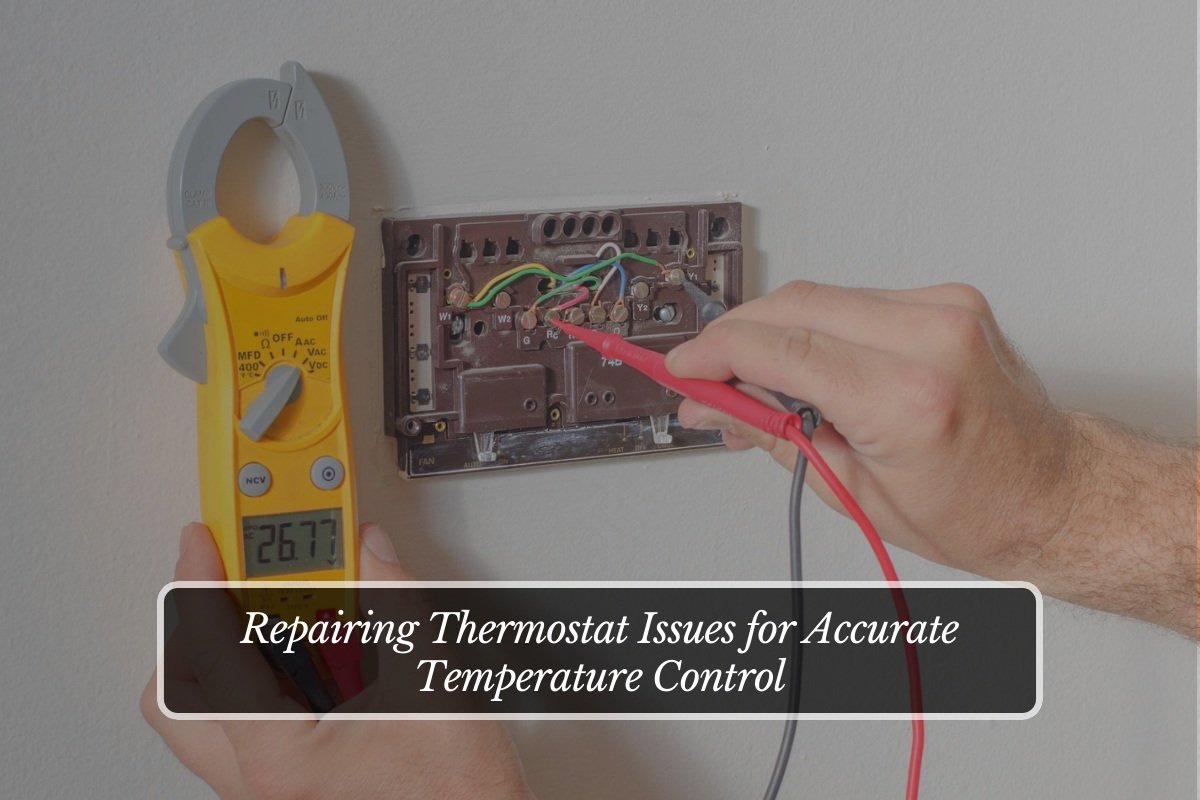
Loose, corroded, or damaged wiring can disrupt communication between the thermostat and HVAC system. Over time, vibrations and temperature changes can loosen connections.
Turn off power to the system before inspecting wiring. Look for visibly loose wires or signs of corrosion. Tightening connections may resolve the issue, but complex wiring problems should be handled by a qualified technician to ensure safety and proper functionality.
Calibrating the Thermostat for Accuracy
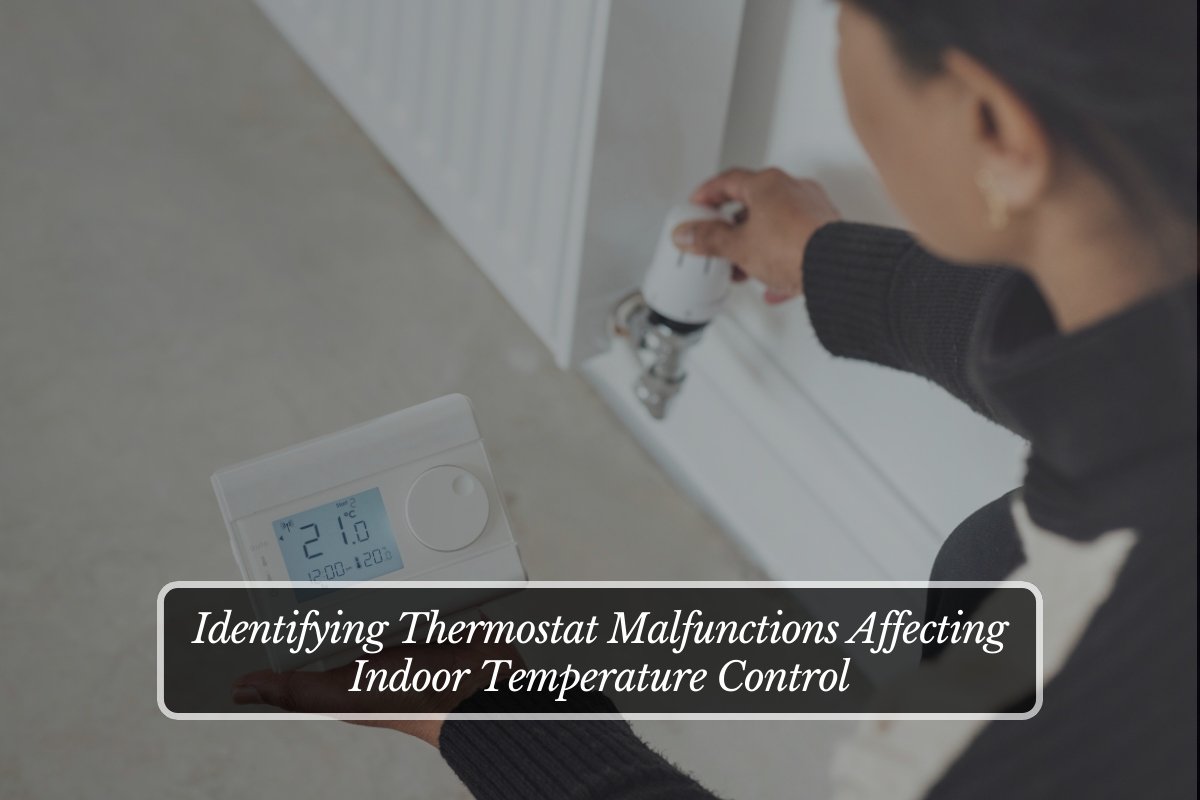
Thermostats can lose calibration over time, leading to inaccurate temperature readings. Calibration ensures the displayed temperature matches the actual room temperature.
You can test accuracy by placing a reliable thermometer near the thermostat and comparing readings. If there is a noticeable difference, recalibration or replacement may be necessary. Some digital thermostats allow manual calibration, while others require professional adjustment.
Updating or Replacing an Outdated Thermostat
Older thermostats may lack precision and energy-saving features. Mechanical models are especially prone to wear and inaccurate readings.
Upgrading to a modern programmable or smart thermostat can significantly improve temperature control. These devices offer advanced sensors, learning capabilities, and remote access, enhancing both comfort and energy efficiency.
When to Call a Professional Technician
While many thermostat issues can be resolved with basic troubleshooting, some problems require professional expertise. Persistent inaccuracies, wiring complications, or system compatibility issues are best handled by an HVAC technician.
Professional repair ensures the thermostat is properly configured, calibrated, and safely connected, protecting both the device and the HVAC system.
FAQs
Why does my thermostat show the wrong temperature?
This is often caused by poor placement, calibration issues, or aging sensors that no longer read room temperature accurately.
Can low batteries affect thermostat performance?
Yes, low batteries can cause display errors, delayed responses, or complete system failure.
How often should a thermostat be replaced?
Most thermostats last 10–15 years, but upgrading sooner can improve accuracy and energy efficiency.
Is thermostat wiring repair dangerous?
It can be if done incorrectly. Always turn off power before inspecting wiring and consult a professional for complex repairs.
Do smart thermostats improve temperature accuracy?
Yes, smart thermostats use advanced sensors and algorithms to provide more precise temperature control and consistent comfort.