During the warmer months, air conditioning is often the first line of defense against rising temperatures. However, the cost of running AC systems can quickly add up, especially when they’re used for extended periods. The good news is that it’s possible to reduce cooling costs without compromising comfort. By implementing a few simple strategies, you can achieve a more energy-efficient home and keep cool without breaking the bank.
1. Optimize Your Thermostat Settings
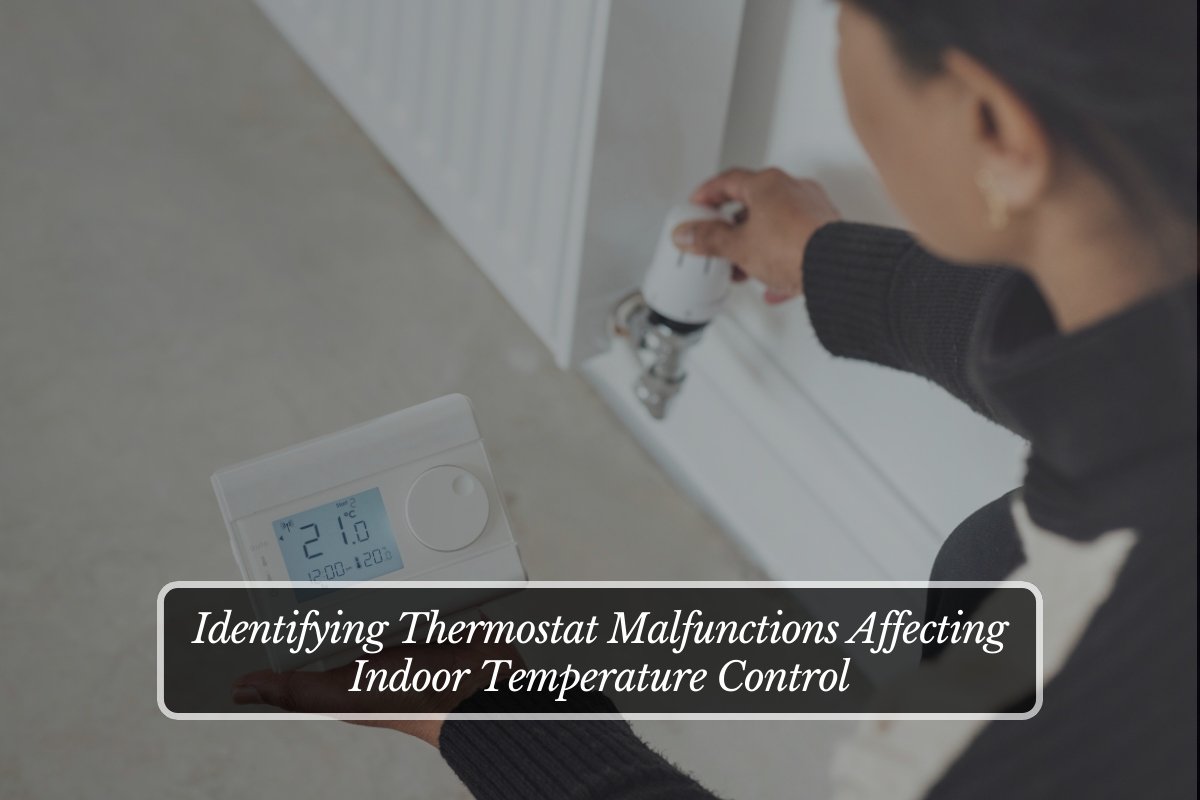
Your thermostat is the central control for your cooling system, and adjusting its settings can make a big difference in energy consumption. The U.S. Department of Energy recommends setting your thermostat to 78°F (25-26°C) when you’re at home and active. When you’re away or sleeping, increase the temperature by 5-10°F (2-5°C). This small adjustment can significantly reduce the amount of energy your AC uses while maintaining comfort when you need it most.
Smart Thermostats for Precision Control
Investing in a smart thermostat can offer even greater savings. These devices allow you to program temperature schedules based on your habits, detect when you’re not home, and adjust cooling accordingly. Many smart thermostats can also be controlled remotely via smartphone, ensuring your home stays cool when you arrive and saves energy when you’re away.
2. Keep the Sun Out
The sun’s rays can heat up your home rapidly, especially if your windows are unprotected. Solar heat gain through windows accounts for a large portion of indoor temperature increases. To reduce this effect:
- Use Blinds or Curtains: Close blinds or curtains during the hottest parts of the day to block sunlight from warming your home.
- Install Reflective Window Film: Reflective window films can reduce solar heat gain by up to 70%. These films are especially useful for windows facing the sun.
- Use Light-Colored Window Treatments: Light-colored window treatments, such as shades or curtains, can help reflect the sun’s heat away, keeping your indoor spaces cooler.
3. Enhance Insulation and Seal Gaps
Proper insulation and sealing are essential for maintaining indoor comfort while reducing cooling costs. Poorly insulated homes are more likely to lose cool air, forcing your AC to work harder. Focus on these key areas:
- Attic Insulation: Attics are notorious for heat buildup. Insulating the attic and ensuring proper ventilation can significantly lower the heat absorbed by your home.
- Seal Leaks: Check for gaps around windows, doors, vents, and ducts where cool air may escape or hot air may enter. Weatherstripping and caulk can seal these gaps and improve your AC’s efficiency.
- Insulate Ducts: If your ductwork runs through unconditioned spaces, such as attics or basements, insulate them to prevent cool air from escaping.
4. Use Fans to Improve Air Circulation
Fans can be a cost-effective way to supplement your air conditioning. By improving airflow and circulation, fans can help distribute cool air more evenly, allowing you to raise the thermostat by a few degrees without sacrificing comfort.
- Ceiling Fans: Running ceiling fans in the counterclockwise direction during the summer pushes air downward, creating a wind-chill effect that makes you feel cooler without lowering the room temperature.
- Portable Fans: Use portable fans to improve air circulation in specific areas or rooms that feel warmer than others.
5. Perform Regular AC Maintenance
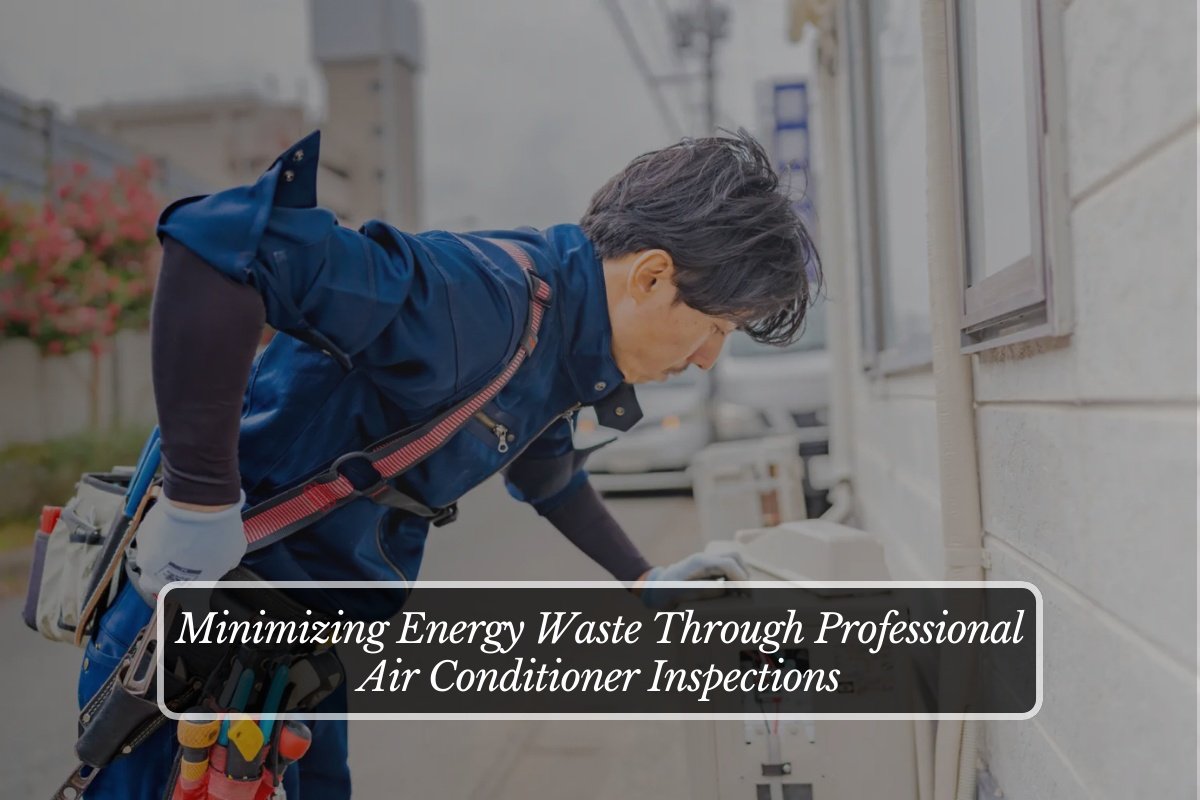
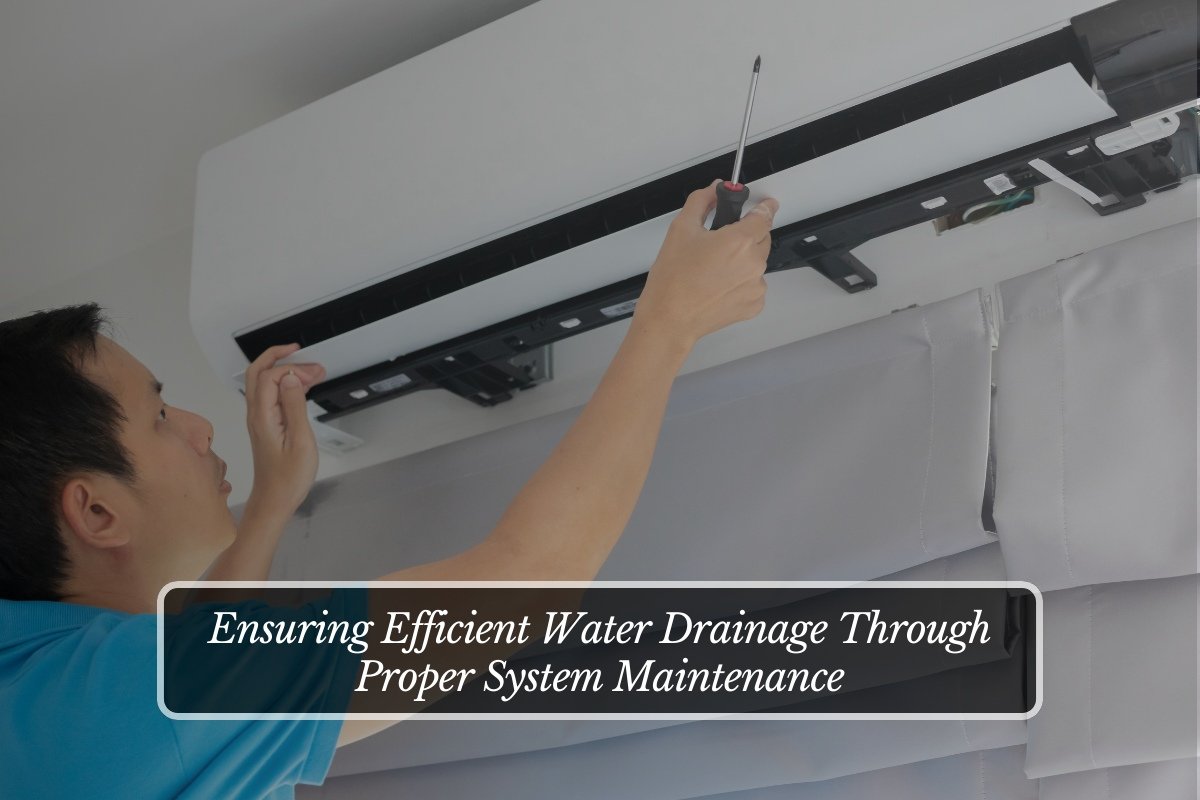
An inefficient or poorly maintained air conditioner will use more energy to cool your home. Regular maintenance ensures your unit runs smoothly and efficiently. Some key maintenance tasks include:
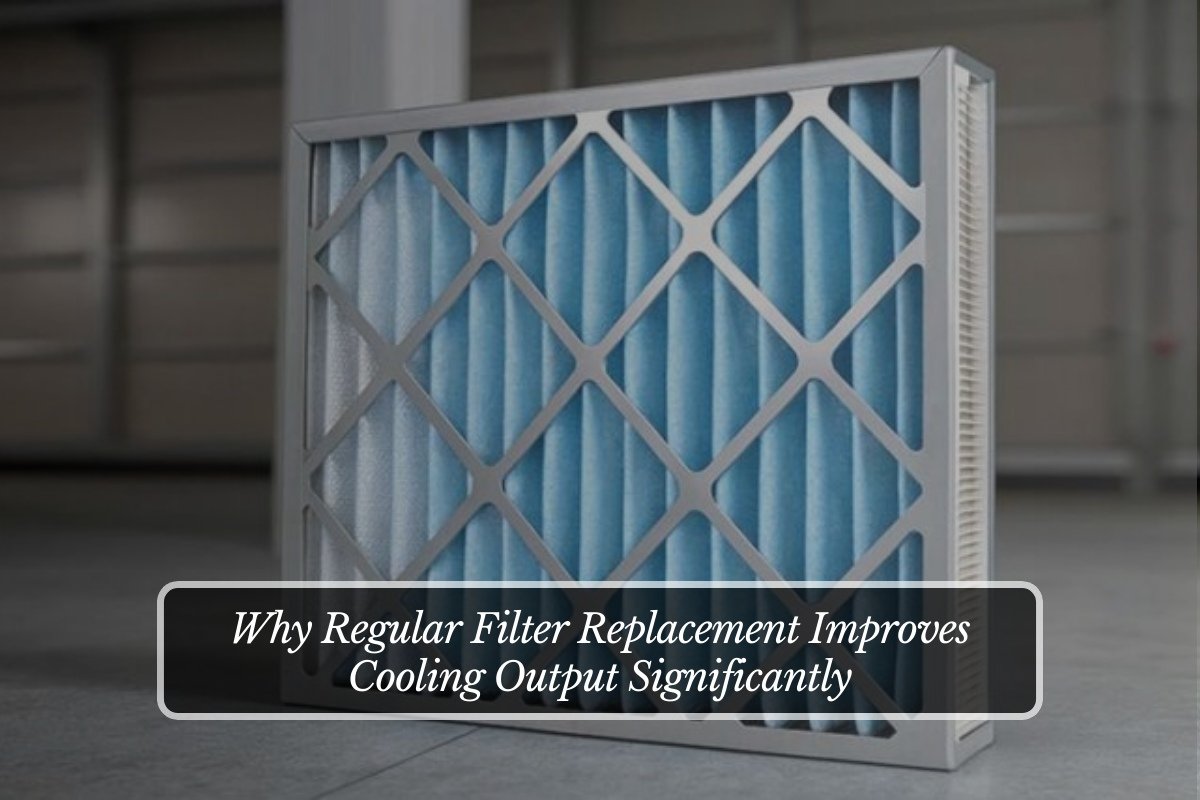
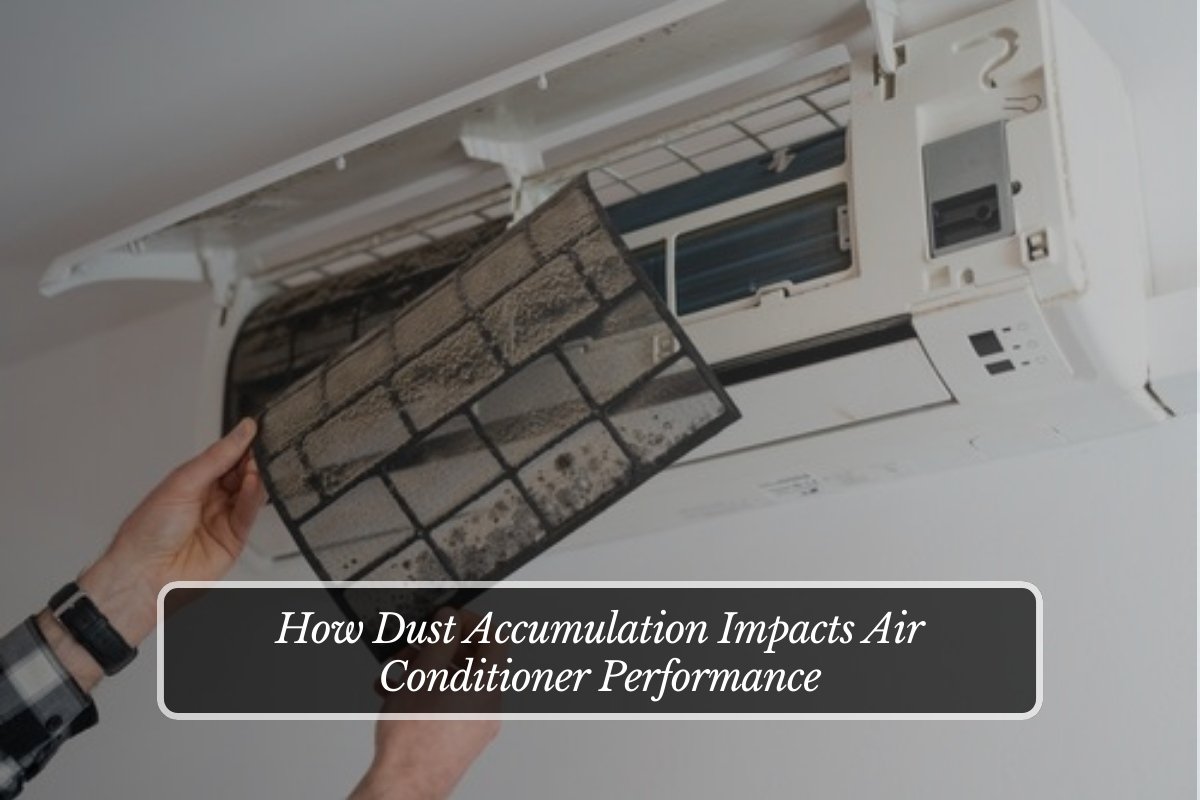
- Change Filters: Dirty air filters restrict airflow, causing the system to work harder. Change or clean filters every 1-3 months, depending on usage.
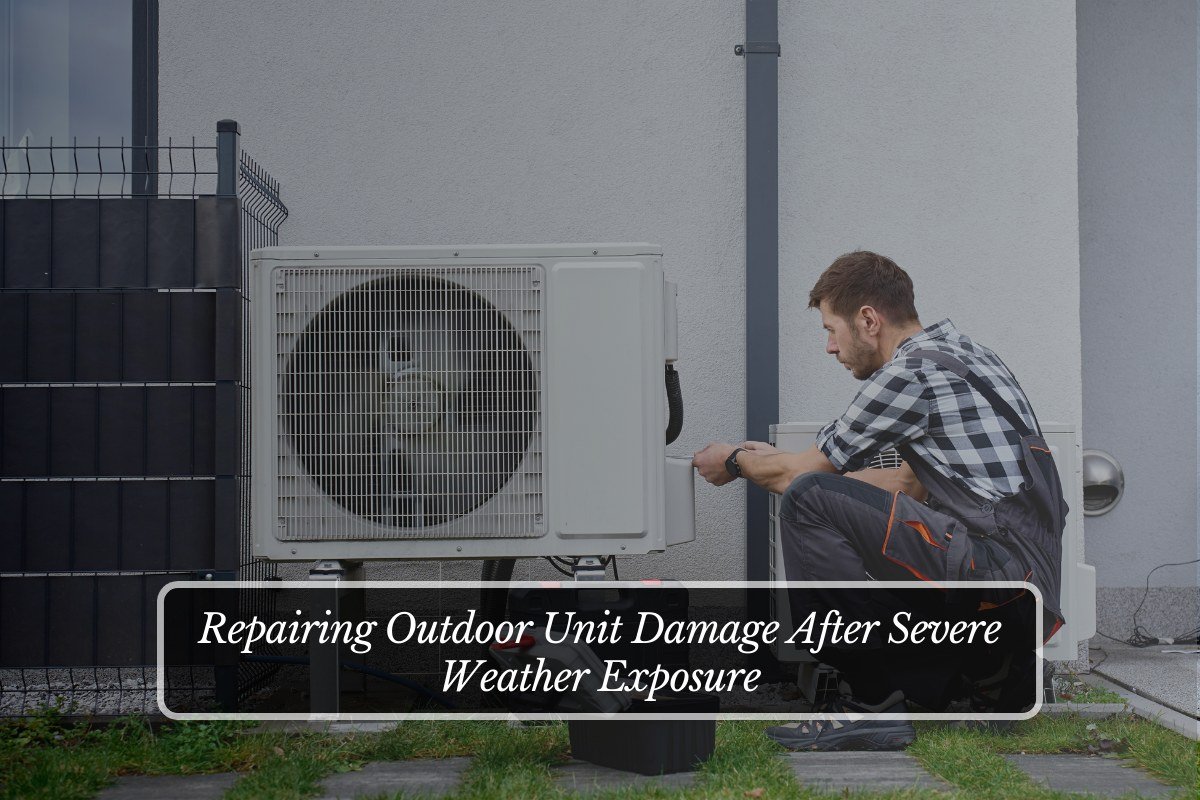
- Clean the Coils and Coils: Dust and debris on the evaporator and condenser coils reduce efficiency. Clean the coils annually to maintain optimal performance.
- Check the Refrigerant Levels: Low refrigerant can cause the AC to overheat or fail to cool properly. A professional technician can check and refill refrigerant levels as needed.
6. Upgrade to an Energy-Efficient AC Unit
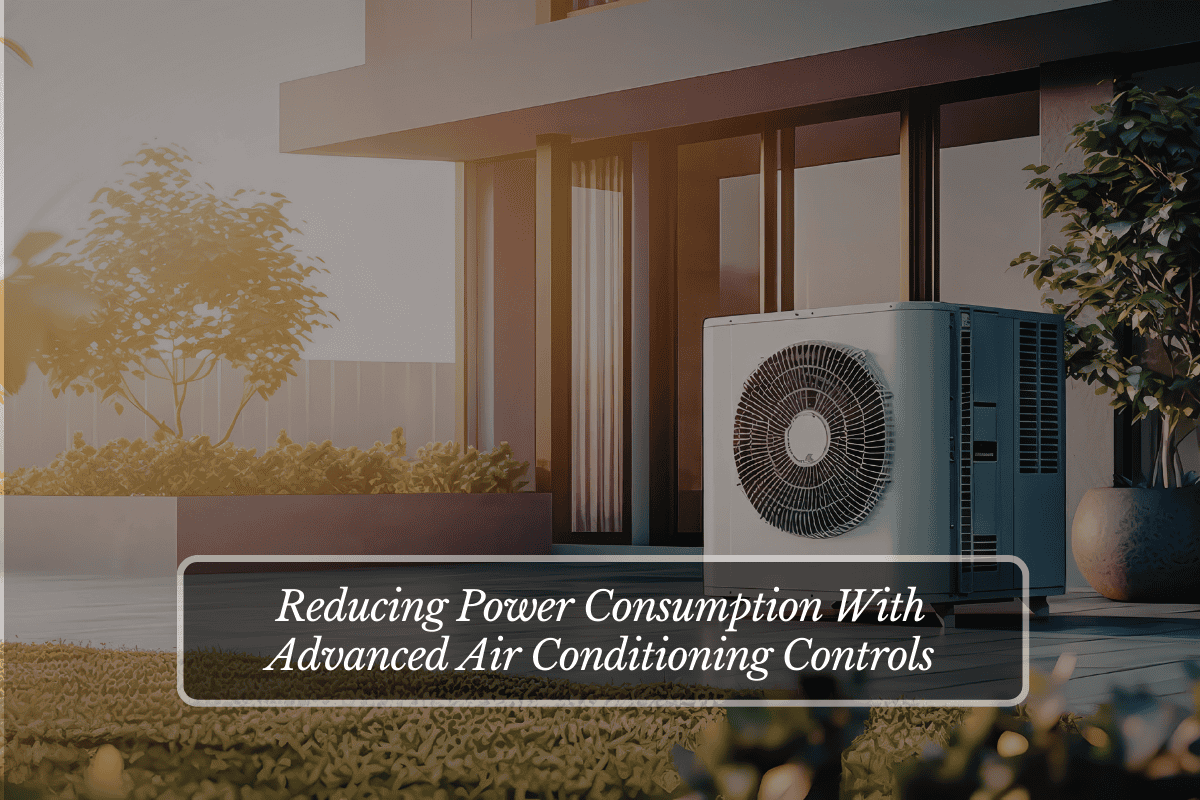
If your air conditioner is old, it may be time for an upgrade. Modern air conditioning units are much more energy-efficient than older models. When purchasing a new unit, look for one with a high SEER (Seasonal Energy Efficiency Ratio) rating. A higher SEER rating means better energy efficiency and lower cooling costs over time.
Additionally, choose an AC unit that’s properly sized for your home. An oversized or undersized unit can lead to higher energy bills and less effective cooling. Consult with a professional to ensure your system meets your home’s specific cooling needs.
7. Use Natural Ventilation
Taking advantage of cool evenings and mornings is a simple way to reduce the need for AC. Open windows and doors to create a cross-breeze that naturally cools your home. If security is a concern, install window and door screens to allow ventilation while keeping pests out.
- Night Ventilation: During cooler evenings, open windows to let in fresh air and exhaust warm air. Closing the windows again during the early morning hours traps the cool air inside and keeps the heat out.
- Cross-Ventilation: If you have windows on opposite sides of the room or house, open both to create a cross-breeze that naturally pulls cool air through the home.
8. Consider Zoned Cooling
Zoned cooling systems allow you to target specific areas of the house rather than cooling the entire home. If certain rooms are used more frequently than others, or if you have rooms that stay cooler than others, zoning allows you to direct airflow where it’s needed most, while reducing energy consumption in less-used areas.
- Smart Vents and Zoning Systems: Advanced zoning systems use smart vents that open and close based on room usage or time of day. This ensures energy isn’t wasted cooling empty rooms.
Reducing cooling costs doesn’t mean sacrificing comfort. By taking a multi-faceted approach—adjusting thermostat settings, improving insulation, utilizing fans, and performing regular maintenance—you can enjoy a cooler, more energy-efficient home. These strategies, along with proper upgrades when necessary, will help you save money on cooling while maintaining a comfortable living environment year-round.
FAQs
How much can I save by adjusting my thermostat?
Adjusting your thermostat by just 5-10°F (2-5°C) when you’re away can save 10-20% on your cooling costs over the course of the year.
Is it better to leave the AC on all day or turn it off?
It’s typically more energy-efficient to turn the AC off when you’re not home, especially if you use a programmable thermostat or smart thermostat to control the temperature when you return.
Can ceiling fans reduce the need for air conditioning?
Ceiling fans improve air circulation and can help you feel cooler, allowing you to raise the thermostat and reduce reliance on the AC, though they don’t lower the room’s temperature.
How often should I clean my AC unit?
You should clean or replace your AC filter every 1-3 months, and the coils and refrigerant should be checked annually by a professional technician.
Do newer AC units save money?
Yes, newer, energy-efficient AC units with a high SEER rating use less energy, which translates to lower cooling costs compared to older units.