Air conditioners failing to cool affect millions of U.S. households annually, often due to preventable issues like dirty filters or refrigerant leaks that spike energy bills 20-30% and risk $2,000+ compressor replacements.
In America, where summers push systems to limits under varying IECC codes, prompt pro repairs restore efficiency and prevent health hazards like mold from frozen coils. Immediate action averts breakdowns amid rising repair calls during heatwaves.
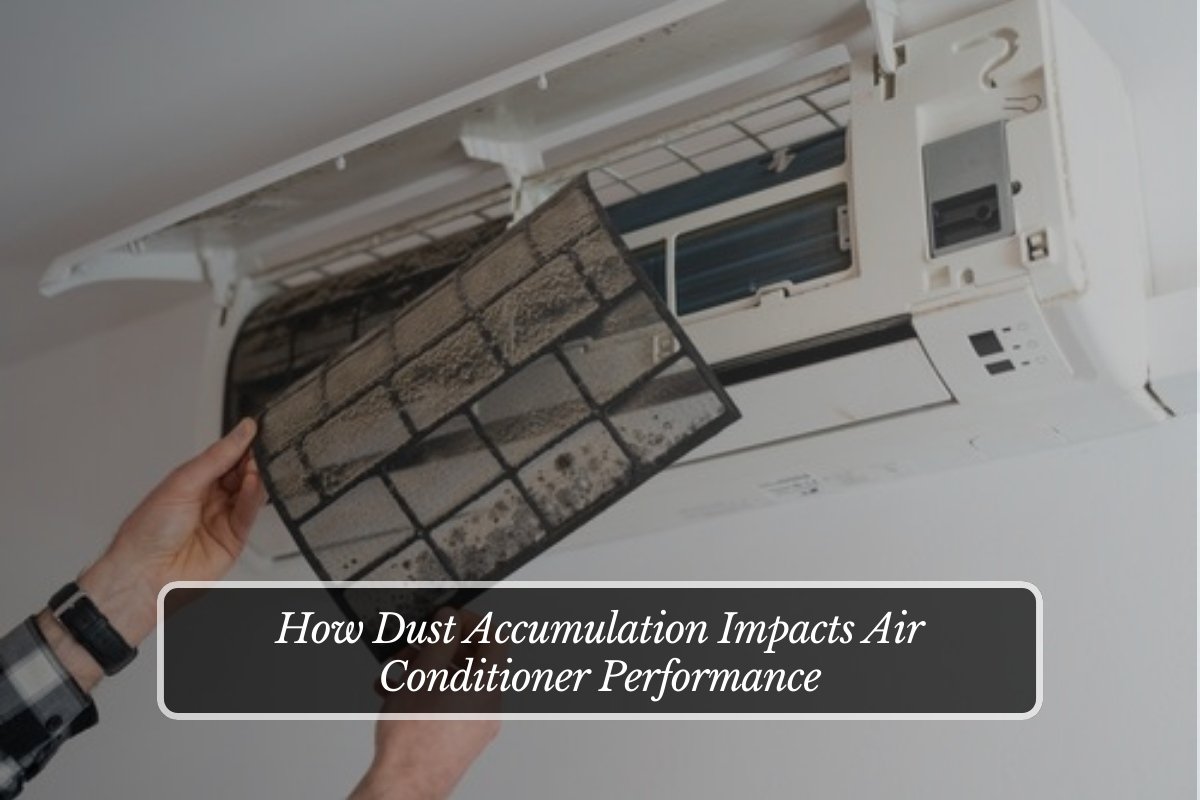
Dirty or Clogged Air Filters
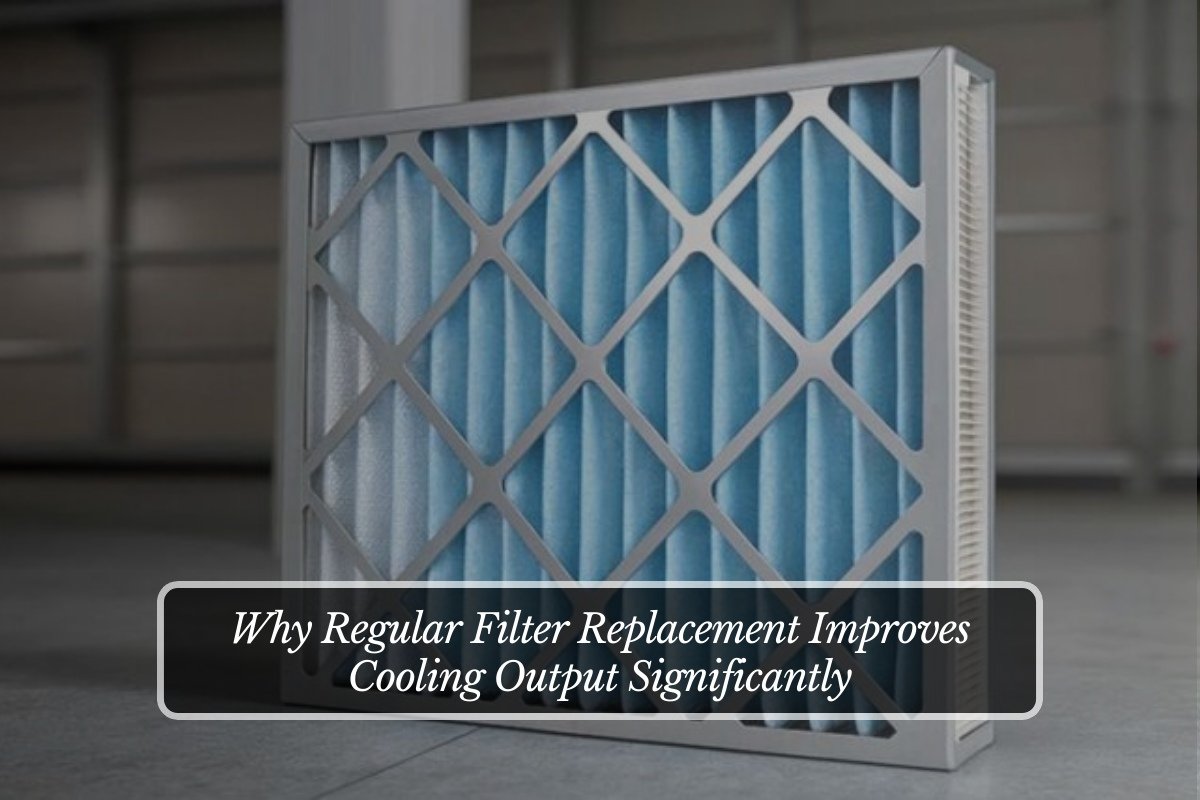
Clogged filters restrict airflow, causing evaporator coils to freeze and halting cooling—replace every 1-3 months, especially in dusty areas or with pets. Restricted air forces the compressor to overwork, raising temps and tripping breakers; DOE notes 5-15% efficiency loss per dirty filter month.
Signs: weak airflow, ice on vents. DIY check first, but pros diagnose underlying blower issues.
Low Refrigerant Levels from Leaks
Refrigerant leaks prevent heat absorption, blowing warm air while risking compressor burnout—EPA mandates certified handling post-R-22 phaseout. Leaks from corroded lines or fittings drop pressure, freezing coils; low levels signal 20-50% efficiency loss.
Hiss sounds, oily residue indicate urgency—pros use gauges to recharge and seal, avoiding $1,500+ damages.
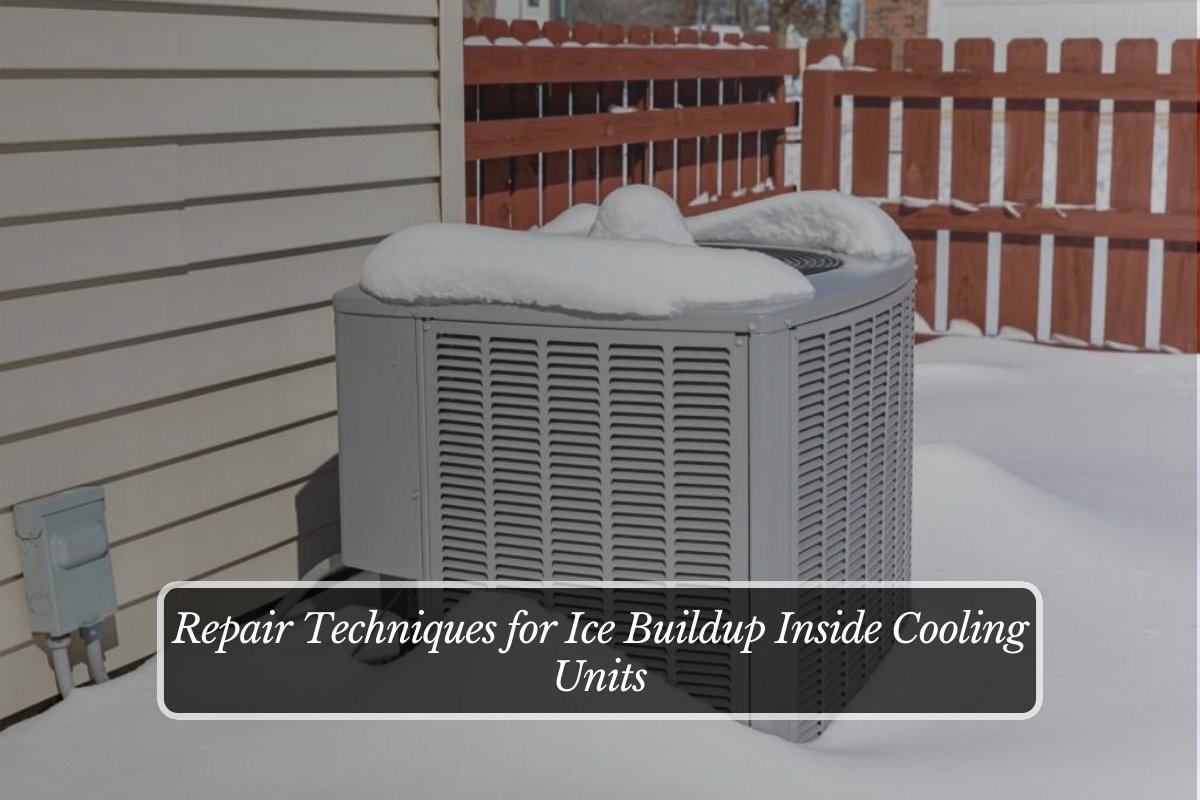
Frozen Evaporator or Condenser Coils
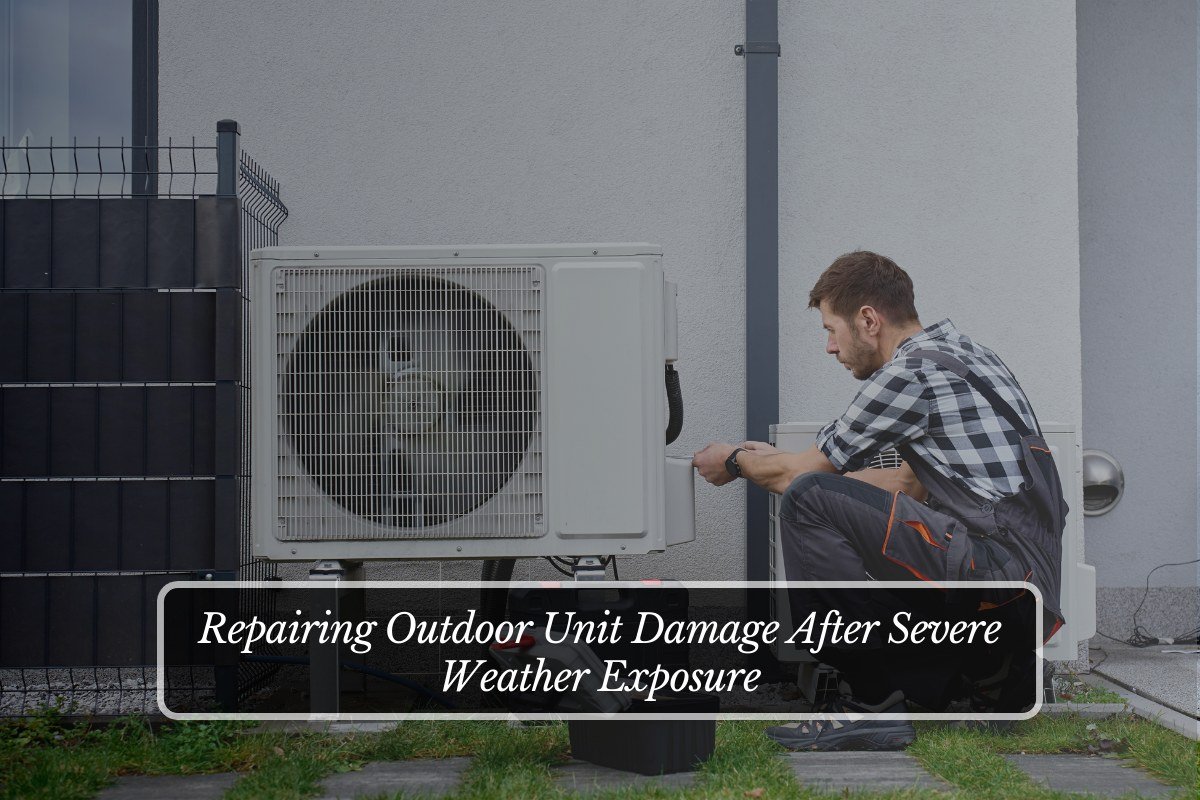
Frozen indoor coils from low refrigerant, dirty filters, or blower failure block heat exchange, stopping cooling. Outdoor condenser coils clogged with debris (leaves, dirt) in humid South raise head pressure, tripping safeties.
Thaw by fan-only mode 24 hours, then call pros for root causes like faulty expansion valves—ignore risks $3,000 evaporator swaps.
Thermostat and Sensor Malfunctions
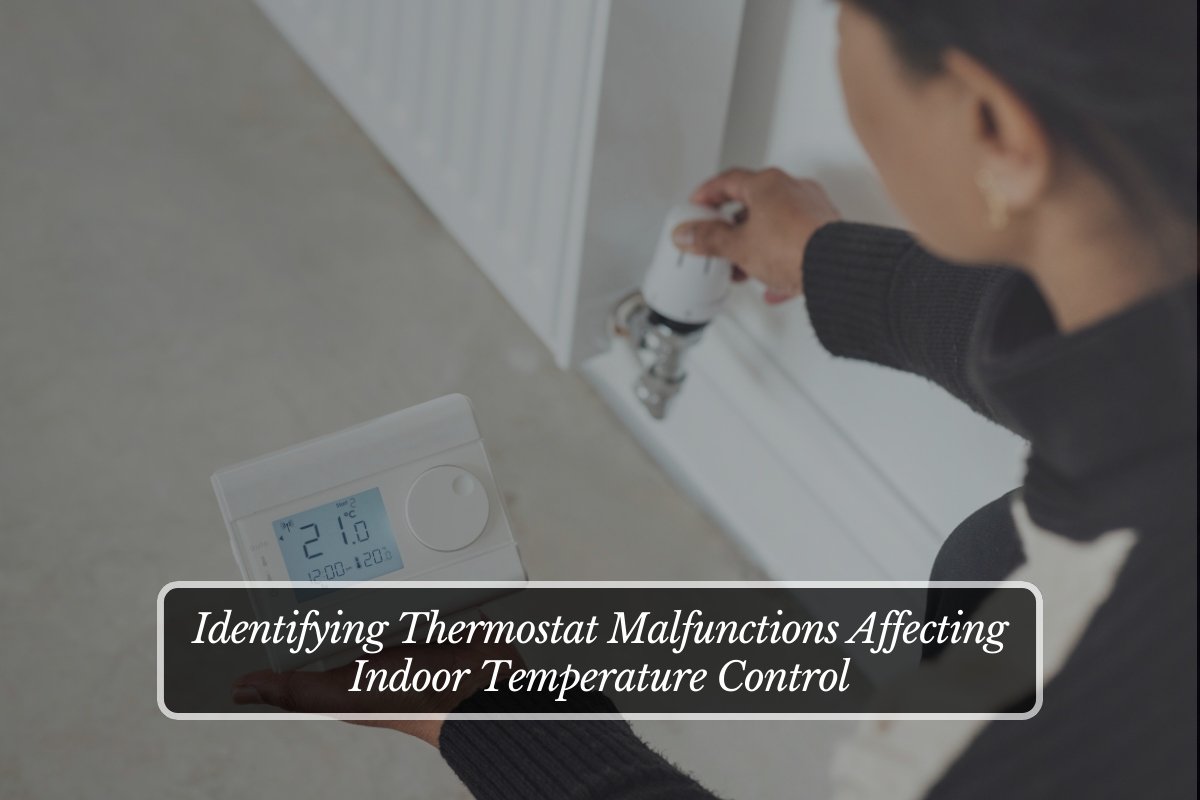
Faulty thermostats misread temps, cycling improperly or ignoring settings—sunlight/obstructions fool sensors. Wiring corrosion or dead batteries cause short-cycling, stressing components.
Calibrate/replace; pros test continuity, ensuring smart models integrate correctly under ENERGY STAR.
Electrical and Capacitor Failures
Capacitor burnout prevents compressor/fan startup, common in 10-year units from heat/age. Loose wires, tripped breakers from surges halt operation—frequent cycling corrodes contacts.
Buzzing/humming signals need; pros discharge safely, avoiding shocks—$150-300 fix vs. full failure.
Compressor and Fan Motor Issues
Compressor failure from low refrigerant/overheating demands $1,500-3,000 replacement—immediate if grinding/seized. Fan motor stalls airflow, freezing coils; bearings wear from dirt.
Noisy operation flags urgency—pros check amps, oil levels for variable-speed efficiency.
Ductwork Leaks and Blockages
Leaky ducts waste 20-30% cooled air, causing uneven cooling/hot spots. Blocked vents/registers from furniture reduce flow, mimicking filter clogs.
Aeroseal/pro sealing restores; pros pressure-test per ASHRAE, preventing mold in unconditioned spaces.
Frequently Asked Questions (FAQs)
Q. Why warm air from vents?
Dirty filters, low refrigerant, frozen coils—check filter first, call pros for leaks.
Q. Ice on coils—safe to ignore?
No, risks compressor damage; thaw, then repair root cause like blower failure.
Q. Thermostat not responding?
Sensor/sunlight issues or wiring—reset batteries, pros diagnose controls.
Q. AC humming but not cooling?
Capacitor/compressor fault—electrical pro needed to avoid shocks/fires.
Q. Uneven room temps?
Duct leaks (20-30% loss), blocked vents—seal/audit for efficiency.