Reducing AC power consumption at home yields significant savings—up to 30-50% on summer bills—through simple, practical tweaks that enhance efficiency without sacrificing comfort. In the US, where cooling accounts for 43% of average household energy use, these strategies align with ENERGY STAR guidelines and rising utility rates.
Optimize Thermostat Settings
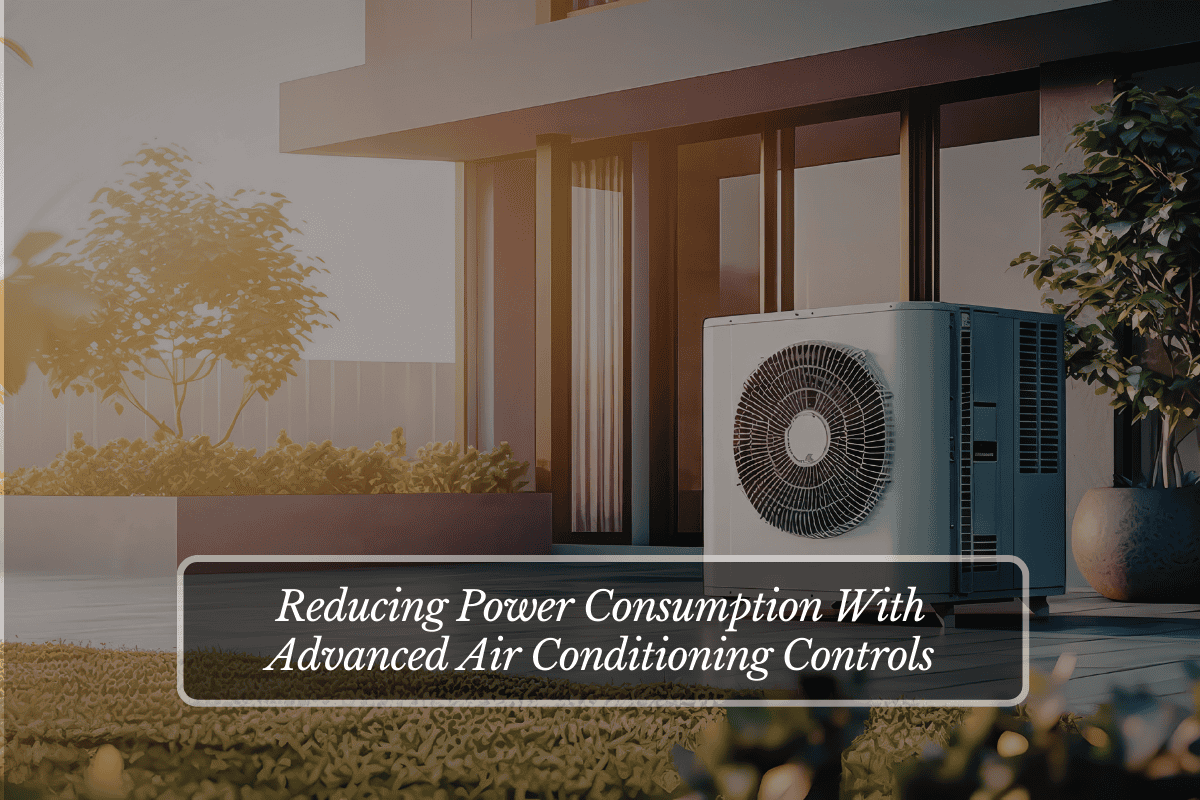
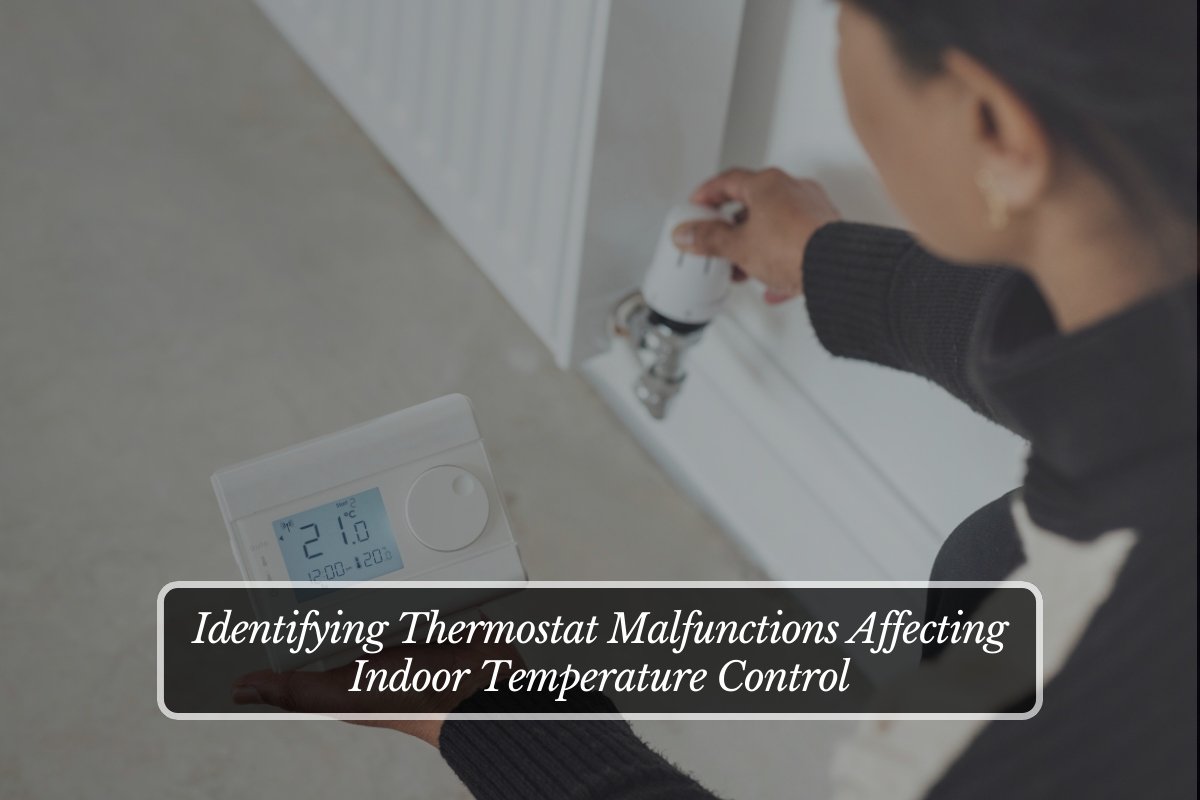
Set your thermostat to 78°F when home and active, raising it to 82-85°F when away or asleep for 10-18% savings per degree. Programmed smart thermostats like Nest or Ecobee learn habits, auto-adjusting and cutting usage 15% via geofencing. Avoid extreme drops; gradual changes prevent compressor overwork.
Manual rule: Raise 1°F per unoccupied hour, using fans to feel 4°F cooler.
Improve Airflow and Maintenance
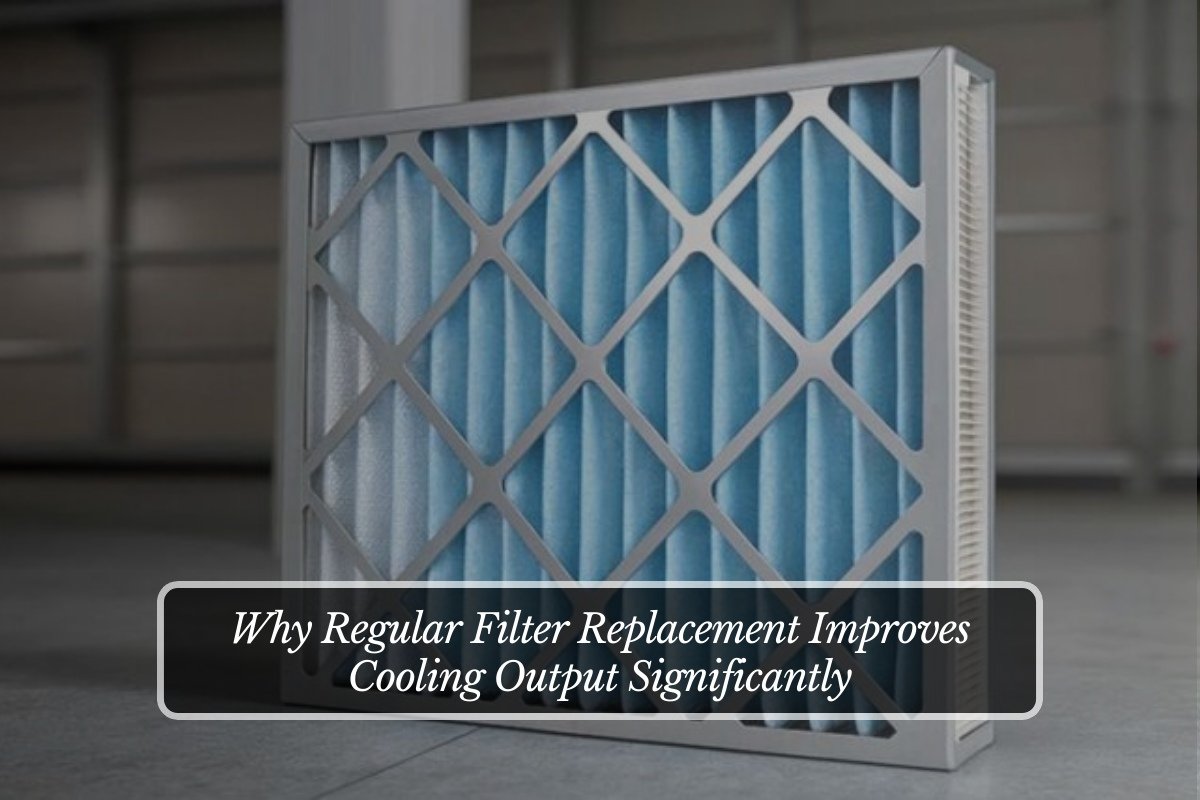
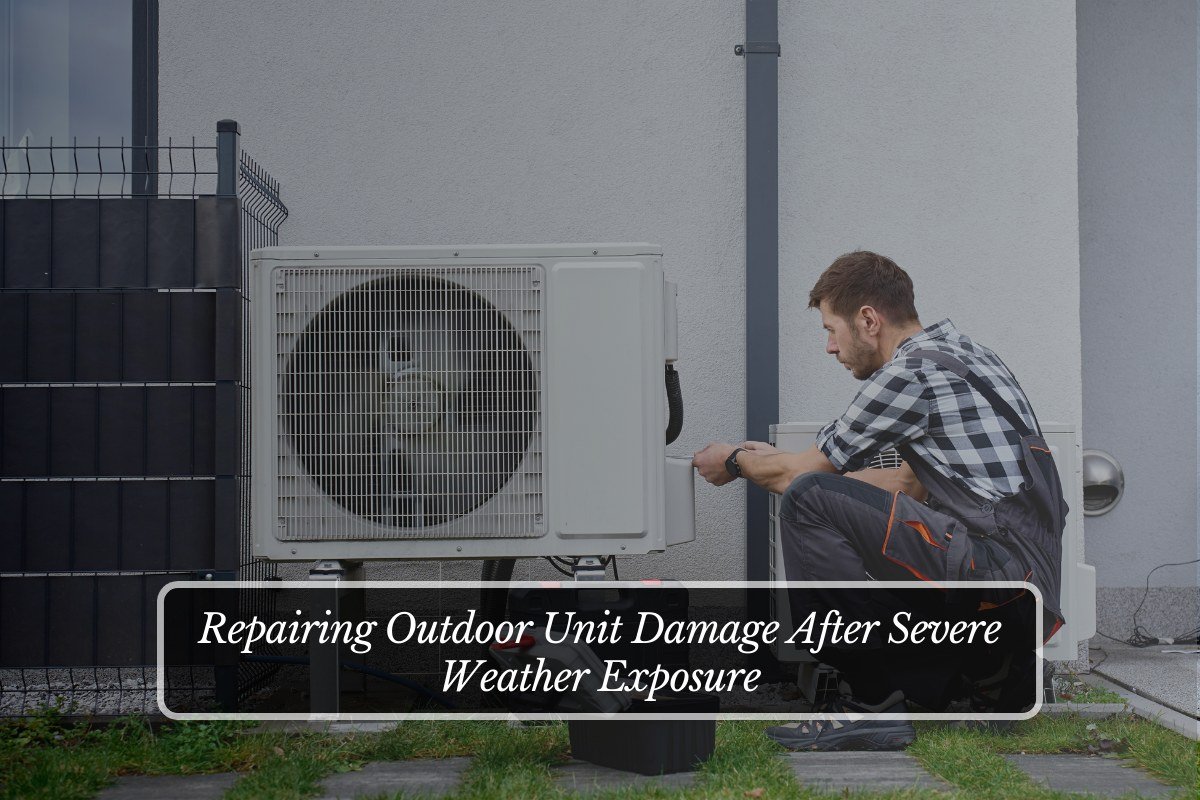
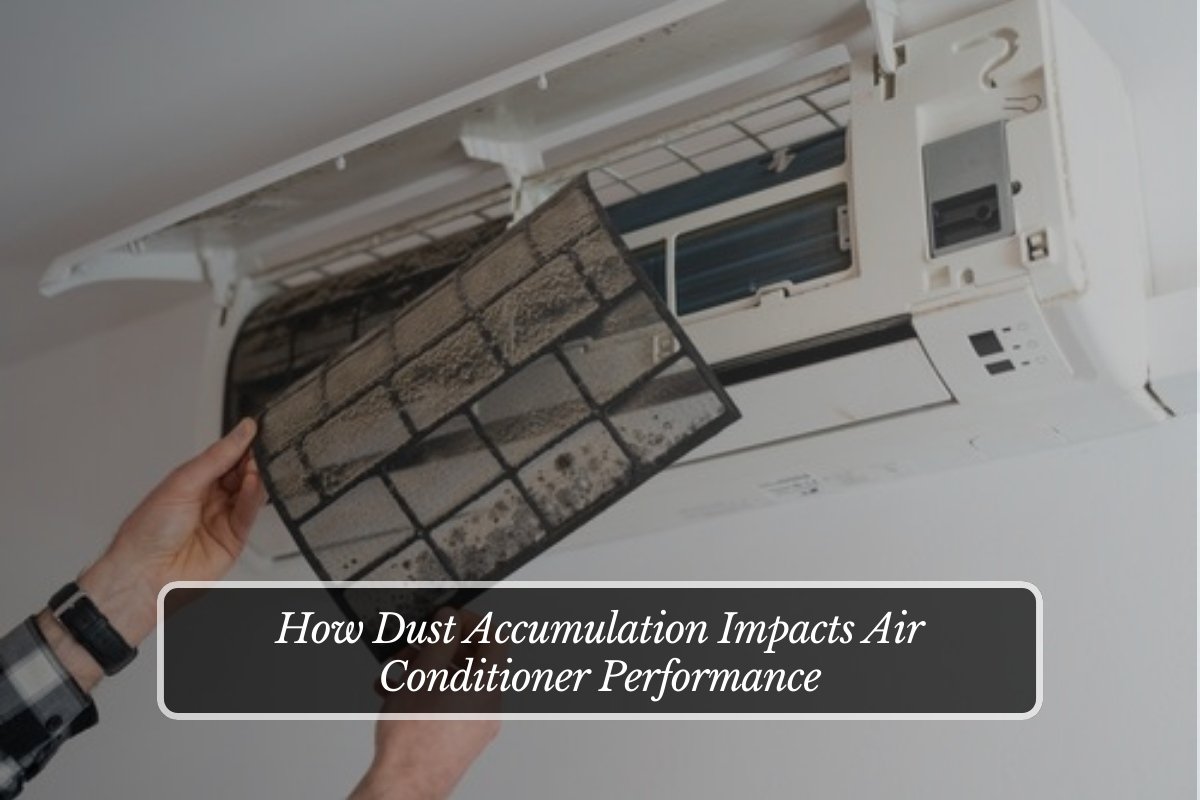
Clean or replace filters monthly—dirty ones spike consumption 15%. Ensure vents are unobstructed; seal duct leaks with mastic tape for 20% gains in central systems. Annual pro tune-ups verify refrigerant levels and coil cleanliness, boosting SEER ratings 10-20%.
Ceiling fans on counter-clockwise circulate cool air, allowing 4°F higher settings.
Block Heat Gain
Close blinds, curtains, or shades during peak sun (10am-4pm) to reject 45% of heat. Weatherstrip doors/windows; add solar film to south-facing glass for 33% reduction. Plant shade trees or install awnings—mature ones shade AC units, improving efficiency 10%.
Reflective roof coatings or attic insulation (R-49 minimum) cut heat infiltration 25%.
Upgrade Equipment and Habits
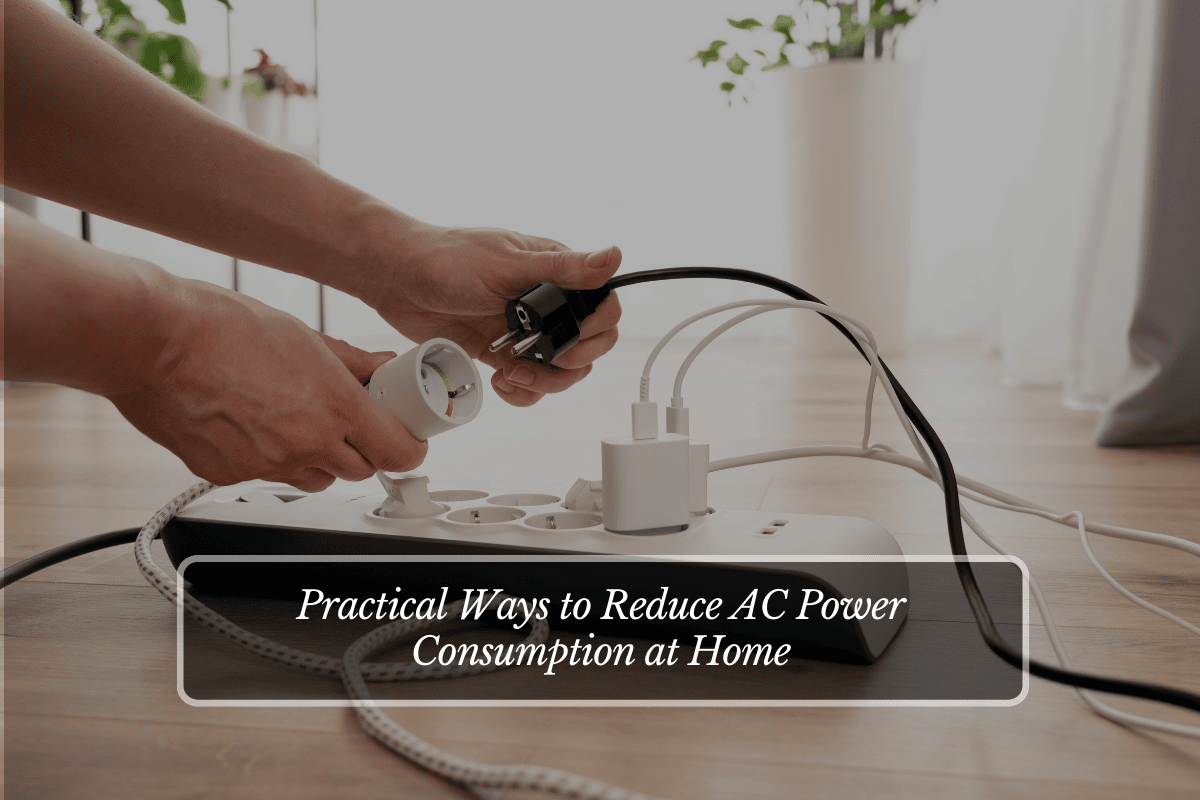
Choose inverter ACs or high-SEER (16+) units—new ones save 30% vs. 10-year-old models. Use power strips to kill standby loads from remotes/humidifiers. Limit heat sources: Cook outdoors, wash in cold water, run appliances at night.
Zone cooling with window units or dampers targets occupied rooms, avoiding whole-house waste.
Smart Habits and Tech
Turn off AC when leaving for >1 hour; use timers for pre-cool. Exhaust fans vent kitchens/baths outside. Solar-powered attic fans or whole-house fans exchange hot air evenings, slashing runtime 20-30% in mild climates.
Track via apps like Sense or utility portals; aim for <500 kWh/month savings.
| Strategy | Savings Potential | Ease Level |
|---|---|---|
| Thermostat 78°F+ | 10-18% per degree | Easy |
| Clean Filters | 5-15% | Easy |
| Shade/Seal | 20-45% heat block | Moderate |
| Fans + Insulation | 10-25% | Easy |
| Smart Upgrades | 15-30% | Moderate |
Long-Term Investments
Ceiling insulation, LED bulbs, and Energy Star appliances compound gains. Solar generators like Jackery power window ACs off-grid during peaks, offsetting 20-50% bills. Rebates via IRA (up to $8,000 for heat pumps) accelerate ROI.
Regional tips: Southwest—desert landscaping; humid South—dehumidifiers over cooling.
These steps drop average $200/month bills to $100-140, paying habits back instantly.
FAQs
1. Ideal thermostat temp?
78°F occupied; 82°F away/asleep.
2. Filter cleaning frequency?
Monthly; boosts efficiency 15%.
3. Fans savings?
Raise setpoint 4°F safely.
4. Smart thermostat ROI?
15% savings; pays in 1 year.
5. Heat block priority?
Blinds first—45% gain rejection.