Optimizing indoor airflow enhances air conditioning efficiency, reducing energy bills by up to 20-30% while improving comfort and system longevity. Simple adjustments like vent positioning and regular maintenance create balanced circulation, preventing hot spots and overworking compressors in U.S. homes.
Understanding Airflow Basics
Airflow relies on supply vents delivering cooled air and return vents pulling it back for recirculation. Blockages or imbalances strain units, raising costs—dirty filters alone cut efficiency by 15%. Balanced systems maintain 400 CFM per ton of cooling, ensuring even temperatures.
Clean and Replace Filters Regularly
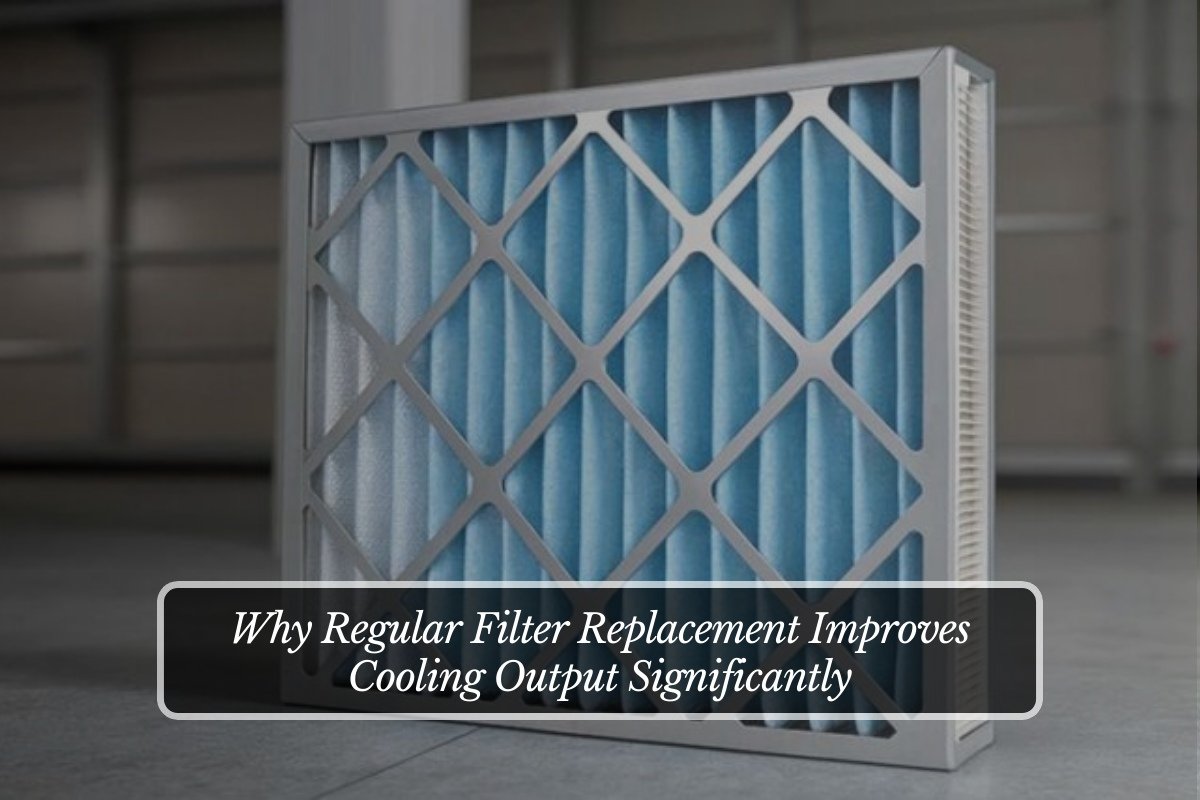
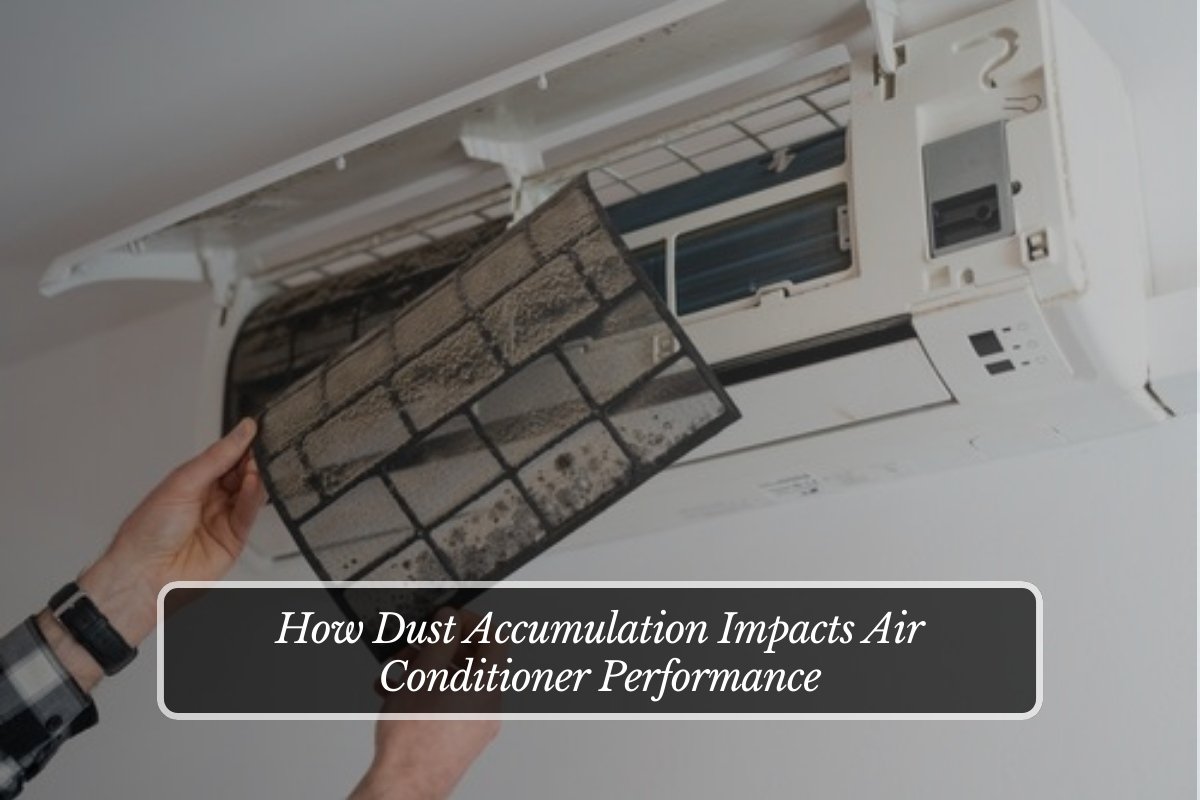
Swap filters every 1-3 months; pleated MERV 8-11 types trap dust without restricting flow. Clogged filters reduce airflow by 20-50%, forcing fans harder. Vacuum returns monthly and inspect coils annually for debris buildup.
Strategic Vent Adjustments
Open supply vents fully in occupied rooms, angling them upward or across spaces for mixing. Close 50% of basement vents in summer to push cool air upstairs; use deflectors on floor vents to avoid furniture blocks. Balance dampers in attics quarterly with a screwdriver for even distribution.
Seal Duct Leaks Promptly
Duct leaks waste 20-30% of air; seal joints with mastic or foil tape, not cloth duct tape. Insulate attics/crawlspaces with R-8 foam to prevent condensation. Pros use smoke pencils to detect leaks, boosting efficiency post-seal by 15-25%.
Leverage Ceiling Fans Effectively
Run fans counterclockwise at medium speed (120-150 RPM) to create wind-chill up to 8°F, allowing 4°F higher thermostat settings. Pair with AC for circulation; clockwise in winter redistributes heat. Install 8-9 foot high fans with 44-56″ blades for optimal rooms.
Duct Design and Zoning Solutions
Circular ducts minimize turbulence over rectangular; size per Manual D standards (e.g., 6″ for 100 CFM). Zoning with motorized dampers cools high-use areas separately, cutting runtime 10-20% in multi-story homes.
Programmable Thermostats and Scheduling
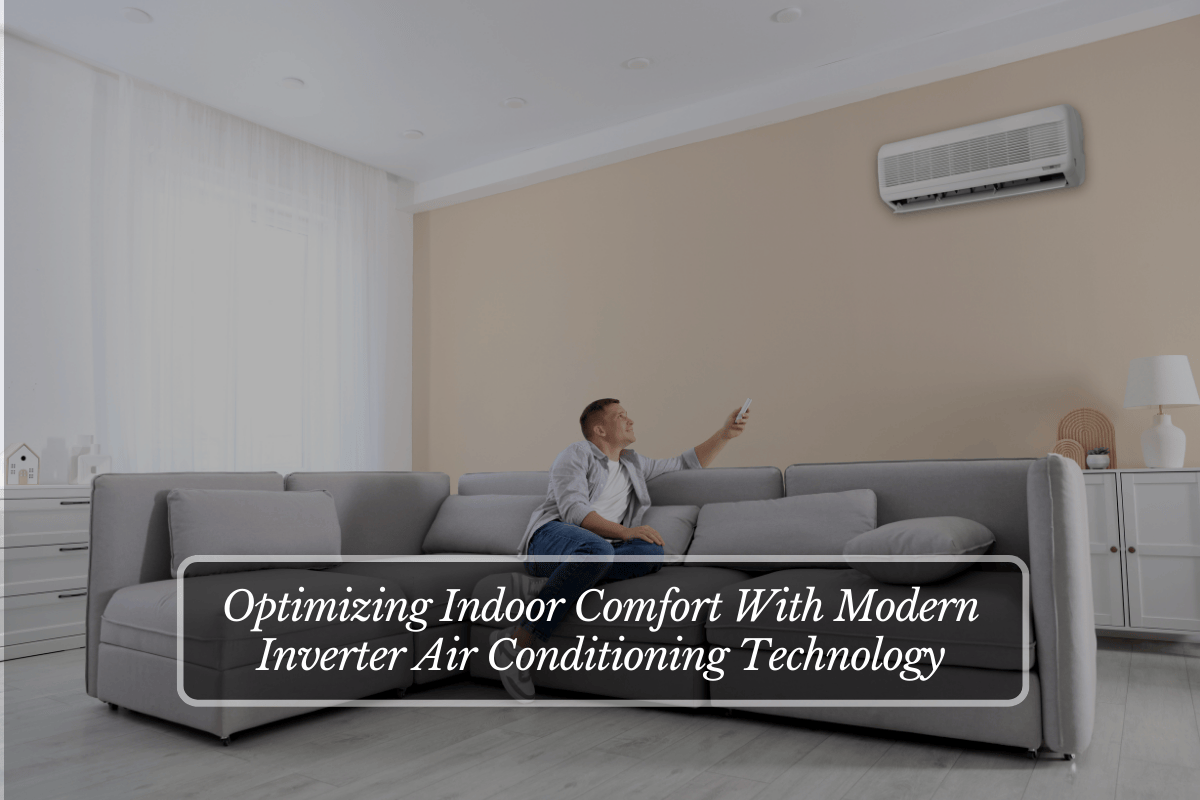
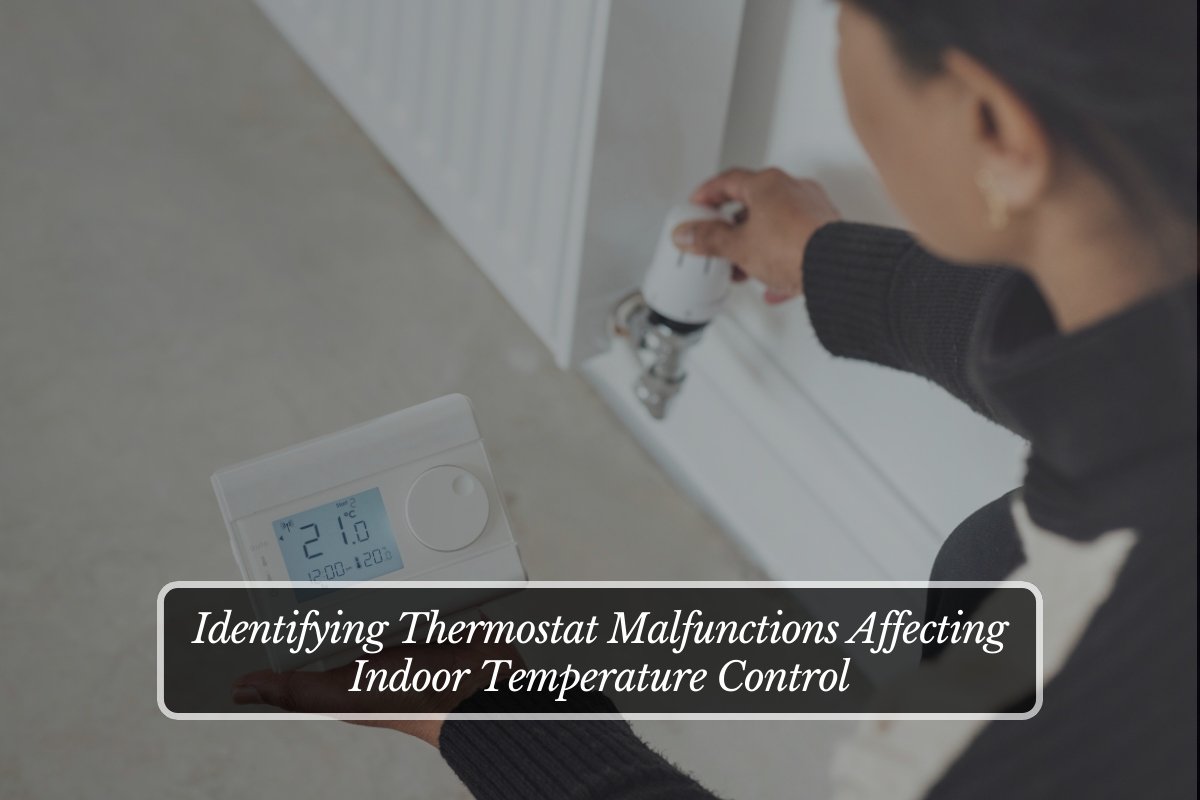
Set 78°F when home, 82-85°F away via smart models like Nest; geofencing auto-adjusts. Night setbacks save 5-15%; pair with “fan auto” to run only during cooling cycles, avoiding humidity spikes.
Supplemental Ventilation Strategies
Cross-ventilate evenings with windows open, using exhaust fans to expel heat. Attic vents (1/150 sq ft net free area) prevent loft overheating, indirectly aiding indoor cooling. Dehumidifiers in basements enhance perceived coolness.
These techniques yield cooler, drier homes with lower utility spikes, ideal for energy-conscious families.
Frequently Asked Questions
1. How often change AC filters?
Every 1-3 months; more in dusty homes for 15-20% efficiency gains.
2. Best ceiling fan direction for cooling?
Counterclockwise to push air down, enabling 4°F thermostat hikes.
3. How to balance multi-floor airflow?
Close lower vents partially, angle uppers across rooms.
4. Do duct seals really pay off?
Yes, recover 20-30% lost air, often via 1-year ROI.
5. When consider zoning systems?
Large/variable-use homes; cuts runtime 10-20%.