Extreme summer heat places significant strain on air conditioning systems. When temperatures climb above 40°C (104°F), even well-maintained units can struggle to maintain indoor comfort. However, with the right strategies, homeowners can maximize efficiency, prevent breakdowns, and reduce energy costs.
Why AC Systems Struggle in Extreme Heat
Air conditioners function by transferring indoor heat to the outside. During extreme heat:
- The temperature difference between indoors and outdoors increases
- The compressor works longer cycles
- Refrigerant pressure rises
- Energy consumption spikes
Understanding these limitations helps you optimize performance rather than overloading the system.
1. Optimize Thermostat Settings
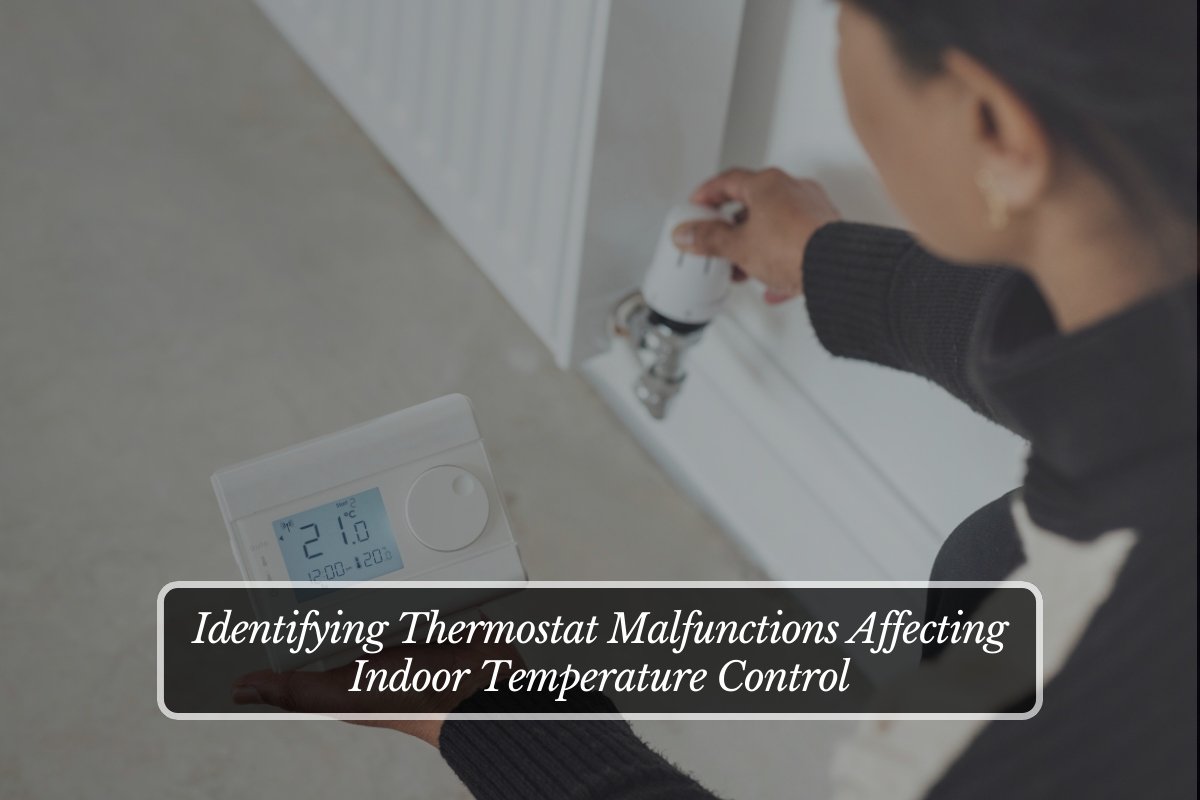
Setting your thermostat too low forces the system to run continuously.
Recommended Settings:
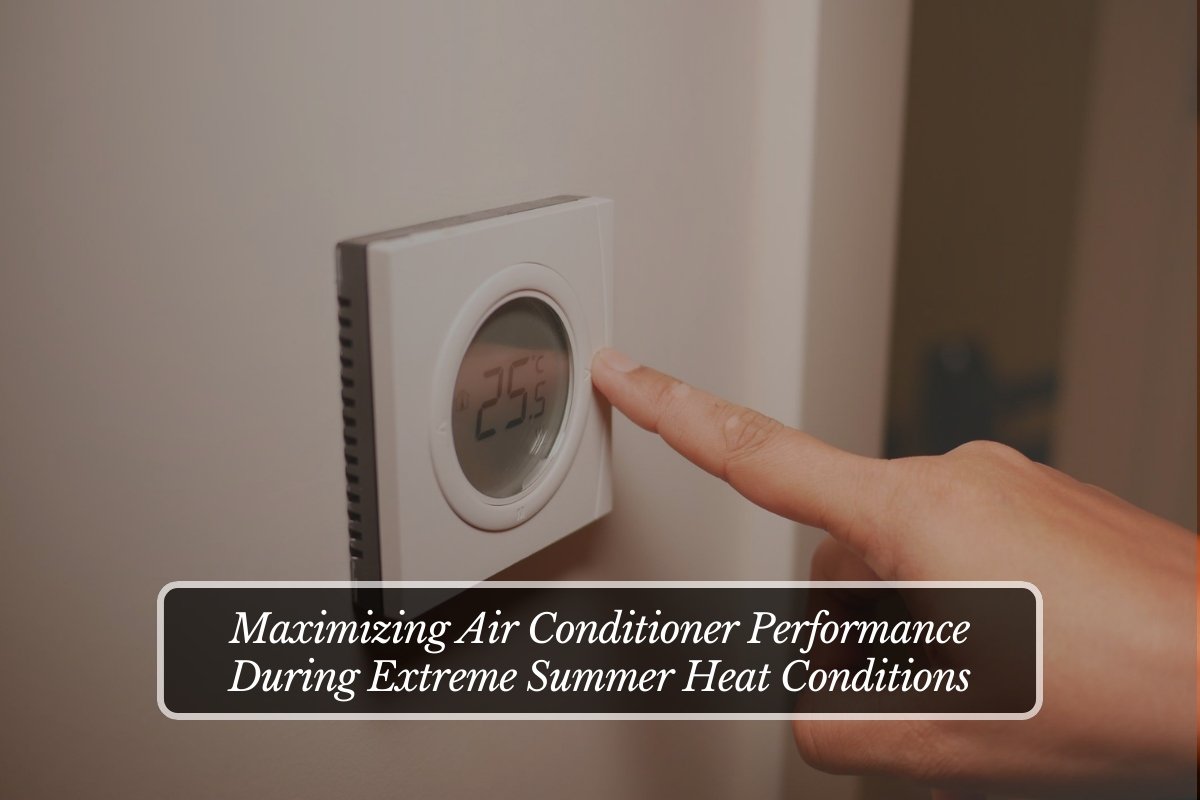
- 24–26°C (75–78°F) during occupancy
- Slightly higher when away
- Avoid setting below 22°C during heatwaves
Smart thermostats can help regulate temperature gradually and reduce unnecessary cycling.
2. Improve Airflow Efficiency
Proper airflow is critical during peak heat.
Key Actions:
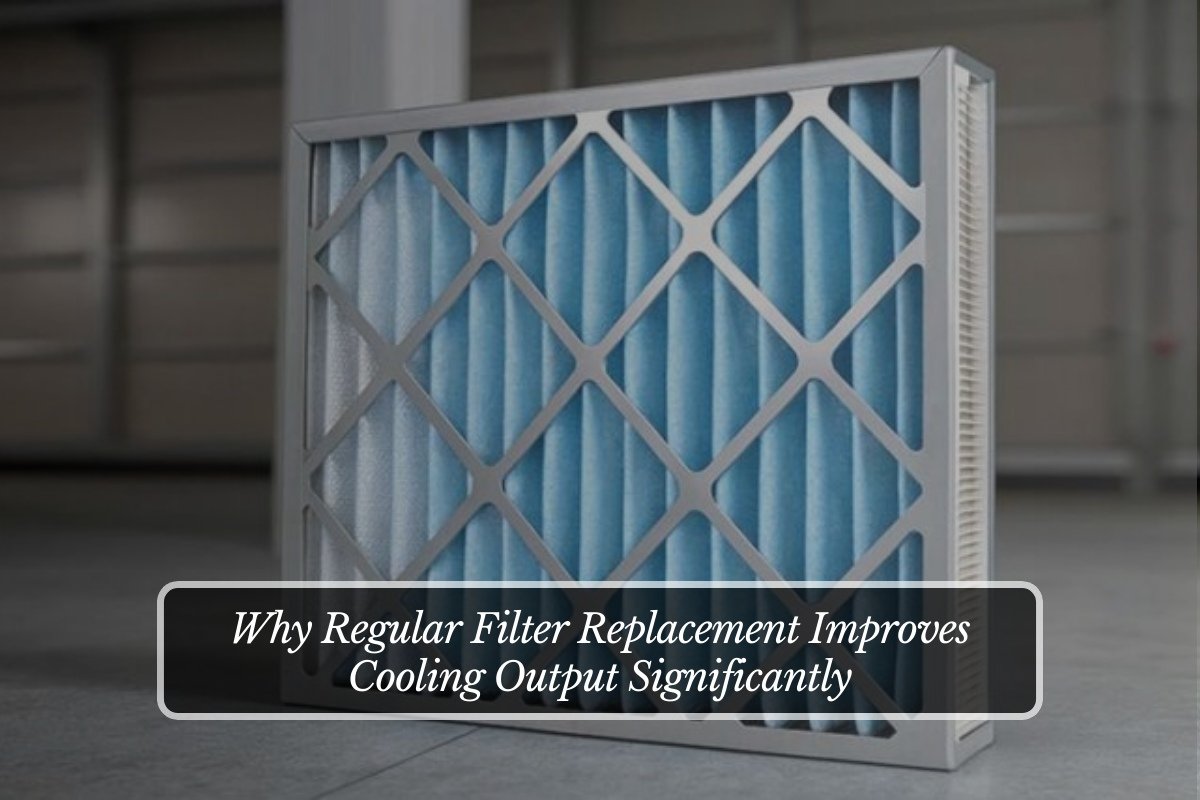
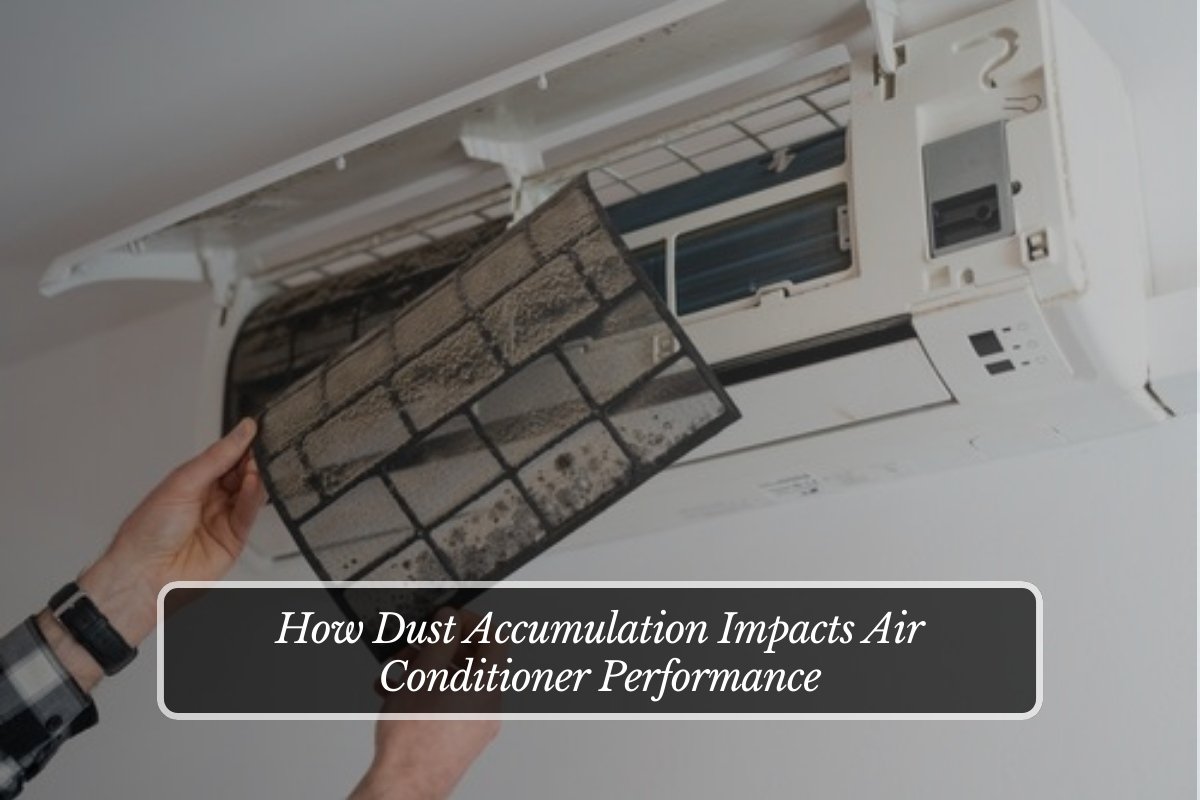
- Replace or clean filters every 30 days in summer
- Keep vents unobstructed
- Clean return air grilles
- Ensure ceiling fans rotate counterclockwise
Restricted airflow forces the system to work harder, decreasing cooling efficiency.
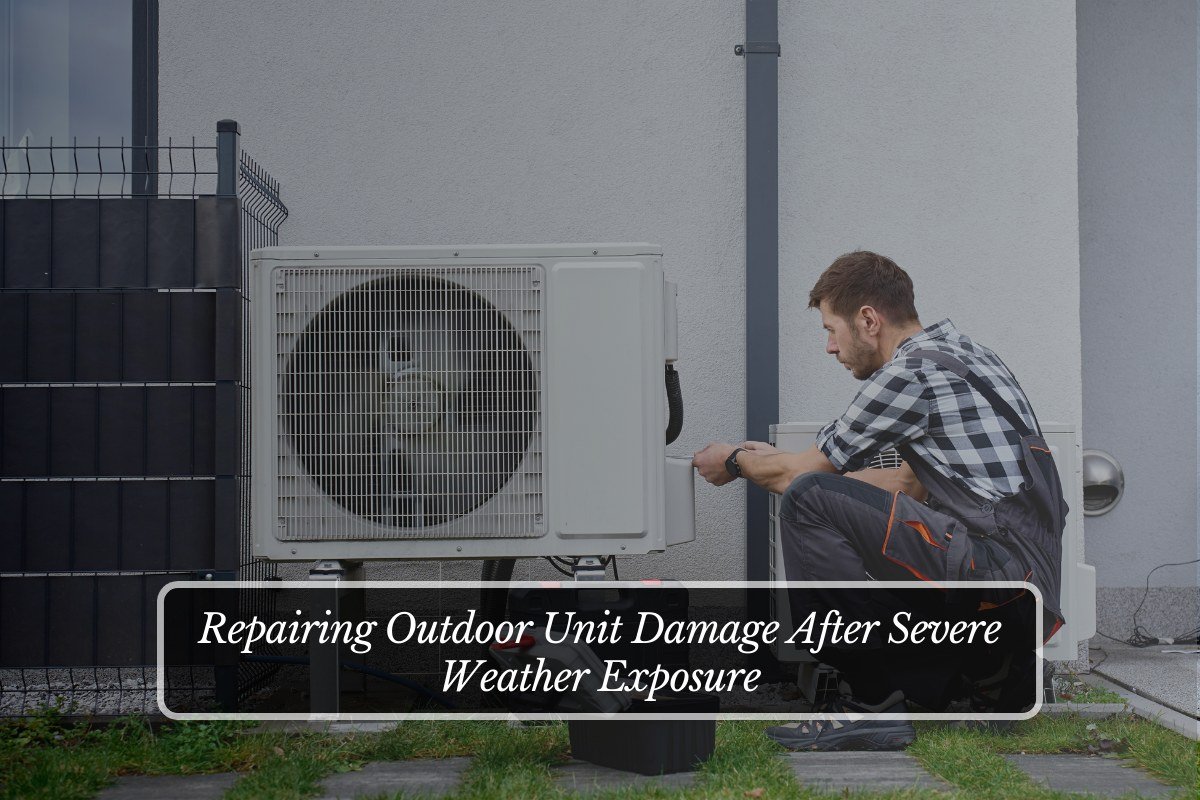
3. Maintain the Outdoor Condenser Unit
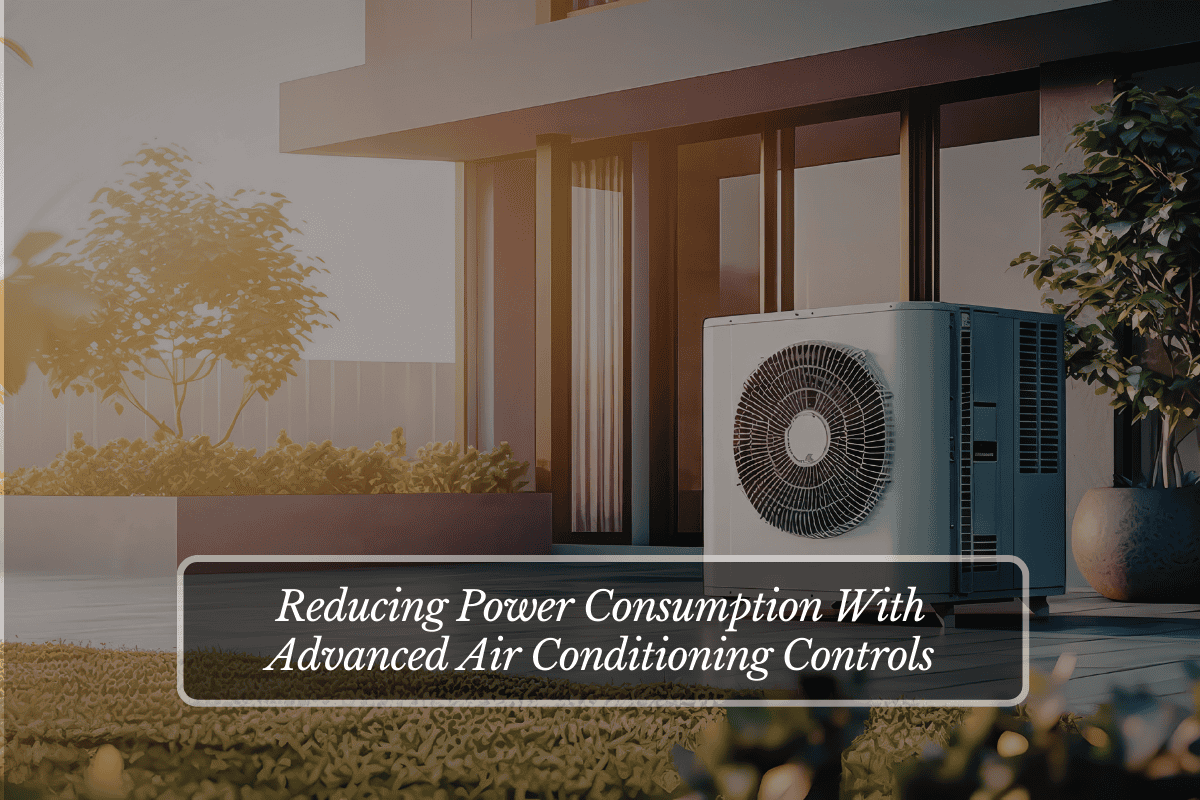
The outdoor unit releases heat from your home. In extreme heat, its efficiency becomes critical.
Maintenance Tips:
- Clear debris within a 2–3 foot radius
- Gently wash condenser coils with water
- Ensure adequate ventilation
- Provide partial shade (without blocking airflow)
A dirty condenser can reduce efficiency by up to 15–20%.
4. Seal and Insulate Your Home
Cooling efficiency is not only about the AC system — it’s about minimizing heat gain.
| Area | Improvement | Benefit |
|---|---|---|
| Windows | Reflective film or blackout curtains | Reduces solar heat gain |
| Doors | Weather stripping | Prevents air leaks |
| Attic | Proper insulation | Reduces heat transfer |
| Ductwork | Seal leaks | Improves air distribution |
Preventing hot air infiltration reduces system strain significantly.
5. Reduce Internal Heat Sources
During extreme heat, limit activities that increase indoor temperature.
- Avoid oven use during peak heat
- Switch to LED lighting
- Run appliances at night
- Close blinds during midday
Every internal heat source adds load to your cooling system.
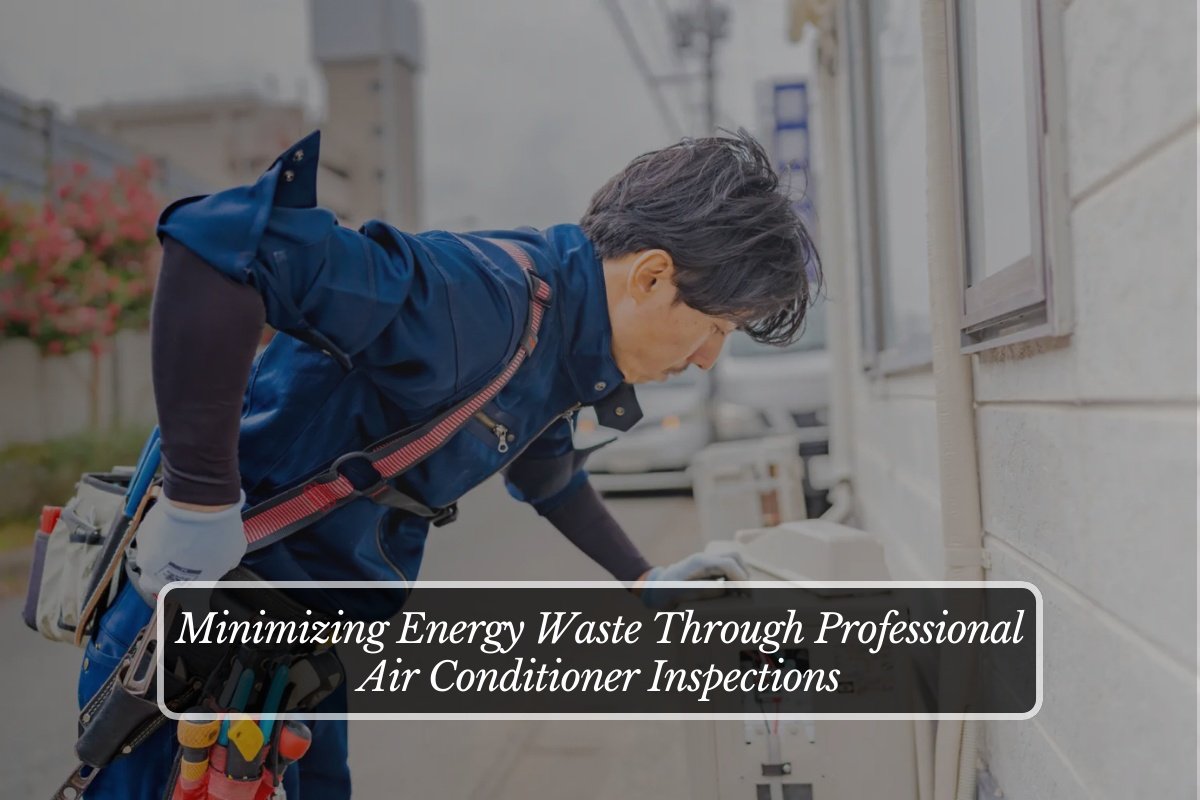
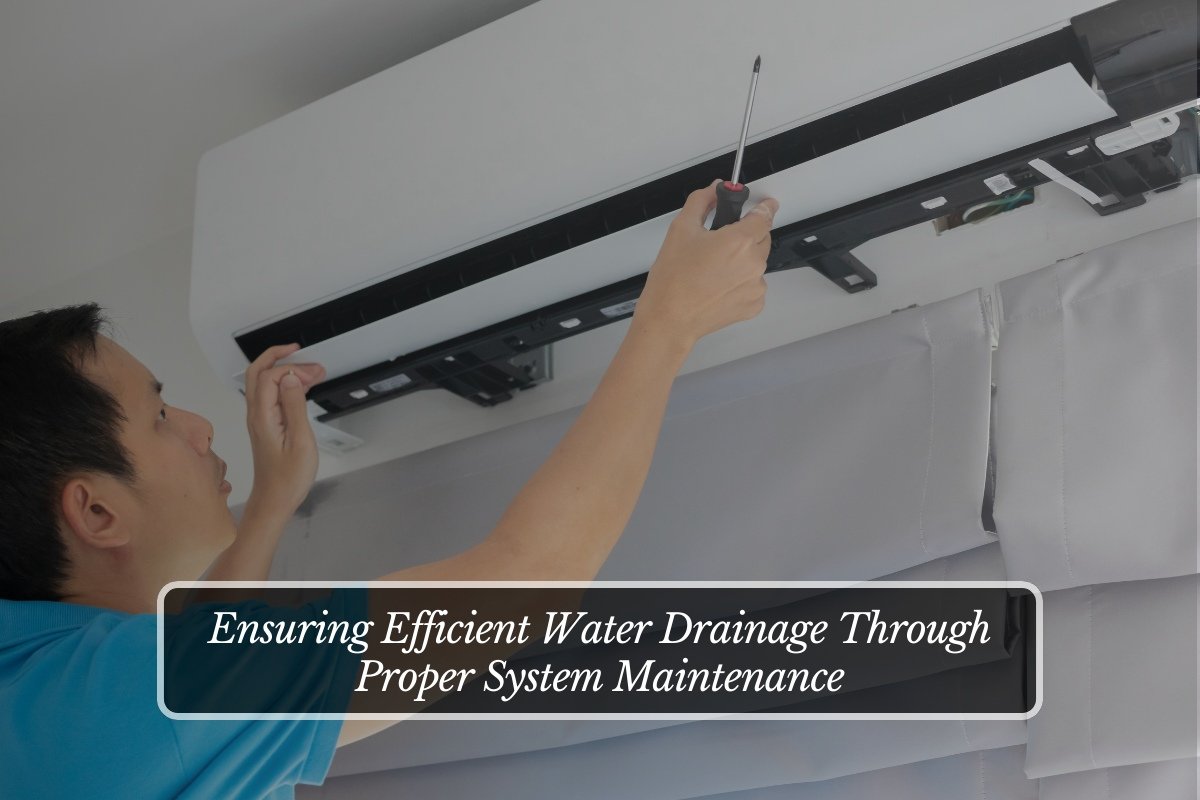
6. Schedule Preventive Maintenance
Professional servicing ensures:
- Refrigerant levels are correct
- Electrical components function safely
- Coils are clean
- Thermostat calibration is accurate
Preventive maintenance reduces the risk of compressor failure during peak summer demand.
7. Use Zoning and Smart Cooling Techniques
If available:
- Close doors to unused rooms
- Use zoning systems to cool only occupied areas
- Install programmable thermostats
- Utilize dehumidifiers (humidity increases perceived heat)
Lower humidity allows higher thermostat settings without sacrificing comfort.
8. Avoid Overworking the System
Air conditioners are designed to maintain temperature — not rapidly cool extremely overheated homes.
If your home overheats:
- Lower temperature gradually
- Avoid frequent thermostat adjustments
- Allow system recovery periods
Continuous overexertion shortens compressor lifespan.
Warning Signs of Overload
- Warm air blowing from vents
- Frequent cycling
- Ice buildup on coils
- Unusual noises
- Sudden energy bill spikes
Addressing issues early prevents costly breakdowns.
FAQs
Q. What is the best thermostat setting during extreme heat?
24–26°C (75–78°F) balances comfort and efficiency during peak summer conditions.
Q. How often should AC filters be changed in summer?
Every 30 days during heavy usage periods.
Q. Does shading the outdoor unit help?
Yes, partial shading can improve efficiency if airflow remains unobstructed.
Q. Why does my AC struggle during heatwaves?
Extreme outdoor temperatures reduce heat transfer efficiency and increase system workload.