Improving indoor comfort while cutting air conditioning energy use is achievable through smart upgrades, habits, and designs tailored to US homes. These strategies enhance efficiency without sacrificing coolness, potentially slashing cooling bills by 20-50% in hot regions like the Southwest.
High-Efficiency HVAC Systems
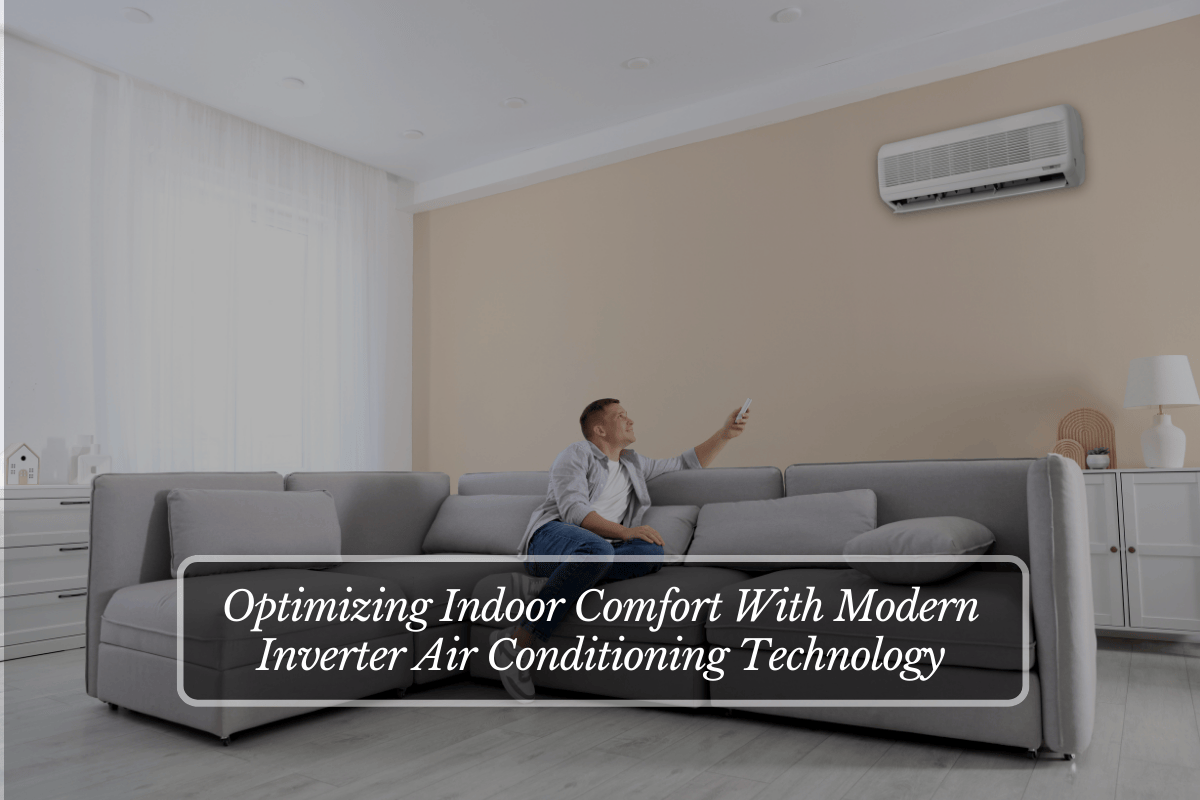
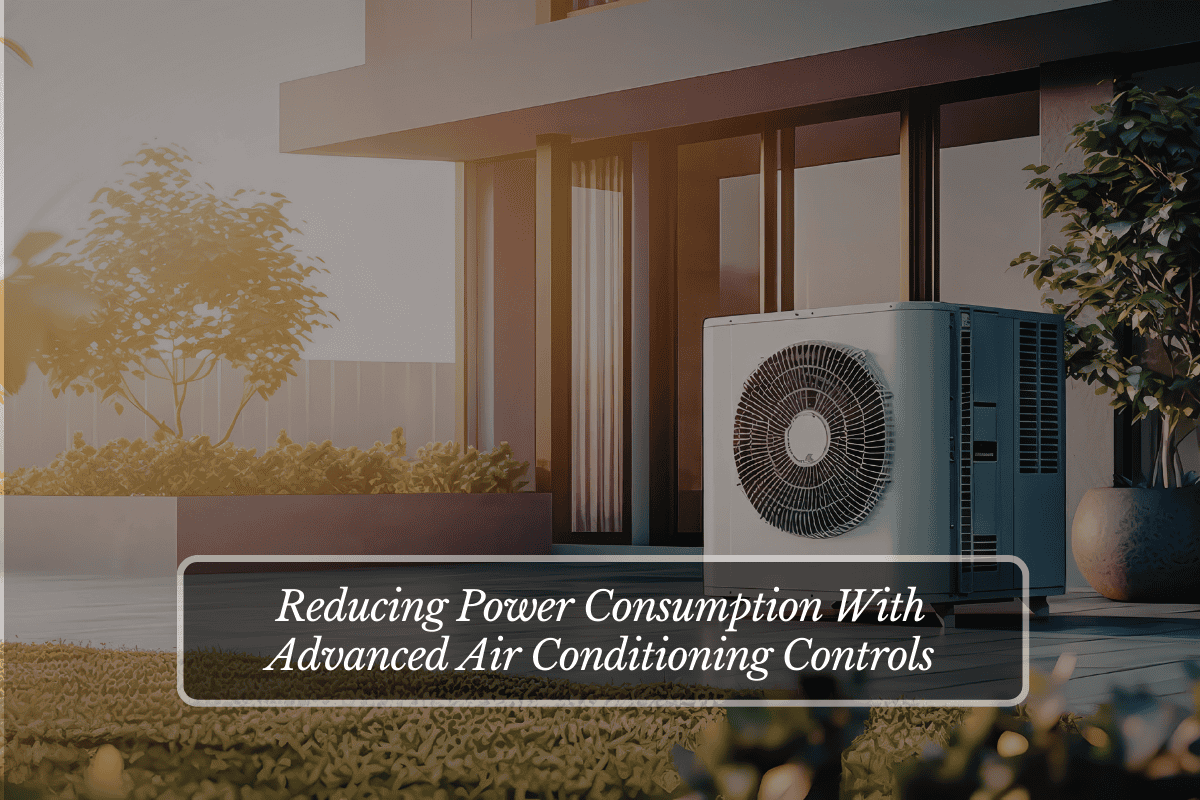
Heat pumps top the list for dual heating-cooling efficiency, especially in moderate climates from California to the Northeast. Models with SEER ratings above 20 (up to 28 available) use inverter technology for variable speeds, running longer at lower power to maintain steady temps—saving 30-40% over standard units. Ductless mini-splits suit additions or older homes without ducts, zoning rooms individually; wall-mounted units deliver targeted cooling with 25+ SEER, ideal for humid Florida summers.
Forced-air retrofits pair AC coils with existing furnaces, hitting 98% AFUE when optimized—perfect for Midwest upgrades.
Smart Thermostats and Controls
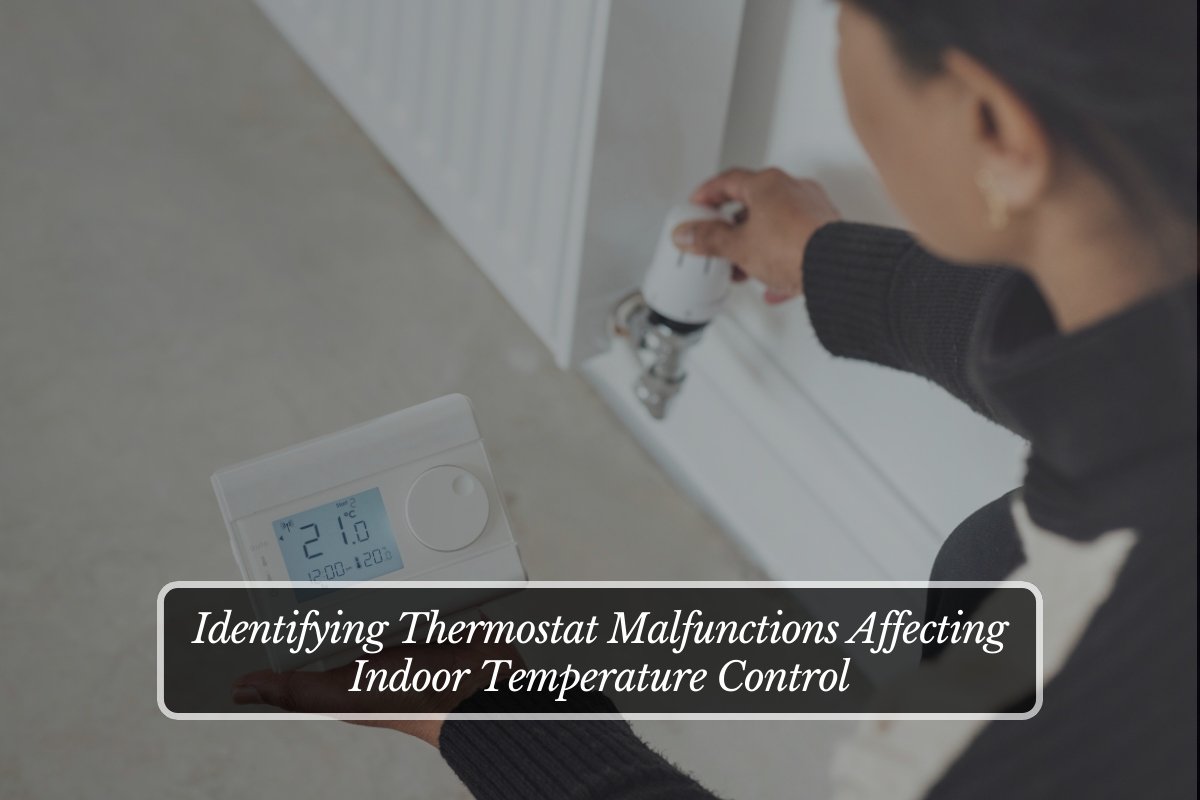
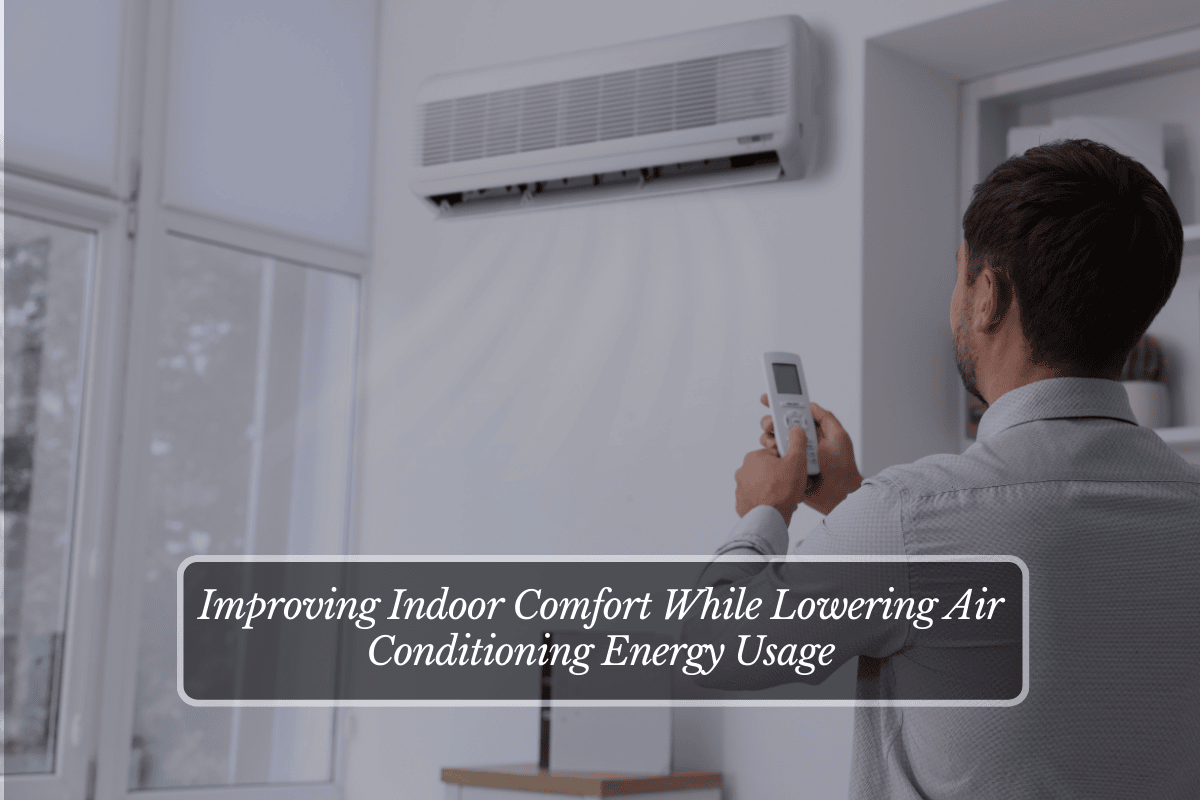
Programmable or Wi-Fi thermostats like Nest or Ecobee learn routines, auto-adjusting by 7-10°F during absences or sleep for 10-15% savings. Geofencing detects arrivals, pre-cooling efficiently; pair with ENERGY STAR fans for circulation, reducing AC runtime by 20%. Ceiling fans on medium push air downward in summer, allowing 4°F higher settings without discomfort.
Insulation and Air Sealing
Seal gaps around windows, doors, and ducts with caulk or foam—leaks waste 20-30% of cooled air. Add R-30 attic insulation and low-E window films to block solar gain, keeping interiors 10-15°F cooler passively. In Texas heat, radiant barriers under roofs reflect 97% of heat, cutting AC loads dramatically.
Shading and Ventilation Strategies
Exterior shades, awnings, or deciduous trees shade south/west walls, reducing solar heat gain by 30-50%. Plant vines on trellises for natural cooling. Open windows at night with whole-house fans to flush hot air, then seal up by morning—effective in dry Southwest climates.
Dehumidification and Maintenance
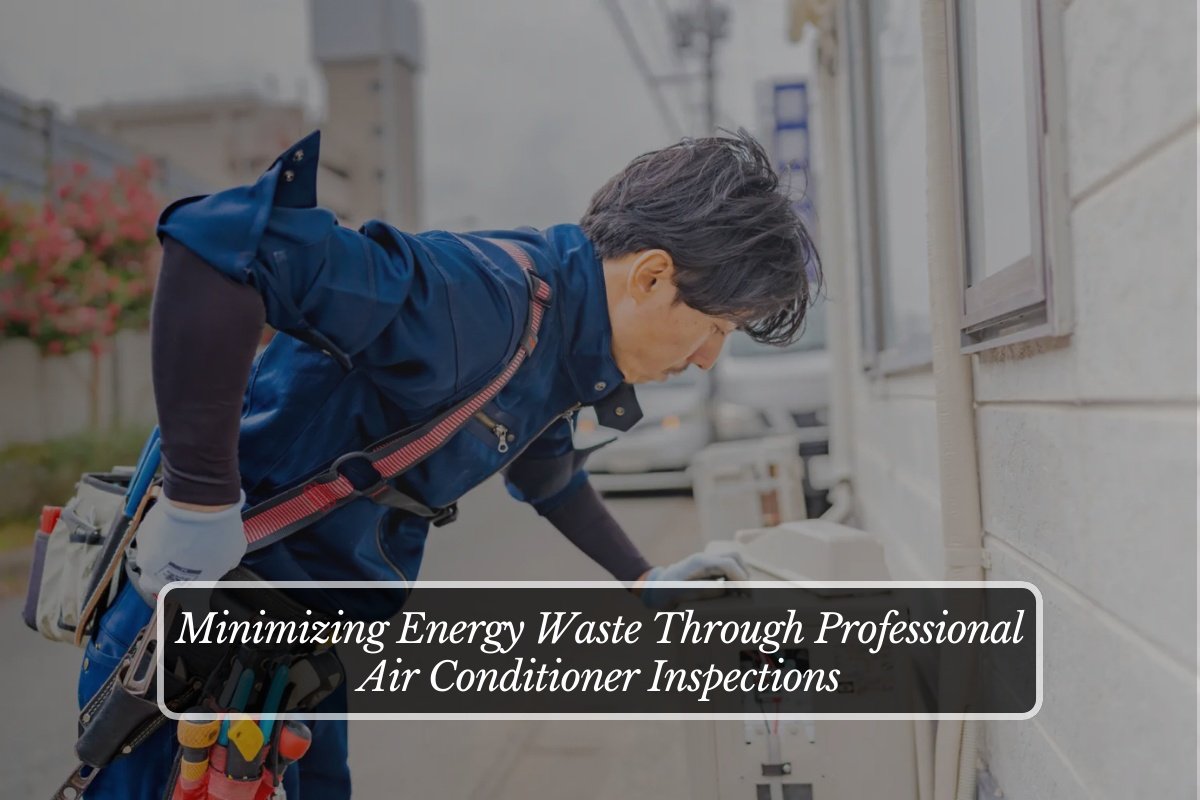
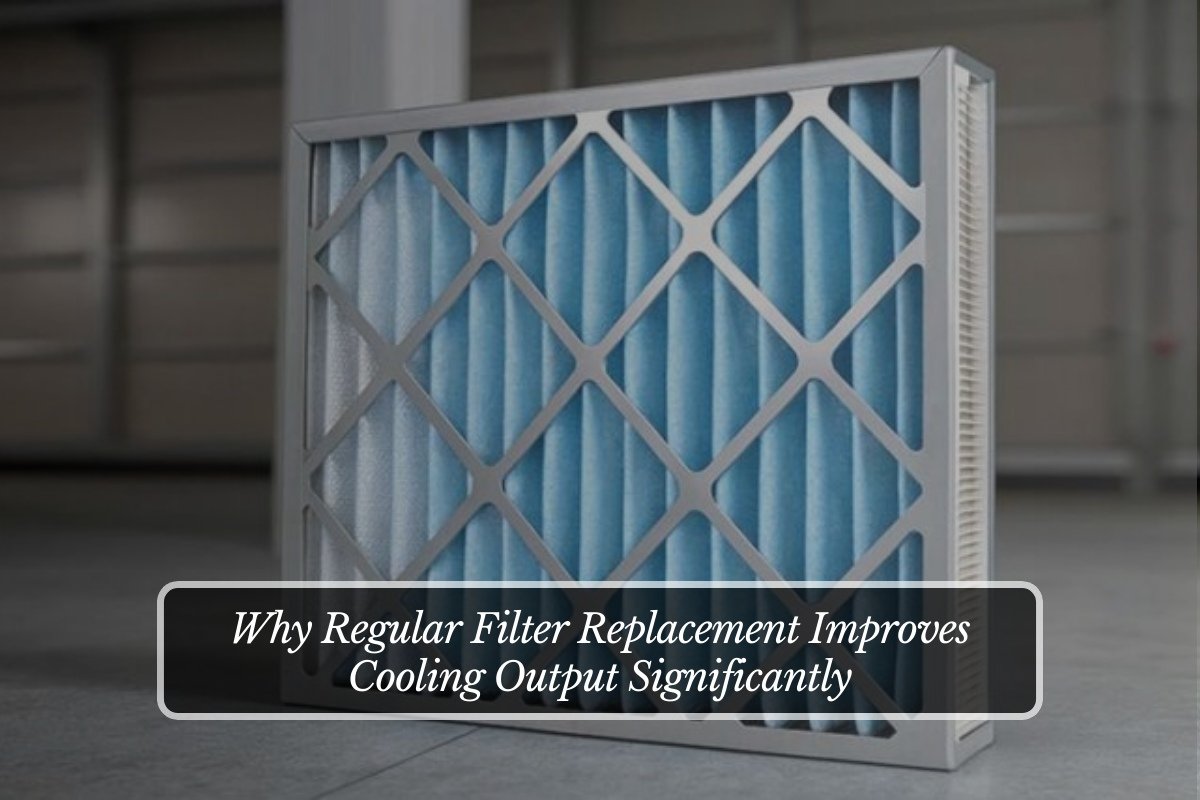
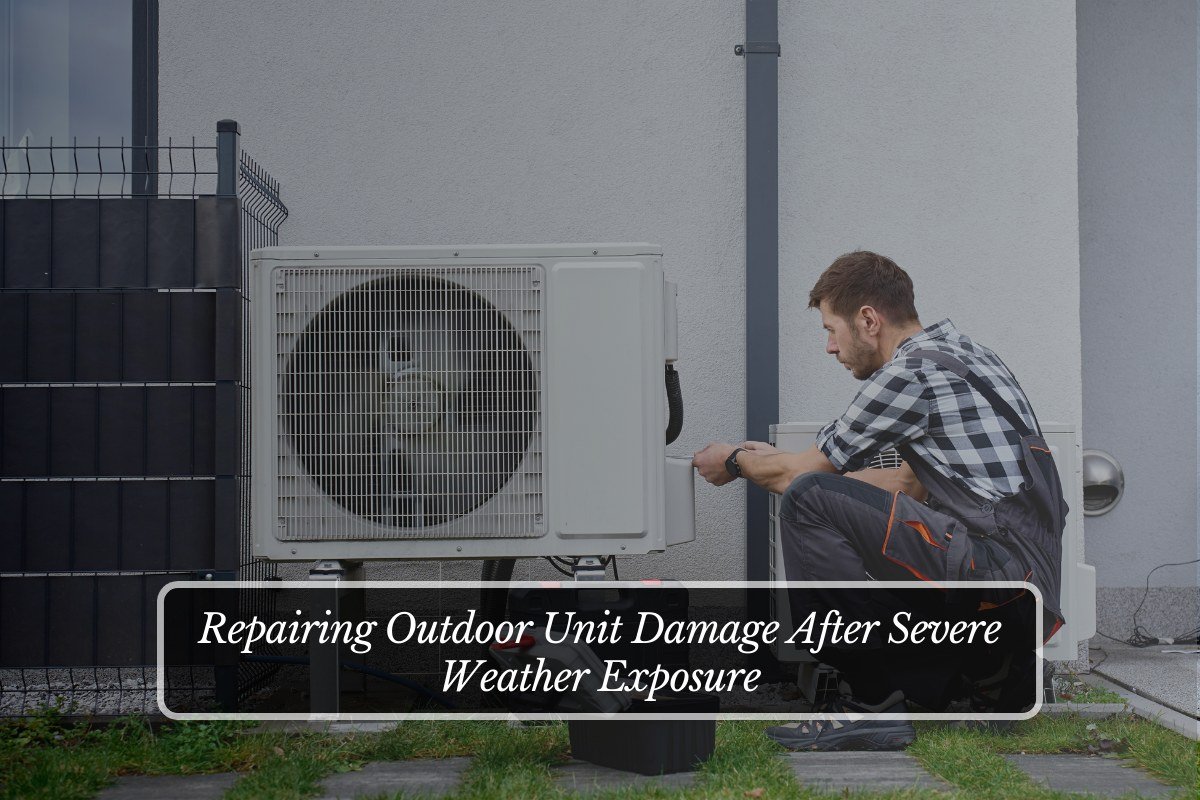
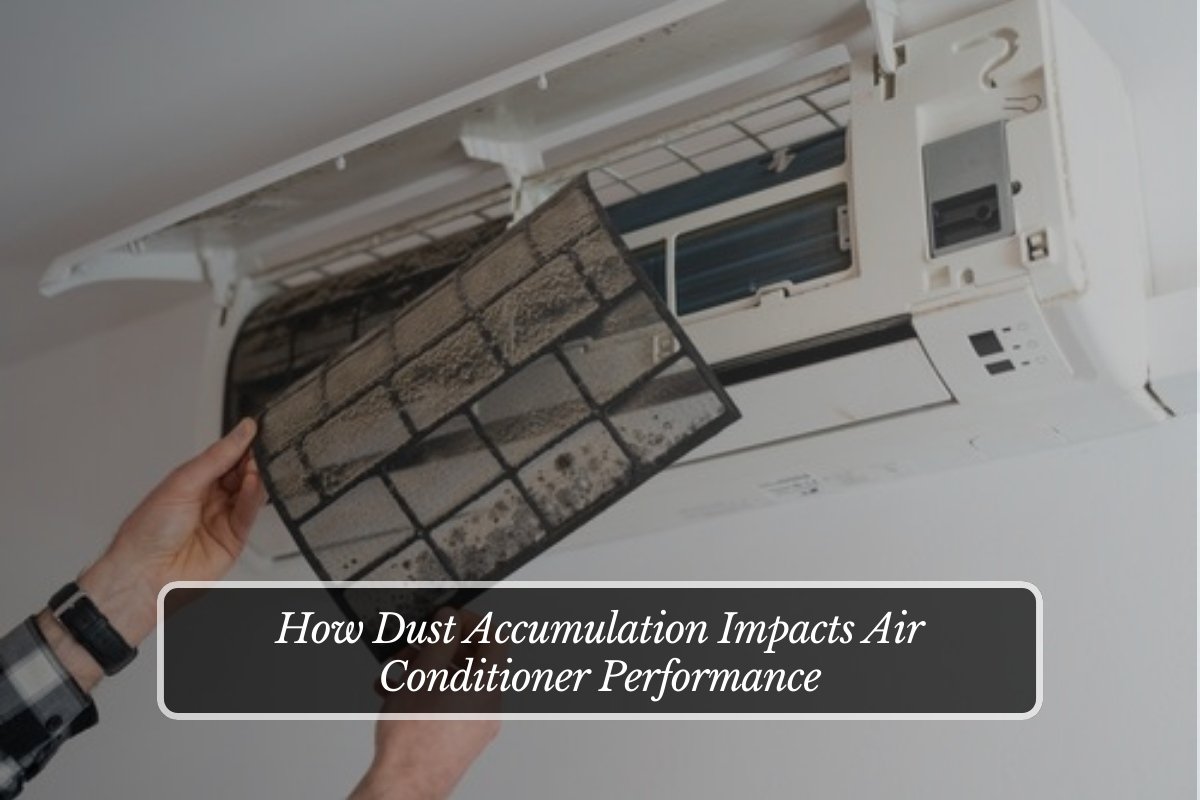
Dedicated dehumidifiers or ACs with variable-speed compressors remove moisture efficiently, allowing higher temps while feeling cooler—set to 50% RH. Annual tune-ups clean coils and check refrigerant; dirty filters spike use 15%. High-velocity mini-ducts minimize leaks, cooling faster with less energy.
Behavioral and Low-Cost Tweaks
Run appliances at night, use LED bulbs (75% less heat), and close blinds midday. ENERGY STAR room ACs with variable compressors outperform windows units by 40%, fitting apartments or zones. Ceiling insulation in attics and weatherstripping doors yield quick ROI under $500.
Long-Term Incentives
Federal tax credits via 2025 IRA cover 30% on heat pumps/SEER 20+ units, plus rebates in states like California (up to $8K). Pair with solar PV for net-zero cooling—Trump-era incentives sustain momentum.
These layered approaches create oasis-like comfort at fraction of costs.
FAQs
Q. Best AC efficiency metric?
SEER 20+ for central; mini-splits hit 25-30 SEER zoned.
Q. Do heat pumps work everywhere?
Yes, cold-climate inverters suit Northeast; save 40% vs. traditional AC.
Q. Impact of smart thermostats?
10-15% savings via auto-scheduling and learning.
Q. Quickest energy saver?
Seal leaks/insulate attic—20-30% immediate reduction.
Q. Rebates available?
30% federal credits on efficient upgrades, state bonuses.