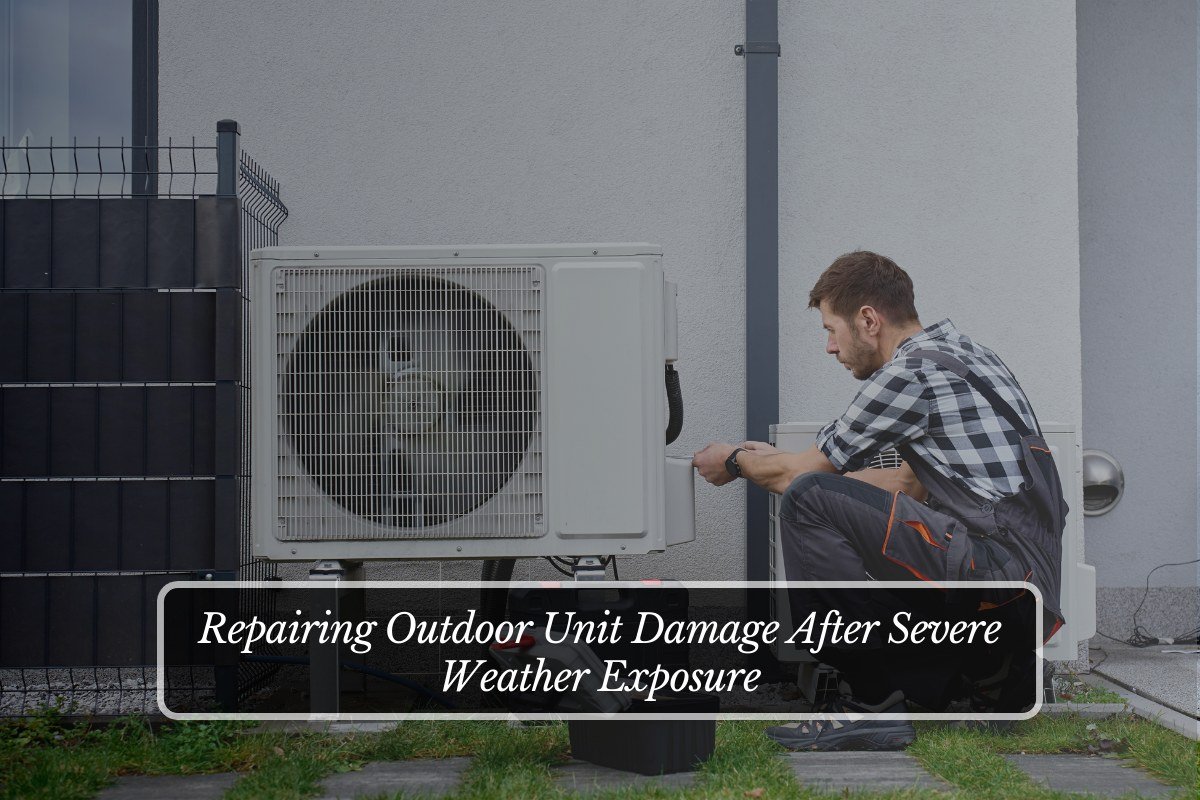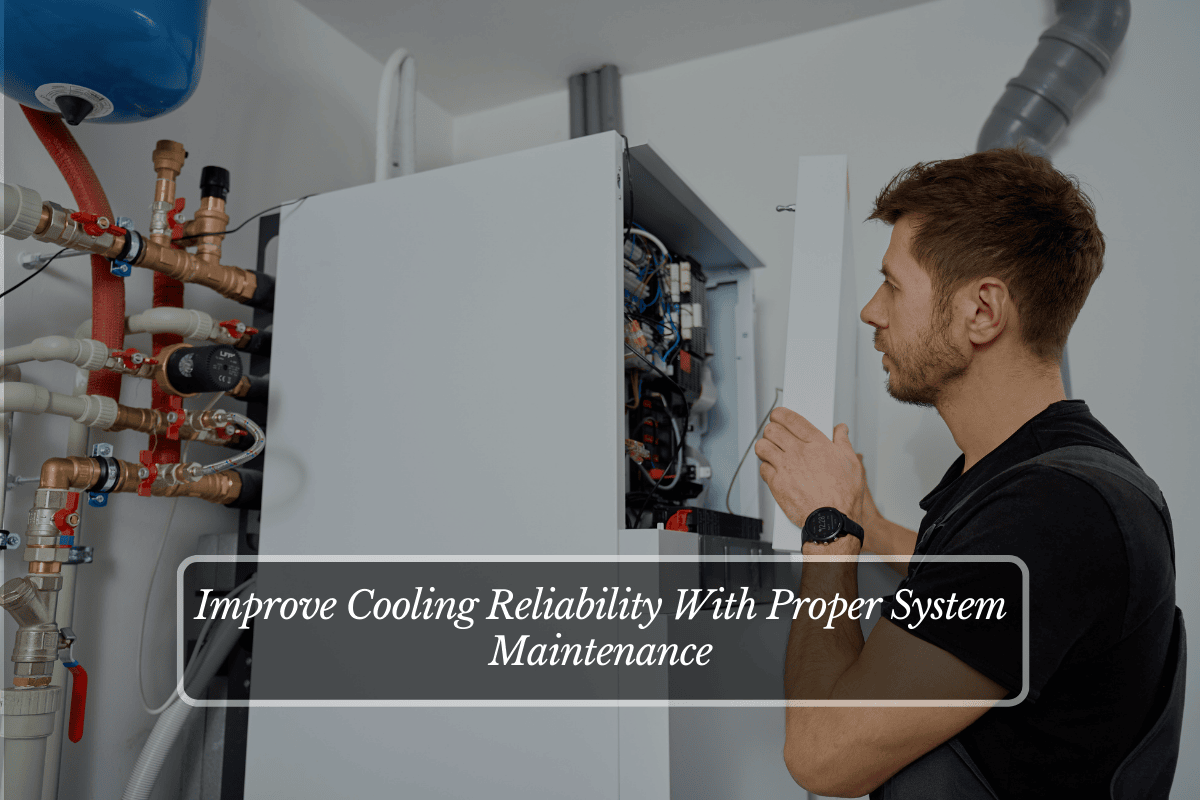
Proper AC system maintenance enhances cooling reliability, preventing 80-90% of summer breakdowns and extending unit life by 5-10 years. In the US, where systems cycle 1,000-2,000 hours annually across diverse climates from humid Southeast to arid Southwest, routine care cuts repair calls by 75% while saving $150-300 yearly on energy.
Essential Spring/Summer Checklist
Start pre-season with these pro-level steps, ideally by NATE-certified techs twice yearly.
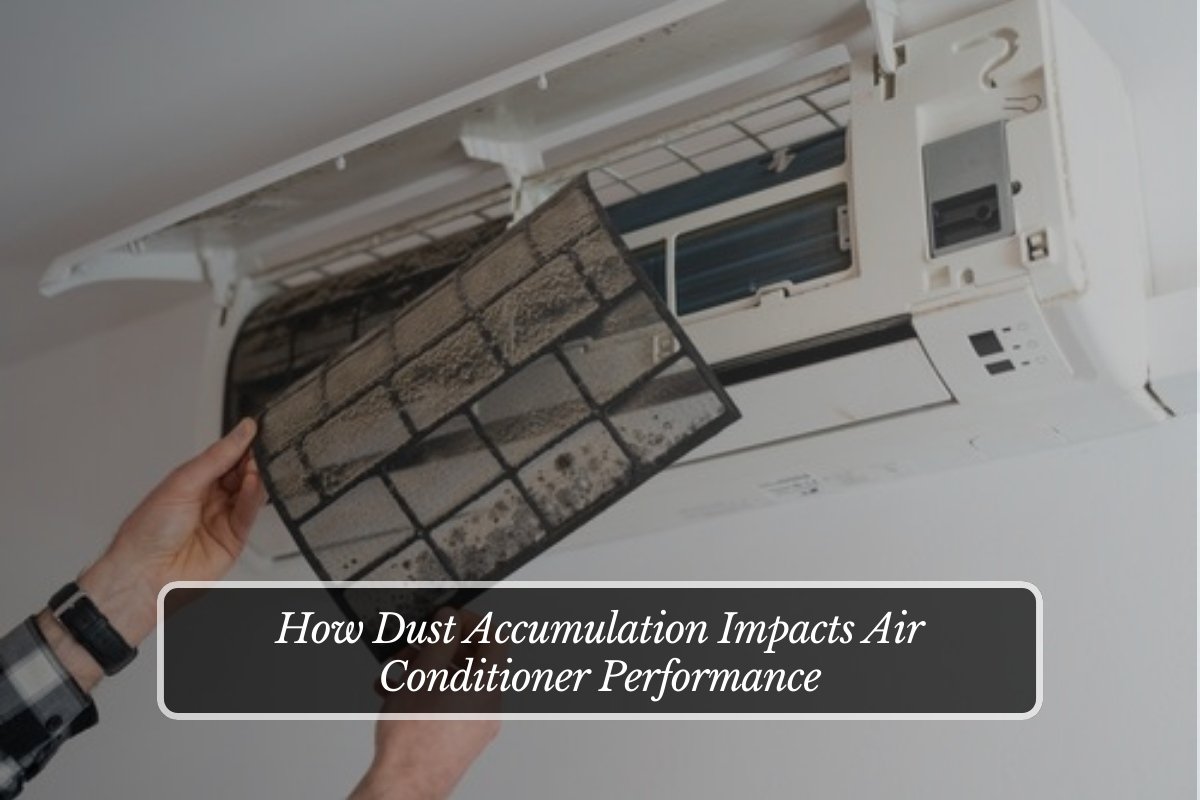
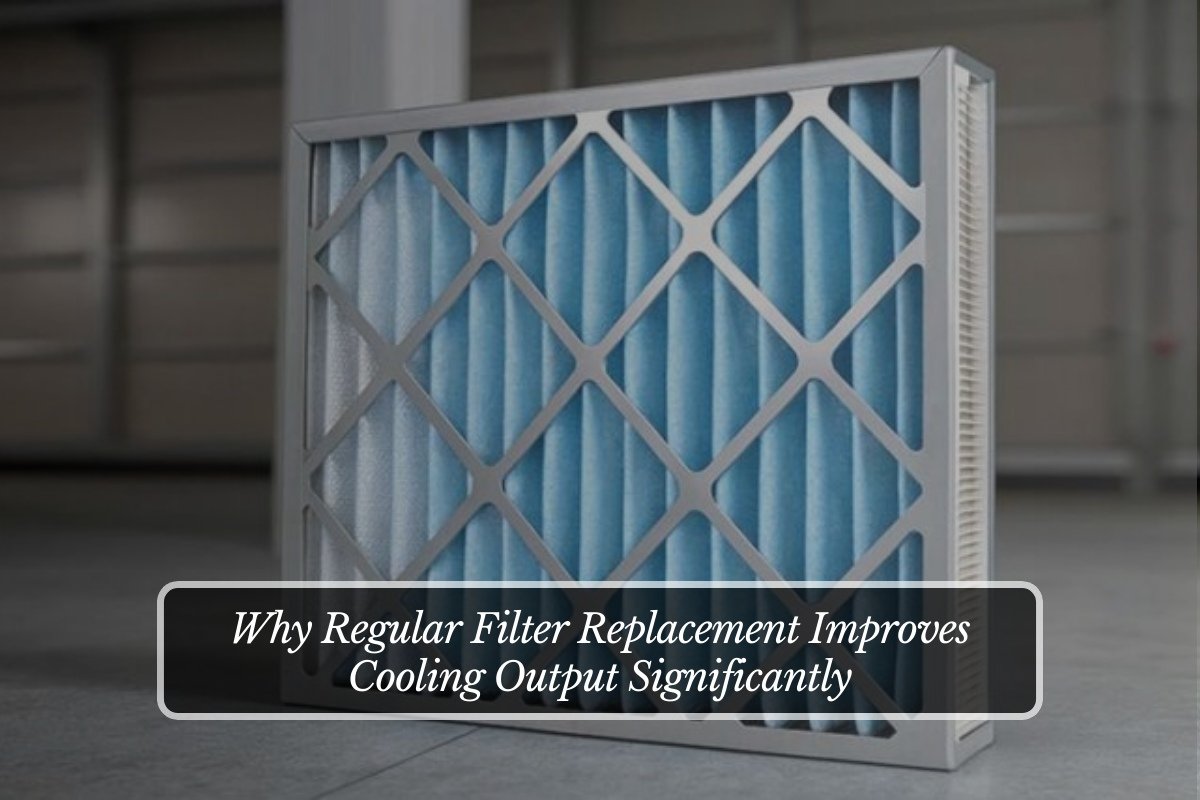
- Air Filters: Replace every 30-90 days with MERV 8-13 pleated types—dirty ones restrict airflow 25%, forcing overwork. Vacuum reusable foam filters monthly.
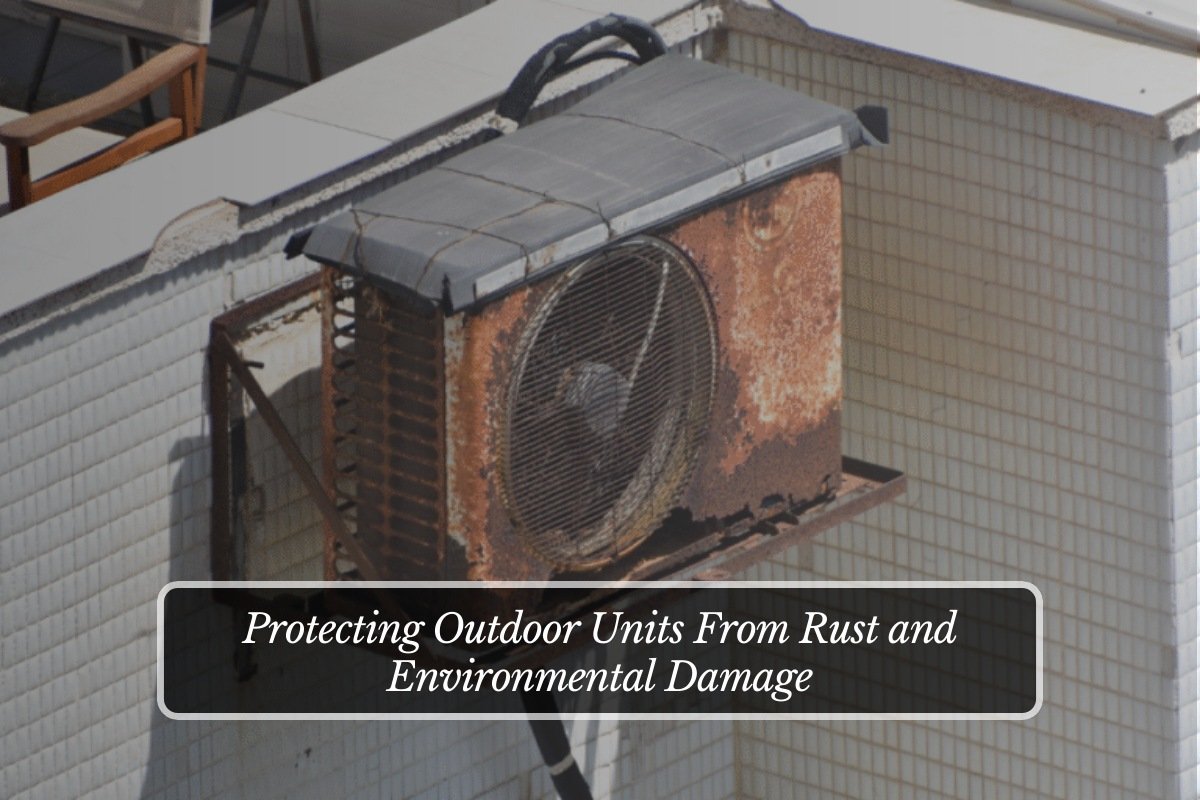
- Coils Cleaning: Evaporator (indoor) and condenser (outdoor) coils shed efficiency 20-30% when fouled. Use no-rinse foam cleaner; straighten bent fins with comb. Pros use acidic solutions safely.
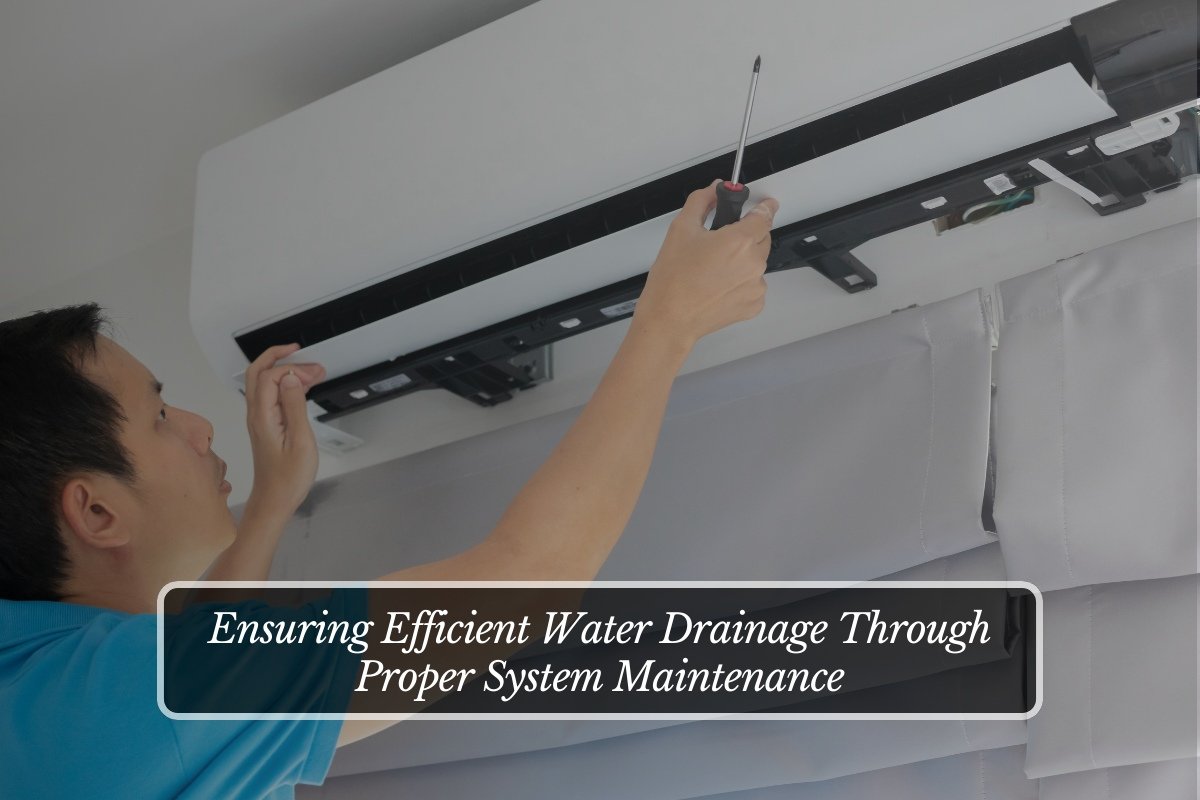
- Drain Lines: Flush condensate lines with 1:10 bleach-water mix quarterly—clogs cause water damage in 40% of failures. Empty pans; install cleanout tees.
- Refrigerant Check: Verify charge (R-410A superheat/subcooling); leaks drop cooling 15%. EPA Section 608 techs handle recovery/repair.
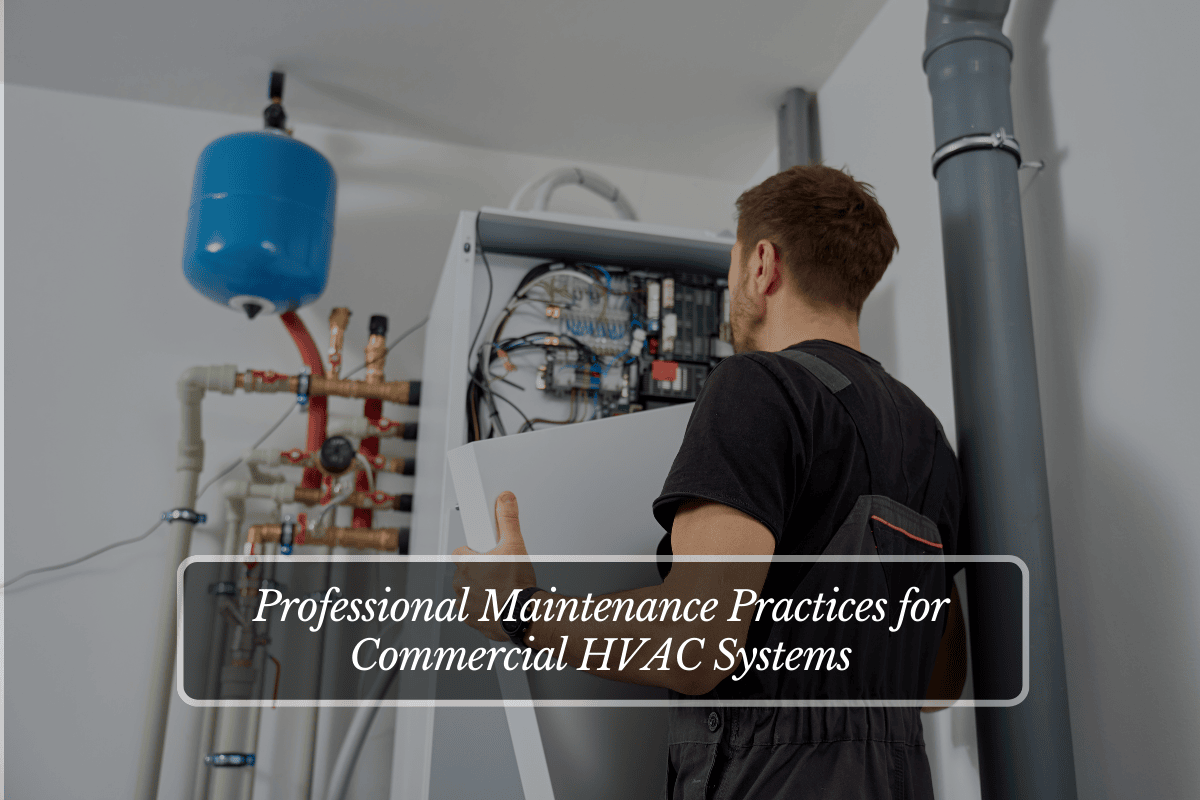
- Electrical Inspection: Tighten terminals, coat connections (NO-OX-ID), measure voltage/amperage. Loose wires cause 30% compressor failures.
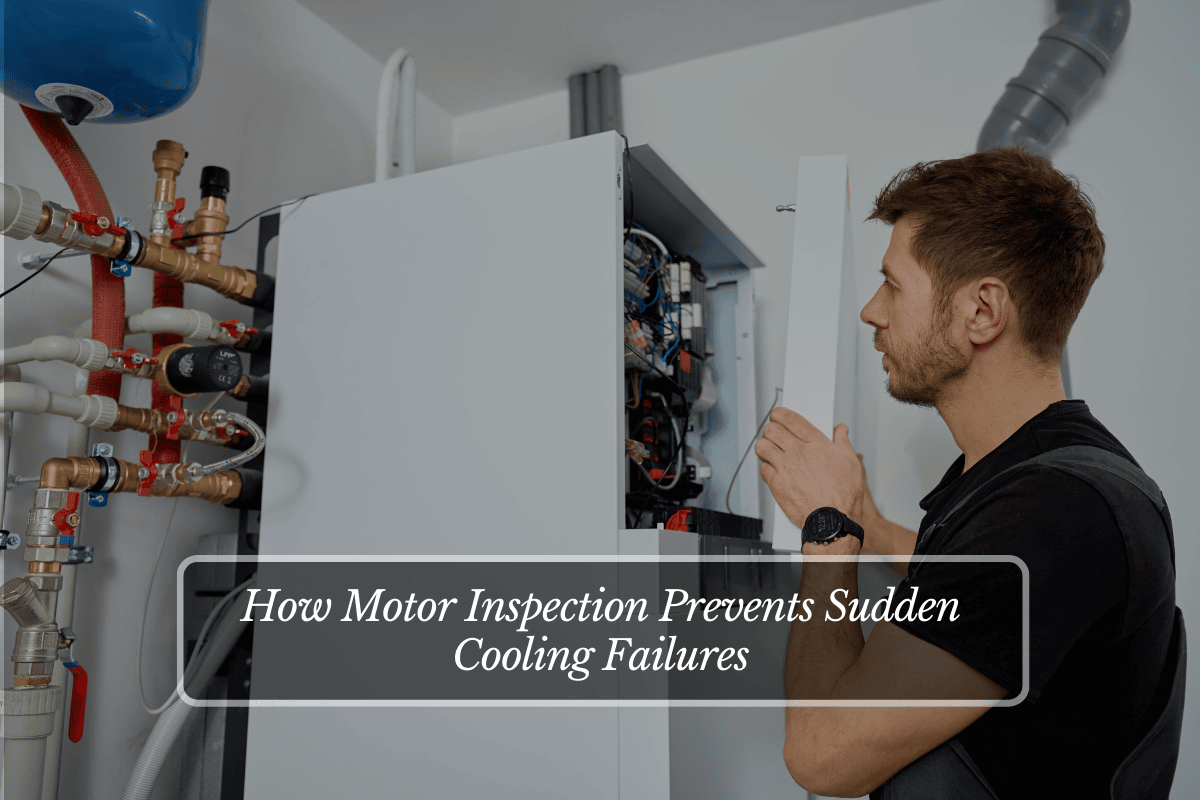
- Belts and Motors: Lubricate fan/blower bearings; tension belts (1/2″ deflection). Replace cracked V-belts preemptively.
Fall/Winter Prep for Reliability
- Heat Exchanger/Elements: Inspect for cracks (CO risk); clean burners. Flue/vent checks prevent blockages.
- Blower and Fans: Clean blades; balance wheels. Test capacitors—weak ones overheat motors 50% faster.
- Ductwork: Seal leaks (mastic > tape); insulate unconditioned spaces (R-8 min). Aeroseal for inaccessible joints.
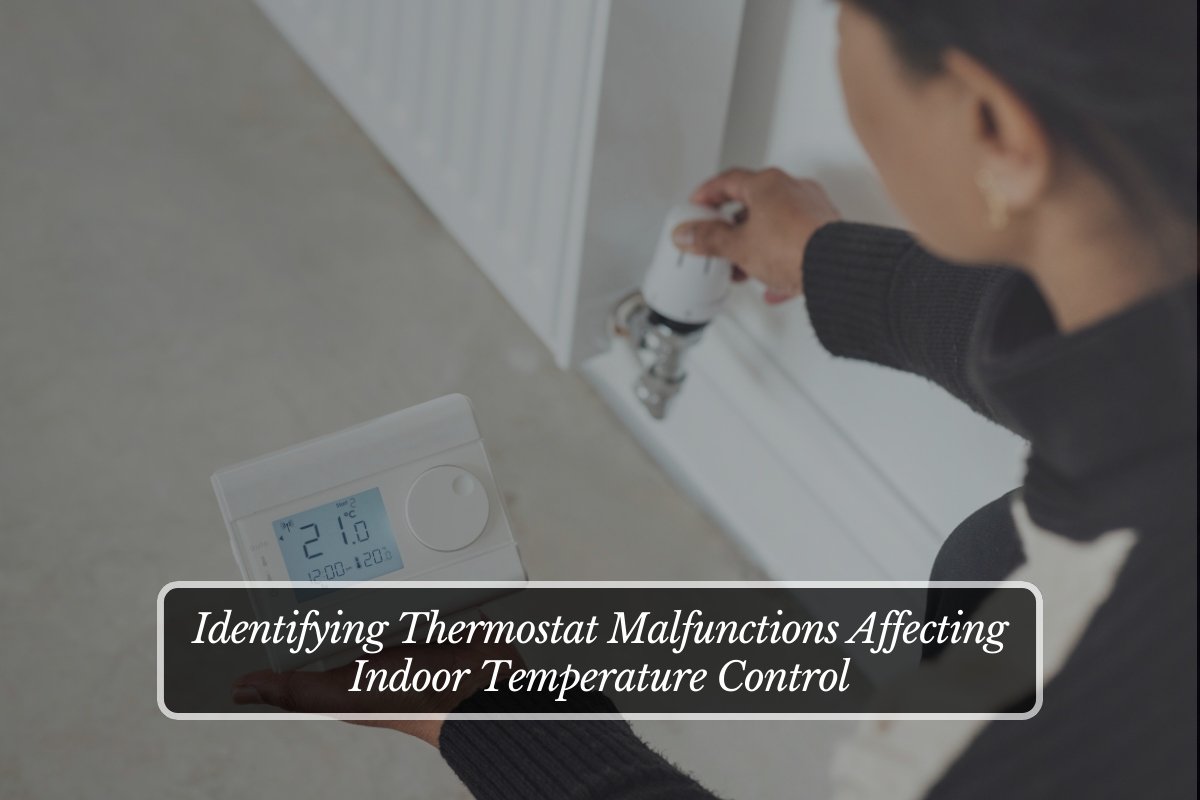
- Thermostat Calibration: Verify accuracy (±2°F); upgrade to smart models with humidity sensing for 10% gains.
DIY Maintenance for Homeowners
- Monthly: Vacuum registers/grills; clear outdoor unit (12″ clearance). Test thermostat response.
- Quarterly: Wash evaporator with coil cleaner; check drain pan. Log runtime—cycles >20/min signal issues.
- Tools Needed: Fin comb ($10), wet vac, manometer ($50), multimeter. Apps like CoolCalc track metrics.
Pro Service Benchmarks
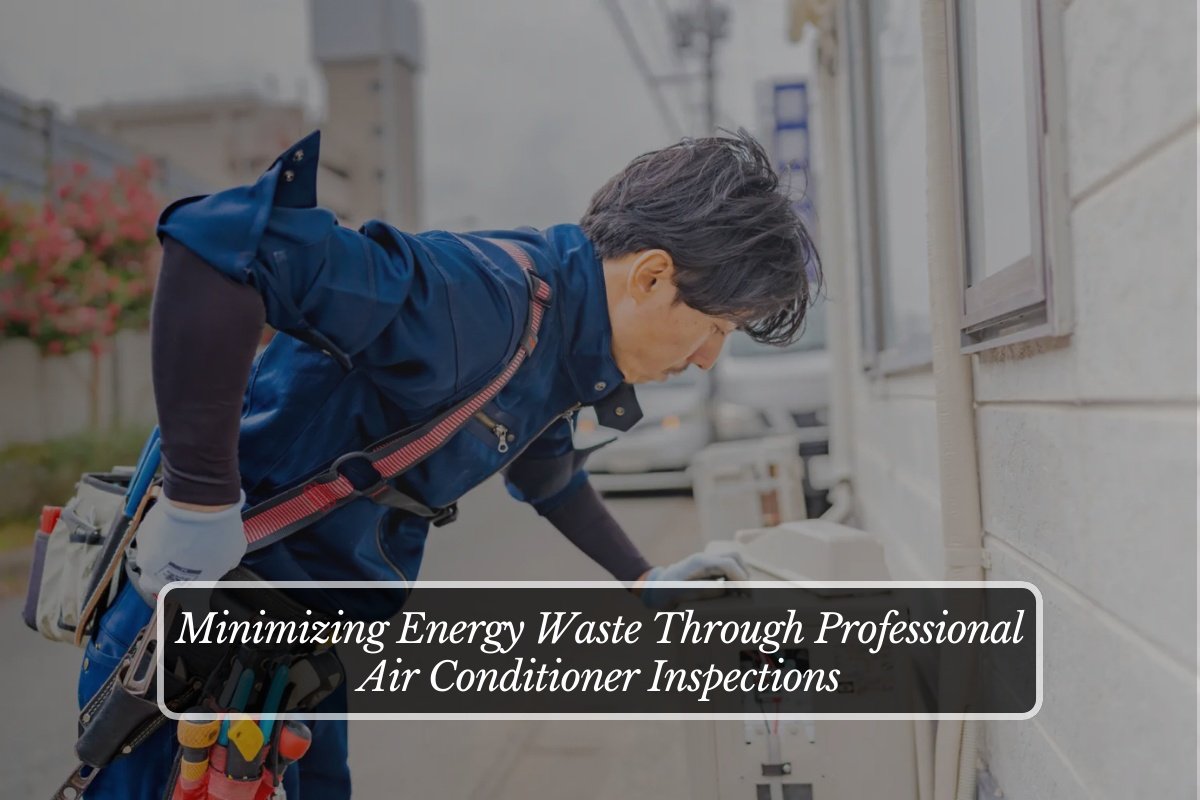
Expect 21-point inspections: static pressure (0.5″ WC), airflow (400 CFM/ton), temp split (18-22°F). Blower door tests (<3 ACH50) quantify leaks. Post-service static efficiency reports (SEER2 ratings) verify gains.
Regional tweaks: Humid areas prioritize drains/dehumidification; dusty Southwest stresses filters/coils.
Advanced Reliability Boosts
- Variable-Speed Techs: ECM motors self-adjust; check diagnostics via service ports.
- UV Lights: Kill mold in coils (80% efficacy); annual bulb swaps.
- Surge Protectors: Shield electronics ($200 investment prevents $5K failures).
- Ductless Mini-Splits: Annual filter/coil cleans; check line sets.
Monitoring and Early Warning
Smart hubs (Emerson Sensi) alert filter life; vibration sensors detect imbalances. Annual energy audits (free via utilities) pinpoint waste. Runtime logs flag issues: >15 SEER units shouldn’t exceed 12 hrs/day average.
Cost-Benefit Reality
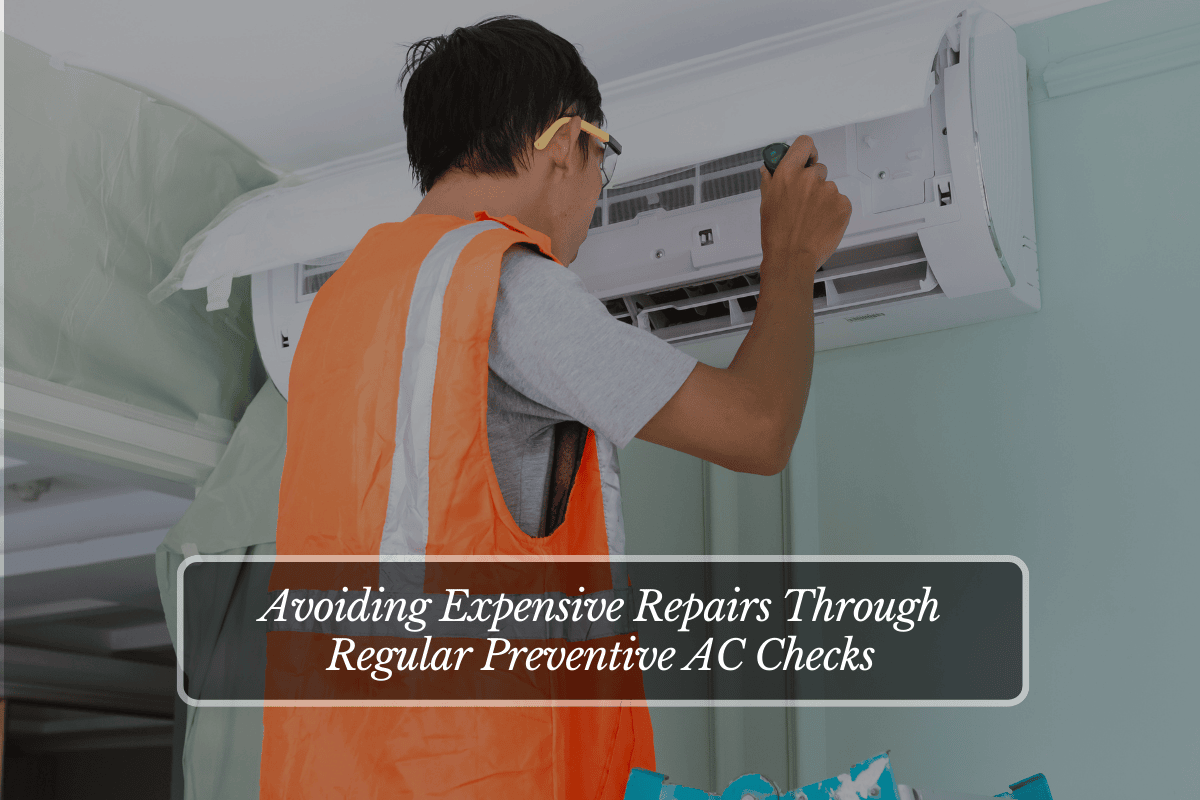
Maintenance contracts ($150-250/visit) yield 3-5x ROI via fewer $1,500+ repairs. DOE data: serviced units run 15% cooler, use 20% less power. Warranties extend 2-5 years with proof.
Skip maintenance? 50% failure rate by year 10 vs. 15% for diligent owners. Proactive care equals reliable summers.
FAQs
1. How often replace AC filters?
Every 30-90 days; MERV 8-13 pleated for optimal flow.
2. Why clean evaporator coils?
Removes buildup reducing efficiency 20-30%; annual pro clean.
3. Check refrigerant how?
Superheat/subcooling by EPA techs; prevents 15% cooling loss.
4. Flush drains when?
Quarterly with bleach solution to avoid clogs/water damage.
5. Pro tune-up frequency?
Twice yearly; tightens electrical, lubes parts, tests airflow.