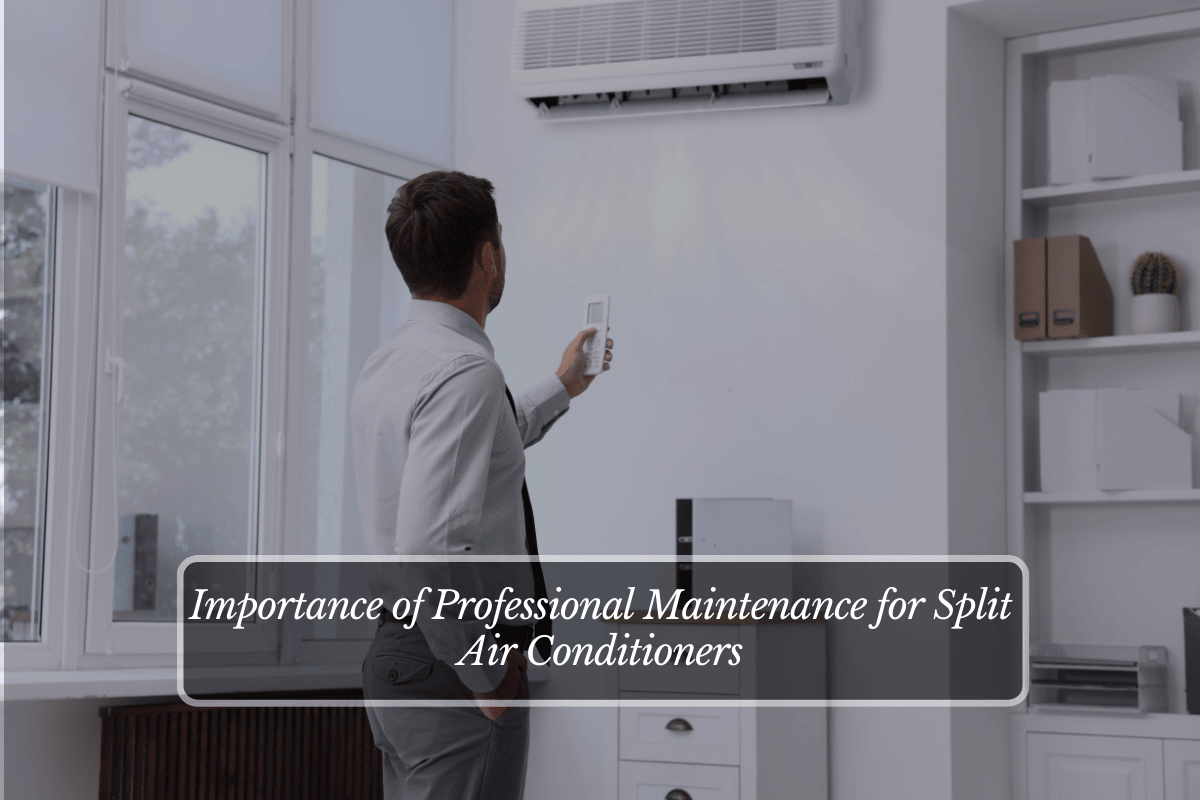
Professional maintenance for split air conditioners is crucial for ensuring optimal performance, longevity, and cost savings in modern U.S. homes, where these efficient ductless systems cool over 20 million residences amid rising energy demands. Skipping it risks 30-50% efficiency losses, premature breakdowns, and poor air quality, turning a $5,000 investment into costly replacements.
Why Maintenance Matters
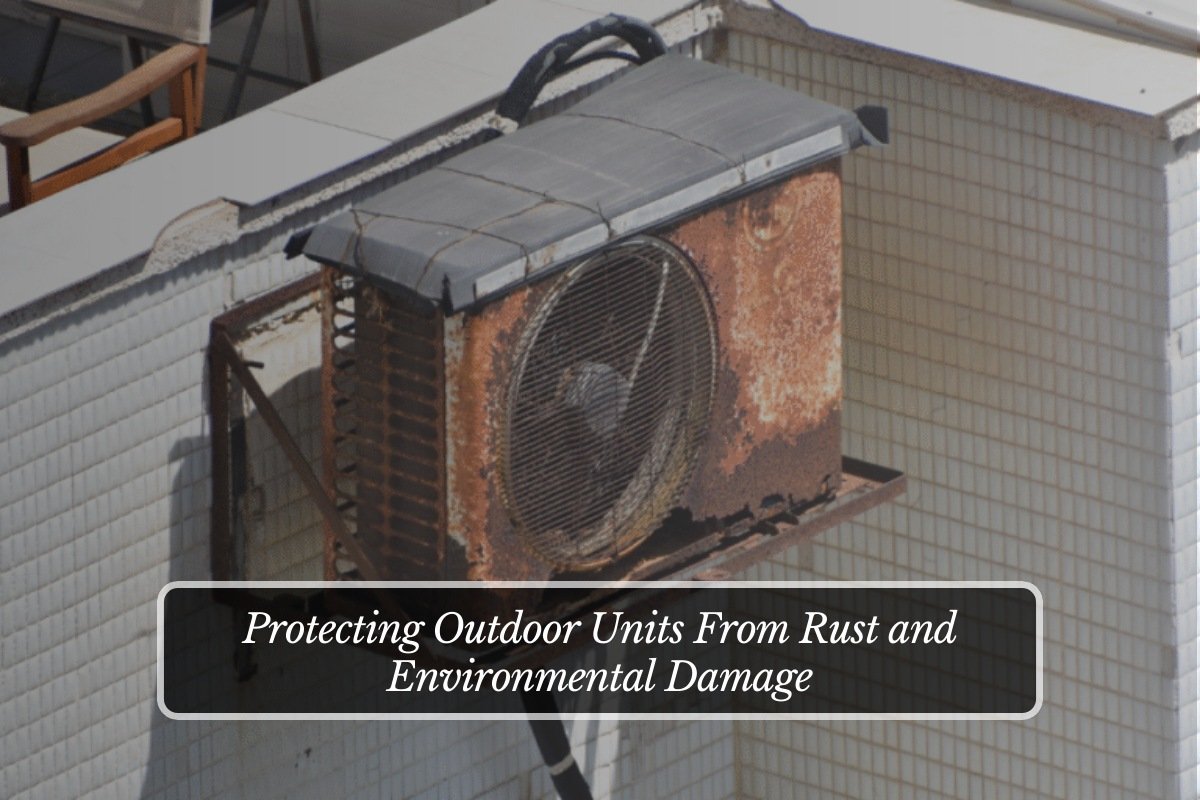
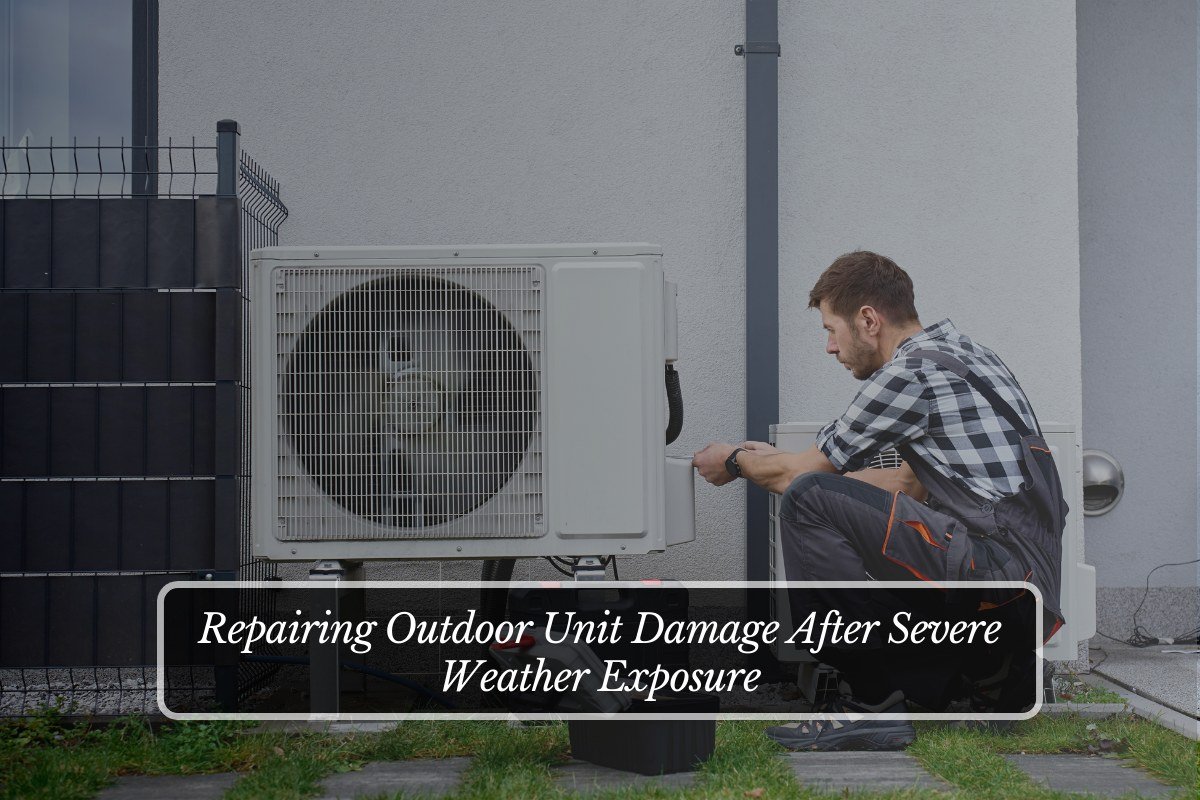
Split ACs have indoor evaporators and outdoor condensers connected by refrigerant lines, making them prone to dirt buildup, refrigerant leaks, and electrical wear if neglected. Annual professional service—cleaning coils, checking refrigerant, inspecting components—prevents these, maintaining SEER ratings above 20 for peak efficiency. Dirty filters alone spike energy use 15%, while unchecked coils cause compressor failure, the $1,500 heart of the system.
In humid states like Florida or dry Southwest regions, pros calibrate for local climates, ensuring dehumidification and preventing mold. EPA notes well-maintained units cut emissions equivalent to planting 10 trees yearly per household.
Energy Efficiency Gains
Clean coils and filters restore airflow, letting fans run slower and compressors less—yielding 20-40% bill reductions, or $200-400 annually for average users. Pros recharge refrigerant to factory specs, fixing low-charge issues that force 25% overwork. Variable-speed inverters in modern splits (e.g., Mitsubishi, Daikin) shine post-service, modulating precisely for whisper-quiet, zoned cooling.
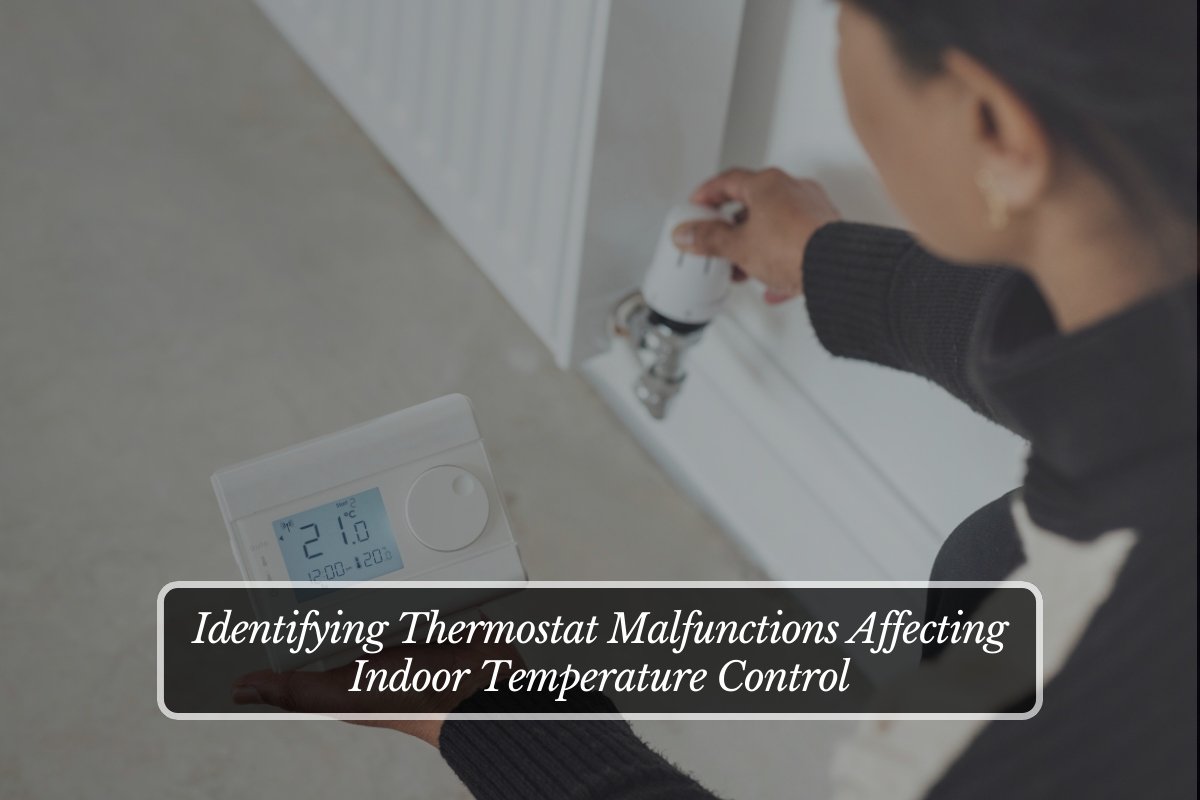
Thermostat calibration and ductless zoning prevent “ghost cooling” in unused rooms, amplifying savings in multi-zone setups common in retrofitted homes.
Extended Lifespan and Reliability
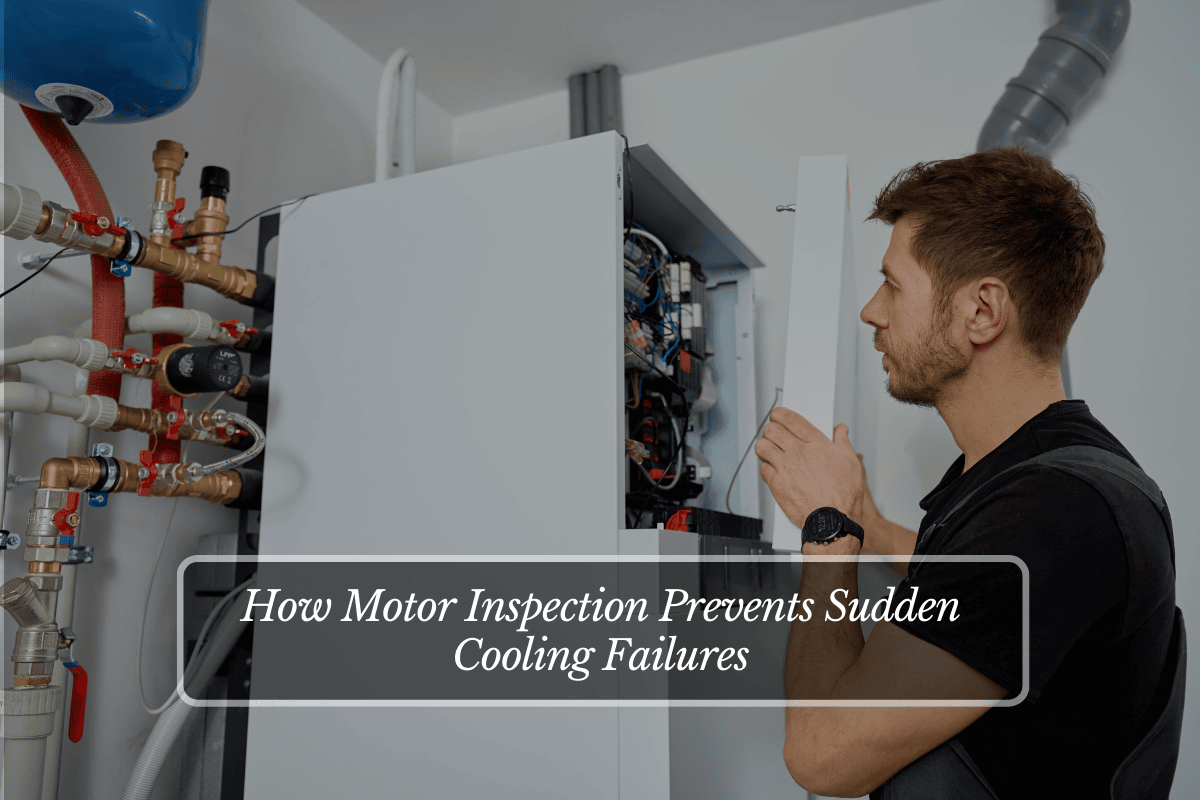
Routine checks spot wear early: Capacitors ($200 fix), fans ($300), or leaks before $2,000 compressor swaps. Serviced units last 15-20 years vs. 10 for neglected ones, per ASHRAE data. Seasonal tune-ups—spring for cooling, fall for heat pumps—ensure reliability during 100°F peaks, avoiding 90°F indoor breakdowns.
Electrical inspections prevent fires, a rare but real risk in aging installs; pros tighten connections and test safeties.
Indoor Air Quality Improvements
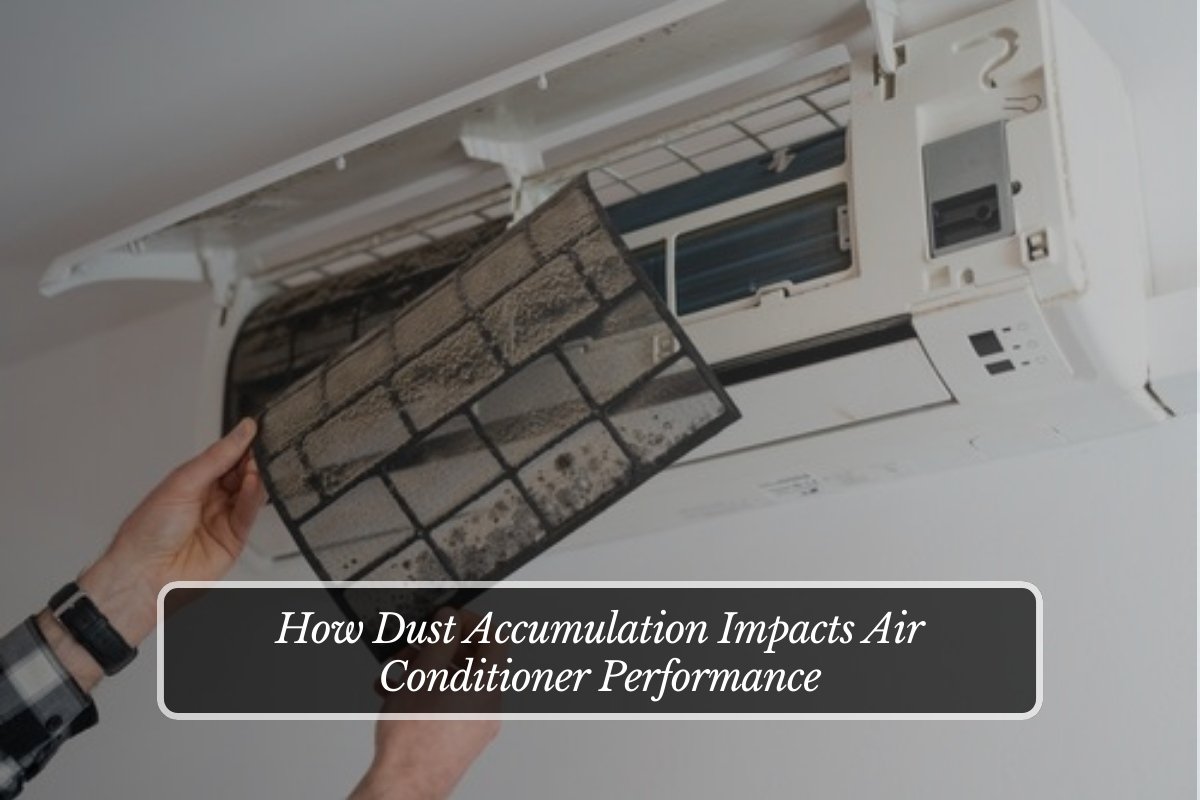
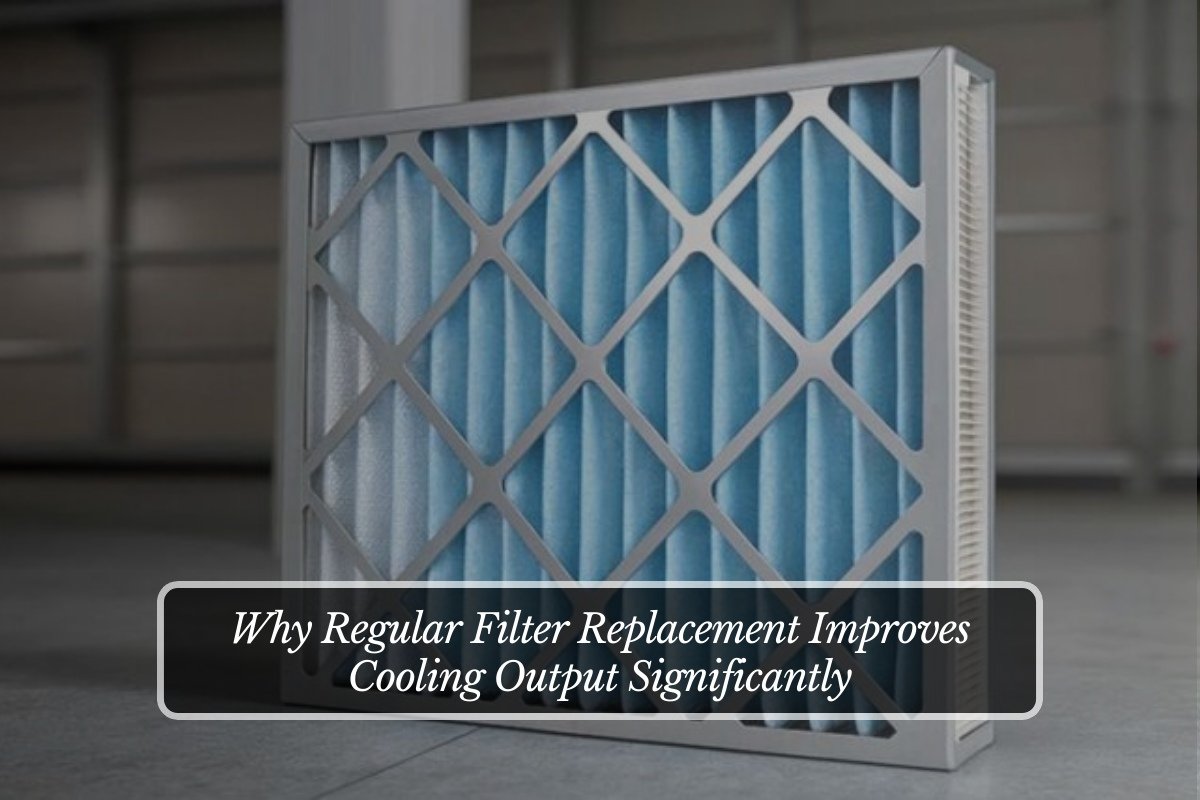
Filters trap dust, pollen, and VOCs; pros clean or upgrade to MERV 13+ for 90% particle capture, slashing allergies and asthma triggers affecting 25 million U.S. kids. Evaporator coils free of biofilm curb mold, while UV lights (often added) kill microbes. Post-service IAQ rivals HEPA purifiers, vital in wildfire-prone California or pollen-heavy Midwest.
Drain line flushes prevent overflows, a common $500 emergency in humid areas.
Cost Savings and Warranty Protection
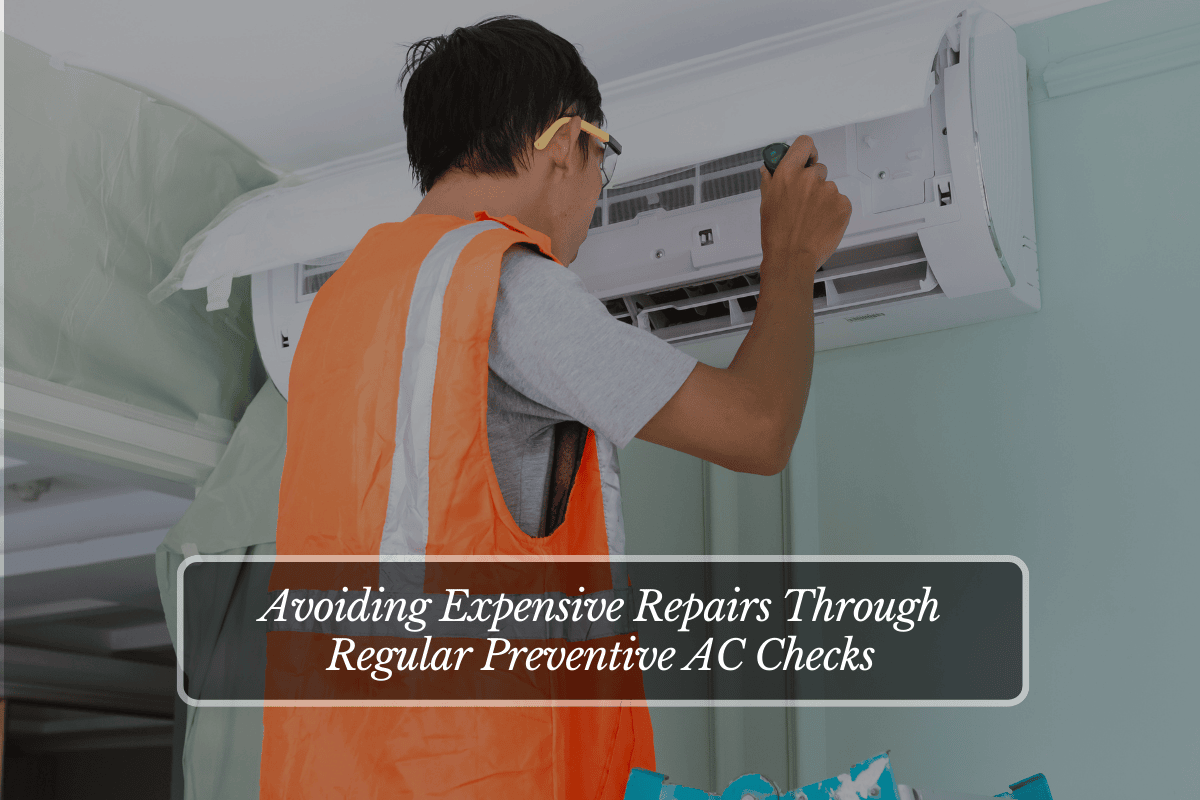
DIY cleaning helps, but pros handle refrigerants under EPA 608 certification, avoiding $10K fines or voided warranties (most require annual service). Early detection saves 3x vs. crisis repairs; a $150 tune-up prevents $1,000 failures. ROI hits in year one for heavy users.
Inflation Reduction Act rebates ($300-600) incentivize efficient upgrades post-service.
The Professional Service Process
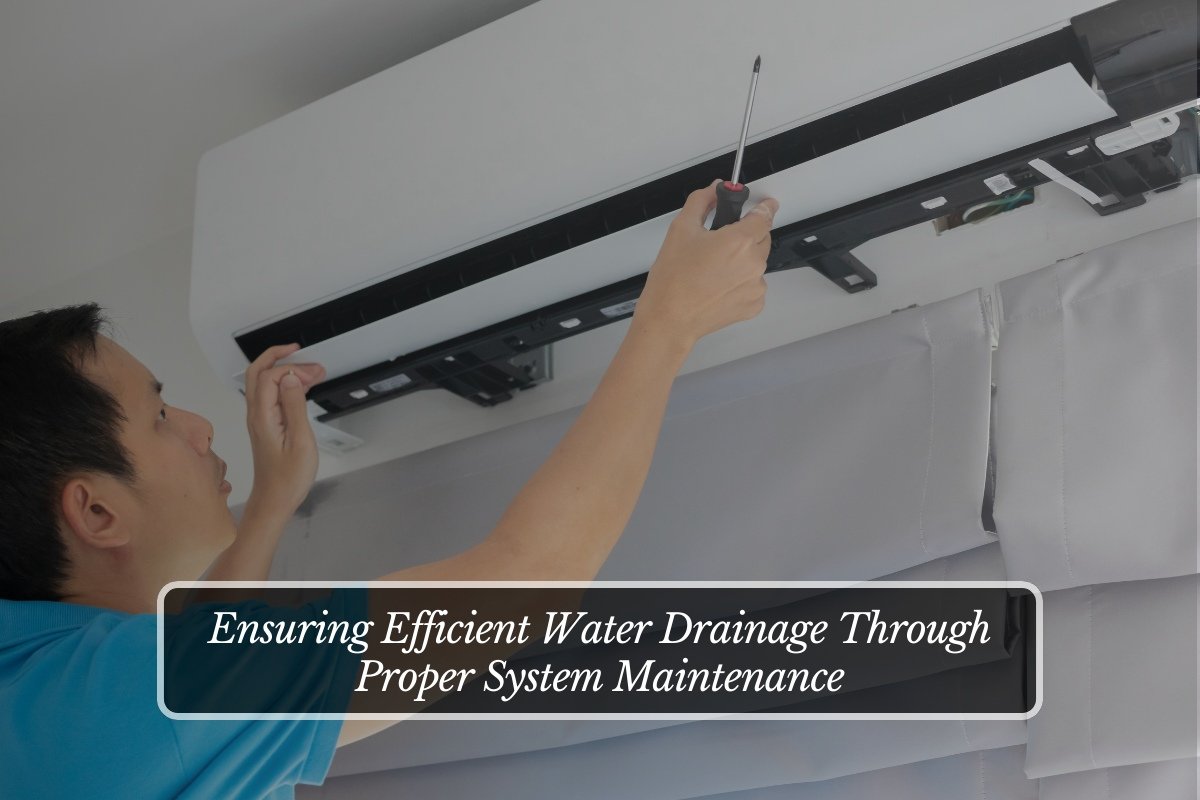
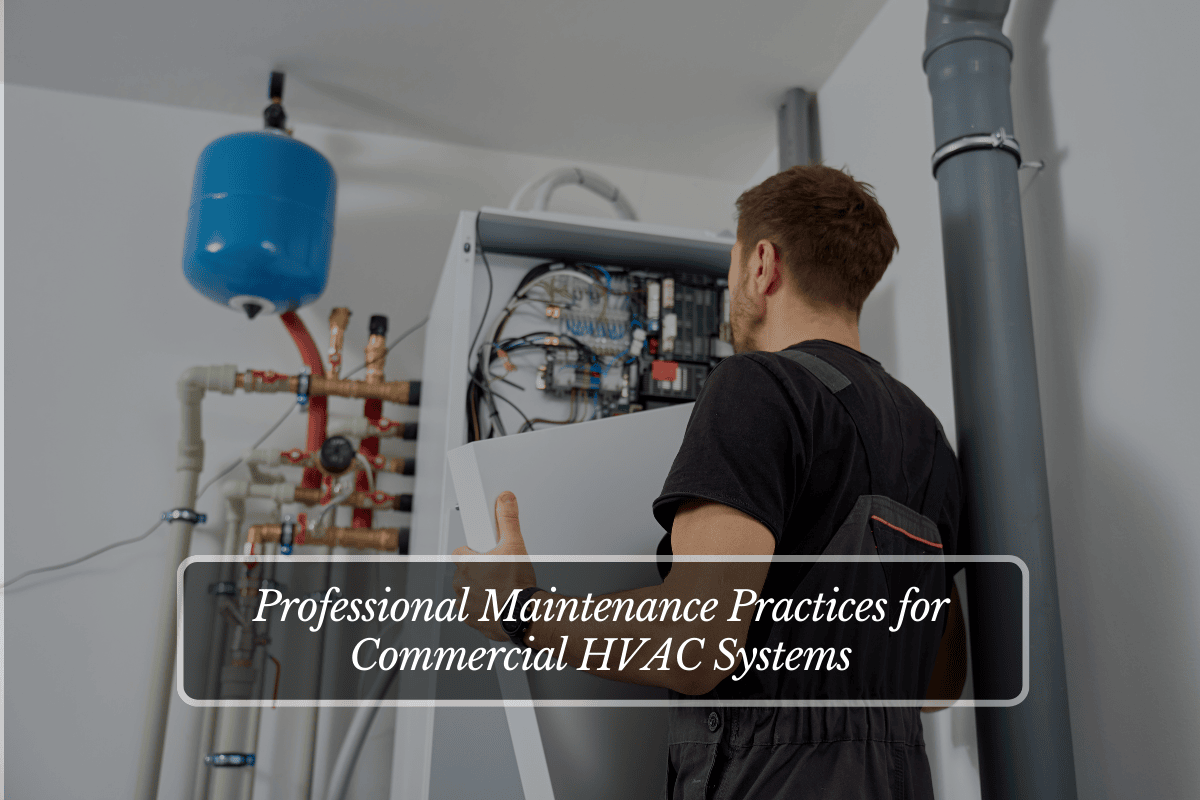
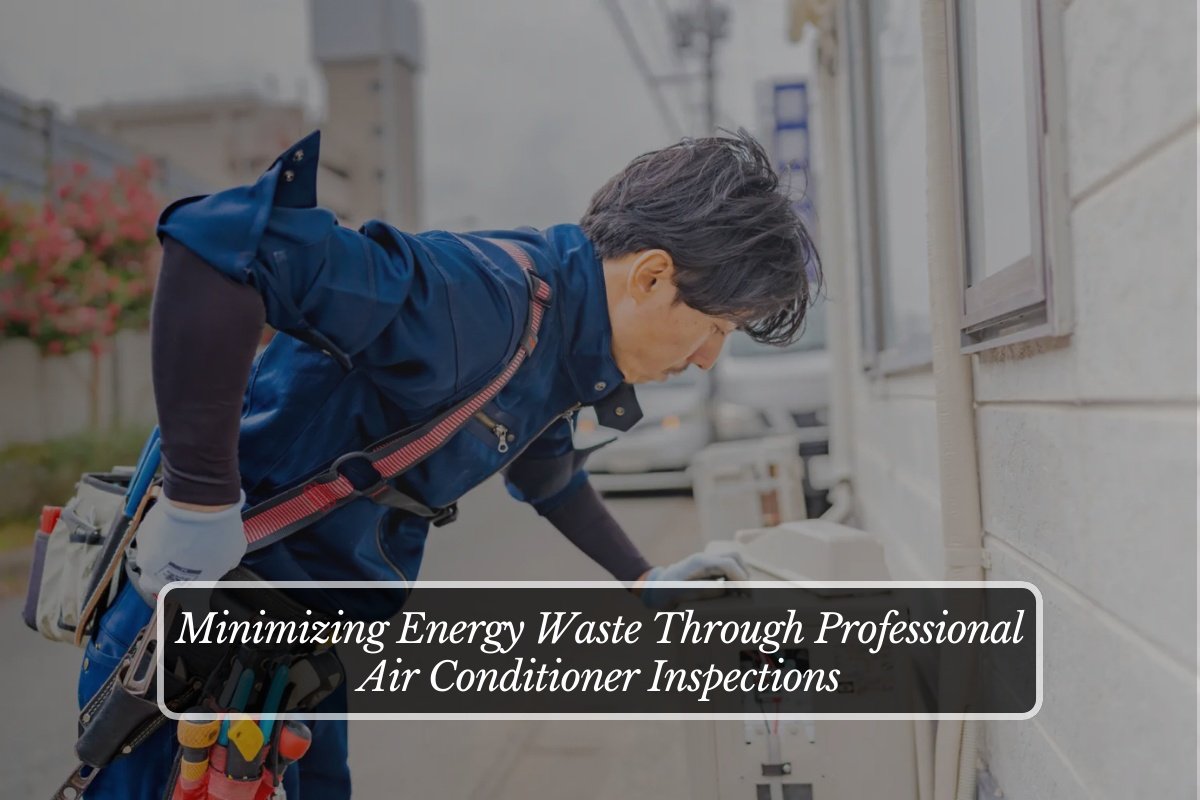
Technicians arrive with tools for 1-2 hour visits: Power off, inspect wiring/refrigerant levels/pressures, deep-clean coils (foaming agents), test capacitors/fans, calibrate sensors, flush drains, and run diagnostics. Reports detail findings, next actions, and efficiency scores. Bi-annual for heat pumps; annual for cooling-only.
Signs needing service: Weak airflow, ice on coils, odd noises, or 10%+ bill hikes.
Homeowner Responsibilities
Monthly filter swaps (washable/replaceable), clear outdoor debris, and 1-2″ unit clearance boost pros’ work. Apps like Sensi track runtime for anomalies. In rentals or HOAs, clauses mandate service for liability.
Common Myths Debunked
“My unit’s fine if cooling”—hidden issues brew. “DIY suffices”—lacks tools for leaks/coils. “Winter storage”—dust accumulates. Pros counter with data-driven proof.
Real-World Impacts
A Texas family saved $450/year post-service; Virginia condo avoided $2,500 compressor via leak fix. Long-term: 70% fewer calls, per HVAC contractor stats.
Future Trends
2026 sees AI diagnostics in apps, self-cleaning coils, and low-GWP R-32 mandates requiring certified handling. Smart maintenance subscriptions rise.
FAQs
1. How often for professional service?
Annually pre-summer; bi-annual for heat pumps.
2. DIY vs. pro—what can’t I do?
Refrigerant, electrical, deep coil cleans—EPA rules apply.
3. Signs of needed maintenance?
Poor cooling, high bills, noises, ice, musty smells.
4. Does it really extend lifespan?
Yes, 15-20 years vs. 10; early fixes prevent cascades.
5. Cost and ROI?
$100-200/visit; pays back in 6-12 months via savings/avoided repairs.