Skilled HVAC technicians in the US follow strict protocols, certifications, and tools to perform AC repairs that prioritize safety, reliability, and compliance with federal and state regulations. Their expertise prevents hazards like refrigerant leaks or electrical fires while extending system life and efficiency.
Essential Certifications for Safety
EPA Section 608 certification is mandatory for handling refrigerants, covering Type I-IV for different systems to prevent environmental harm and health risks from ozone-depleting substances. Technicians pass proctored exams on leak detection, recovery, and safe disposal, ensuring no illegal venting under the Clean Air Act.
NATE and HVAC Excellence credentials validate skills in diagnostics and installation, while OSHA 10/30-hour training addresses falls, electrical hazards, and PPE use. State licenses, varying by location like California’s C-20, require 4-5 years experience plus exams for independent work.
Pre-Repair Safety Assessments
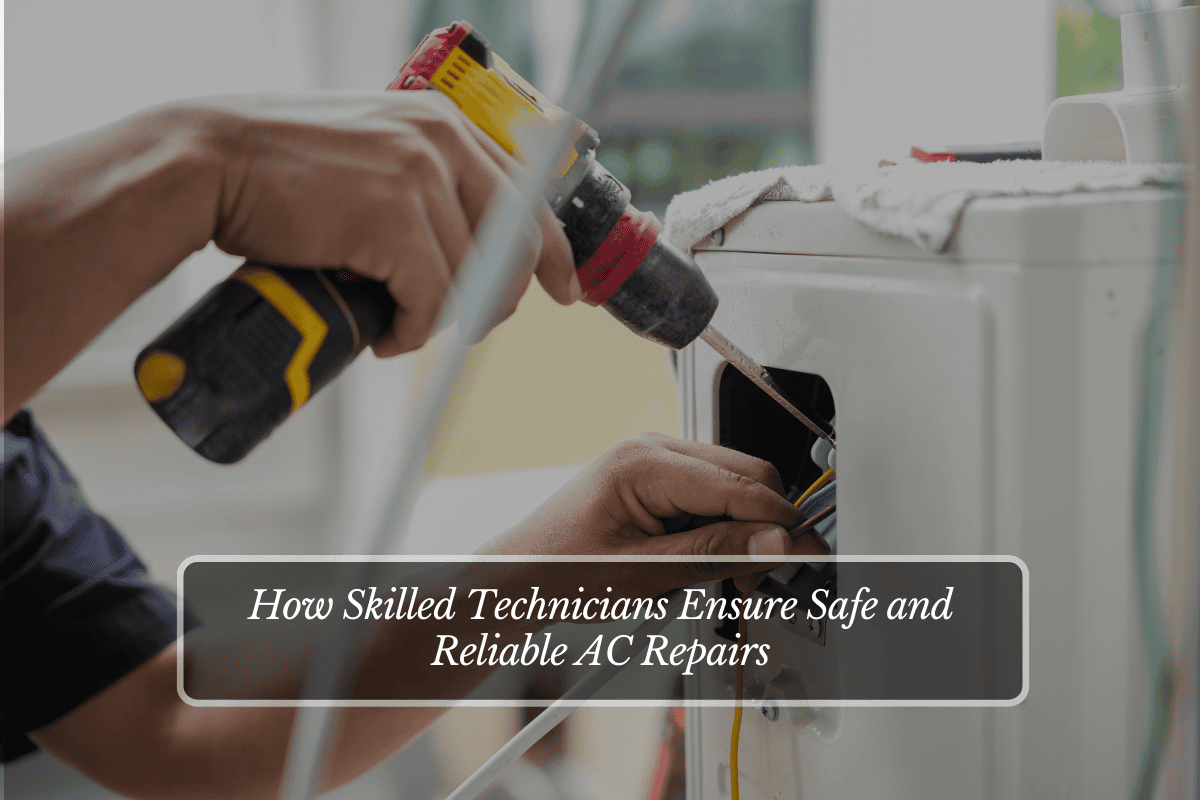
Technicians start with lockout/tagout (LOTO) to de-energize units, preventing shocks during capacitor or wiring work. They use voltage testers and multimeters to verify zero energy, per NFPA 70E standards, and inspect for asbestos or mold in older systems common in US homes.
Leak detection employs electronic sniffers or UV dye, avoiding DIY risks; low refrigerant signals overwork, so they evacuate and weigh charges precisely to manufacturer specs like R-410A at 70% full.
Diagnostic Tools and Techniques
Digital manifold gauges monitor superheat/subcooling for accurate refrigerant levels, while combustion analyzers ensure safe furnace integration in heat pumps. Thermal imaging cameras spot hot electrical connections or coil icing early, reducing callbacks by 30%.
For compressors, they measure amp draws and oil levels; soft starters prevent inrush surges. Software like ServiceTitan logs data for warranties, aligning with ENERGY STAR repair guidelines.
Reliable Repair Execution
Component swaps use OEM parts—e.g., Copeland compressors with exact voltage matches—to avoid mismatches shortening life. Brazing copper lines with nitrogen purge prevents oxidation, and vacuuming to 500 microns removes moisture, critical for SEER2 16+ systems.
Duct repairs seal with mastic, not foil tape, complying with IECC codes; variable-speed blower recalibrations optimize airflow post-repair for 20% energy savings.
Post-Repair Testing and Verification
Technicians run full-cycle tests at 95°F outdoor conditions, checking delta-T (18-22°F air drop) and static pressures under 0.5″ WC. They verify thermostat signals and error codes via iOS/Android apps for smart units.
Startup reports include photos and BTU calculations, handed to owners with maintenance schedules. This ensures warranties (5-10 years) and qualifies for IRA rebates up to $600.
Handling High-Risk Scenarios
In electrical repairs, arc-flash PPE (Class 2 gloves, face shields) protects against 208-480V lines; refrigerant recovery rigs handle 50-100 lbs safely. For rooftop units, fall arrest harnesses meet OSHA 1926 standards.
Emergency flood recovery involves antimicrobial treatments and EPA-approved drying, preventing Legionella in humid states like Florida.
Customer Education and Prevention
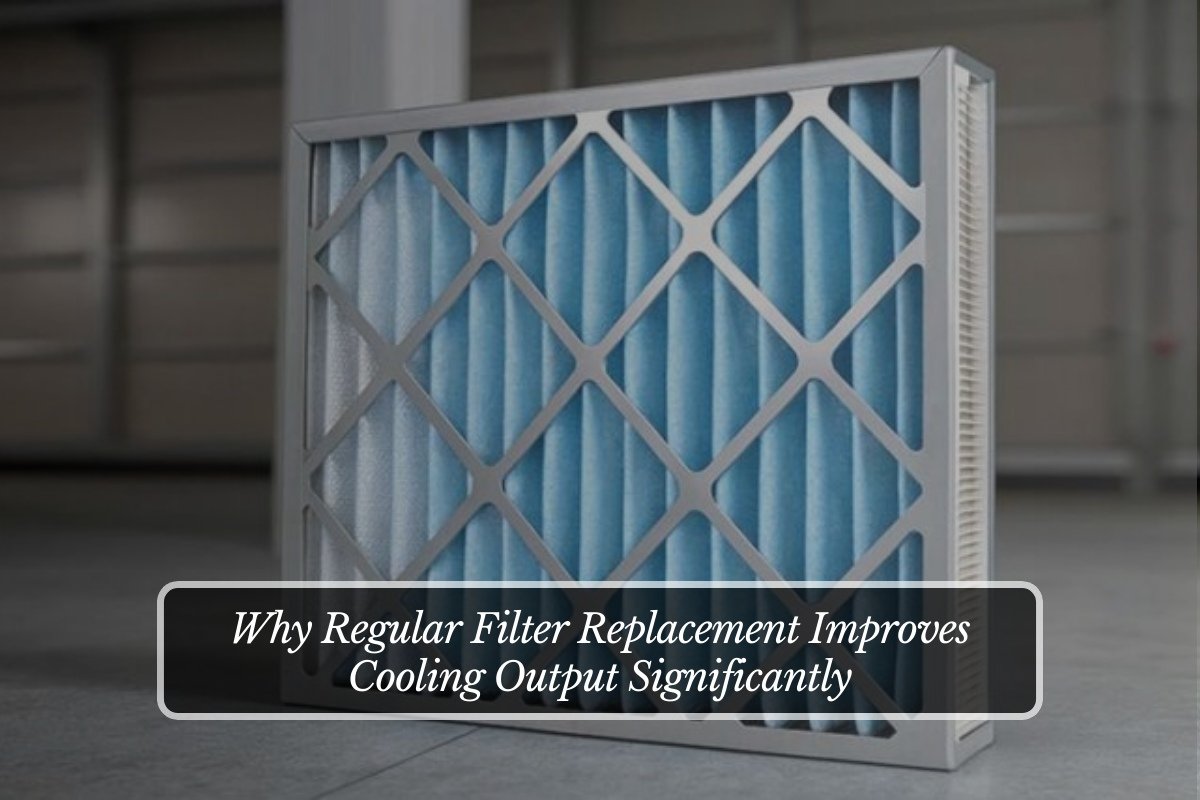
Skilled pros teach filter changes (MERV 11-13) and 78°F setbacks, reducing strain. They flag code violations like unpermitted installs, steering toward reliable, efficient outcomes.
With 15+ years average lifespan targeted, their work cuts repair frequency 40% via proactive infrared scans.
FAQs
1. What is EPA Section 608 certification?
Mandatory for refrigerant handling, it covers leak recovery and disposal via proctored exams for Types I-IV, preventing environmental damage.
2. Why use lockout/tagout in AC repairs?
It isolates power sources, avoiding shocks during capacitor or wiring work per OSHA and NFPA 70E.
3. How do technicians verify refrigerant levels?
With manifold gauges for superheat/subcooling, ensuring precise charges like R-410A to avoid compressor failure.
4. What tests follow a repair?
Full-cycle runs check delta-T (18-22°F), pressures, and airflow, confirming optimal performance.
5. Do state licenses matter for reliability?
Yes, they require experience and exams (e.g., 4 years in Texas), ensuring pros meet local codes.