Air conditioning (AC) systems are integral to maintaining a comfortable indoor environment, especially during hot weather. These systems rely on various components to ensure they operate efficiently, with temperature control being one of the most critical functions. One of the key players in regulating the temperature in an AC system is the temperature sensor.
If the sensor malfunctions, it can significantly impact the performance and comfort levels provided by the system. In this article, we will explore how sensor problems affect AC temperature control, the possible causes, and what you can do to address these issues.
Understanding the Role of Temperature Sensors in AC Systems
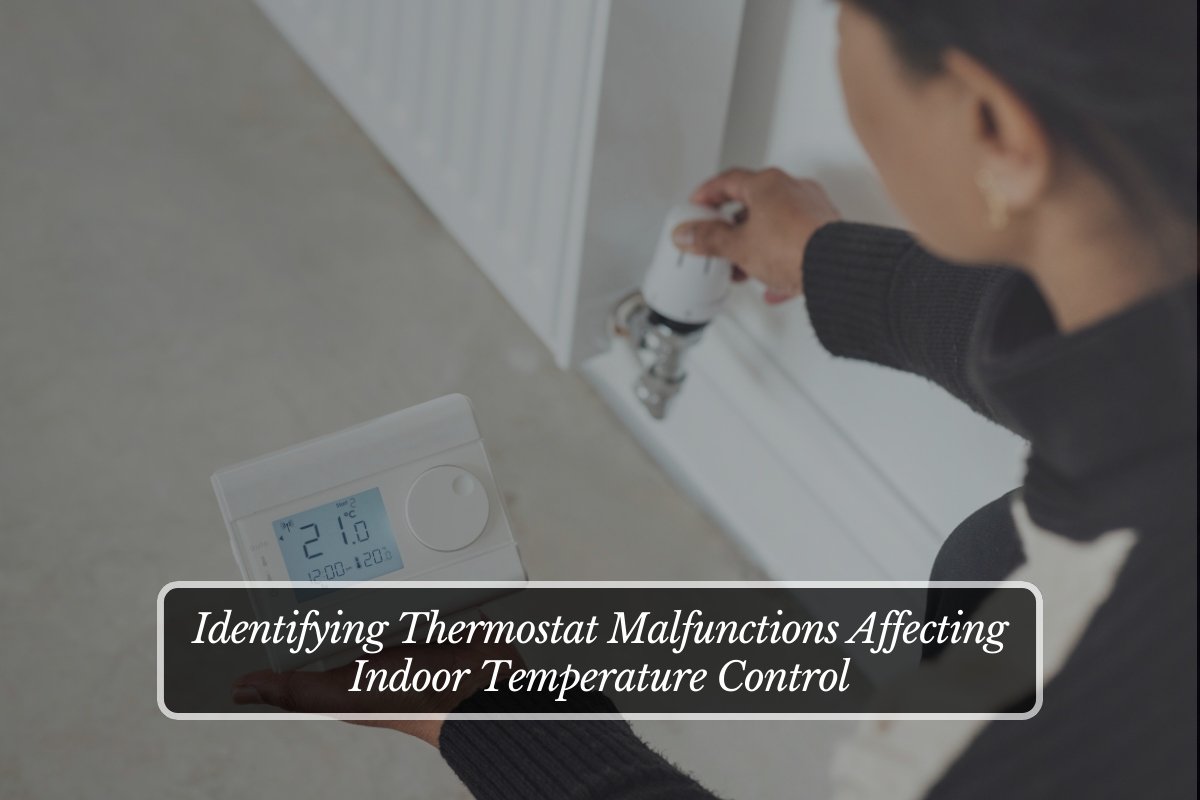
Temperature sensors are designed to monitor the indoor or outdoor temperature and provide feedback to the AC’s control system. This information allows the AC to adjust its cooling output accordingly. The primary purpose of these sensors is to help maintain the desired temperature in a room or building by regulating the flow of refrigerant or activating the compressor when needed.
The sensors work by detecting temperature changes and sending the data to the thermostat or control board. When the thermostat receives the correct temperature readings, it adjusts the cooling process to maintain the set temperature.
Common Sensor Problems and Their Impact on AC Performance
1. Faulty Temperature Readings
If the temperature sensor is not functioning correctly, it can provide inaccurate readings to the thermostat or control system. For example, if the sensor reads the room temperature as being lower than it actually is, the AC may continue to run even when the room is already cool enough. This can result in excessive cooling, higher energy consumption, and increased wear on the system.
On the other hand, if the sensor reads a higher temperature than the actual room temperature, the system may fail to activate the cooling process, leading to discomfort and inadequate temperature regulation. This can cause the room to remain warmer than desired, despite the AC being turned on.
2. Sensor Displacement or Damage
Sometimes, the temperature sensor may be displaced or damaged. This can occur due to physical damage, such as from accidental impact, or over time as components of the AC system wear down. A misaligned or damaged sensor may not be able to accurately detect the temperature, which directly affects the system’s ability to regulate the indoor environment properly.
If the sensor is located too close to a heat source or in an area with poor airflow, it may misinterpret the temperature, causing the AC to behave erratically. For example, placing the sensor near a vent or direct sunlight can lead to false readings, causing the system to overcool or undercool the room.
3. Electrical Issues
Temperature sensors rely on electrical components to send data to the AC’s control system. If there is an electrical malfunction, such as a loose connection or a short circuit, the sensor may not be able to transmit the temperature data accurately. This can lead to inconsistent cooling performance, temperature fluctuations, and energy inefficiency.
4. Dirty or Blocked Sensors
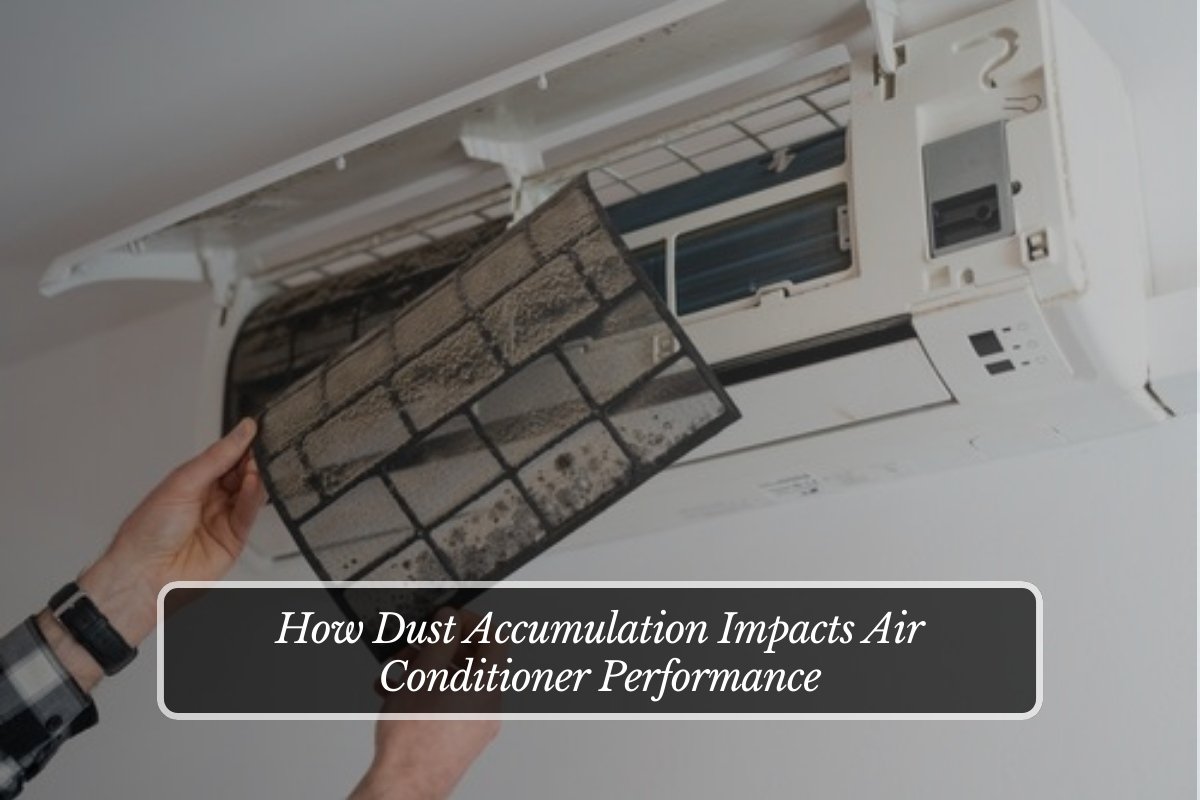
Dirt, dust, or debris can accumulate on the surface of the temperature sensor over time, especially if the AC system is not properly maintained. When a sensor is covered in grime or blocked, it may not be able to detect temperature changes effectively. As a result, the system may fail to adjust its cooling output as needed, leading to discomfort and inefficiency.
How Sensor Problems Affect Energy Efficiency
When the temperature sensor malfunctions, it not only impacts the comfort level in your home but also affects the efficiency of the AC system. If the sensor is providing false readings, the AC might overcool or undercool a room, causing unnecessary energy consumption. For example, if the sensor inaccurately detects a warmer temperature, the AC might run longer than needed, consuming more electricity and leading to higher utility bills.
Conversely, if the system is not cooling enough due to faulty sensor readings, the AC may need to work harder to compensate for the lack of temperature control, again leading to inefficient energy use. In either case, sensor problems result in the AC system consuming more energy than it should, reducing its overall efficiency and increasing operational costs.
How to Fix Sensor Problems
1. Recalibrate or Replace the Sensor
If you suspect that the temperature sensor is providing inaccurate readings, you may be able to recalibrate or replace it. In some cases, the sensor might just need to be adjusted or realigned to ensure it reads the temperature correctly. However, if the sensor is damaged or beyond repair, it will need to be replaced with a new one.
2. Check for Sensor Displacement
Ensure that the sensor is correctly positioned and is not obstructed by debris or heat sources. If the sensor is displaced or damaged, realigning or repositioning it may help restore proper temperature control.
3. Clean the Sensor
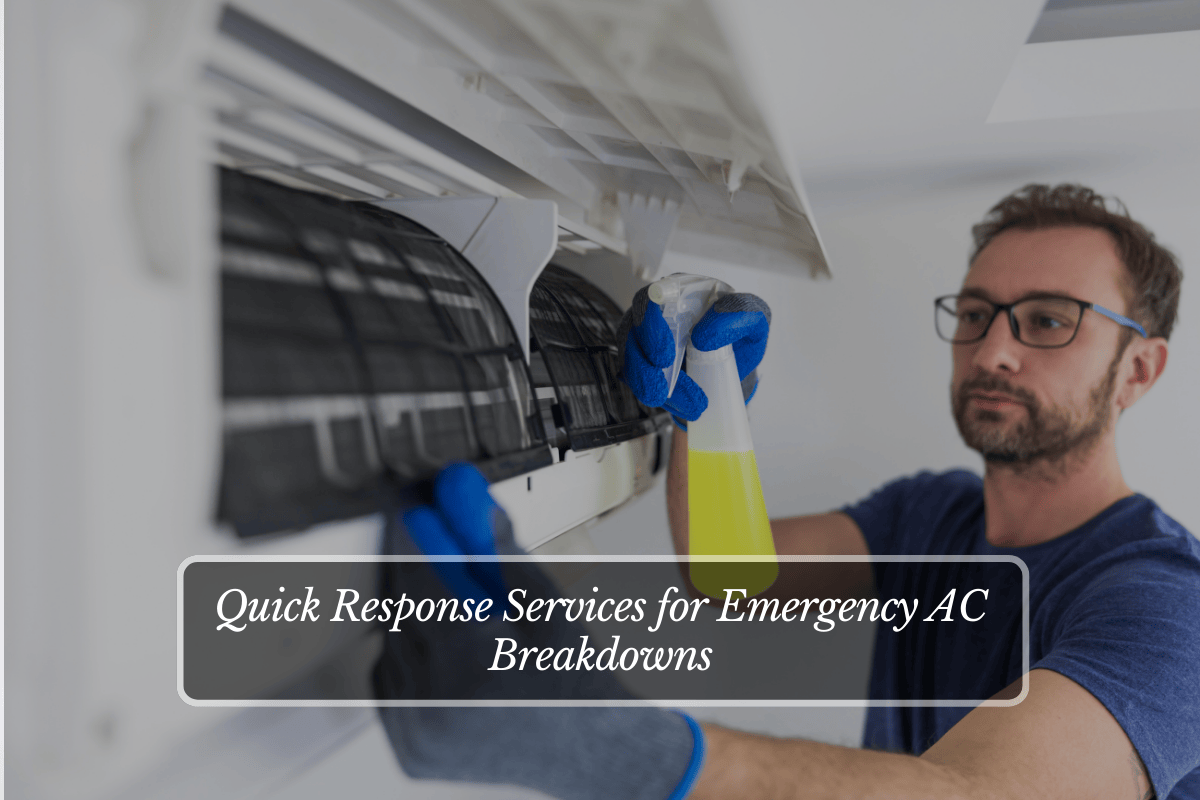
Regularly clean the sensor to ensure that dirt and debris do not block its ability to detect temperature changes accurately. This can be done by gently wiping the sensor with a soft cloth to remove any buildup.
4. Seek Professional Help
If you are unable to identify or resolve the sensor issue yourself, it’s best to call a professional HVAC technician. They can inspect your AC system, identify the root cause of the problem, and recommend the appropriate repairs or replacements.
FAQs
How can I tell if my AC sensor is faulty?
A faulty AC sensor may cause the system to run continuously, produce inaccurate temperature readings, or fail to activate when needed. You might also notice temperature fluctuations in your home despite setting a specific temperature.
Can a dirty sensor affect the performance of my AC?
Yes, a dirty sensor can prevent the system from reading the temperature accurately. Dust, dirt, or debris buildup can block the sensor’s ability to detect temperature changes, affecting the cooling performance.
What should I do if my AC is not cooling properly?
If your AC is not cooling effectively, check the temperature sensor for any obvious issues such as misalignment or dirt. If you cannot resolve the issue, it’s best to contact a professional HVAC technician for a thorough inspection.
Can a malfunctioning sensor increase energy bills?
Yes, a malfunctioning temperature sensor can cause your AC to run longer than necessary, leading to higher energy consumption and increased utility bills.
How often should I clean the temperature sensor?
It’s a good idea to clean your AC’s temperature sensor at least once a year to ensure it remains free of dirt and debris, which can interfere with its accuracy.