Seasonal servicing keeps cooling systems in U.S. homes and facilities running at peak efficiency, preventing breakdowns and slashing energy bills during scorching summers. By addressing wear from seasonal shifts, these tune-ups ensure reliable performance, cleaner air, and longevity for HVAC units nationwide.
Why Seasonal Servicing Matters
Dirt buildup and refrigerant leaks cut efficiency by 20-30% over a year, forcing systems to overwork amid rising U.S. heatwaves. Pre-summer checks in spring restore optimal airflow and cooling capacity, while fall prep guards against humidity spikes. Homeowners save $100-200 annually; facilities avoid $1K+ emergency calls.
Spring/Summer Cooling Prep
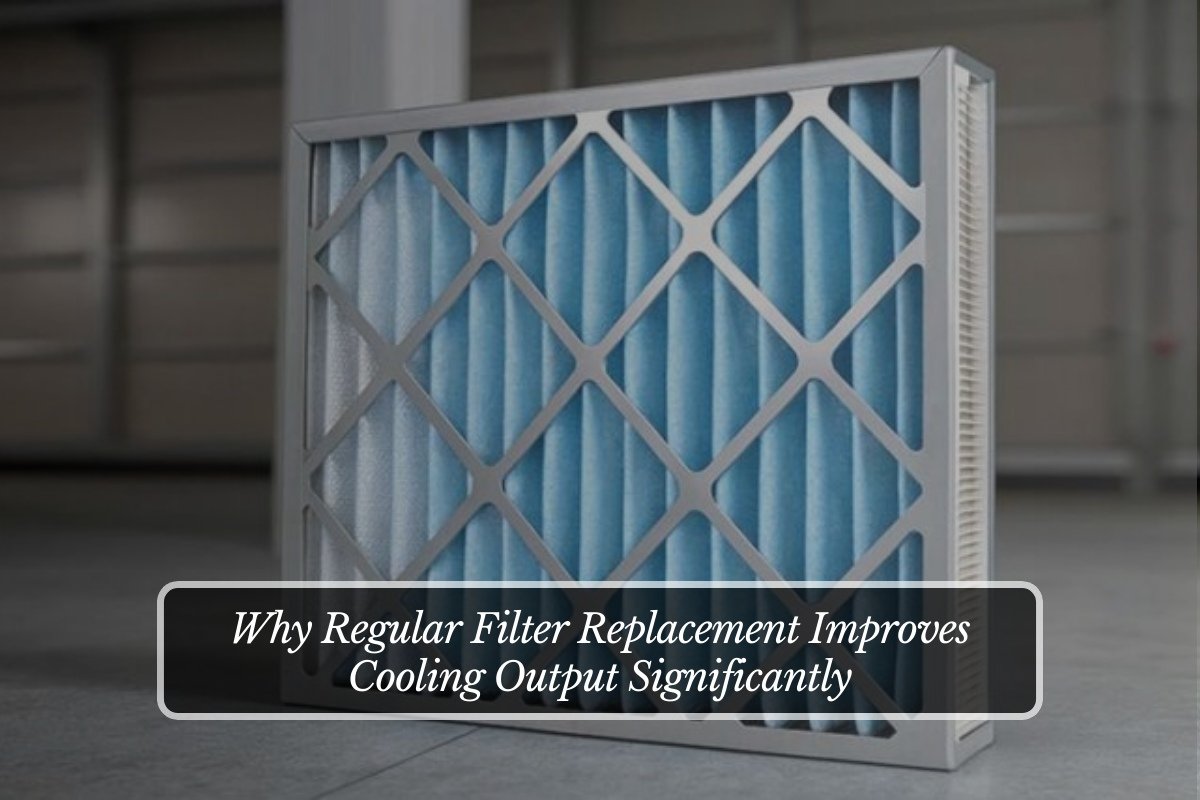
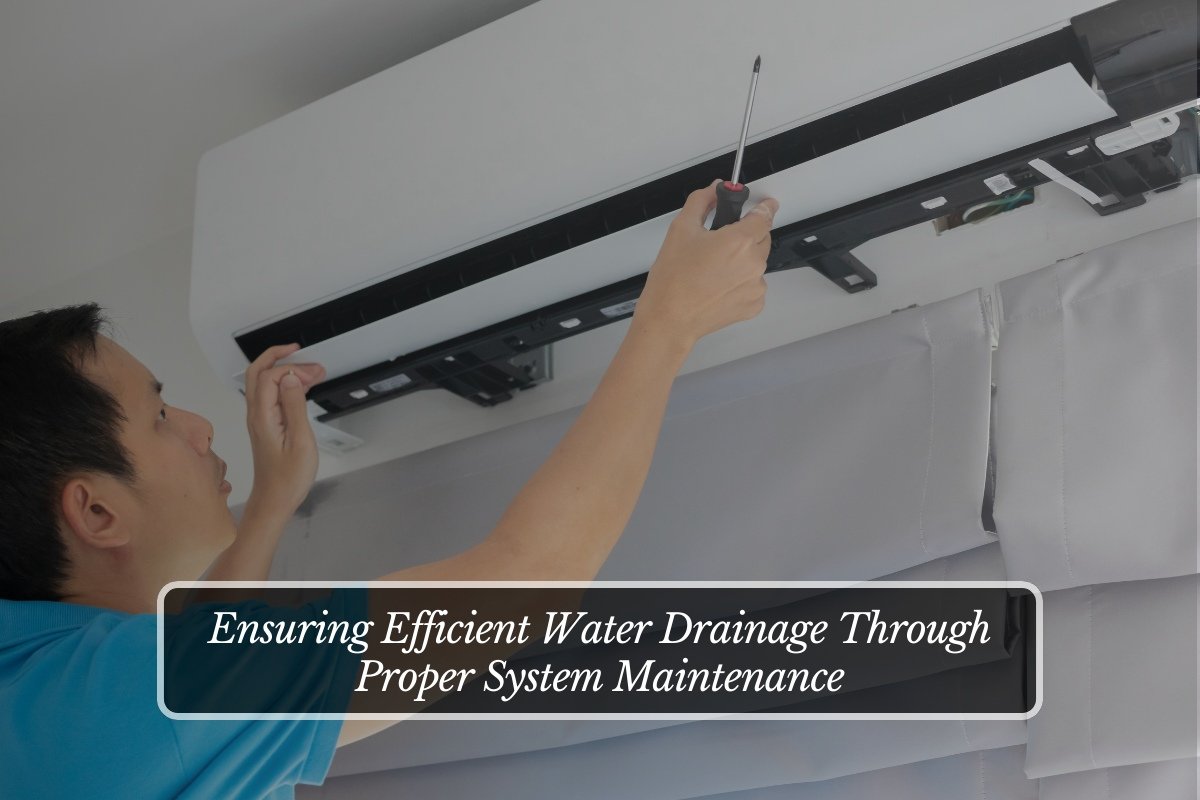
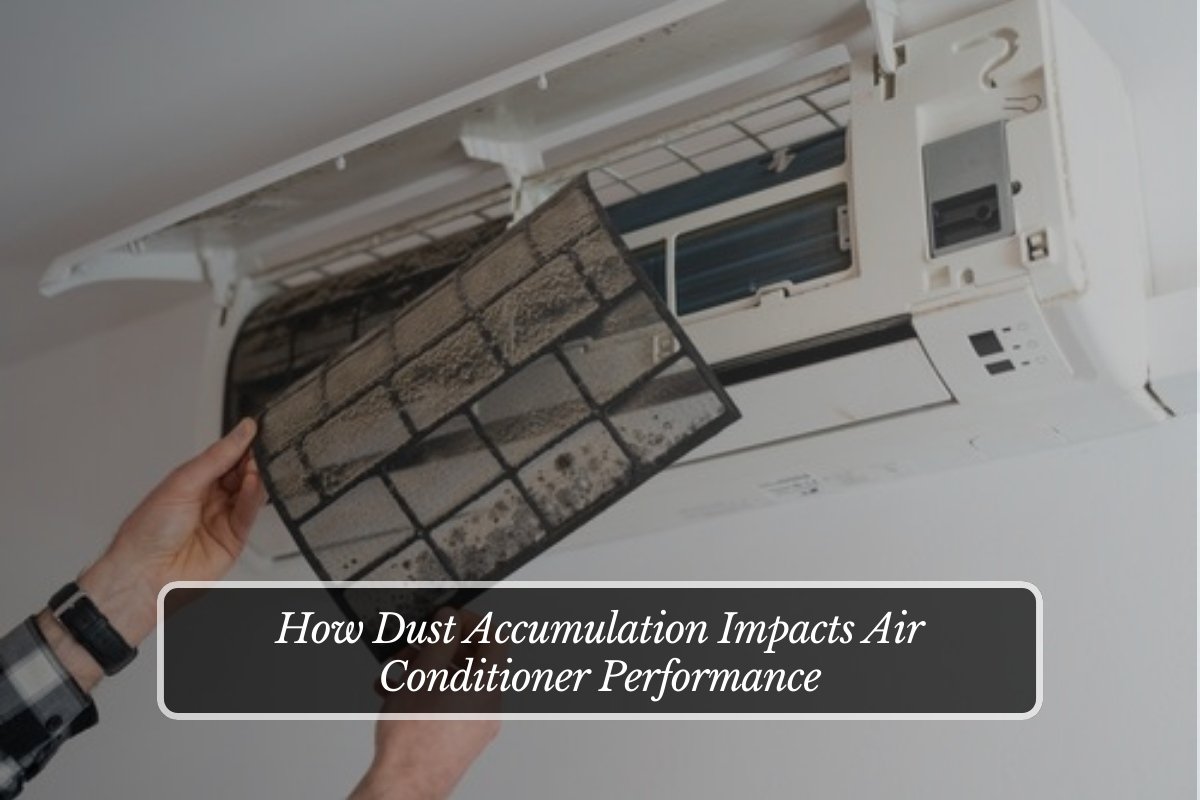
Inspect evaporator coils for dust—cleaning boosts heat transfer 15%. Check refrigerant levels; low charge from micro-leaks hikes energy use 25%. Replace filters (every 1-3 months in high-use homes) to curb strain on blowers. Clear condensate drains to stop water backups, common in humid Southern states.
Fall/Winter Transition Tasks
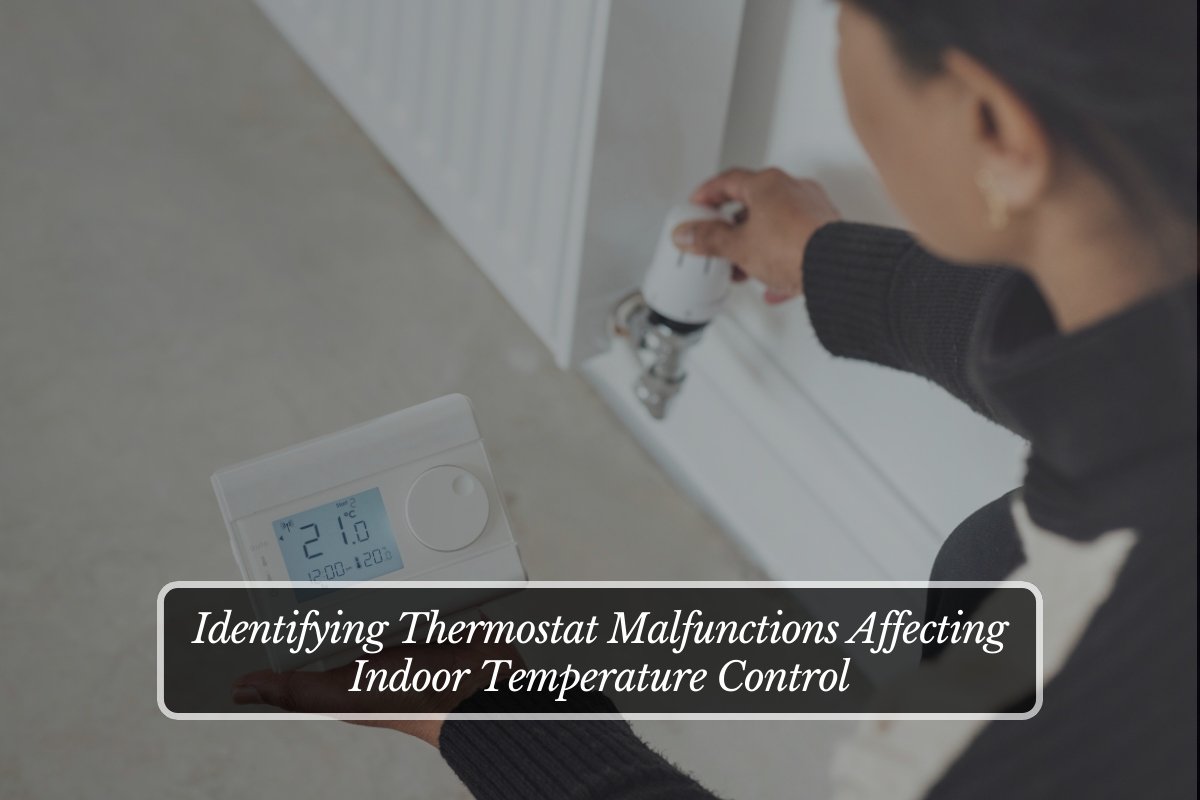
Tighten electrical connections and lubricate motors to prevent friction losses. Test thermostats for accuracy—off by 2°F adds 10% to bills. Verify blower fans balance; imbalances vibrate components loose over time. For heat pumps, inspect reversing valves for seamless mode switches.
Key Components Checked
Technicians calibrate sensors, scan for duct leaks (sealing saves 20% energy), and analyze airflow with anemometers. Belt drives get tension adjustments; capacitors test for early failure signs. Safety controls—like pressure switches—ensure code compliance per ASHRAE standards.
Energy Savings Breakdown
Clean systems hit SEER ratings (14-20+ modern units), cutting kWh by 15% vs. neglected ones. EPA notes proper servicing avoids 5% annual degradation. Smart integration—programmable stats + zoning—amplifies gains in large homes or gyms.
Professional vs. DIY Balance
DIY: Filter swaps, vent clears (monthly). Pros handle refrigerant (EPA 608 certified), electrical diagnostics via multimeters. Annual contracts ($150-300) include priority service; facilities opt quarterly for high-traffic venues like arenas.
Long-Term Benefits
Serviced units last 15-20 years vs. 10 for skipped ones, per DOE data. IAQ improves—fewer allergens—reducing allergies 30%. Resale value rises 5% with maintenance logs. In cooling-heavy states like Texas or Florida, ROI hits 3:1 within two seasons.
Common Pitfalls Avoided
Ignoring seasonal cycles leads to compressor failures ($2K+ fixes). Oversized units short-cycle, wasting 10%; audits confirm right-sizing. Post-service tests verify delta-T (15-20°F air drop) for true efficiency.
Scheduling Nationwide
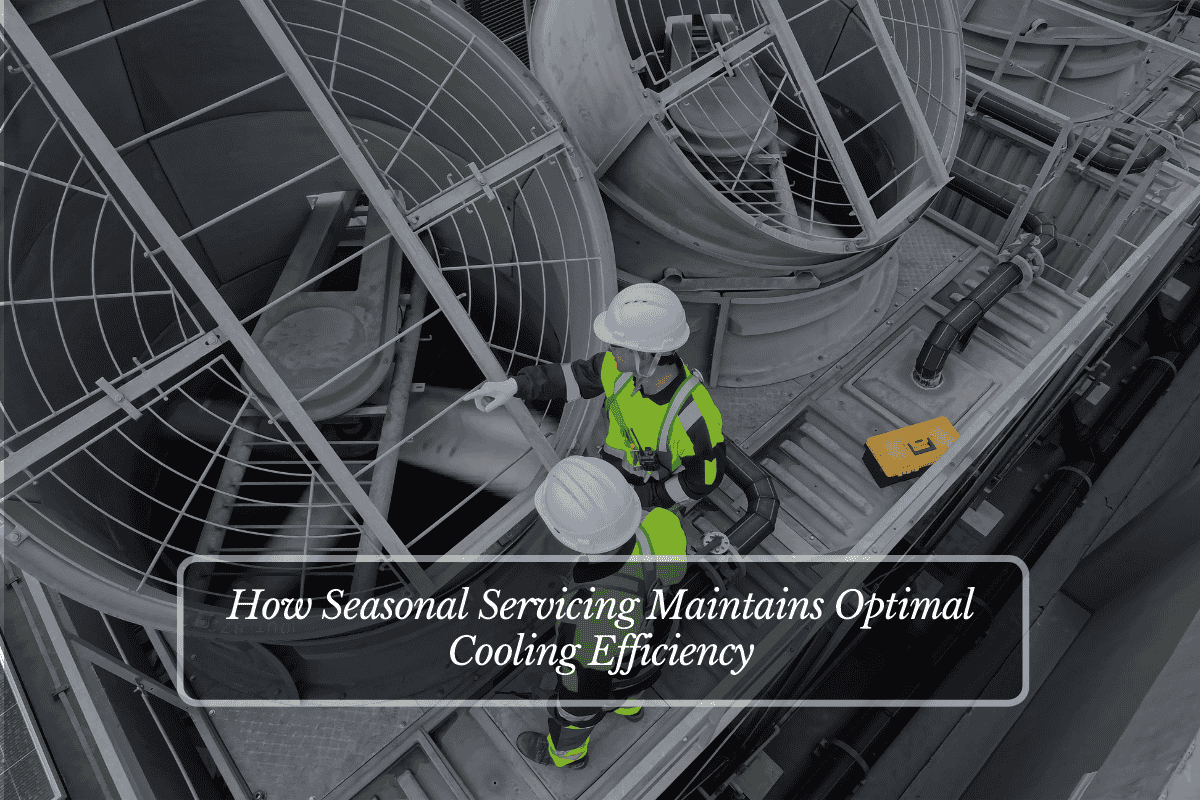
Align with peak seasons: April-May South, June-July North. Apps like ServiceTitan track reminders; rebates via IRA incentives cover 30% upgrades. Facilities use CMMS software for logs, ensuring compliance.
Regular servicing transforms reactive repairs into proactive efficiency, cooling America smarter.
FAQ
Q. When to schedule seasonal servicing?
Spring (pre-cool), fall (pre-heat)—twice yearly max efficiency.
Q. DIY tasks before pro visit?
Filter changes, drain clears, vent checks—save 15% energy instantly.
Q. Expected cost savings?
$100-200/year homes; 20-30% less runtime via clean coils.
Q. Signs system needs immediate service?
Weak airflow, high bills, ice on coils, odd noises.
Q. How often for high-use facilities?
Quarterly tune-ups plus monthly filters for gyms/arenas.