The compressor and electrical components are the heart and nervous system of an air conditioning unit. Together, they regulate refrigerant flow, power delivery, and system operation. When these components fail, repairs are often expensive—and in many cases, replacement becomes the only option. Routine AC maintenance plays a critical role in protecting these vital parts, extending system lifespan, improving efficiency, and preventing sudden breakdowns during peak cooling seasons.
Why Compressors and Electrical Components Are So Vulnerable
Compressors and electrical parts operate under constant stress. Compressors handle high pressure and temperature changes, while electrical components manage continuous power flow, switching, and load control.
Without regular maintenance, small issues such as dirt buildup, loose connections, or voltage imbalances can quickly escalate. Because these components are interconnected, a problem in one area often damages the other, leading to system-wide failure.
Preventing Overheating Through Proper Airflow
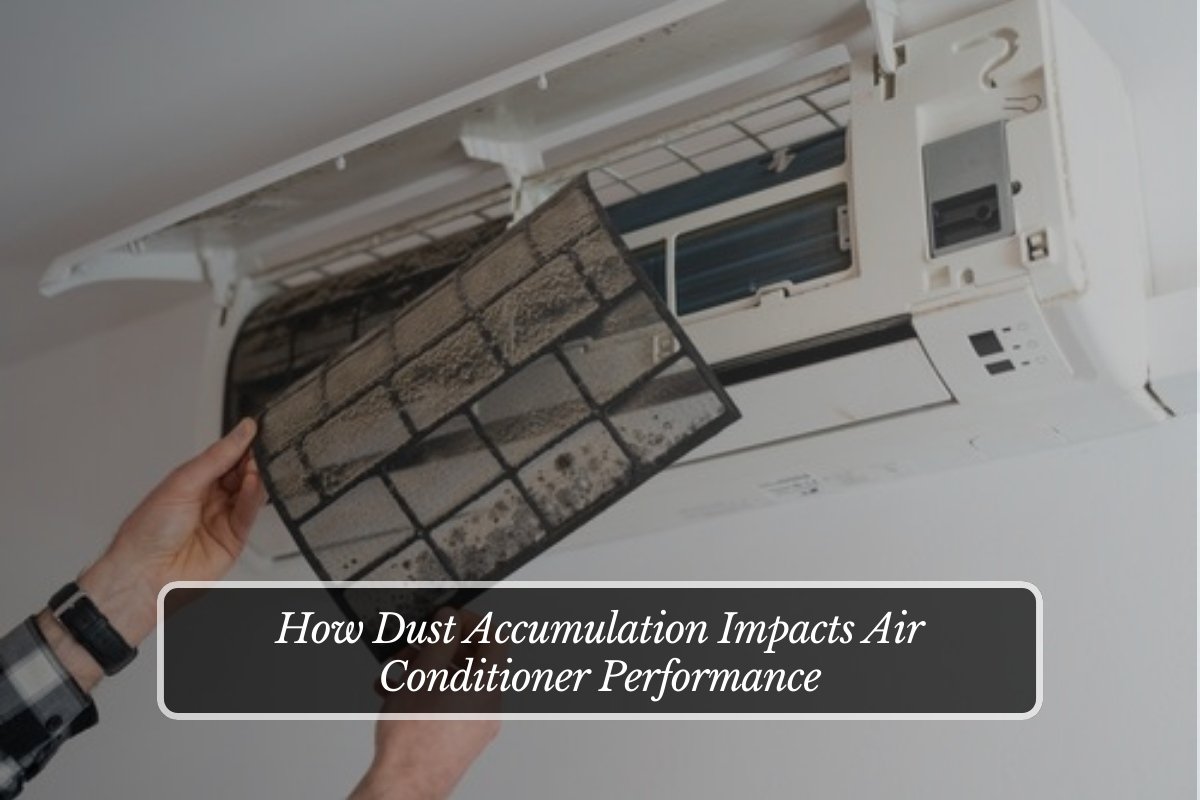
Restricted airflow is one of the most common causes of compressor failure. Dirty filters, blocked coils, or debris around the outdoor unit force the compressor to work harder to move heat.
Routine maintenance includes:
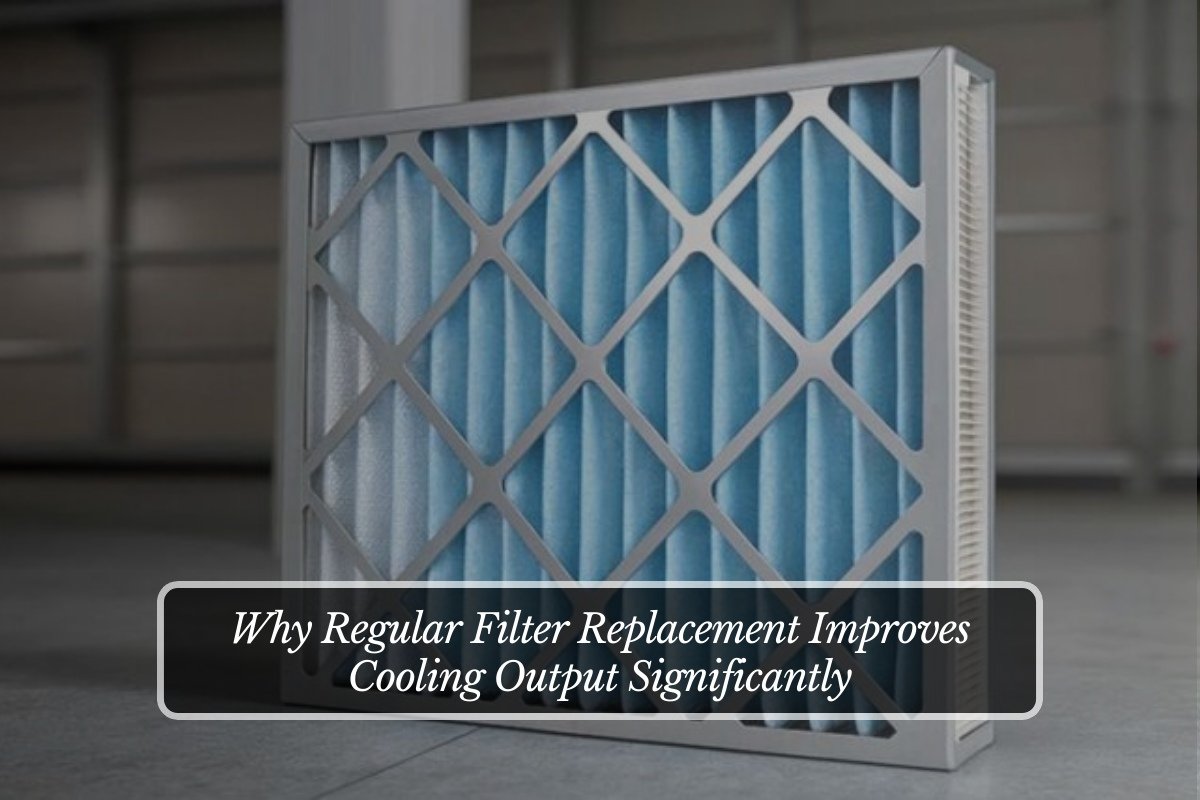
- Cleaning or replacing air filters
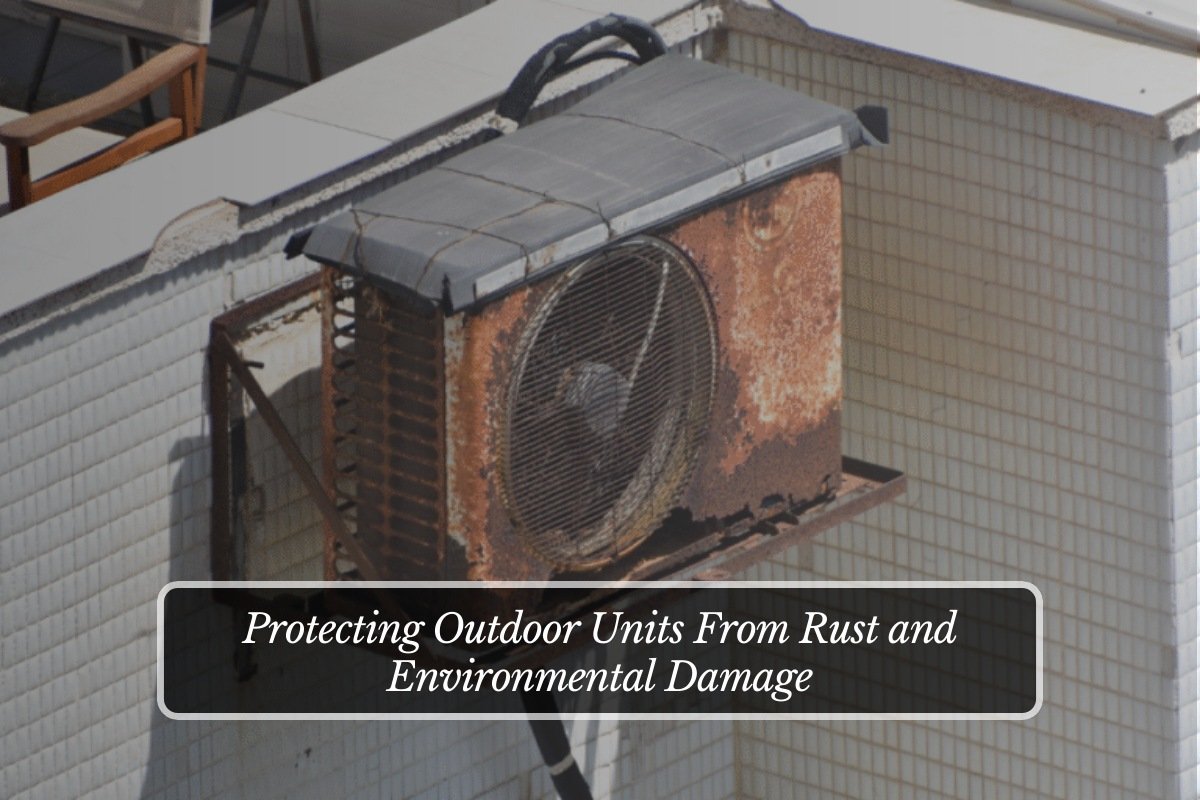
- Clearing debris from condenser units
- Cleaning evaporator and condenser coils
Proper airflow keeps operating temperatures within safe limits, reducing thermal stress on the compressor and preventing overheating of electrical components.
Protecting Compressors From Refrigerant Imbalances
Compressors are designed to operate with precise refrigerant levels. Too little refrigerant causes the compressor to overwork, while too much increases pressure and strain.
During maintenance, technicians check refrigerant pressures and system performance. Early detection of leaks or imbalances prevents excessive load on the compressor, which is one of the leading causes of premature failure.
Reducing Electrical Strain and Component Wear
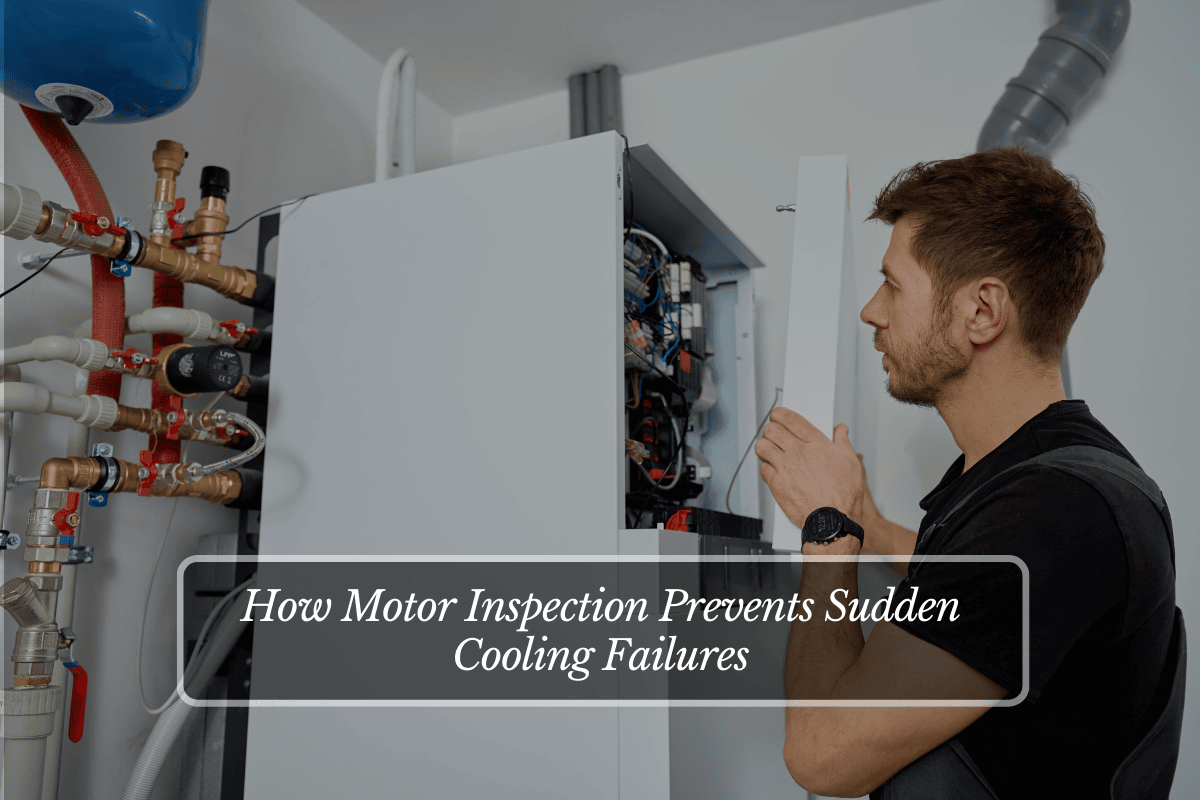
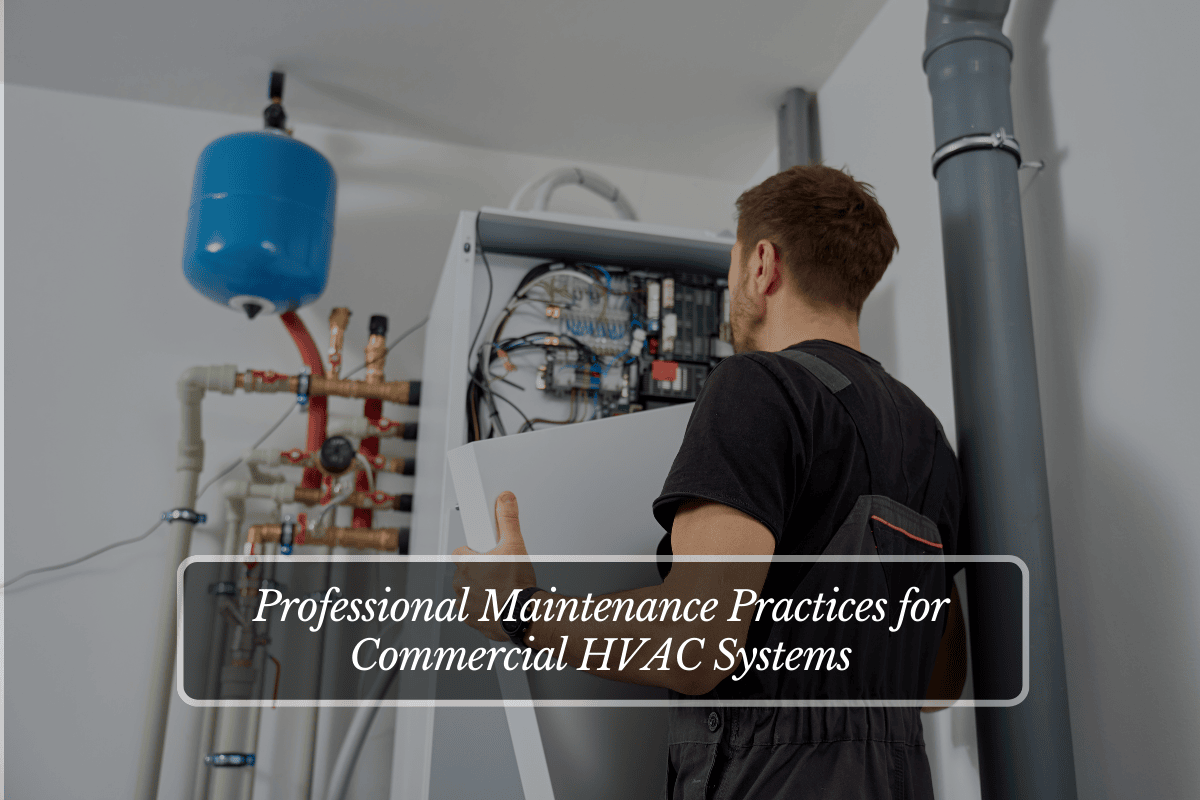
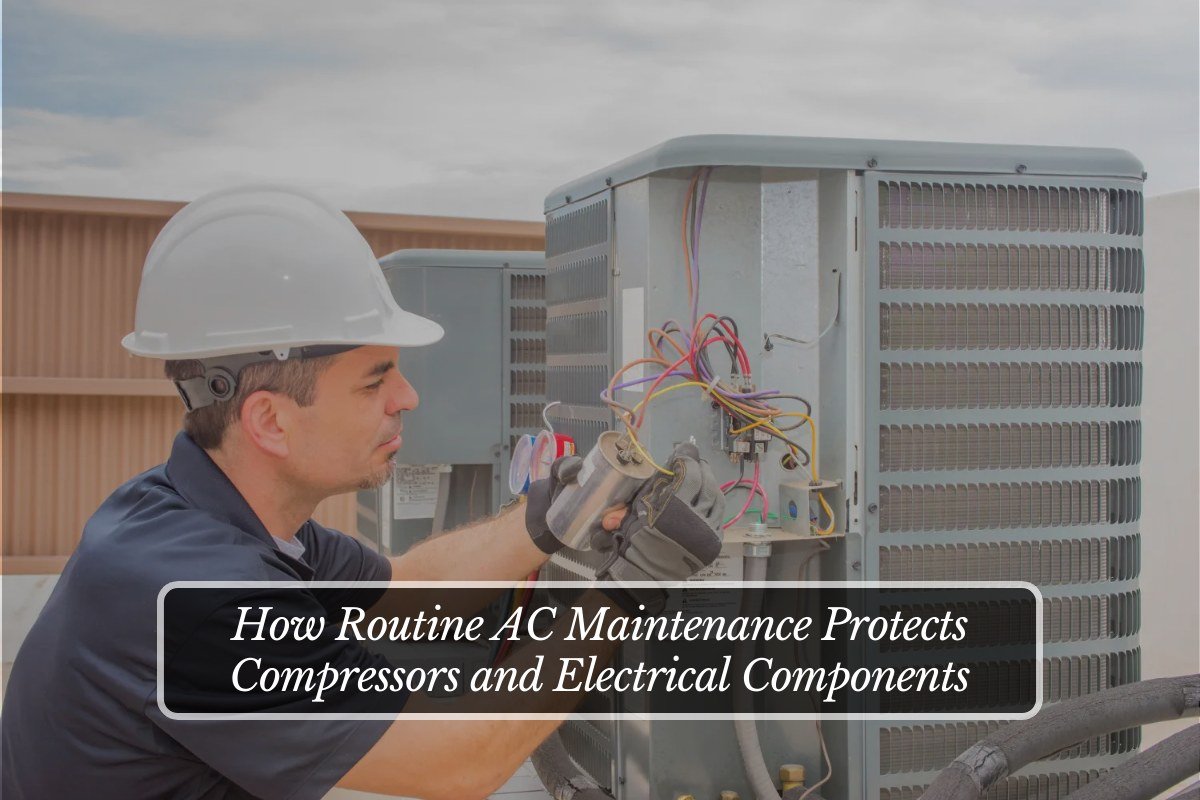
Electrical components such as capacitors, contactors, relays, and wiring are sensitive to heat, vibration, and power fluctuations. Over time, connections can loosen, components can weaken, and resistance can increase.
Routine maintenance helps by:
- Tightening electrical connections
- Testing capacitors and contactors
- Inspecting wiring for wear or damage
These steps reduce electrical resistance and heat buildup, protecting components from burnout and sudden failure.
Preventing Short Cycling and Power Surges
Short cycling—when an AC turns on and off too frequently—places extreme stress on both compressors and electrical systems. This behavior is often caused by dirty components, sensor issues, or airflow problems.
Maintenance ensures that:
- Thermostats are calibrated correctly
- Sensors are functioning properly
- System cycles are balanced
Stable cycling reduces the number of electrical starts and stops, which significantly extends compressor and motor life.
Managing Voltage and Current Irregularities
Voltage fluctuations can silently damage electrical components over time. High or low voltage conditions cause motors and compressors to draw improper current, leading to overheating and insulation breakdown.
Technicians measure voltage and amperage during maintenance visits to ensure the system is operating within manufacturer specifications. Early detection allows corrective action before damage occurs.
Minimizing Vibration and Mechanical Stress
Loose mounts, unbalanced fans, or worn components can cause excessive vibration. Vibration accelerates wear on electrical connections and internal compressor components.
Maintenance inspections identify and correct these issues early, reducing mechanical stress and protecting sensitive electrical terminals from loosening or arcing.
Preventing Moisture-Related Electrical Damage
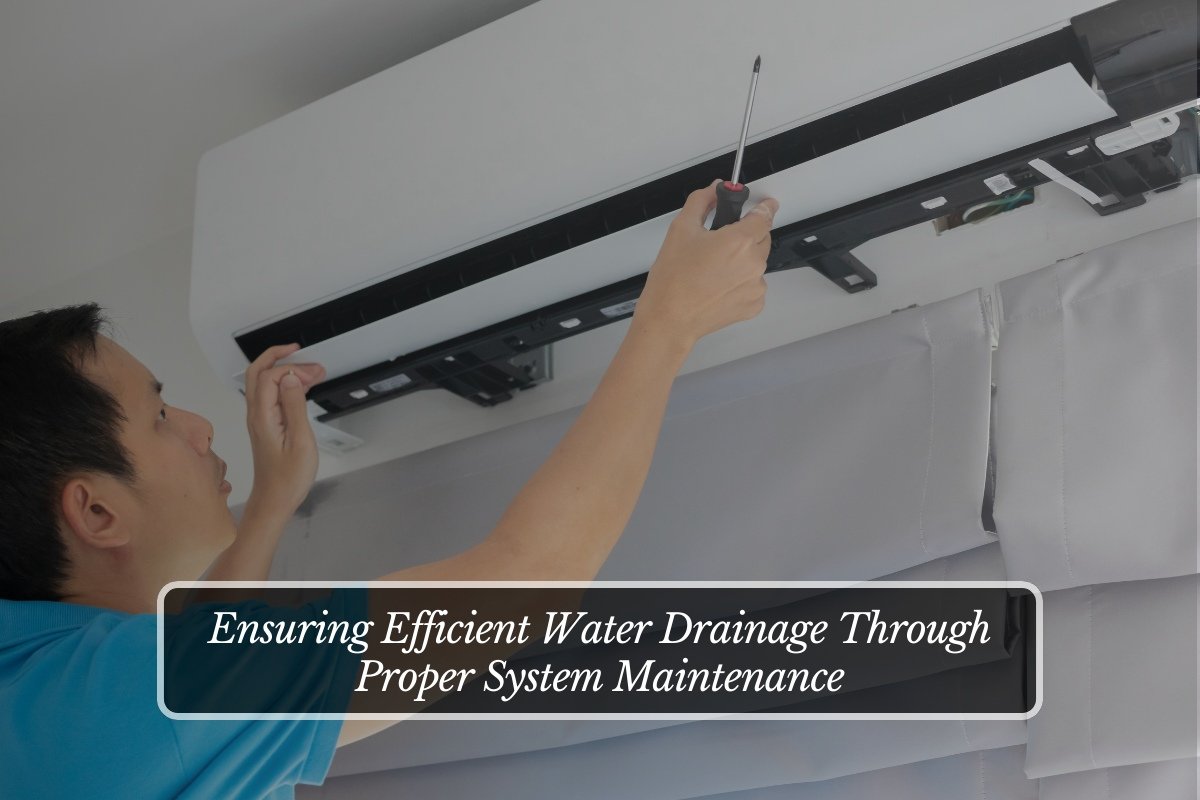
Condensation is a normal part of AC operation, but improper drainage or clogged condensate lines can allow moisture to contact electrical parts.
Routine maintenance includes inspecting and clearing drain lines and pans. This prevents corrosion, short circuits, and electrical failures caused by water exposure.
Extending System Lifespan Through Early Detection
Many compressor and electrical failures begin as minor issues—weak capacitors, slightly elevated temperatures, or early wiring wear. These problems are rarely noticeable to homeowners until failure occurs.
Regular maintenance allows technicians to detect and address early warning signs before they cause catastrophic damage, often saving thousands in repair or replacement costs costs.
Lowering Repair Costs and Avoiding Emergency Breakdowns
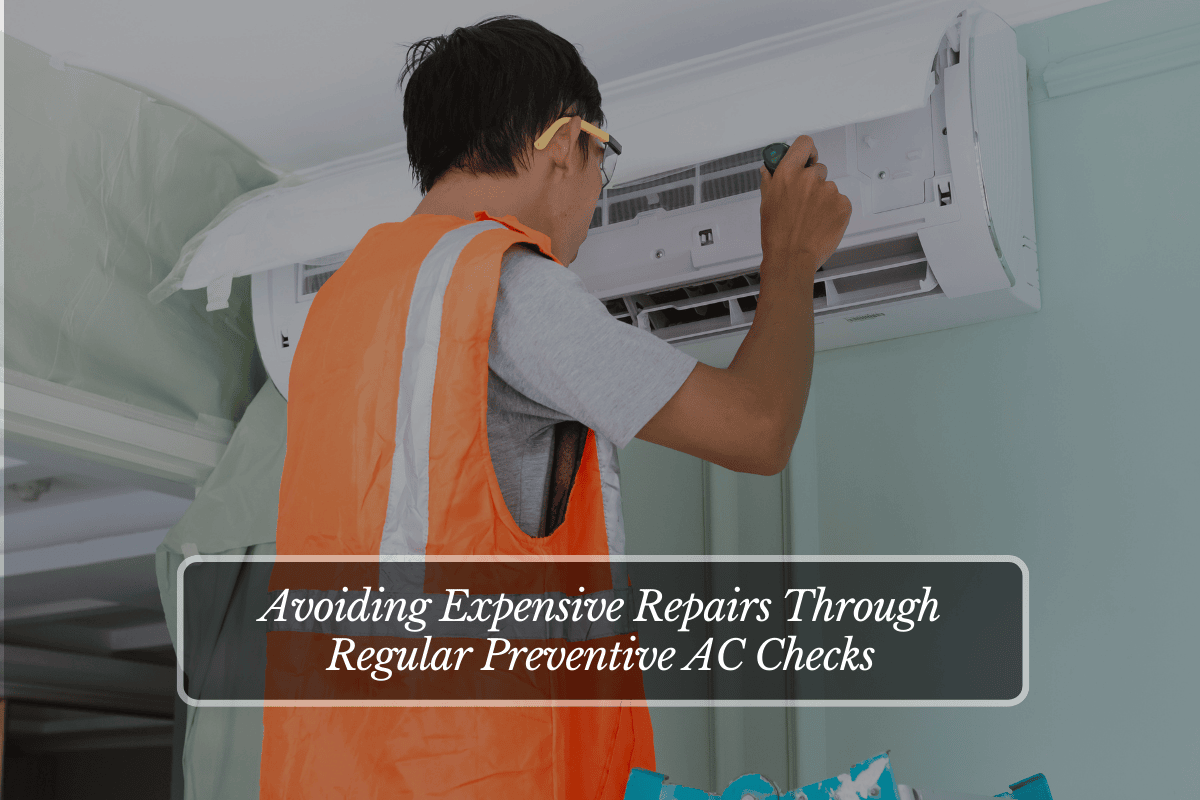
Compressors and electrical components are among the most expensive AC parts to replace. Preventive maintenance significantly reduces the likelihood of emergency failures during extreme heat, when systems are under the most stress.
By keeping components clean, balanced, and properly powered, routine maintenance protects your investment and reduces long-term operating costs.
Frequently Asked Questions (FAQ)
Q. Can AC maintenance really prevent compressor failure
Yes. Many compressor failures are caused by overheating, refrigerant issues, or electrical stress—all of which maintenance helps prevent.
Q. How often should AC maintenance be done
At least once a year, ideally before the peak cooling season.
Q. Are electrical components checked during standard maintenance
Yes. Professional maintenance includes inspection and testing of key electrical parts.
Q. Is compressor replacement expensive
Yes. Compressor replacement is one of the most costly AC repairs and often approaches the cost of system replacement.
Q. Does skipping maintenance void warranties
In many cases, yes. Manufacturers often require documented maintenance to keep warranties valid.
Routine AC maintenance is one of the most effective ways to protect compressors and electrical components—the most critical and costly parts of an air conditioning system. By ensuring proper airflow, balanced refrigerant levels, stable electrical performance, and early problem detection, maintenance prevents unnecessary strain and failure. Investing in regular service is not just about comfort; it is about safeguarding the core of your cooling system and avoiding preventable, expensive repairs.