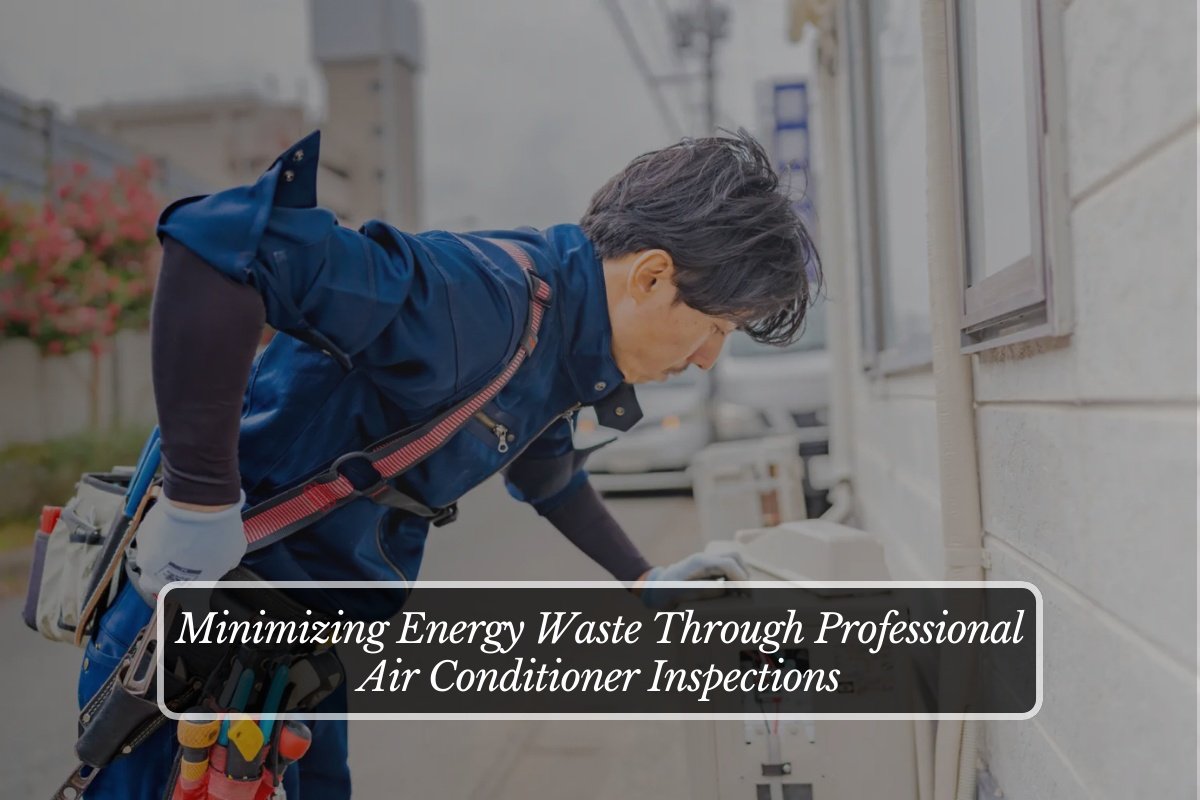
Professional air conditioning service optimizes system performance by addressing inefficiencies like dirty coils and refrigerant imbalances, yielding 15-25% energy savings that translate to $200+ annual reductions on average household bills.
Technicians use specialized tools to restore airflow, calibrate components, and fine-tune operations, far surpassing DIY efforts that miss 40-50% of underlying issues. Regular tune-ups not only lower consumption but extend lifespan 50%, preventing breakdowns that spike usage during inefficient operation.
Cleaning and Optimizing Coils
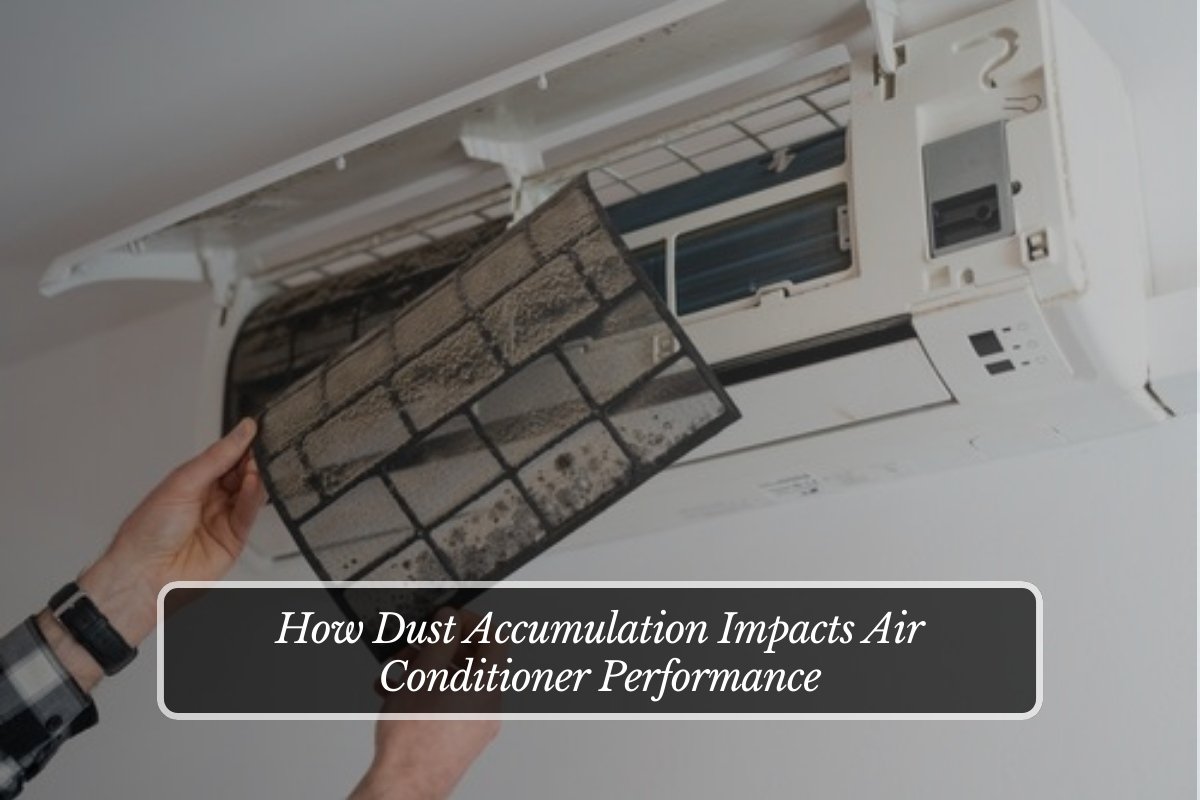
Evaporator and condenser coils accumulate dust, reducing heat transfer by 20-30% and forcing compressors to run longer, consuming 35% more power. Pros deep-clean with coils sprays and vacuums, restoring SEER ratings; neglected coils drop efficiency from 16 to 10 SEER equivalents.
Fin straightening with combs ensures even refrigerant flow, cutting runtime 10-15%. Annual service prevents hotspots degrading coils prematurely, saving 15% electricity versus quarterly DIY wipes.
Refrigerant Management and Leak Detection
Low refrigerant from leaks starves systems, causing 25% efficiency loss as compressors overcompensate. Certified techs detect micro-leaks with electronic sniffers, repair, and recharge to precise superheat/subcooling levels, optimizing cycles.
EPA-compliant handling avoids fines; proper charge balances pressures, reducing energy draw 10-20% and preventing frozen coils that halt operation.
Airflow Restoration Through Filters and Ducts
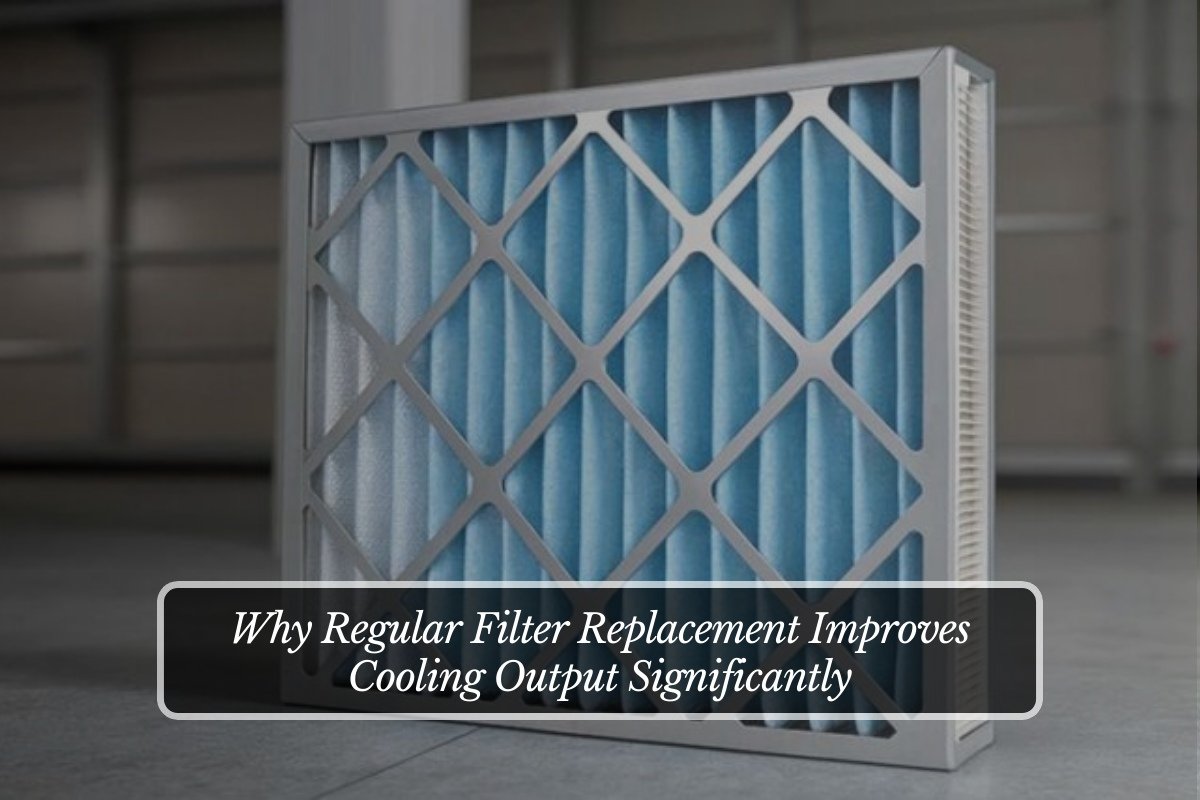
Clogged filters restrict flow 50%, straining blowers; pros recommend MERV 8-13 replacements and test static pressure, ensuring 400 CFM/ton standard. Duct sealing with mastic recaptures 20-30% lost air, eliminating leaks common in 80% of homes.
Blower cleaning and motor lubrication minimize friction, boosting fan efficiency 15%; variable-speed calibration further saves 7-10%.
Electrical and Component Tuning
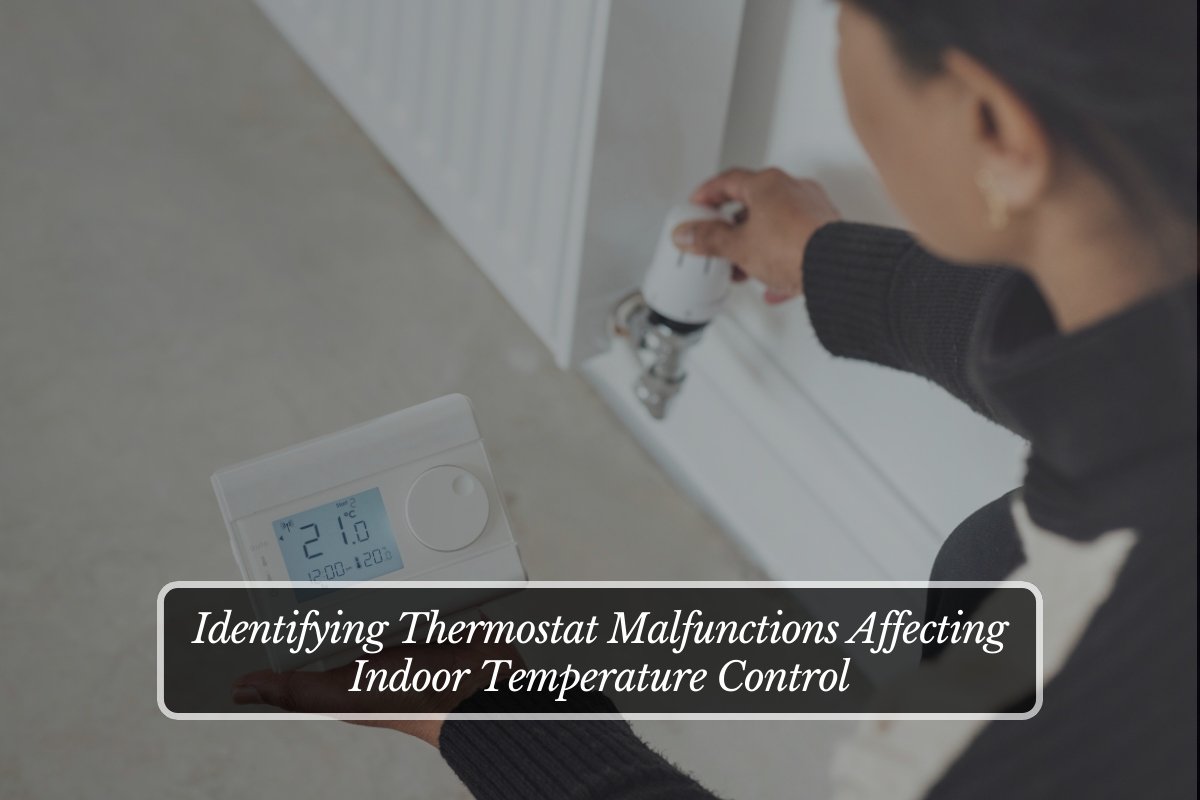
Loose connections increase resistance 10-15%; technicians tighten terminals, test capacitors (failing ones draw 20% extra amps), and lubricate bearings. Thermostat recalibration prevents overshoot, saving 5-8%; safety controls like pressure switches avert inefficient restarts.
System-Wide Performance Testing
Pros measure delta-T (16-22°F supply-return), airflow, and amp draws against nameplate specs, adjusting for 95% peak operation. Load calculations ensure right-sizing, avoiding short-cycling that wastes 25% energy.
Indoor Air Quality and Secondary Gains
Clean coils/filters trap 90% pollutants, easing load; UV lights during service kill microbes, maintaining efficiency long-term. Better IAQ reduces humidity, preventing mold that clogs drains 20% faster.
Cost-Benefit Analysis
$150 biannual service yields 5-10x ROI via savings and averted $2,000 repairs; high-efficiency homes save $300+/year. Programs like Energy Star rebates incentivize.
Best Practices for Maximizing Gains
Schedule spring/fall; pair with programmable thermostats (7% savings). Insulate attics, use ceiling fans to cut runtime 10%.
FAQs
Q. How much energy do pro services save?
15-25% via coil cleaning/refrigerant optimization, equaling $200+ yearly on average bills.
Q. Why prioritize coil maintenance for efficiency?
Dust insulates 20-30%, forcing 35% extra power; pros restore SEER fully.
Q. Does duct sealing impact AC energy use?
Recaptures 20-30% lost air, standard in 80% leaky homes.
Q. What role do capacitors play in savings?
Failing ones draw 20% extra amps; testing/tuning cuts resistance 10-15%.
Q. Are tune-ups worth the biannual cost?
5-10x ROI from savings/repairs avoided, extending life 50%.