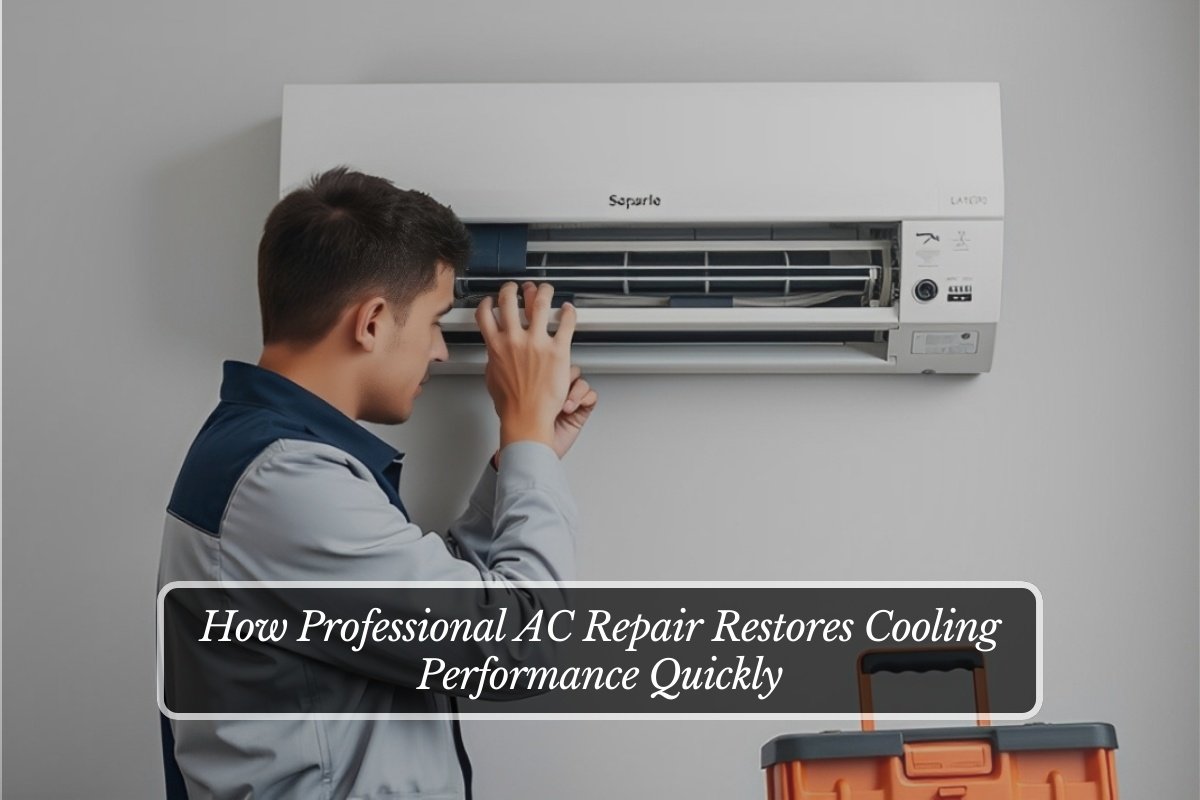
Professional AC repair swiftly diagnoses and fixes issues that degrade cooling efficiency, often restoring full performance in hours rather than days. Technicians use specialized tools and expertise to address root causes like refrigerant leaks or electrical faults, preventing minor problems from escalating. This targeted approach minimizes downtime, saves energy costs, and extends unit lifespan during peak heat seasons.
Thorough Diagnostic Process
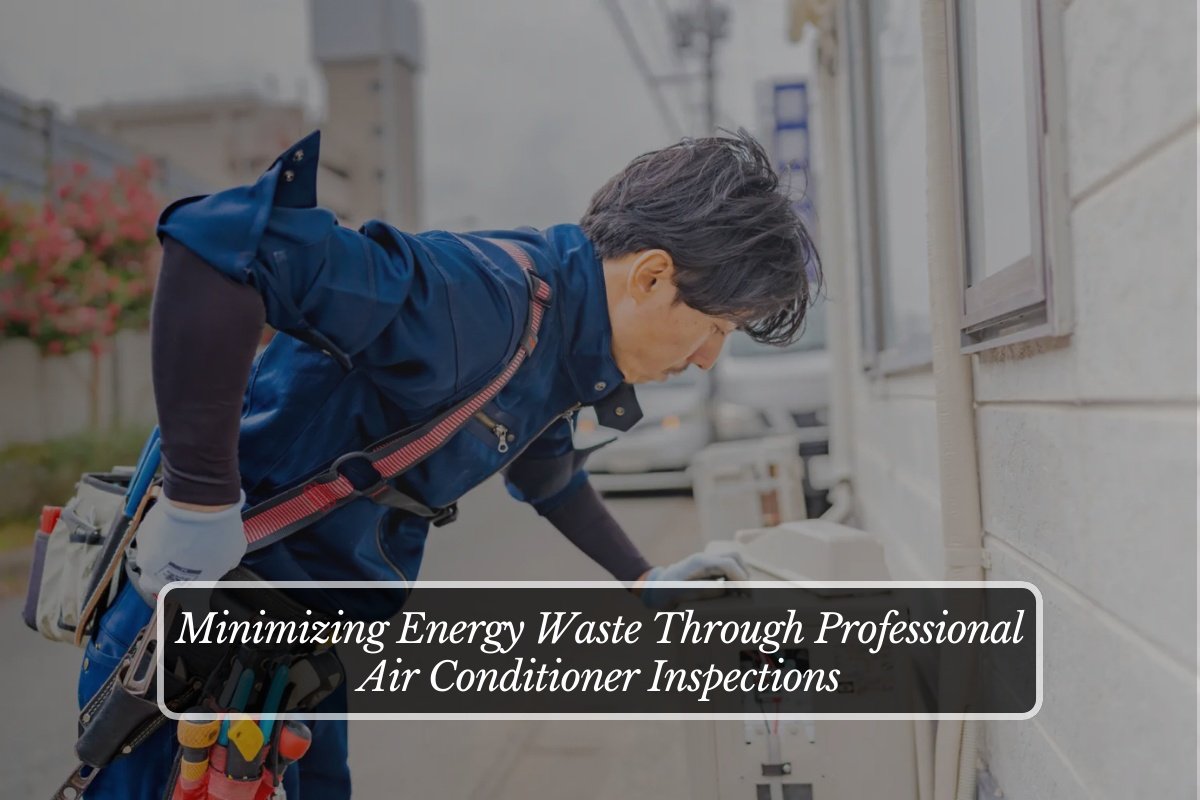
Experts begin with a comprehensive inspection, checking power supply, thermostat settings, and circuit breakers for tripped issues. They test airflow across evaporator coils, measure voltage at components, and scan for error codes on modern smart units. Thermal imaging reveals hot spots indicating failing capacitors or compressors, pinpointing problems invisible to homeowners.
This systematic evaluation—often completed in under 30 minutes—avoids guesswork, ensuring repairs target inefficiencies like restricted ducts causing uneven cooling.
Cleaning and Optimizing Key Components
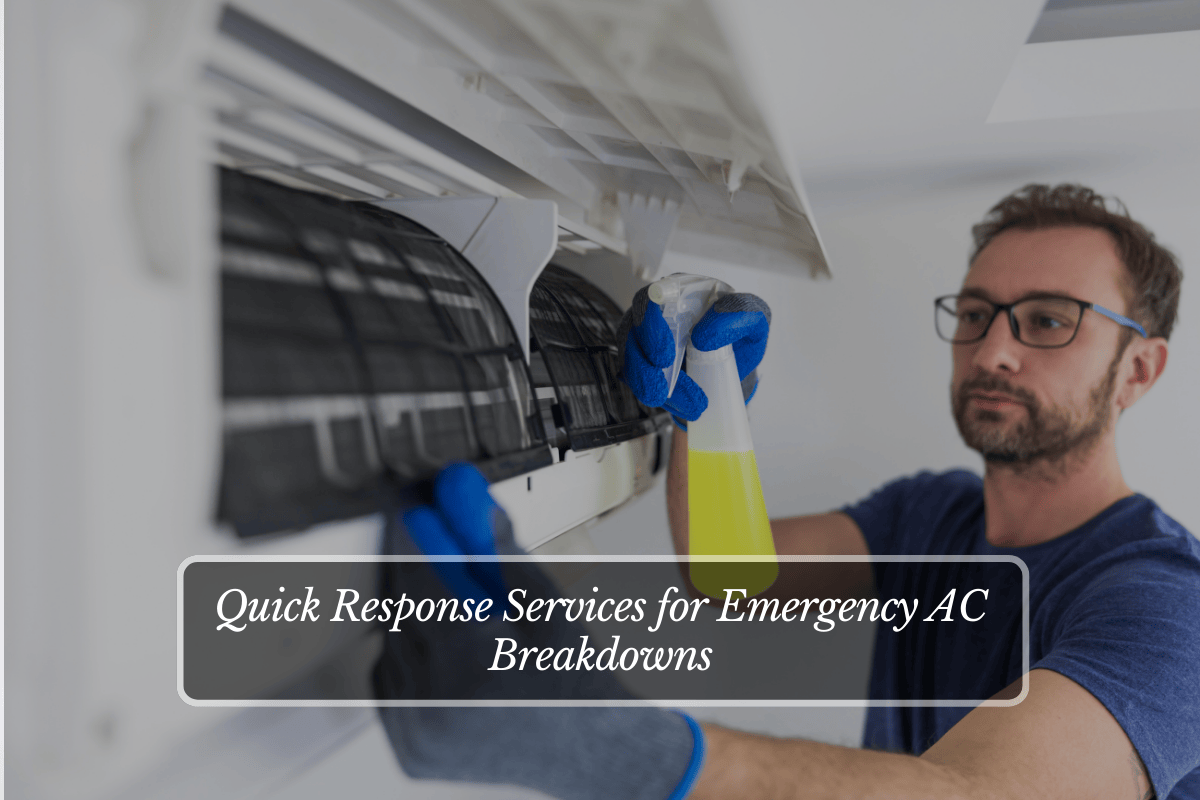
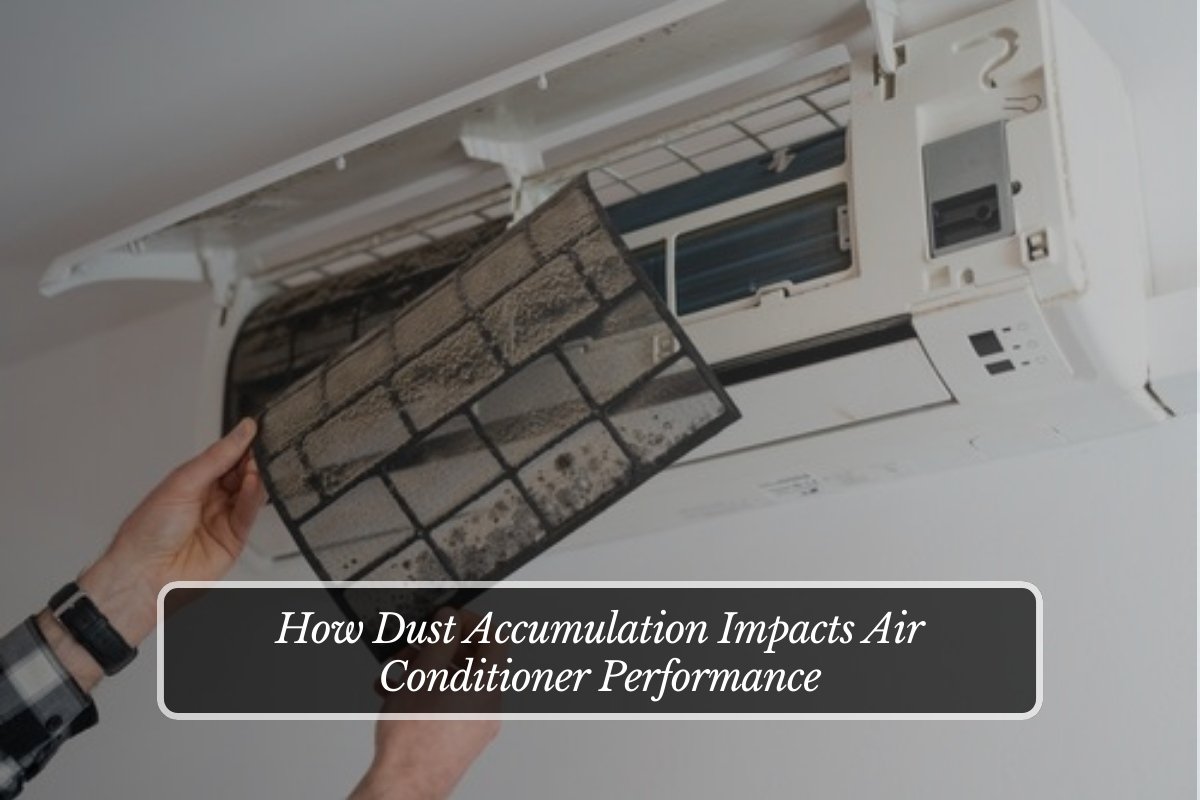
Dirty coils and filters top common culprits; professionals deep-clean evaporator and condenser coils with commercial-grade foams and high-pressure rinses, removing debris that blocks heat transfer. They straighten bent fins using fin combs to maximize airflow, boosting efficiency by up to 20%.
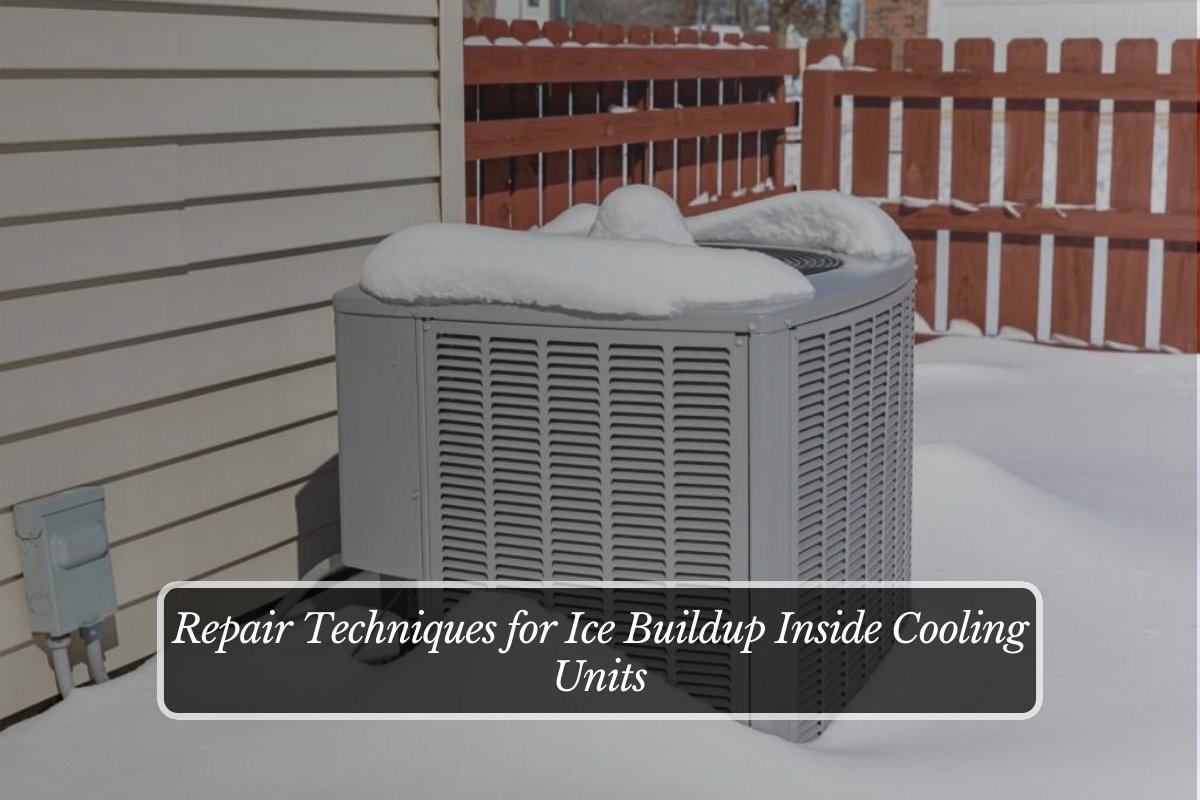
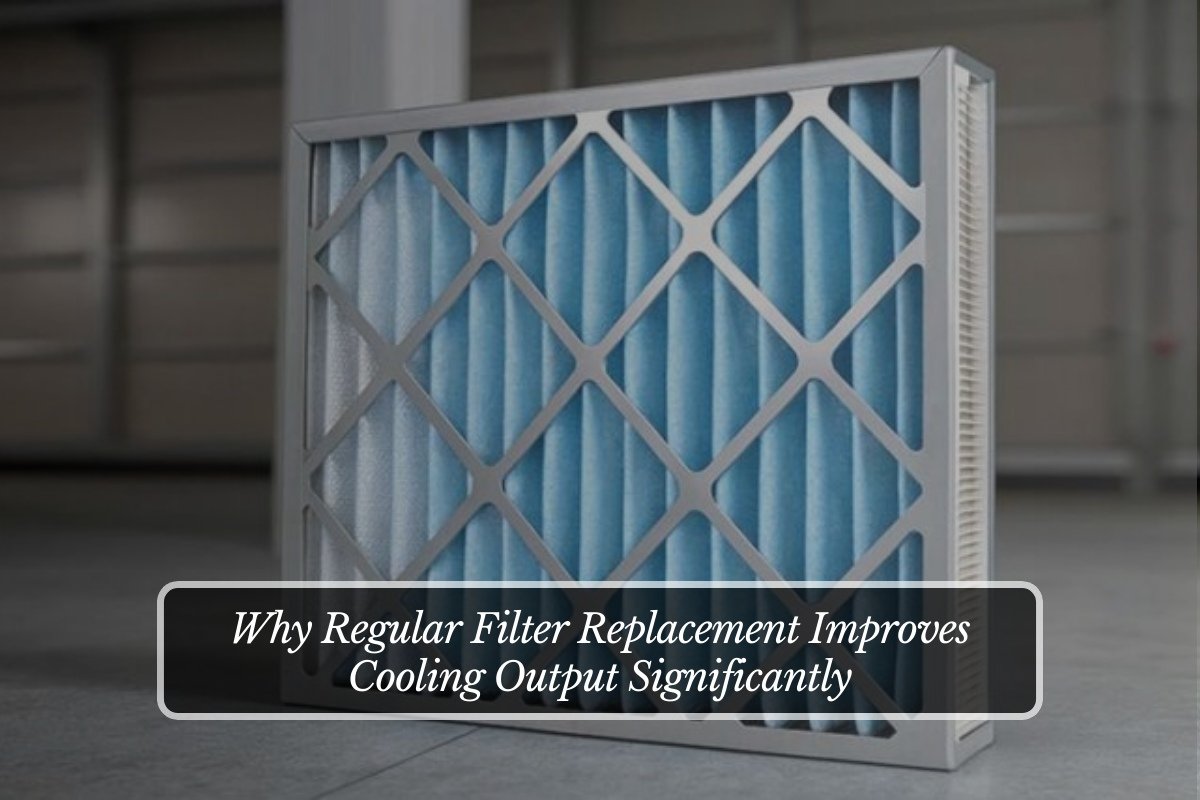
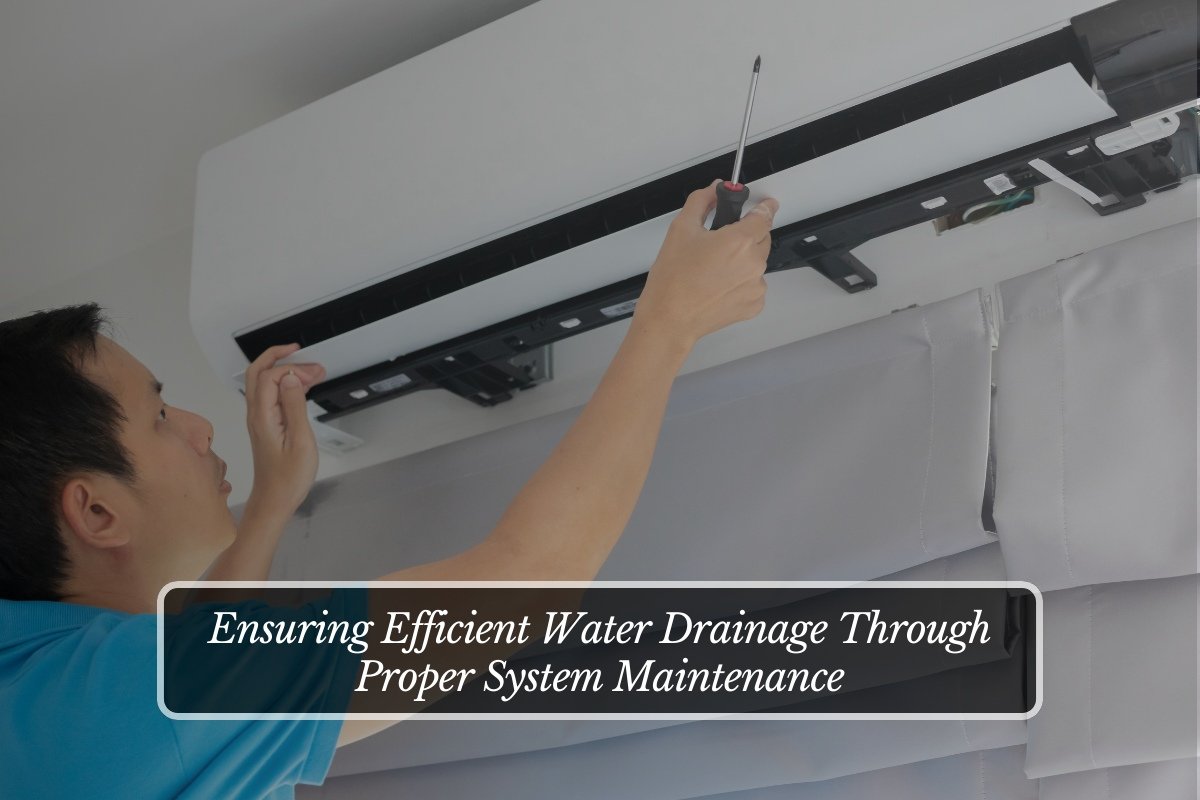
Clogged condensate drains get flushed with bleach solutions or nitrogen blasts, preventing water backups that freeze coils and halt operation. Air filters receive replacement with high-MERV options matched to the system.
Refrigerant System Restoration
Low refrigerant from leaks cripples cooling; certified techs use manifold gauges to check pressures, then employ electronic detectors for micro-leaks in coils or lines. They recover, vacuum, and recharge with precise EPA-approved amounts, often sealing punctures via epoxy injections.
Filter-driers get swapped to trap moisture and contaminants, restoring the cycle’s efficiency without overcharging, which strains compressors.
Electrical and Mechanical Fixes
Capacitors—start/run units for motors—fail frequently; pros test capacitance with multimeters and replace dual-run models swiftly, restoring fan and compressor startup. Fan motors receive lubrication or full swaps if bearings seize, while belts get tensioned or renewed.
Wiring inspections tighten connections and apply non-conductive coatings, averting shorts amid vibrations.
Ductwork and System Balancing
Leaky ducts waste 20-30% of cooled air; technicians use smoke tests or anemometers to seal gaps with mastic, then balance airflow via dampers for even distribution. Vents clear blockages, ensuring conditioned air reaches all rooms without hot spots.
Post-repair calibration verifies thermostat accuracy and sequences heating/cooling modes safely.
Testing and Preventive Upgrades
Final performance tests run full cycles, measuring temperature drops (typically 15-20°F), static pressures, and amp draws to confirm peak operation. Pros recommend upgrades like variable-speed blowers or UV lights for mold prevention, enhancing long-term reliability.
Homeowners receive reports with before/after metrics, empowering informed maintenance.
Benefits of Speed and Expertise
Professional interventions cut repair times to 1-4 hours versus DIY trial-and-error, slashing energy bills by 10-15% immediately. They prevent cascading failures—like dirty coils stressing compressors—extending life by years and avoiding $5,000+ replacements.
In hot climates, rapid restoration maintains comfort and health, proving investment in pros over patchy fixes.
FAQ
Q1: What starts a professional AC repair?
A: Power checks, thermostat tests, and thermal scans diagnose airflow, electrical, or refrigerant issues quickly.
Q2: How do pros clean coils effectively?
A: Commercial foams, rinses, and fin combs restore heat transfer, outperforming DIY methods.
Q3: Why recharge refrigerant professionally?
A: Gauges detect leaks precisely; vacuuming and EPA-compliant filling prevent overcharge damage.
Q4: What electrical repairs are common?
A: Capacitor swaps, wiring tightens, and motor lubes restore startup and smooth operation.
Q5: How ensure repairs last?
A: Cycle tests, duct seals, and upgrades like UV lights verify efficiency and prevent recurrence.