Maintenance drastically cuts unpleasant odors from air conditioners by preventing mold, bacteria, and dust buildup in key components. Regular care ensures clean airflow, extends unit life, and avoids health risks like allergies in US homes.
Common Odor Causes
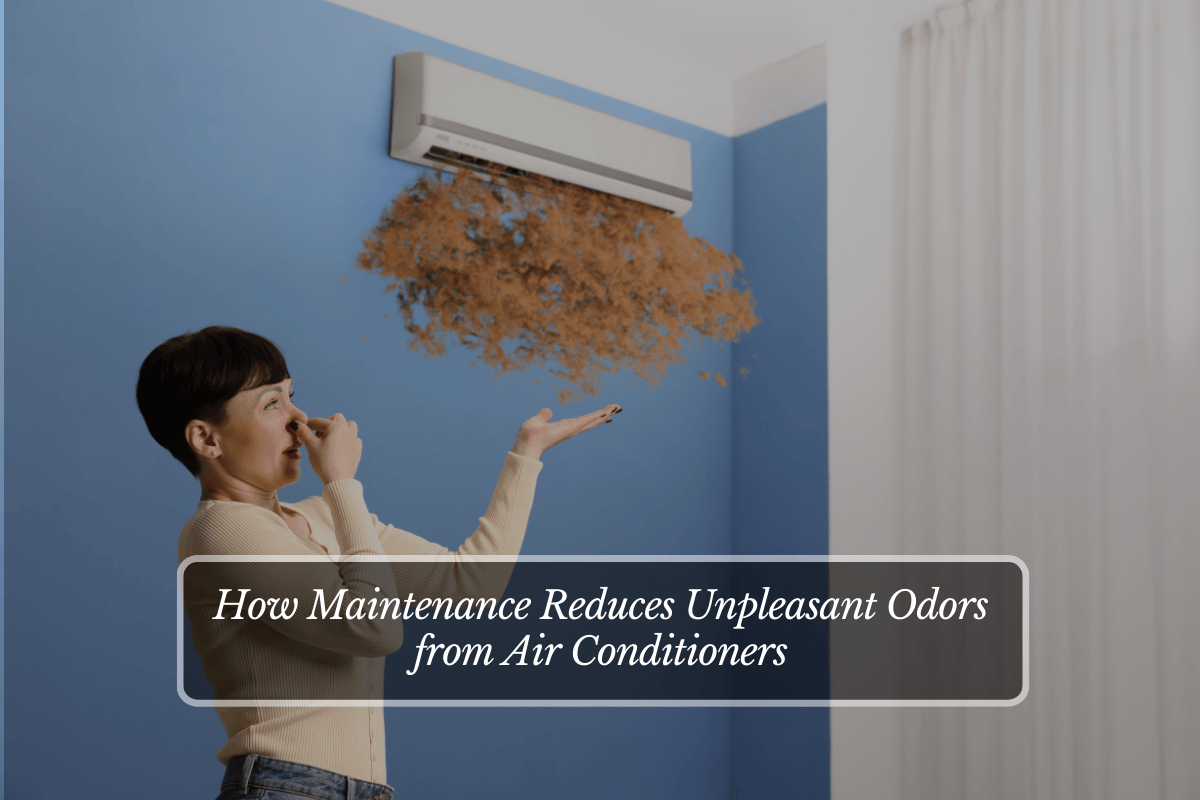
Musty smells stem from moisture-trapped mold on evaporator coils, clogged drain lines breeding bacteria, or dirty filters recirculating debris. Stagnant condensate in pans creates swampy odors, while neglected outdoor units draw pests. In humid climates, unchecked growth amplifies issues, spiking energy use 15-20% as systems strain.
Filter Maintenance
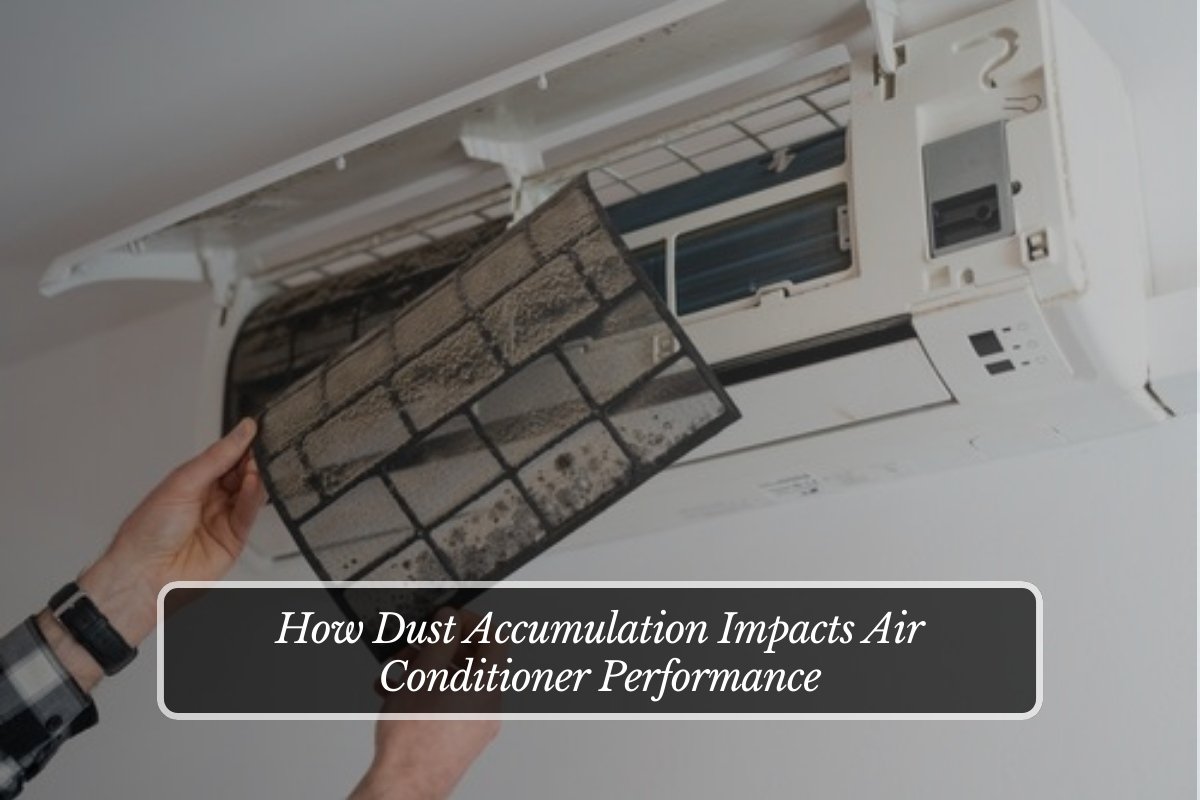
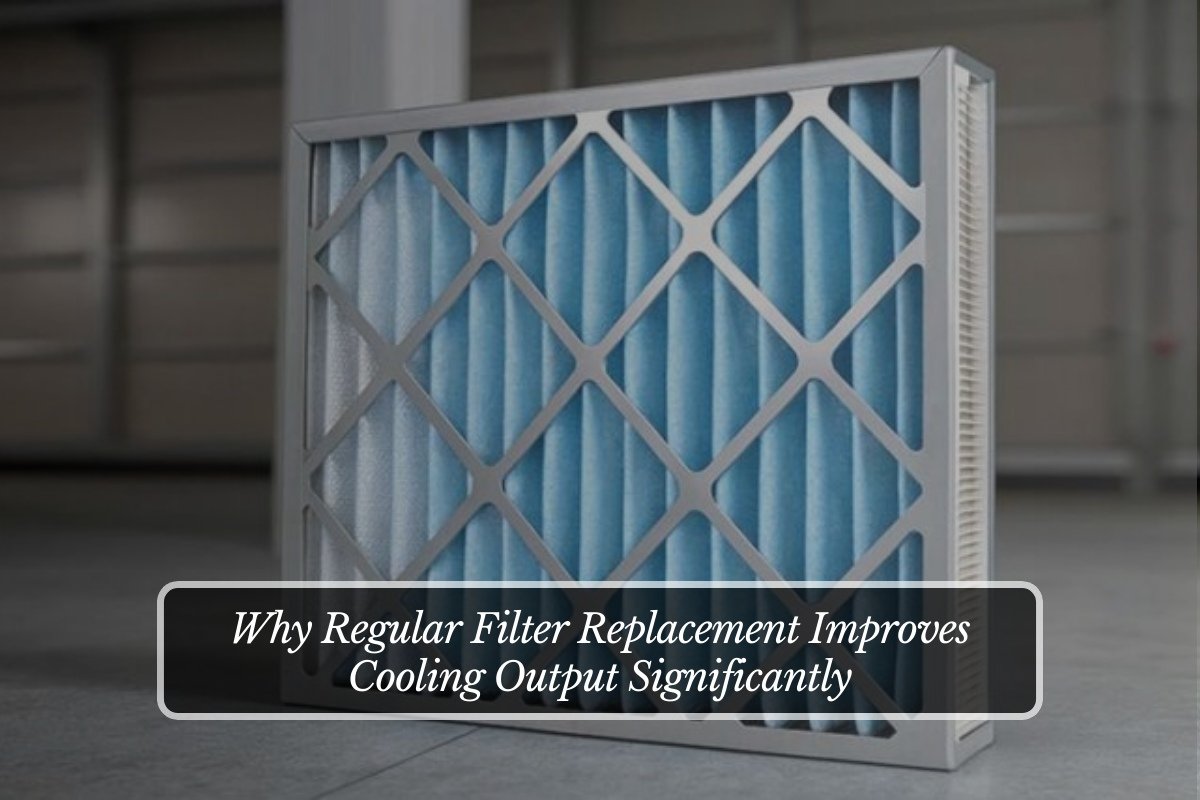
Replace or clean filters monthly—the frontline defense trapping 90% of airborne gunk. Dirty ones restrict flow, fostering damp conditions for mildew that blows indoors.
Steps:
- Turn off AC at breaker.
- Slide out filter from return vent.
- Vacuum or rinse reusable types; swap disposables (MERV 8-13 ideal).
- Check arrow direction toward airflow.
This 5-minute task eliminates 70% of odors instantly.
Drain Line and Pan Cleaning
Clogged lines pool water, spawning bacteria—flush quarterly with vinegar solution (1:1 water-vinegar) using a wet vac. Pans collect slime; wipe with bleach mix (1:10 dilution).
Routine:
- Locate PVC drain near indoor unit.
- Pour solution; run fan mode 1 hour post-clean.
- Install pan tablets (anti-microbial) for prevention.
Clears blockages, drops musty smells 80%.
Coil and Fan Care
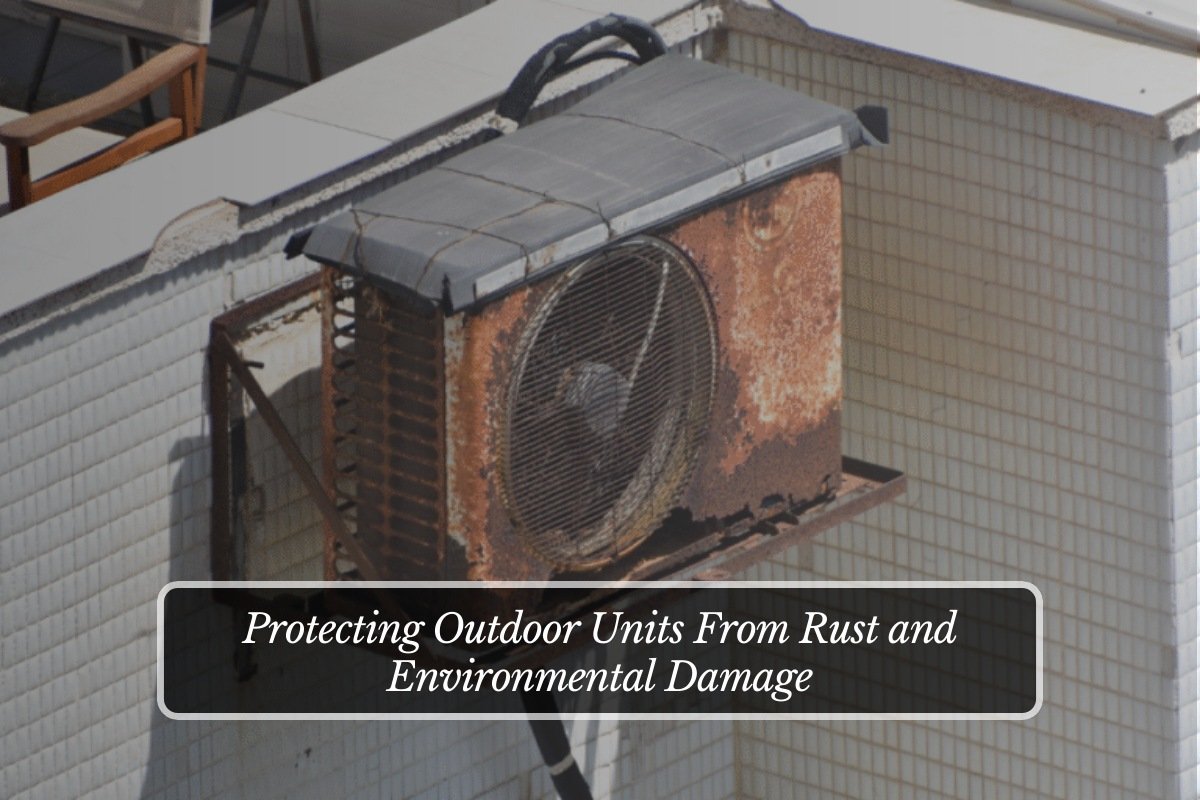
Evaporator coils inside accumulate grime; clean biannually with no-rinse foam cleaner. Brush gently, let dry fully. Condenser coils outside shed dirt via hose—clear debris yearly.
Fans blow contaminants; wipe blades with microfiber and disinfectant. Dry operation (fan-only mode 2 hours after cooling) kills lingering moisture.
Ducts and Vents
Vacuum registers quarterly; pros clean full ducts every 3-5 years if odors persist. Damp ducts recycle smells—run exhaust fans to vent humidity.
Add UV lights or purifiers for continuous sterilization, zapping 99% bacteria.
Maintenance Schedule
Yields 50% fewer service calls.
Advanced Prevention
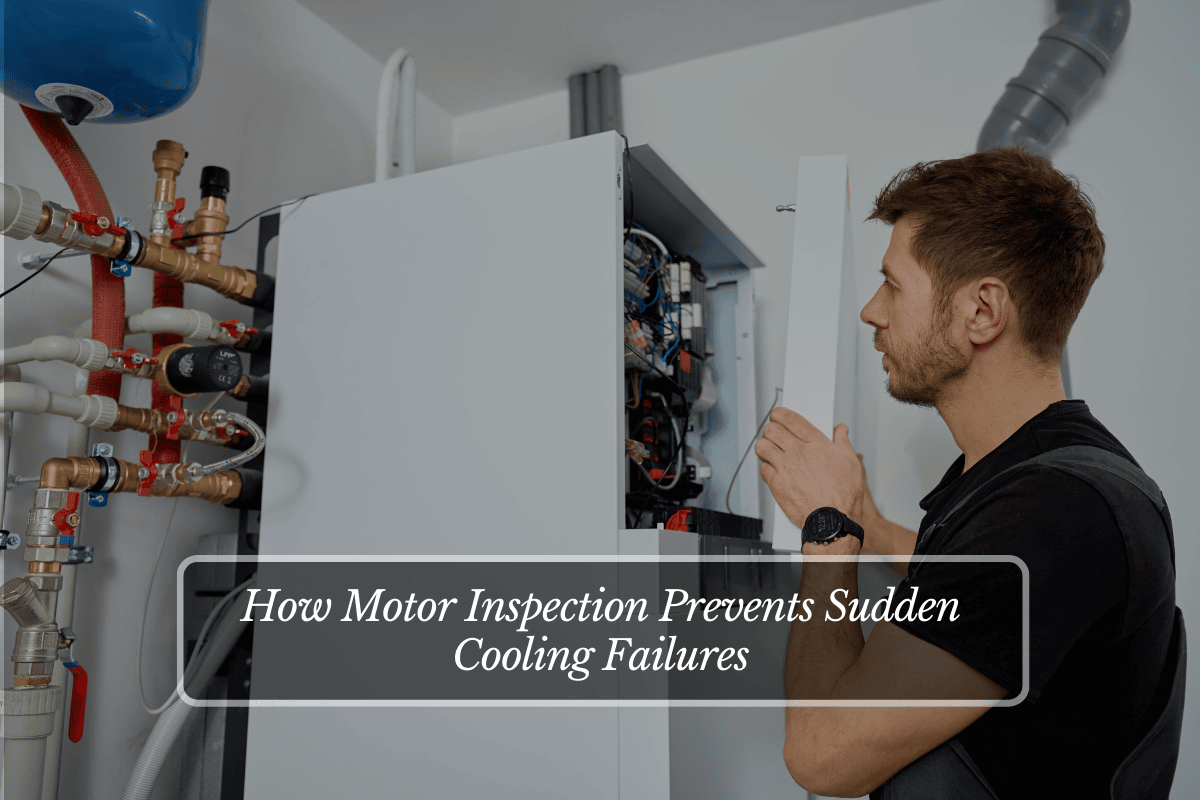
Inverter models self-clean; opt for anti-mold filters. Dehumidifiers hold 30-50% RH indoors. Schedule techs for refrigerant checks—leaks worsen moisture.
Post-clean, run fan mode daily in humid seasons. Track via apps for reminders.
Cost-Benefit Reality
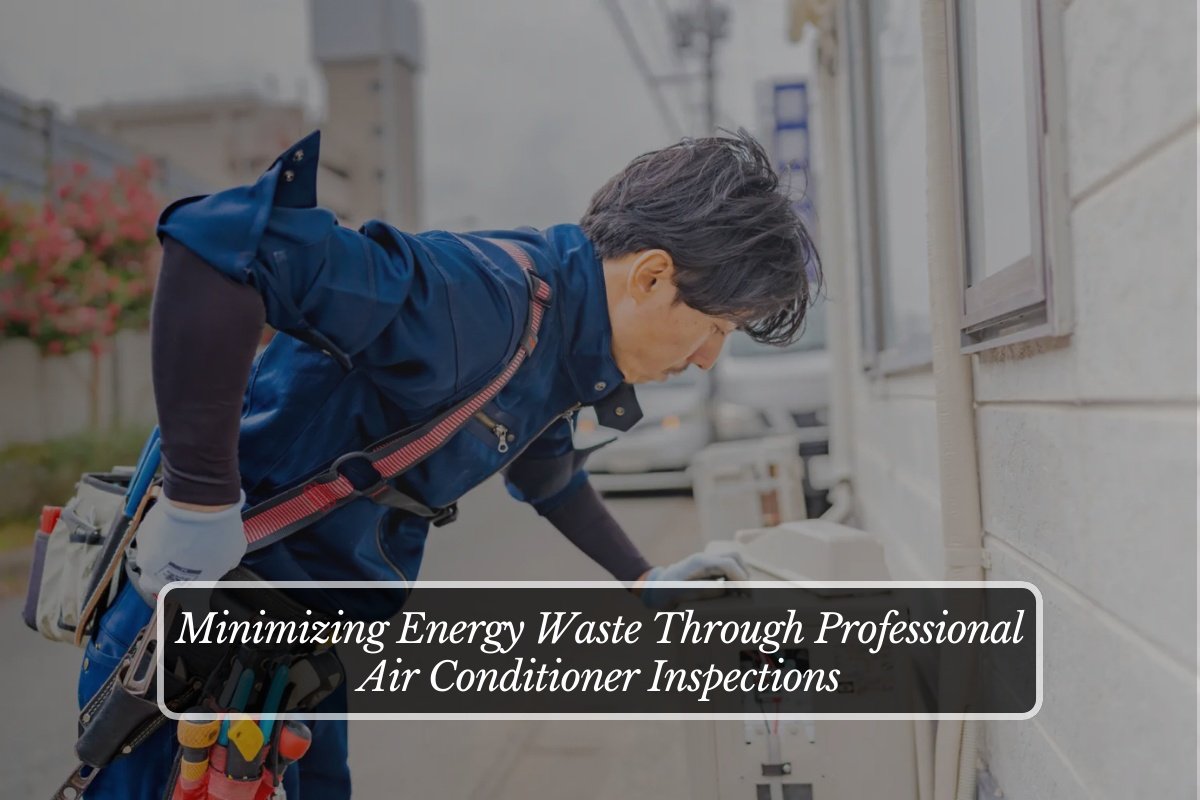
DIY upkeep costs $50/year in supplies, saves $200+ in repairs. Annual pro service ($100-200) prevents $1,000 breakdowns. Cleaner air boosts health, cuts allergies 30%.
Neglect? Mold spreads to walls, risking $5K remediation. Proactive owners enjoy odor-free summers.
Long-Term Habits
Pair with ventilation: Open windows off-peak, use exhausts. Choose ENERGY STAR units with easy-access panels. Educate households—kids’ fingerprints harbor germs.
US pros emphasize: “Clean AC, clean home.” Consistent maintenance transforms units from odor sources to silent allies.
FAQs
1. Vinegar safe for drains?
Yes, kills 82% bacteria naturally; rinse after.
2. Musty smell persists?
Call pros for mold inspection—DIY limits reach.
3. Filter type matters?
Pleated MERV 11 balances flow and capture.
4. Dry mode essential?
Critical in humidity >60%; prevents 90% growth.
5. UV lights worth it?
Yes, continuous kill—ROI in 2 years via health.