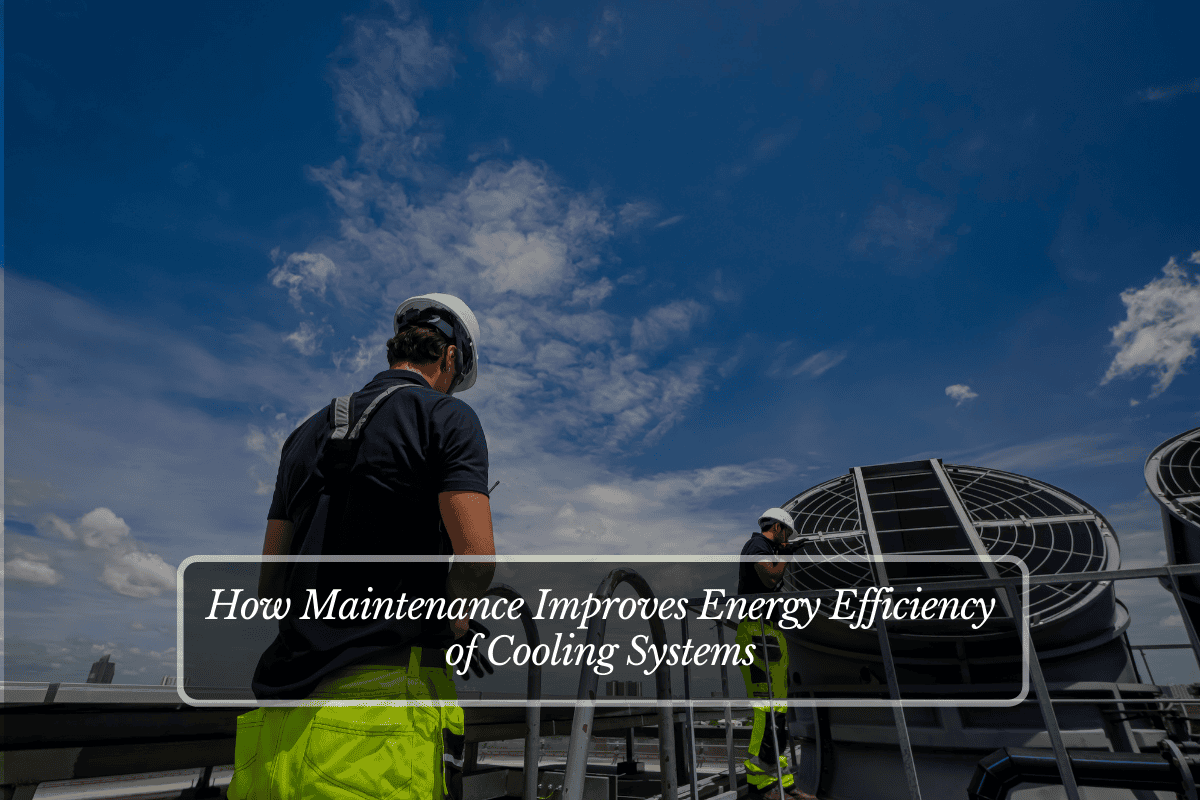
Regular maintenance optimizes cooling systems for peak performance, slashing energy use by up to 30% in U.S. homes battling summer heat. Clean components and proper calibration ensure efficient heat transfer, cutting bills and extending unit life from Texas humidity to California droughts.
Clean Air Filters Restore Airflow
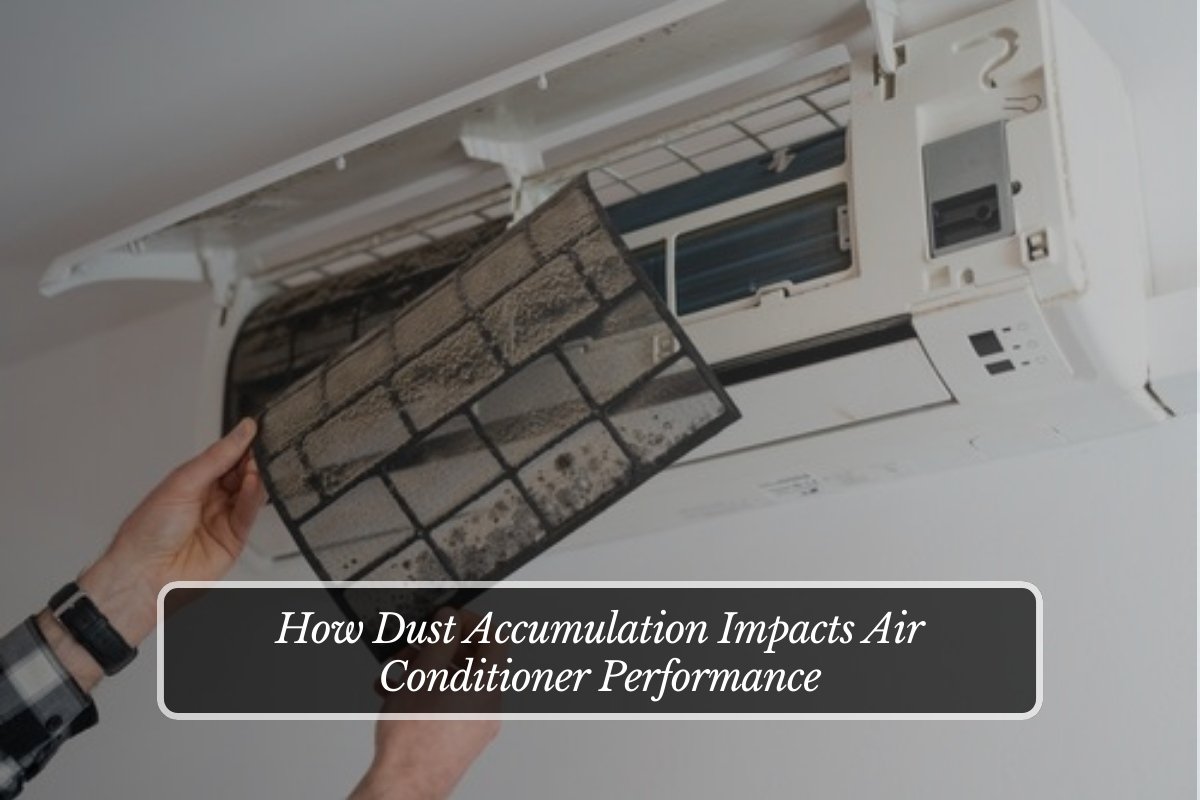
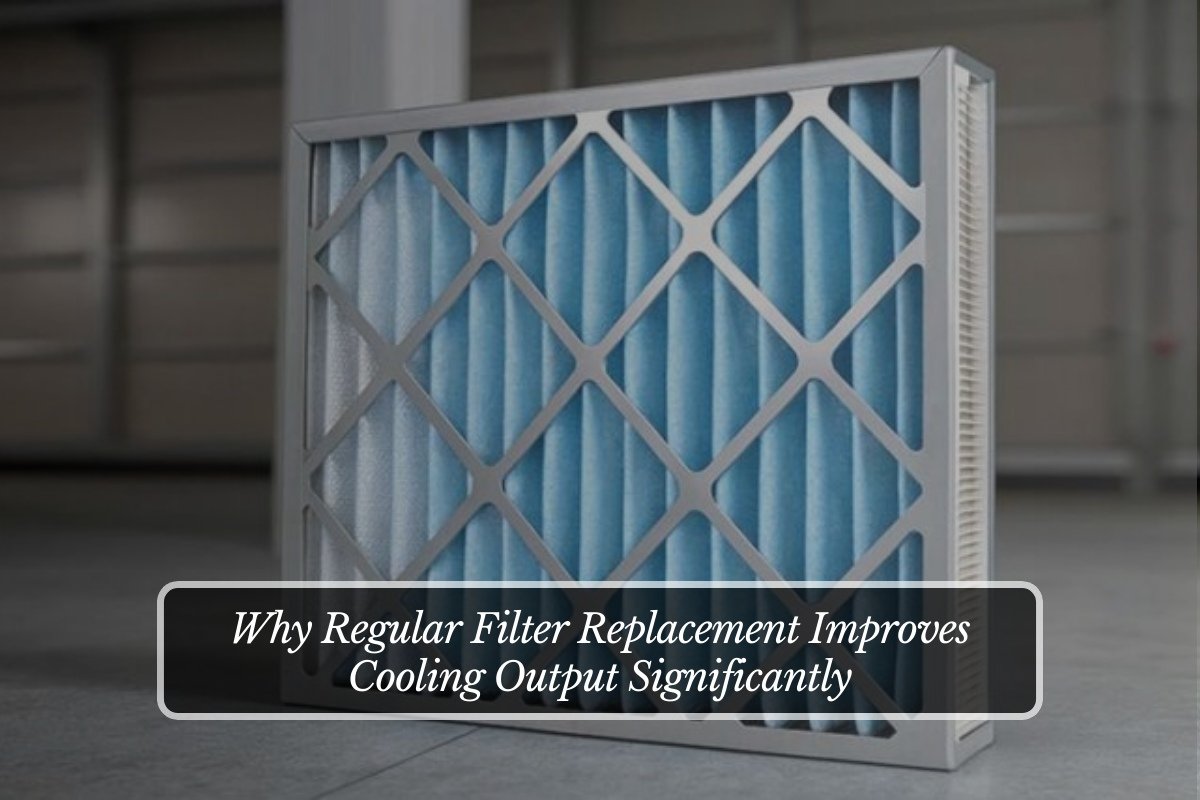
Dirty filters restrict airflow, forcing blowers to work harder and dropping efficiency 15% per U.S. Department of Energy data. Monthly swaps to MERV 8-13 pleats maintain 400+ CFM, letting cooled air circulate freely without over-cycling.
Improved volume reduces static pressure on motors, saving 5-10% on fan power alone. Neglect spikes delta-T issues, where supply air warms prematurely.
Homeowners reclaim comfort without extra runtime.
Coil Cleaning Maximizes Heat Exchange
Evaporator and condenser coils fouled by dust insulate against heat absorption and rejection, cutting capacity 21% with minimal buildup. Annual pro foaming or brushing restores fin efficiency, dropping compressor amp draw 20-30%.
Straightened fins via combs boost surface area 10%, enhancing refrigerant phase changes. Cleaner coils prevent freezing, eliminating defrost cycles that waste kilowatts.
Systems regain SEER ratings lost to grime.
Refrigerant Optimization Prevents Waste
Low charge from leaks starves evaporators, while overcharge stresses condensers—both lift head pressure 15-25 psi, demanding excess power. Techs leak-check, evacuate, and recharge to nameplate R-410A or R-32 levels per ARI standards.
TXV or piston metering tweaks ensure superheat/subcooling hits 8-12°F/10°F, balancing flow. Proper levels restore COP from 2.5 to 3.5, slashing kWh per ton.
Precision tuning yields measurable savings.
Component Tuning Cuts Parasitic Loads
Lubricate fan motors and check capacitors—failing starts pull 5x running amps, overheating windings. Belt-driven blowers tighten to 1/2-inch play, preventing slippage that wastes 10% drive power.
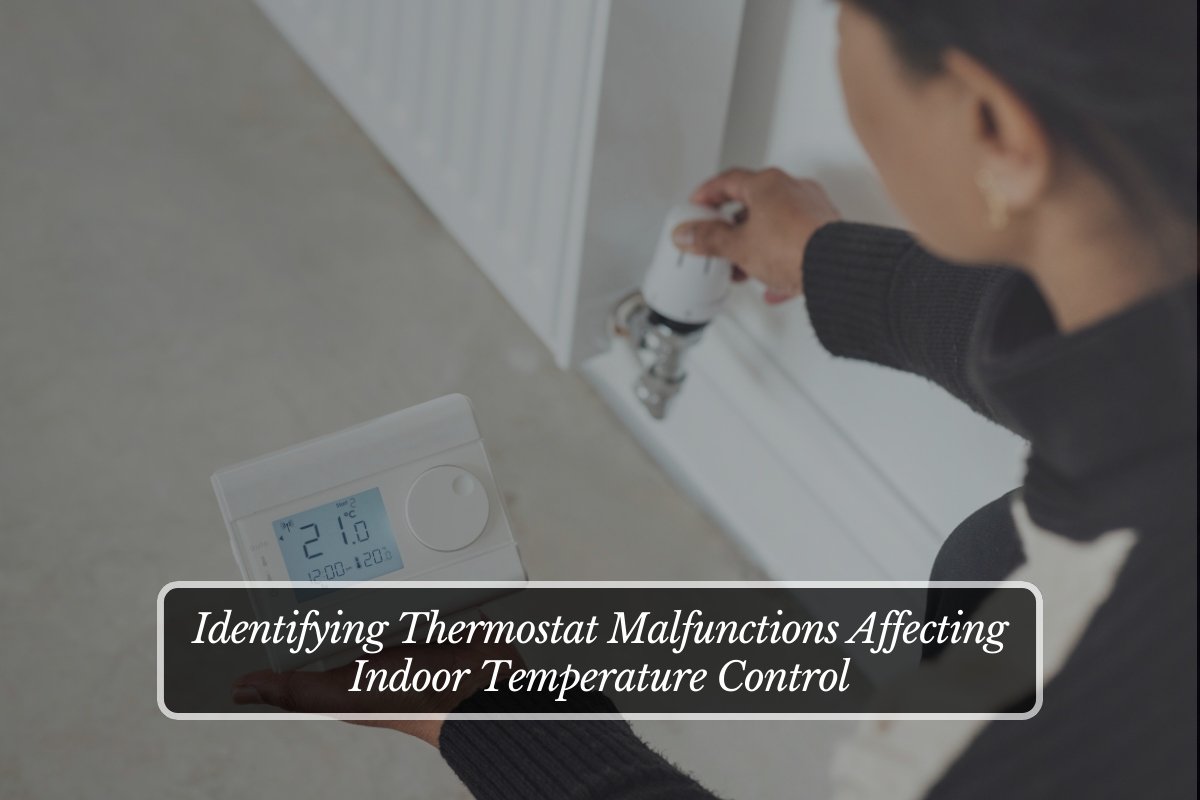
Thermostat calibration to ±1°F prevents overshoot; programmable models with eco-modes shave 20% idle draw. Variable-speed ECM blowers self-optimize, outperforming PSC relics.
Tuned auxiliaries compound gains.
Duct Sealing Eliminates Leaks
Leaky ducts lose 20-30% conditioned air in attics or crawls, burdening units 24% harder. Mastic or foil tape seals joints, recovering 700+ CFM lost to 0.1-inch w.g. static—pressure tests verify under 0.05.
Insulated flex runs to R-8 prevent gains in hot garages. Aeroseal tech fills voids robotically, ideal for retrofits in 60 million U.S. homes.
Sealed paths multiply maintenance ROI.
Electrical and Controls Efficiency
Tighten terminals to 20 in-lbs, preventing voltage drop that overheats contactors 10°C. Clean drain pans avoid float safeties tripping prematurely, cutting nuisance outages.
Smart diagnostics flag runtimes over 15 SEER thresholds, guiding fixes. Annual tune-ups restore factory efficiency, per ENERGY STAR protocols.
Proactive checks preempt losses.
Long-Term System Health
Maintained units run 15-20 years versus 10 for neglected, delaying $8,000 replacements. Reduced wear drops repair calls 50%, with fewer compressor swaps or coil failures.
Lower emissions align with 2026 net-zero pushes, saving 1 ton CO2 yearly per household.
Sustained care compounds savings.
Seasonal and Regional Strategies
Southern states prioritize bi-annual condensers for pollen; arid zones focus evaporators against dust. Pre-season tune-ups align with peak demand, dodging utility surcharges.
DIY filters bridge to pro visits, maximizing uptime.
Implementation Roadmap
Schedule spring tune-ups via NATE techs; track via apps logging static, charge, and amps. Maintenance contracts lock 15% discounts, averaging $150/year versus $600 crises.
Efficiency audits quantify pre-post kWh drops.
Investments pay dividends seasonally.
Frequently Asked Questions (FAQs)
1. How much can filter changes save?
5-15% energy via restored airflow, per DOE.
2. Why clean coils annually?
Regains 21% capacity lost to fouling.
3. Does refrigerant affect efficiency?
Yes—proper charge cuts head pressure, boosting COP 30%.
4. What about duct leaks?
Seal 20-30% losses, recovering 700 CFM.
5. How long do maintained units last?
15-20 years, versus 10 neglected.