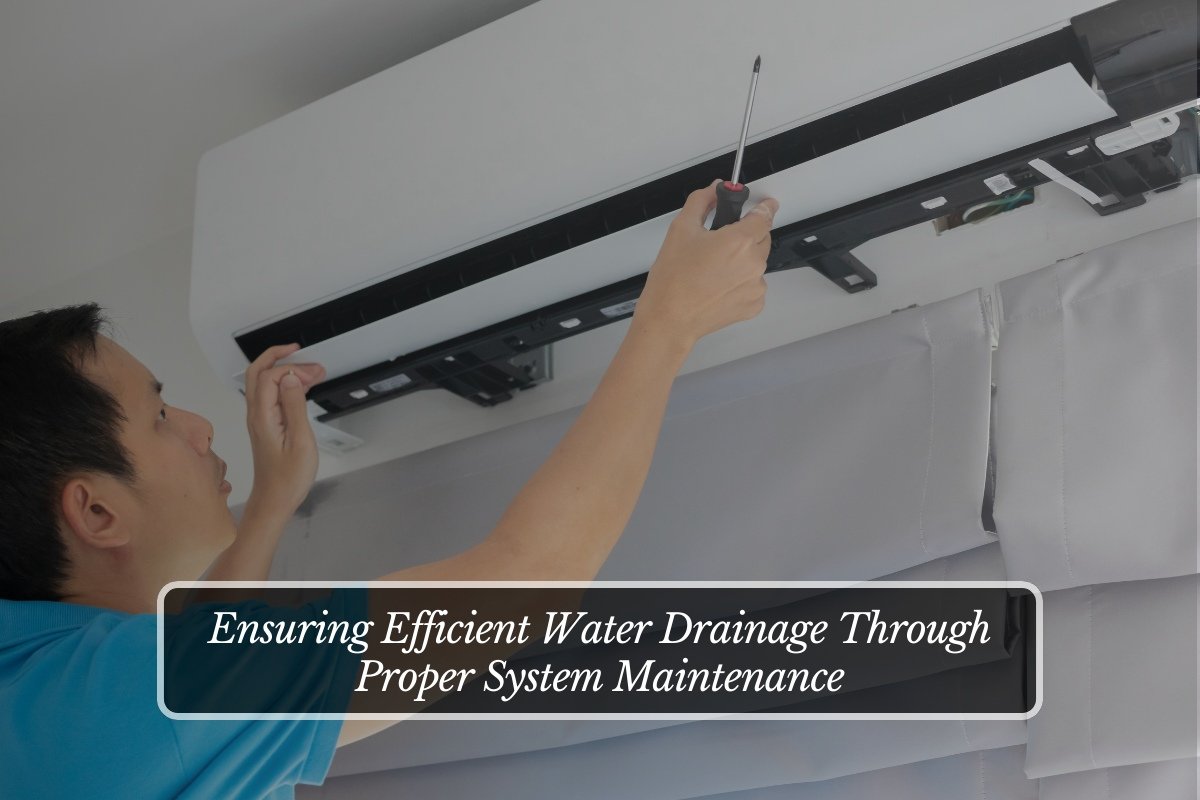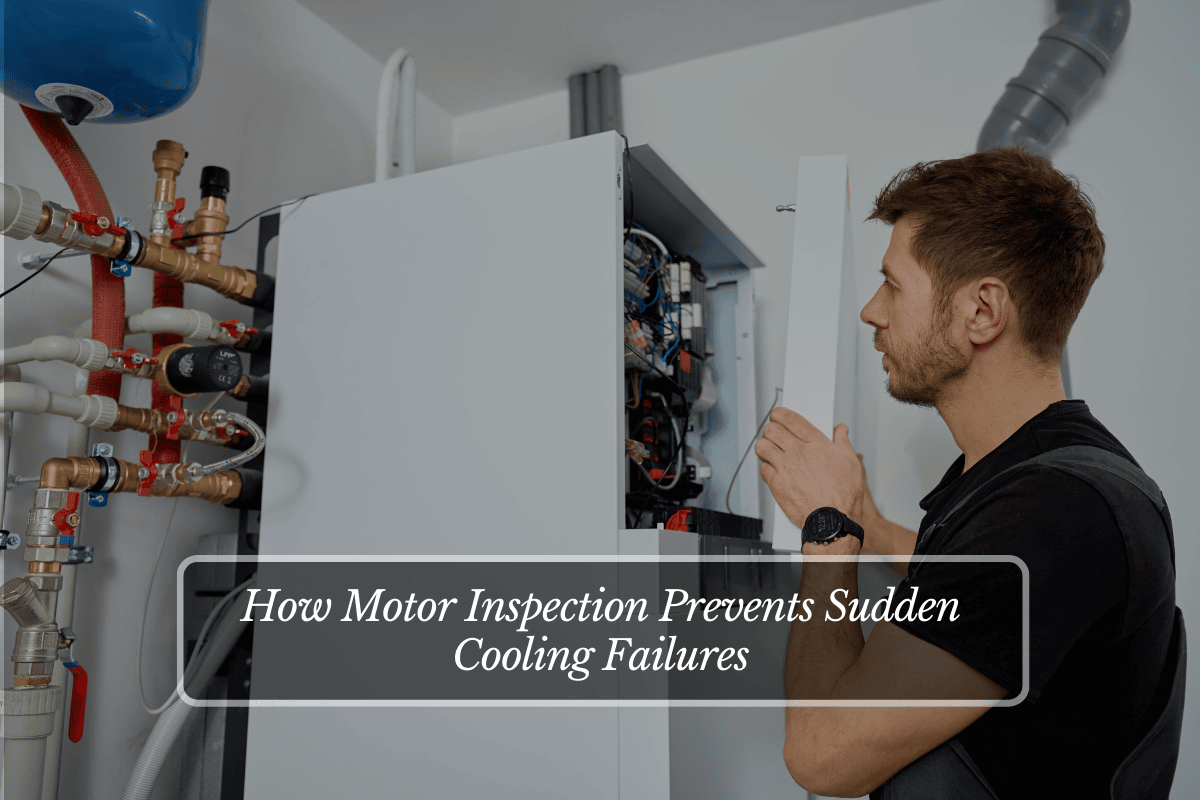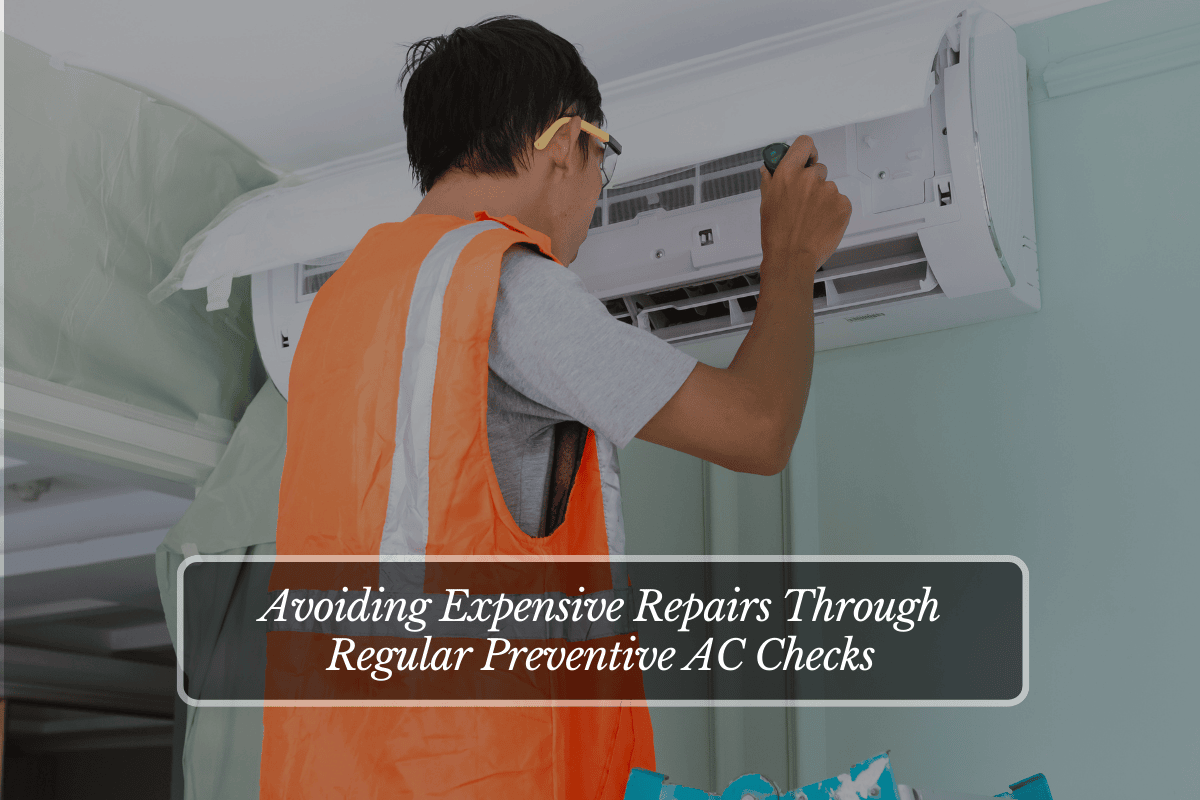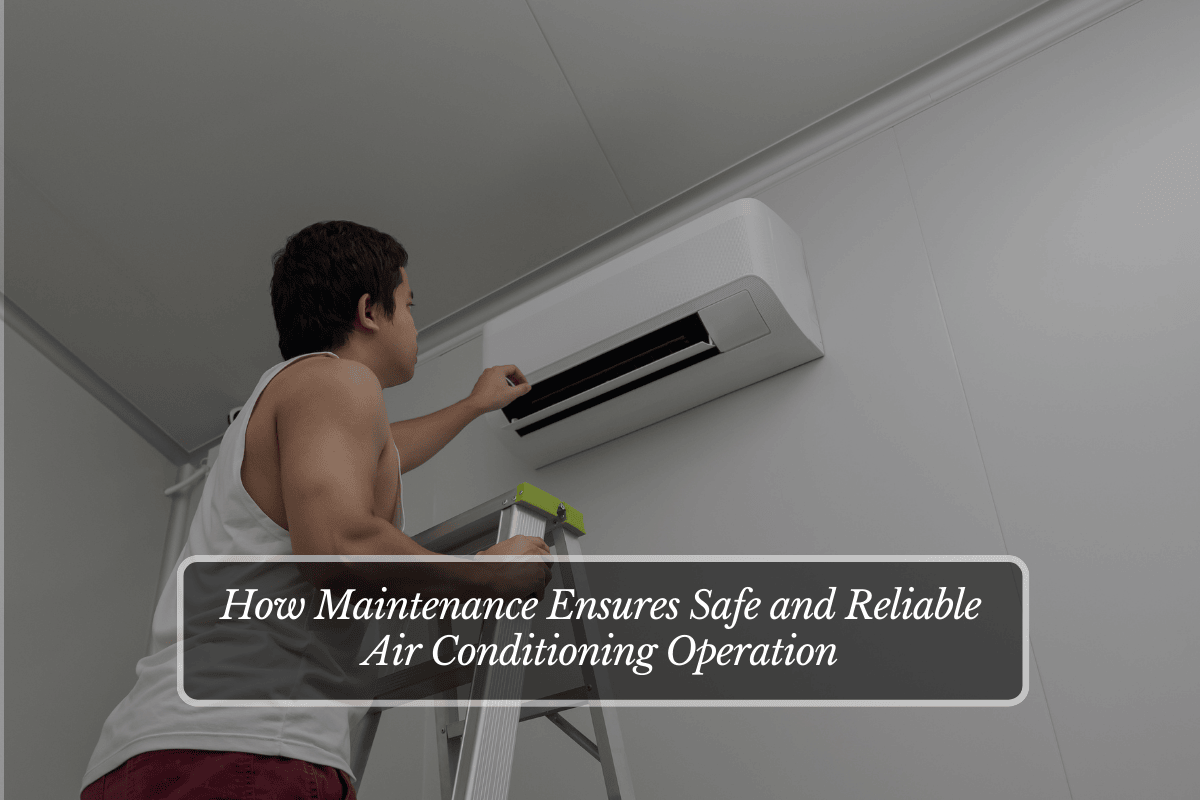
Maintenance ensures safe and reliable air conditioning operation by preventing electrical hazards, improving air quality, and averting mechanical failures that could lead to breakdowns or emergencies. Regular servicing identifies issues early, extends system lifespan, and maintains efficiency, protecting both occupants and equipment from risks like fires or refrigerant leaks.
Preventing Electrical Hazards
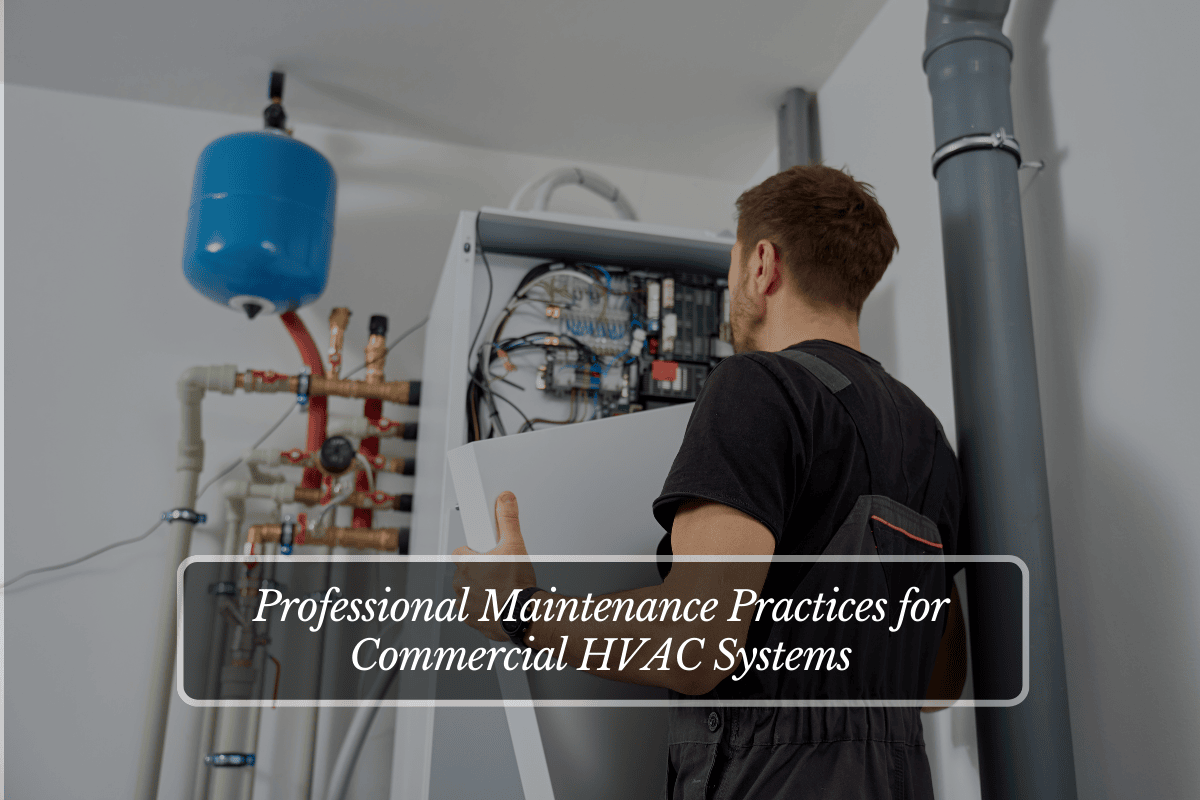
Loose wiring or corroded connections spark arcing, a leading cause of AC-related fires—tightening and inspecting these during tune-ups eliminates 80% of such risks. Overheating from dirty components strains circuits; clean capacitors and motors run cooler, avoiding shorts that could trip breakers or ignite dust buildup.
Technicians test voltage and ground faults, ensuring compliance with safety codes. This proactive step safeguards homes, especially during peak summer loads when systems run hardest.
Enhancing Air Quality and Health Safety
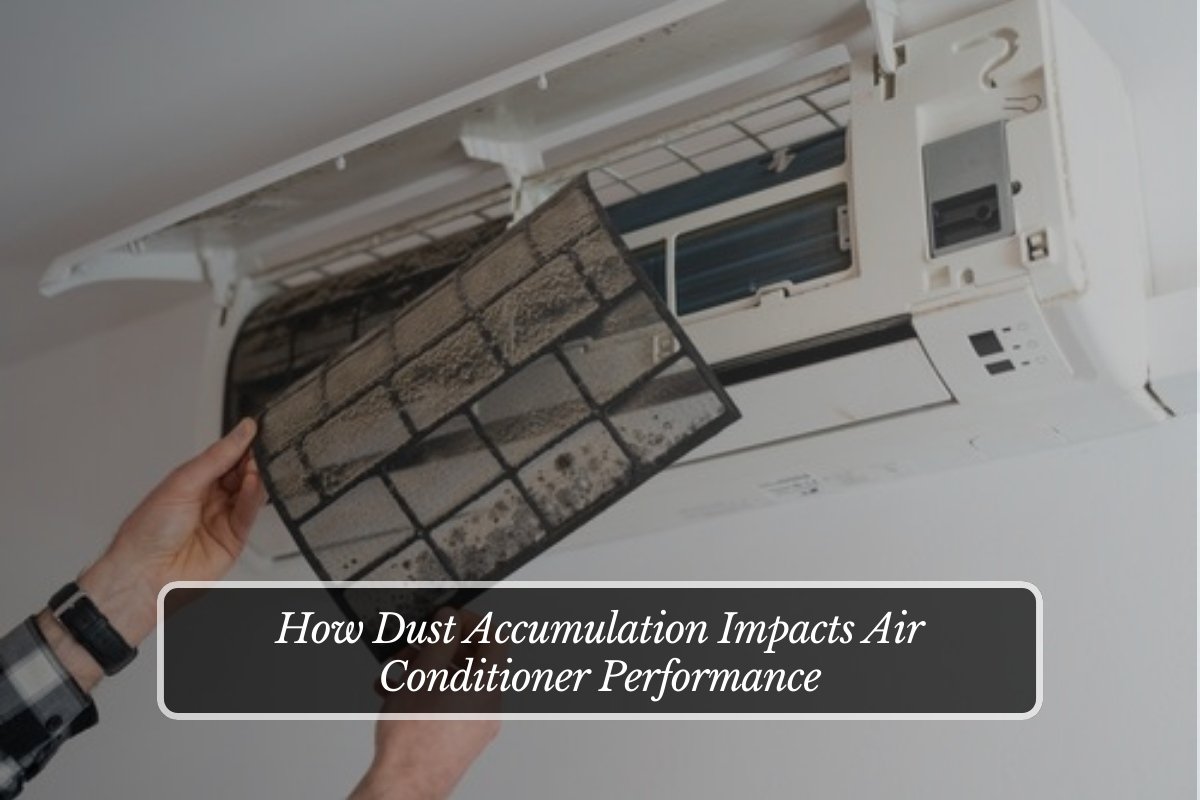
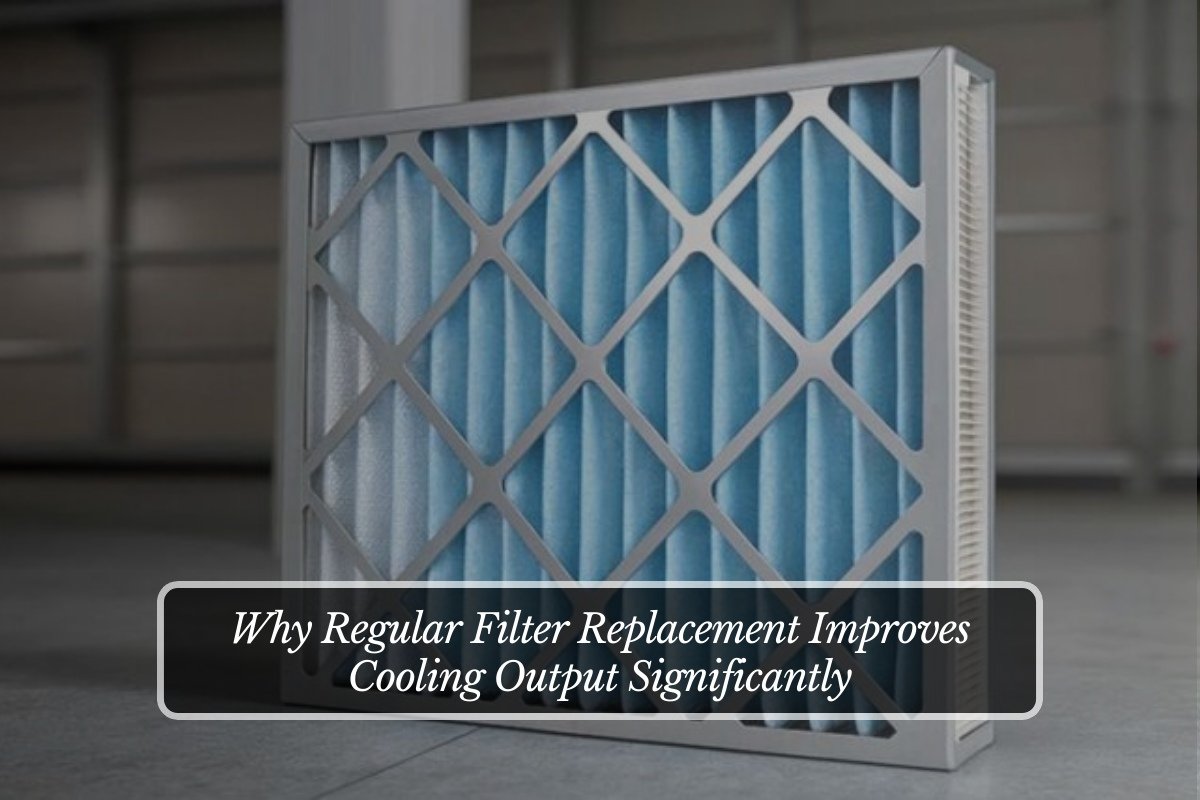
Clogged filters trap dust, mold, and allergens, circulating contaminants that trigger asthma or allergies—quarterly changes during maintenance restore airflow and filtration. Evaporator coils harboring bacteria foster legionella risks; professional sanitizing keeps indoor air healthy, vital for vulnerable groups like children or elderly.
Duct sealing prevents leaks that spread pollutants, while UV lights (added in services) kill microbes continuously. Cleaner operation reduces respiratory complaints by 30-50% in maintained systems.
Mechanical Reliability and Efficiency
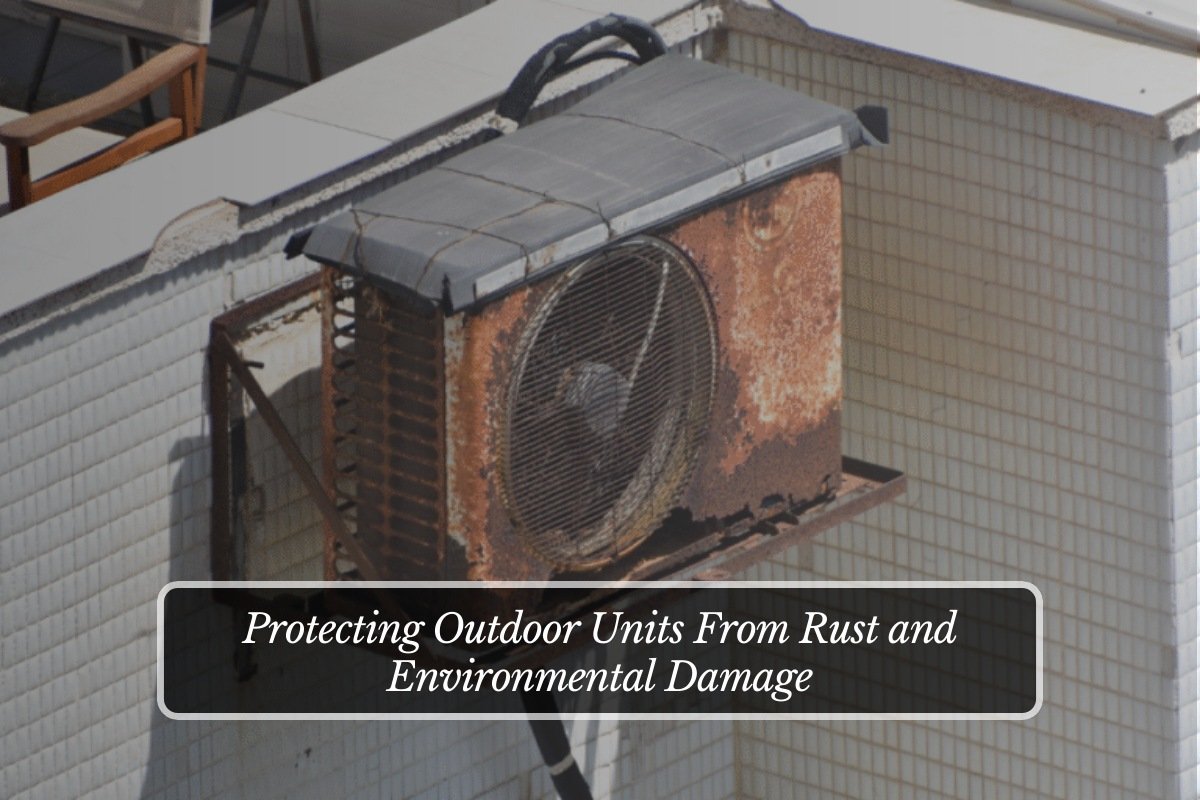
Dirty condenser coils force compressors to overwork, risking burnout—annual cleaning restores heat exchange, boosting SEER by 15% and preventing seizures. Refrigerant leaks not only drop cooling but release harmful gases; leak detection and recharge maintain pressure, averting compressor failure (costing $1,500+).
Lubrication quiets fans and bearings, cutting vibration that loosens parts over time. Balanced systems run smoothly, minimizing wear for 15-20 year lifespans versus 10 for neglected units.
Fire and Overheat Prevention
Accumulated debris in blowers or coils ignites easily under heat; vacuuming removes flammables, while airflow checks stop restrictions causing 200°F hotspots. Thermostat calibration prevents short-cycling, a meltdown trigger.
Pro services include combustion analysis for gas backups, ensuring safe backups during outages.
Cost and Longevity Benefits
Early fixes—like $100 fin straightening—avoids $2,000 compressor swaps. Efficiency gains slash bills 5-15%; ROI hits 500% via fewer emergencies. Reliable cooling avoids sweltering heat risks during failures.
DIY vs. Professional Maintenance
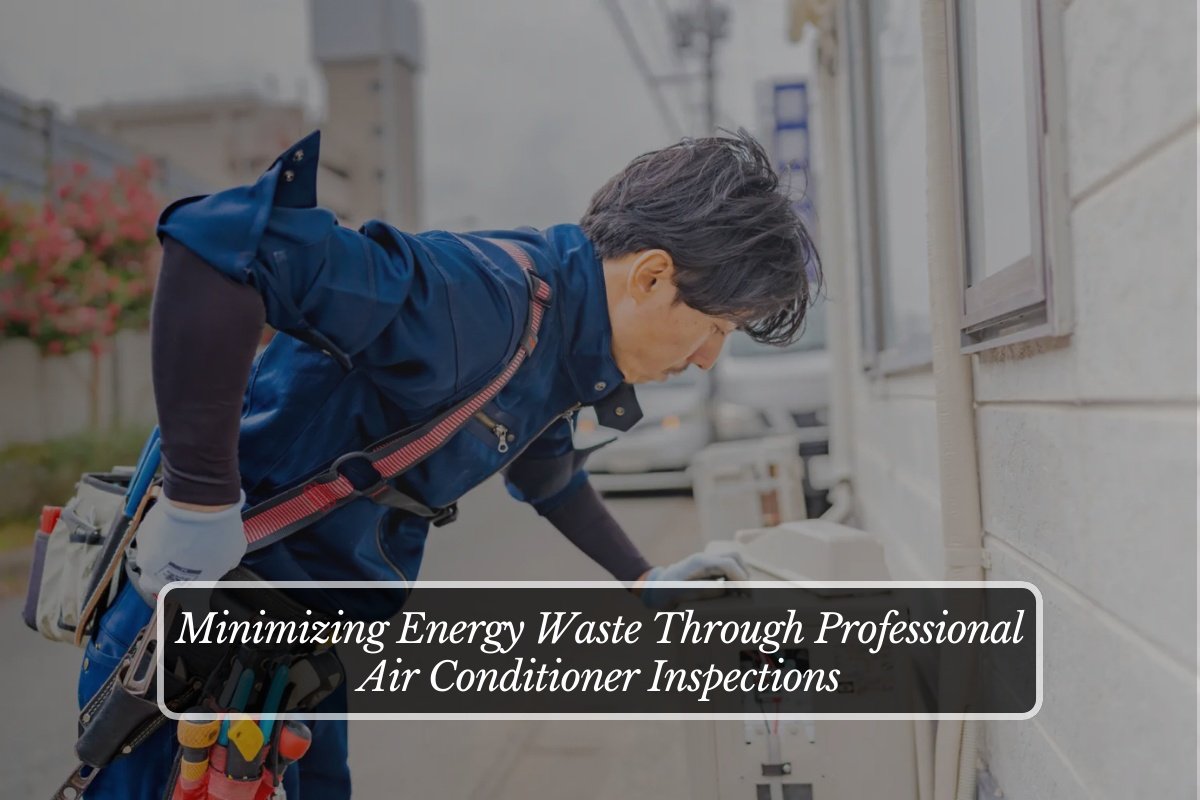
Monthly: Check/replace filters, clear drains, wipe coils. Biannual pro visits (spring/fall) handle refrigerants, electricals—EPA requires certification for leaks. Track via apps for schedules.
FAQs
1. How often service AC?
Biannually (spring AC, fall heat); monthly filter swaps for heavy use.
2. Signs maintenance overdue?
Weak airflow, odd noises, uneven cooling, rising bills, foul odors.
3. Safety risks ignored?
Fires from wiring/dust, mold health issues, $5K+ breakdowns mid-heatwave.
4. Efficiency gains?
15%+ via clean coils/filters; variable-speed units shine post-tune.
5. Warranty impacts?
Most void without proof of annual pro maintenance—keep records.