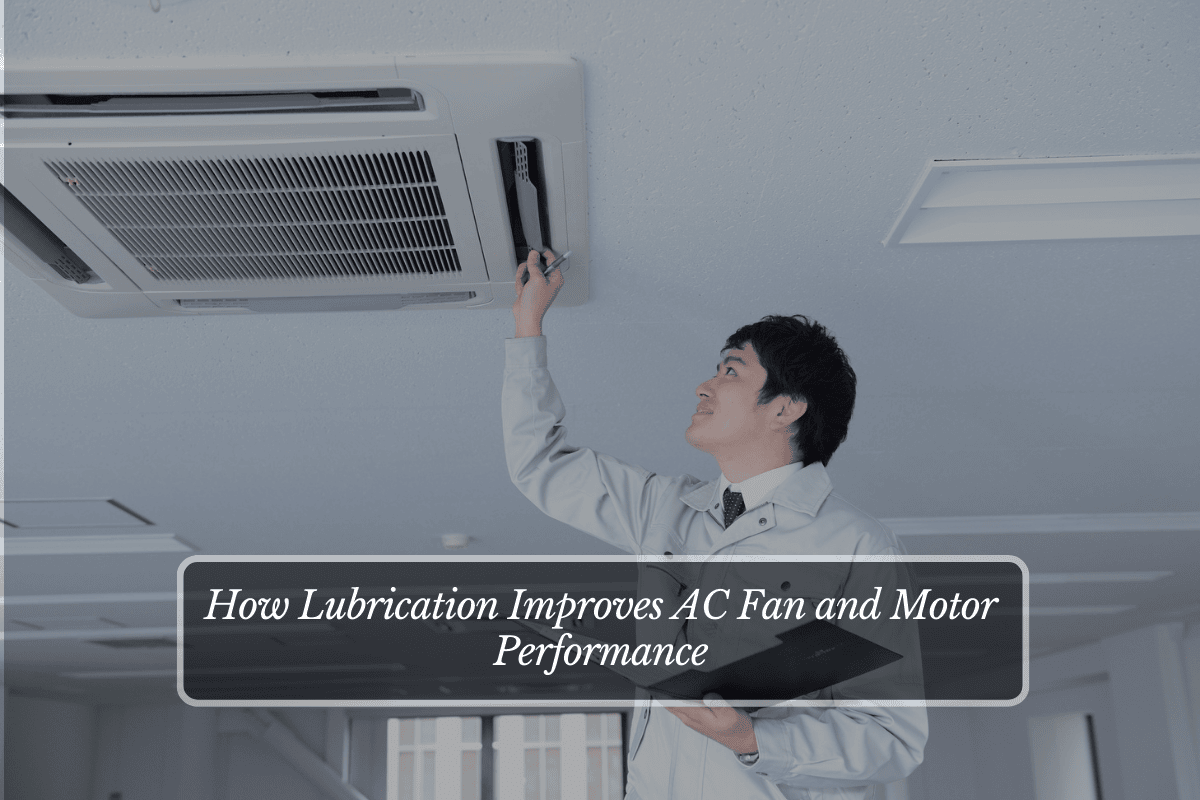
Lubrication is essential for maintaining optimal performance in air conditioner fan and motor components, reducing friction and extending operational life. Proper care ensures smoother operation, lower energy costs, and reliable cooling in US homes, where HVAC systems run extensively in hot climates.
Friction Reduction Benefits
Lubrication minimizes metal-to-metal contact in bearings and bushings, slashing wear by up to 50%. Without it, friction generates excess heat, accelerating degradation—studies show unlubricated motors lose 30% efficiency from energy wasted as heat. Synthetic oils like SAE 10W-30 penetrate deeply, forming protective films that keep parts spinning freely at high RPMs typical of AC fans (1,000-1,200).
In US residential units, this translates to consistent airflow; a lubricated indoor blower motor circulates 20-30% more air, enhancing cooling without straining the compressor.
Energy Efficiency Gains
Well-lubricated motors draw less power for the same output. Friction forces motors to work harder, hiking electricity use—DOE data links poor lubrication to 15-30% higher bills in summer peaks. Lightweight, non-detergent oils reduce drag, allowing fans to reach optimal speeds faster and maintain them steadily, cutting runtime by 10-20%.
For variable-speed ECM motors in modern SEER 16+ units, lubrication preserves inverter efficiency, preventing overloads common in humid Southern states.
Noise and Vibration Control
Dry bearings cause humming, squealing, or rattling—hallmarks of lubrication failure. Fresh oil dampens vibrations by 40-60%, creating whisper-quiet operation that improves indoor comfort. This is vital in open-plan homes, where fan noise disrupts sleep; regular drops restore balance, avoiding costly imbalance repairs ($200-500).
Heat Management and Longevity
Overheating from friction warps windings and melts insulation, leading to burnout. Lubricants dissipate heat while cushioning impacts, extending motor life 2-3x—from 10 to 25+ years with annual service. ASHRAE notes HVAC motors in well-maintained systems avoid 80% of premature failures tied to oil starvation.
Proper Lubrication Techniques
Access ports on most sleeve-bearing motors (common in older units) require 8-15 drops of electric motor oil (ND or SAE 20 non-detergent) every 3-6 months during cooling season. Shut off power, clean ports, apply slowly to avoid overflow, then run 5 minutes to distribute. Sealed ball-bearing motors (newer ECMs) need none—grease lasts 10+ years—but pros inspect during tune-ups.
For portless models, pros remove end-bells to wick oil onto bushings. Pair with coil cleaning for full system gains; over-lubrication floods, attracting dust.
Maintenance Schedules
Spring pre-season checks align with US peak demand. DIY for accessible units; hire NATE-certified techs ($100-150/visit) for warranty-safe work. Log dates—every 500 hours or biannually in hot zones like Arizona. Upgrading to oilless motors saves hassle long-term.
Cost Savings and Diagnostics
Expect $50-100 yearly savings per ton of cooling from efficiency alone, plus avoided $1,000+ replacements. Signs needing lube: rising amps (check meter), hot housings, or weak airflow—address early via multimeter tests.
Integrated care keeps ACs running cooler, quieter, and cheaper through brutal summers.
FAQs
Q. What oil for AC fan motors?
SAE 10W-30 or 3-in-1 synthetic non-detergent; avoid car oils.
Q. How often lubricate?
3-6 months in summer; annually for mild climates.
Q. Signs of dry bearings?
Noise, vibration, poor airflow, overheating.
Q. Energy savings from lube?
10-30% lower bills via reduced friction.
Q. Sealed motors need oil?
No, but inspect during pro tune-ups.